Sometimes, you can smell the salt sea spray here in central-ish Edinburgh, a welcome respite from the car exhaust and cigarette smoke that can permeate the air as you walk along the streets. On fine, windy days, when the air is fresh, the salt might tang it, but there’s no guarantee. This past Friday, however, as I was walking home from the Omni movie theatre (where I saw the live-action Moana), I found a bench not far from my street (Annandale) where I could just breathe in the sea air for a little while, closing my eyes and imagining. Granted, the Port of Leith is only a mile north of here, and water surrounds Edinburgh to the north and the east, but it is unusual to smell the sea air inland. It made me long to be by the water, and I promised myself I’ll go to Portobello (“Porty”) beach before I leave.
All this by way of saying I’ve been sticking around town recently. I love to take my trips to the Highlands and islands, but the driving and the sightseeing and the being managed become waring after a while, and then I get home exhausted (and my foot hurts more than usual). Plus, I am the temporary co-director of the Scotland Summer Program, so I need to be in town in case there’s An Incident with a Student needing an adult to step in. (*Crosses my fingers, no student has An Incident*).
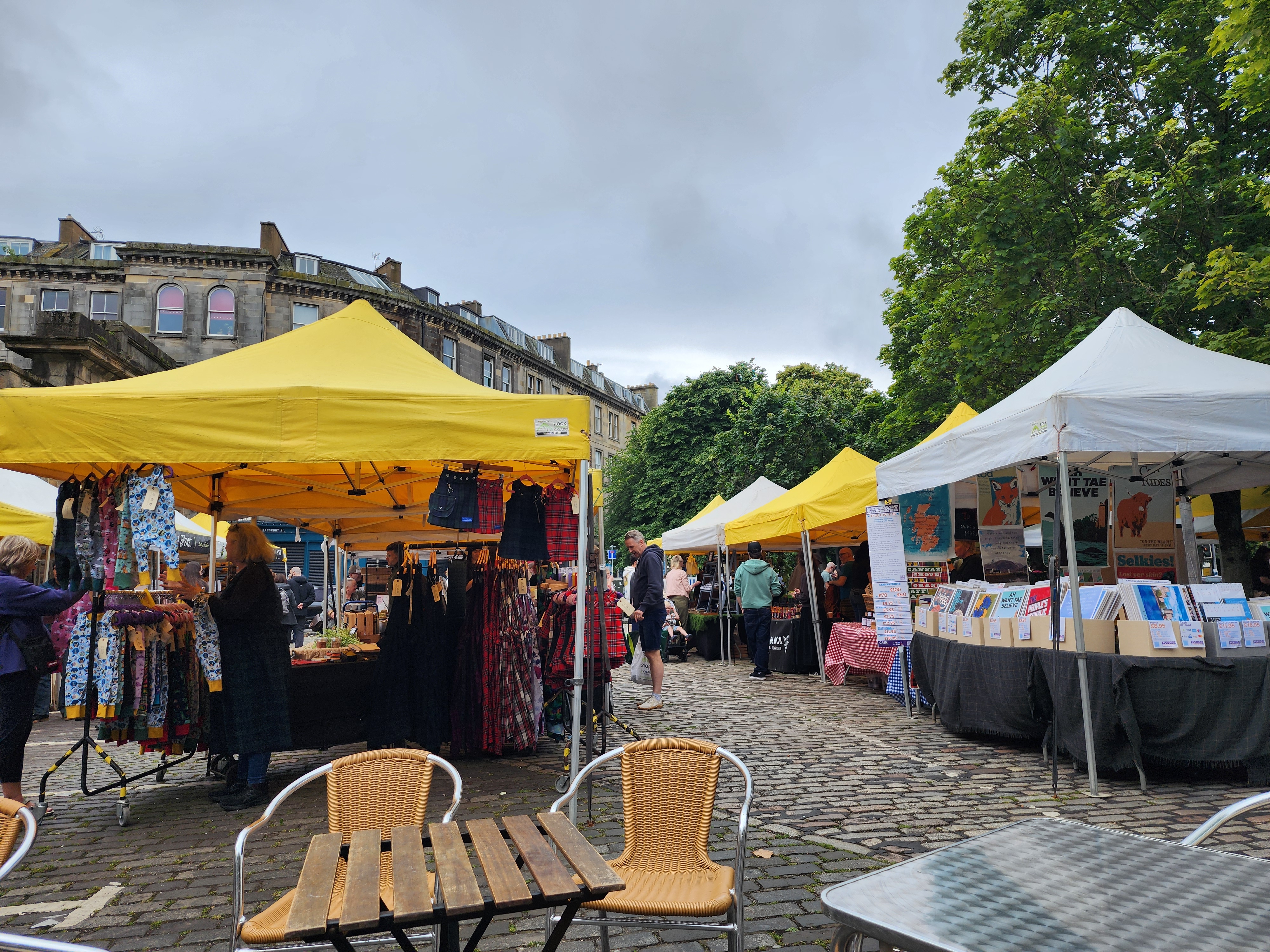
Leith Farmer’s Market
Edinburgh has so many sights to see and places to explore it’s easy to get overwhelmed. For me, I try to see one or two things on a weekend so I feel like I’m still enjoying the town even though most of my time is taken up by teaching, grading, and doing homework for Happiness Studies. Last week, I went to the Leith Farmer’s Market (as I mentioned I might), and took a bracing walk from the tram to the market. The space held maybe 20-25 stalls, including typical offerings such as fruit, bread, and fish, and other items like hot sauce, kombucha, prepared salads, and pastries. I chose two salads—one was quinoa, carrot, and potato; the other was pomegranate, sweet potato, and spinach. At the bread stall, I bought a pear tart/ frangipane (custard), and at the fruit stall, I found fresh Scottish strawberries and a personal-sized watermelon (delish!). At the cheese and meat stall, I bought a little pecorino cheese with orange (it sounded good at the time), although I was shocked to find out that this 3 oz cheese was £8. (There I go again, complaining about the cost! I’m such an old lady sometimes.) There was a stall dedicated to a graphic artist and his work, and I bought a small poster which I will frame and hang up when I get home, and I bought some copper and silver earrings in the shape of manta rays from Blue Kitty Creations. Of course, I don’t think of manta rays and Edinburgh having any special connection, but they were lovely, and I couldn’t pass them by.
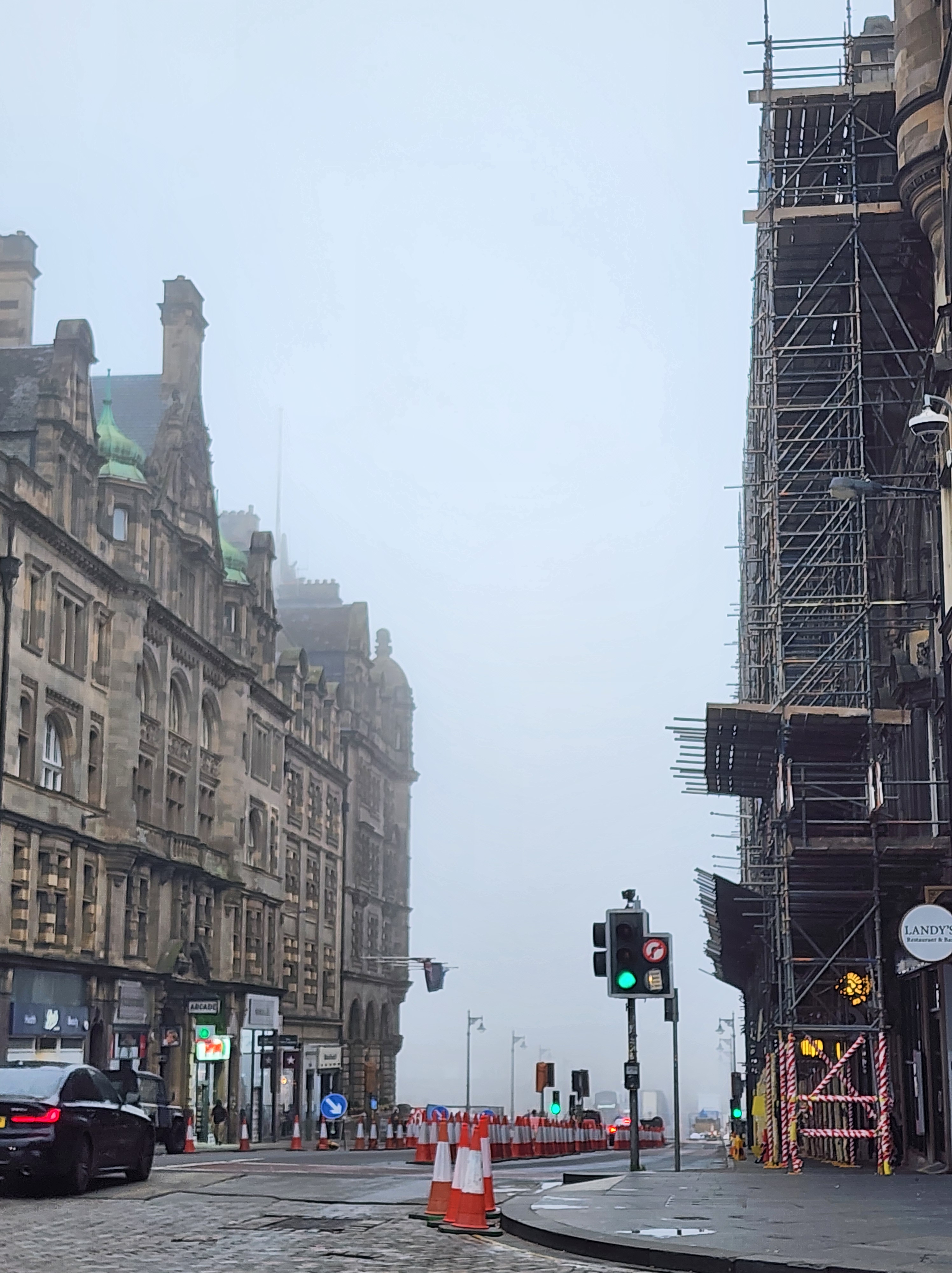
The mist over the city obscures New Town
This past Saturday, I woke up to a town wreathed in mist that hung around all day long, obscuring the sky, obscuring the streets: people and cars appearing suddenly in front of you when you least expected it. The spookiness thrilled me, actually, and I loved walking around Edinburgh in the smirr, as if the whole city were disguised. I took the bus to Southbridge, then walked down the east side of the Royal Mile to get to Holyrood Palace—a place I’ve been meaning to visit these past four years but have only now gotten to. There were a few interesting signs on the walk, including one advertising the Scottish Poetry Library at Crichton’s Close, which I may have to investigate at some point. And another one at St. John’s Pend which memorialized the knights of St. John, and “houses occupied by famous families and occasionally by Smollett.” (I vaguely remember reading The Adventures of Peregrine Pickle in my 18th Century lit class many, many years ago.) I also passed by the Scottish Parliament house, which apparently can be visited by the general public, but it was locked up tight on Saturday. Even MPs need a day off, I guess.
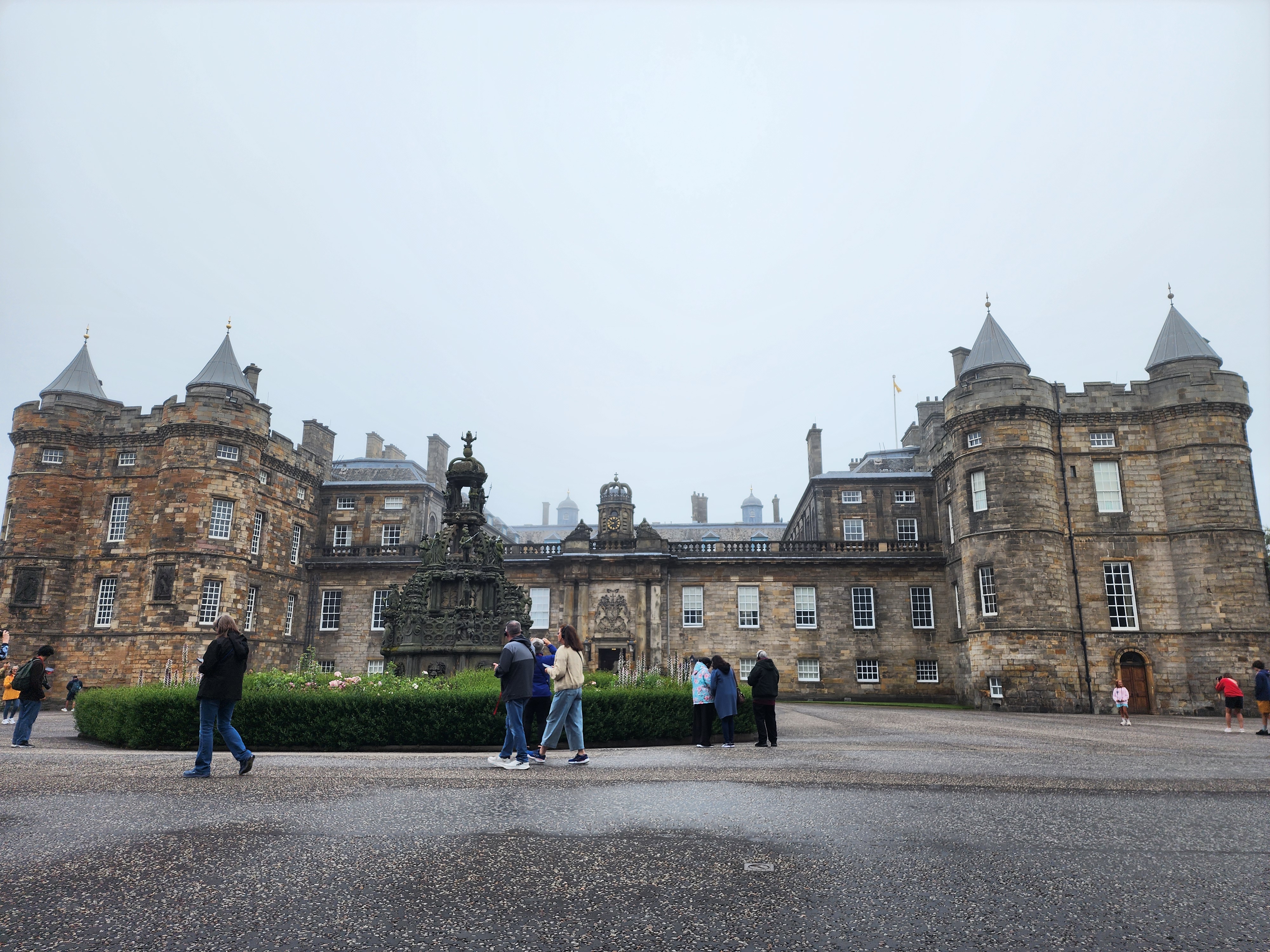
Holyrood Palace
Holyrood Palace is a working palace, which means that Prince Charles (and Queen Camilla) conduct Scottish business here and stay in the palace when they are in town. It is more comfortable and more recently built than Edinburgh Castle (although “recent” is a misnomer, being as the palace was built up in the 16th Century but bits had been around earlier). Dinners, meetings with dignitaries, and other formal events are held here. Pope Leo even met King Charles here. I liked the palace very much, with its dark brocades and many tapestried rooms. The wooden floors creaked, and the paintings were interesting, especially in the Great Hall, where artist Jacob de Wet had painted almost 120 portraits of royalty, real and imagined (although the Hall only featured about 97) at the request of Charles II. de Wet painted one painting a week for two years. In order to shore up Charles’ right to the throne, and to emphasize his ancestry, each of the paintings bore Charles’ nose—even the few women on display. Once you know this fact, you can’t unsee the nose—it’s everywhere. (I can’t imagine painting a new portrait each week—I can barely imagine writing a poem once a week, let alone create a whole painting!)
Off the Great Hall is Henry Stuart, Lord Darnley’s bed. It’s walled off in glass so that it can’t be touched. Perhaps the fabrics are too delicate. But the bed was enormous. Strangely, the bed is considered Darnley’s although if I understood the audio tour correctly, the bed dates from 100 years later. Meanwhile, the upstairs rooms belonged to Mary Queen of Scots, and you have to climb this tiny, steep spiral staircase to access them. The dimmest lighting fills the larger of her rooms, with few sconces and spotlights on specific items, especially the jewels. Darnley’s locket interested me the most—it’s in the shape of a heart with enamel cutouts, including a figure of a man (presumably Darnley) with a flower coming from his private parts to symbolize his son. There were also other jewels, including a parure that Mary gave her favorite lady-in-waiting, who apparently lived with her in exile in Queen Elizabeth’s castle for most of the 19 years Mary was imprisoned. Mary’s rooms highlight the tour of Holyrood, and apparently there is a bloodstain on the floor where Darnley killed Mary’s Italian secretary, David Rizzio in 1566, but I didn’t see it. I’m glad I didn’t see it. (By the way, I have no pictures of inside the palace because photographs aren’t allowed.)
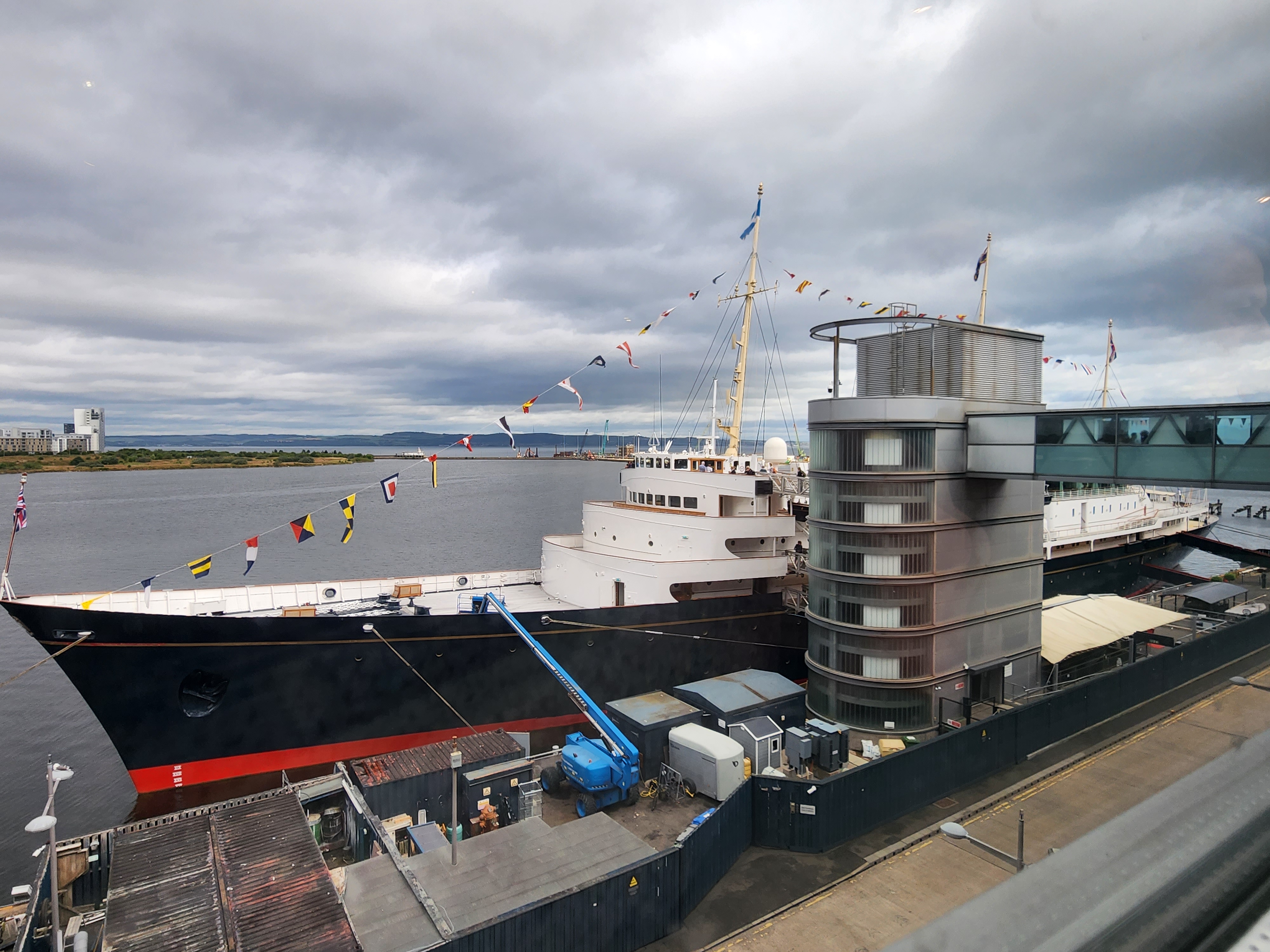
HMY Britannia
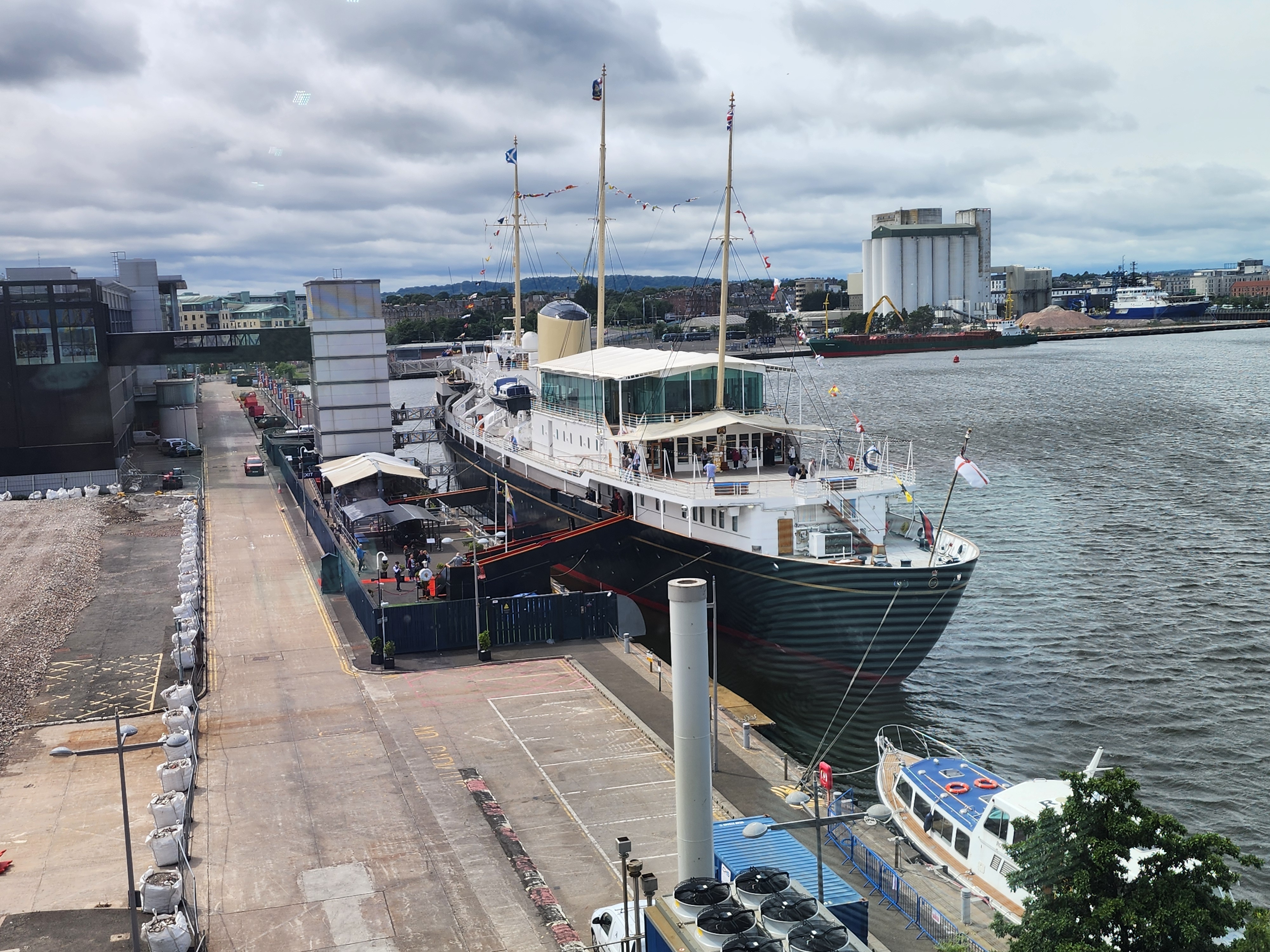
Another local sight of interest is the Royal Yacht Britannia. This was the monarchy’s yacht, commissioned in 1954, a couple of years after Queen Elizabeth II became the Queen. It first sailed to Malta from Portsmouth allowing Prince Charles (then age 6) and Princess Anne (then age 4) to meet back up with their parents after their parents’ long tour of the Commonwealth. And what is interesting to me is that for all its luxury, the ship seems small. Perhaps “intimate” would be a better word—although how intimate can it be with all its staterooms and a dining room, dripping in silver, that can seat over 20 people?
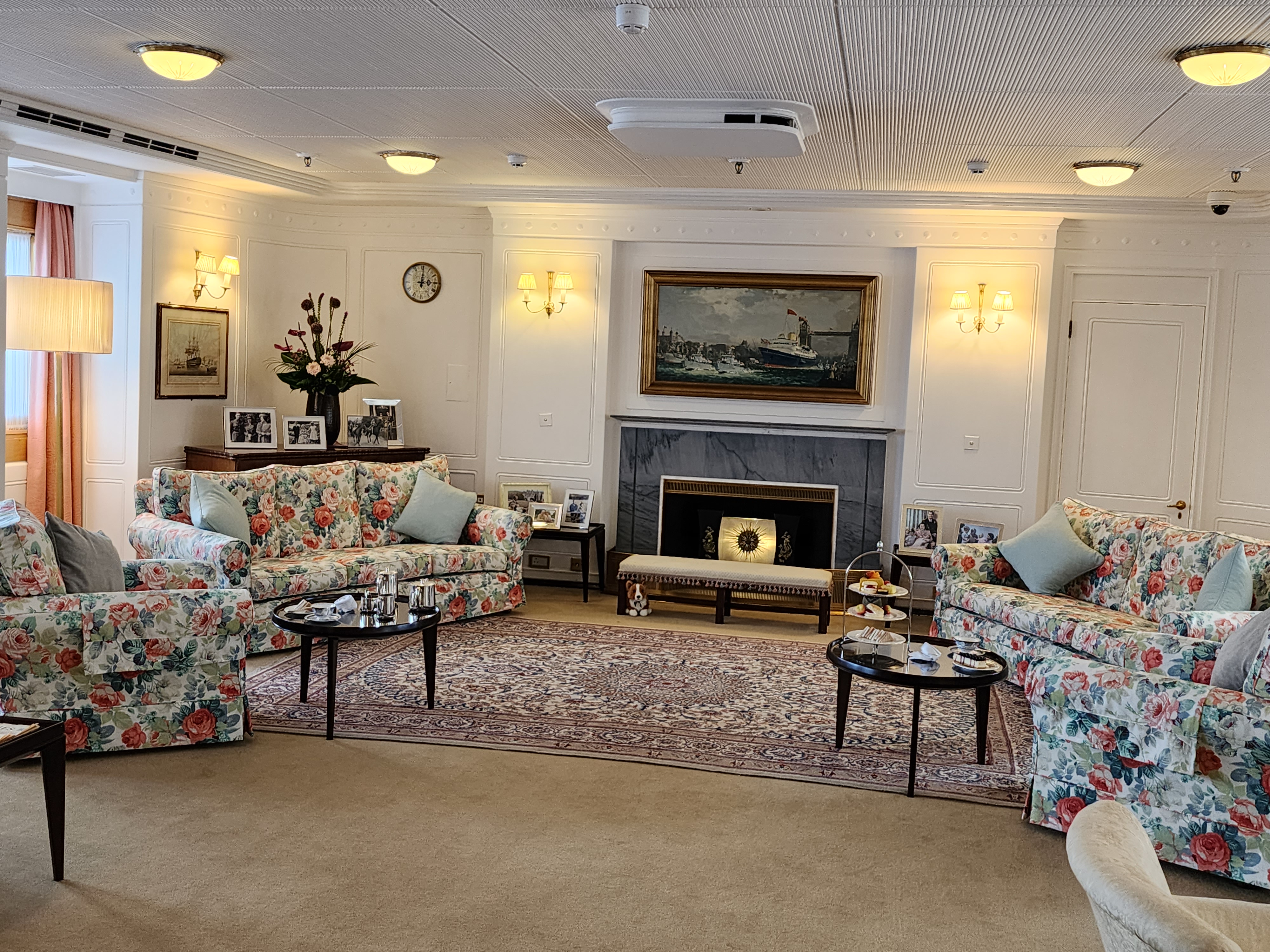
The drawing room
I like how comfortable the rooms are, with soft couches and chairs that invite a person (not a paying visitor, obvs.) to sit and take a moment to enjoy the space. There are drawing rooms, and living rooms, and several nooks throughout the ship designed to take tea or breakfast or simply to sit at as well, and areas where the family could privately congregate, away from visitors. As for bedrooms, I was surprised how small the beds are—they are only size double because they couldn’t bring any larger mattresses on board (something to do with the doors, I’d guess). And both the Queen and Prince Philip had their own staterooms and dressing rooms. It seems a little strange to me, but I suppose each member of the royal family always enjoys their own room and space. It is the privilege of the wealthy not to have to share. (Unlike the crew who crammed into their bunks by the dozen.)
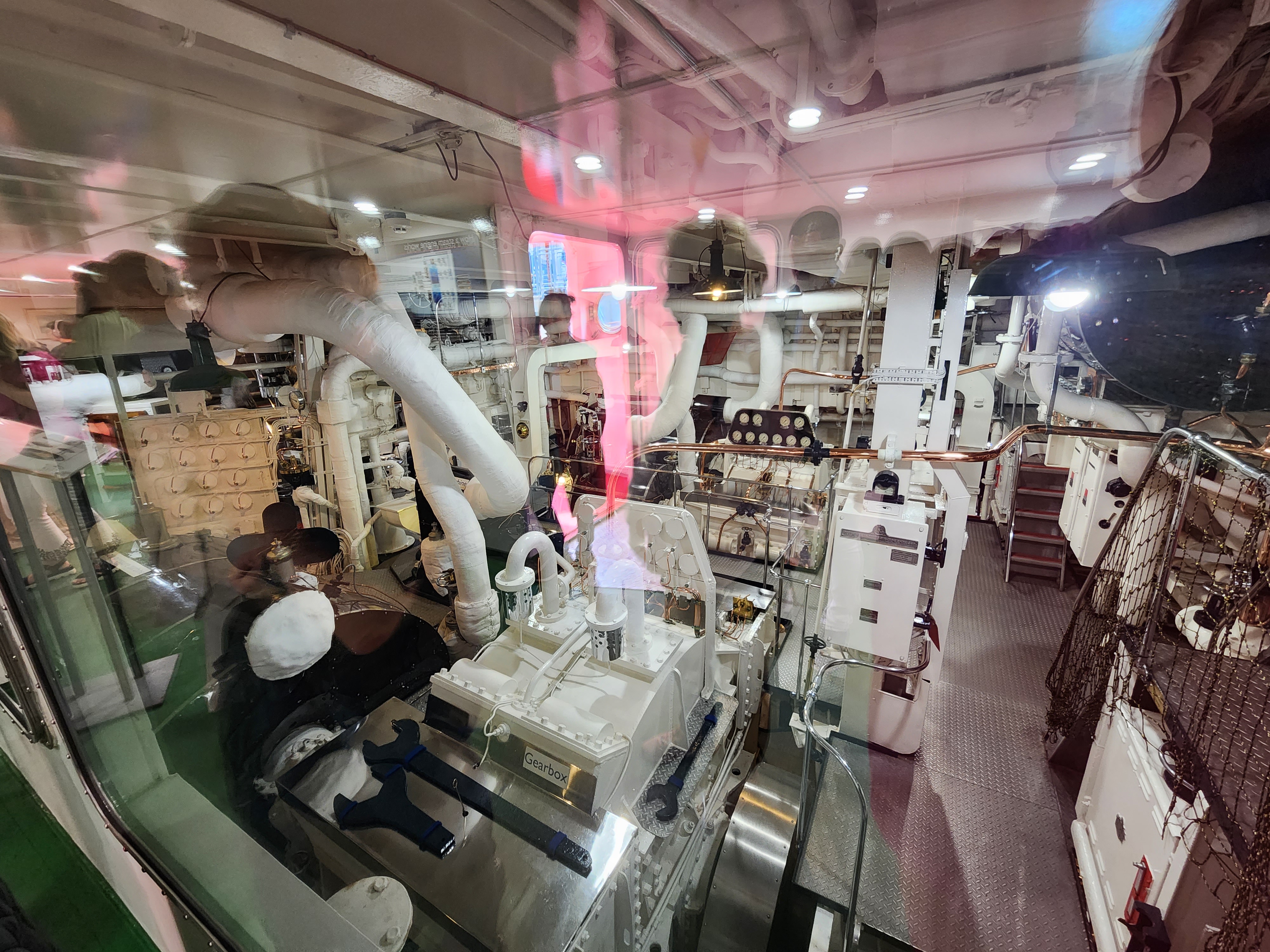
The engine room
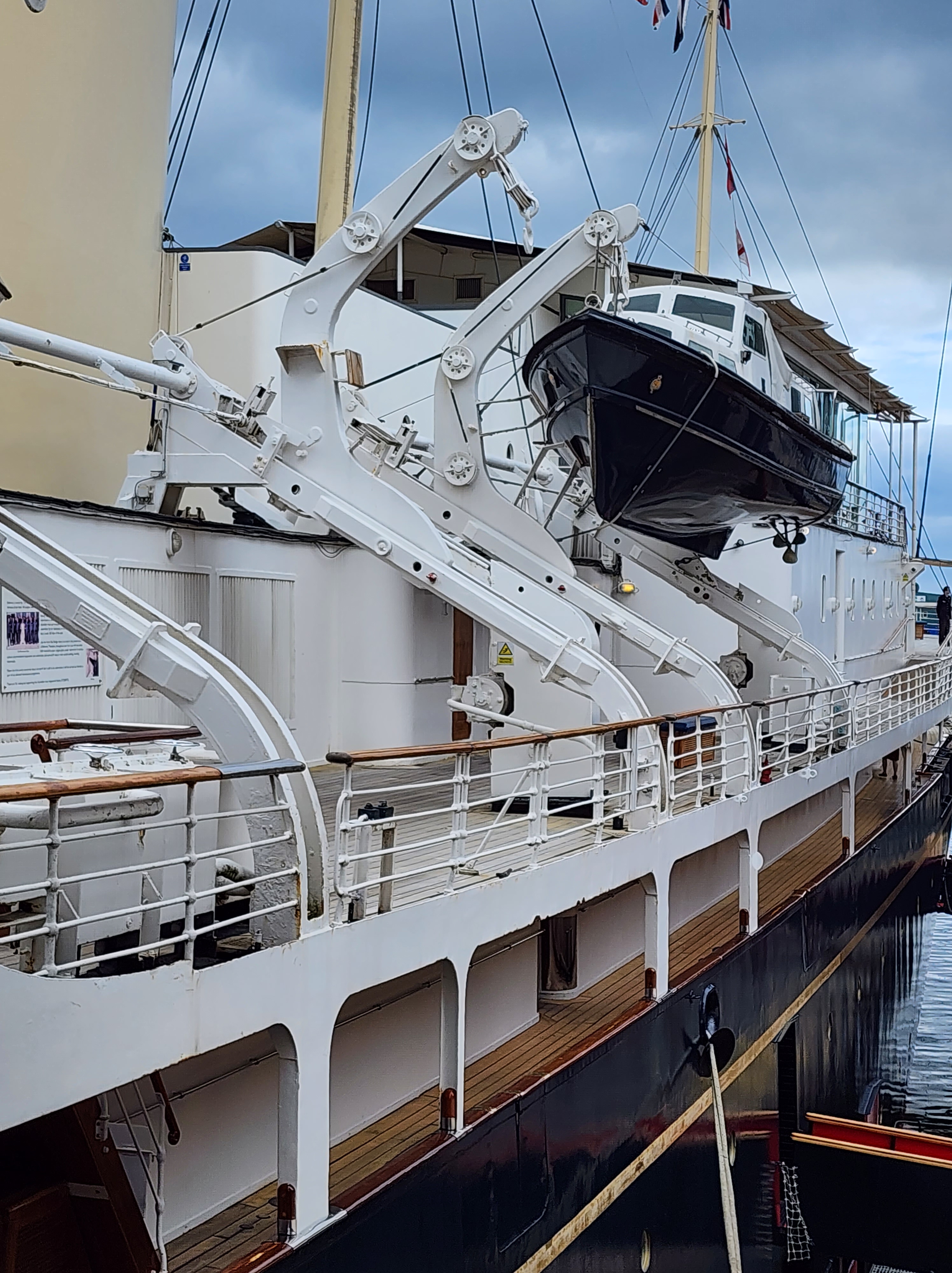
What was also kind of cool is that we could look down below and see the engines and machinery used to run the ship. The noise must have been phenomenal—and the heat!—when the ship was moving. I can imagine it was terrible to be down there. Also down below were a sick bay (the surgery) and hospital beds, in case anyone should come down ill. And on the sides of the ship, were a luxury speedboat and a sailboat. Overall, a floating palace, 412 feet from stem to stern.
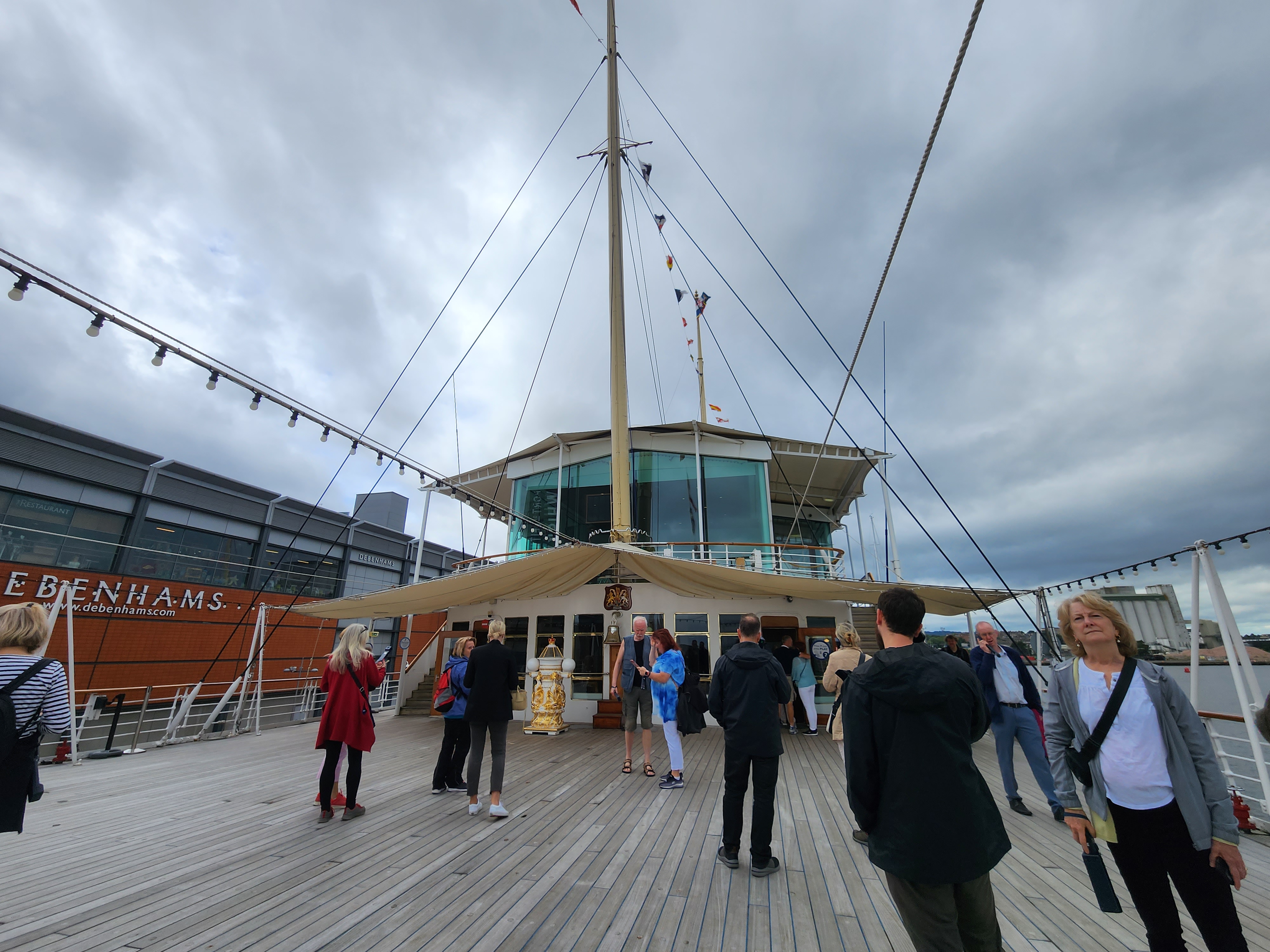
The foredeck
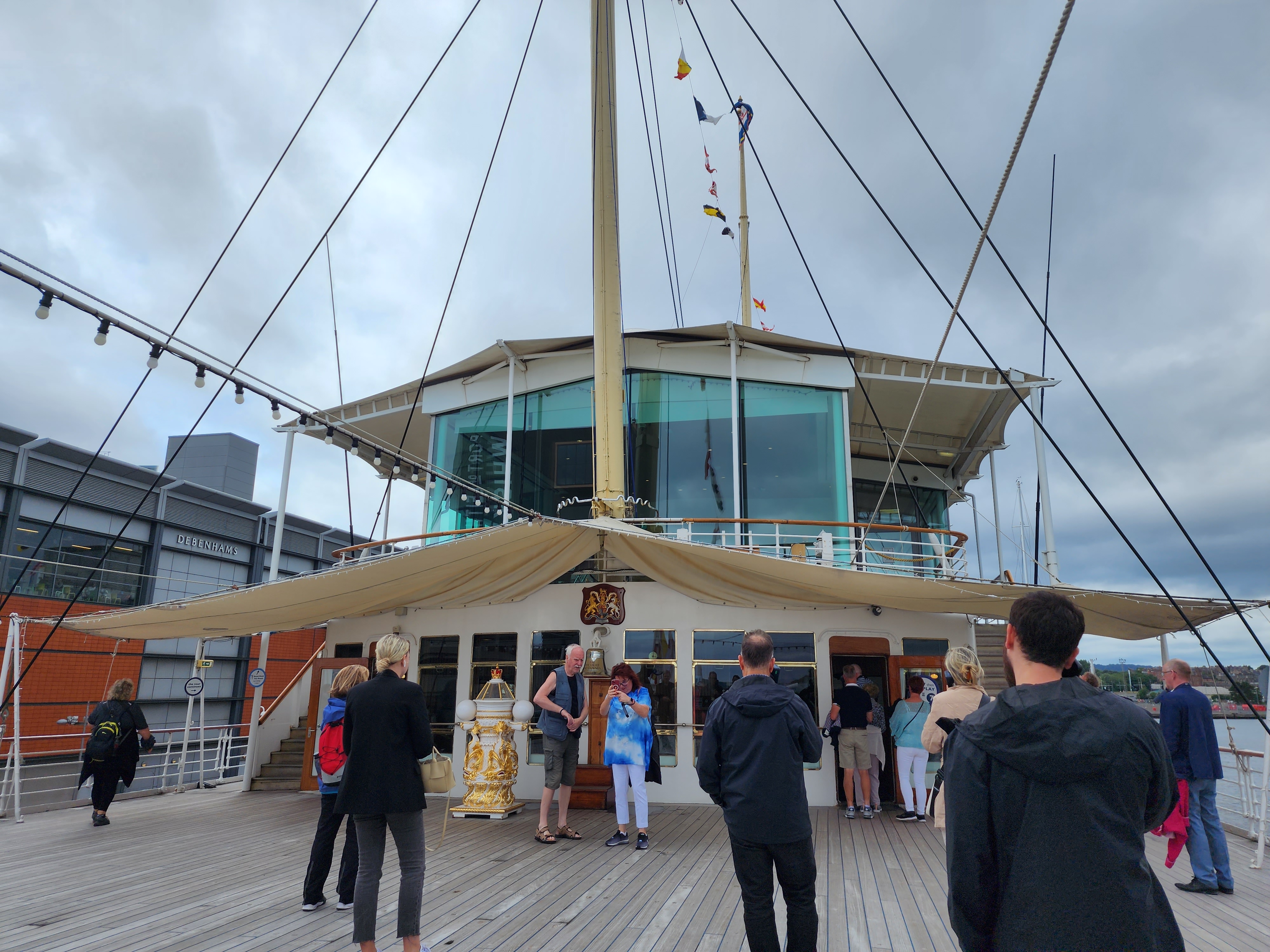
The Royal Yacht Britannia has five decks, and a lovely open space on the prow to sit and take the sun. I can imagine that in summer the Queen and Philip lay out on chaises on the wood deck, her in a huge brimmed hat with sunglasses like a movie star and him wearing a button-down shirt and shorts. Perhaps their children played with a bouncy ball and tried very hard not to toss it overboard. I was thinking this as I found a seat and enjoyed the sea air (which wasn’t as salty as I would have liked) and people-watched for a while. But eventually, I exited the ship and went into the Royal Deck Tearoom (which is on the tour) for a cream tea and a sparkling water. (A cream tea comes with a fruit (sultana) scone, a plain scone, butter, and clotted cream and jam, as well as tea and milk.) I sat in the very center of the room, jealous of the people to my right who got to look straight out onto the water. The tearoom was fancy, and the silverware sparkled. And my scones were good, though , though they took a little while to come out. (They were being baked.)
Next weekend, I’ll be taking a boat tour of the Firth of Forth (basically the Forth is a giant estuary) near the bridges, and I will see about heading to Portobello beach for a little sun. (Of course, visiting the beach is weather-permitting, but I already bought my boat ticket, so I’ll go on that trip no matter the weather.) You can be sure I’ll be writing about those excursions too, so keep a lookout for another post.

These tasted amazing!
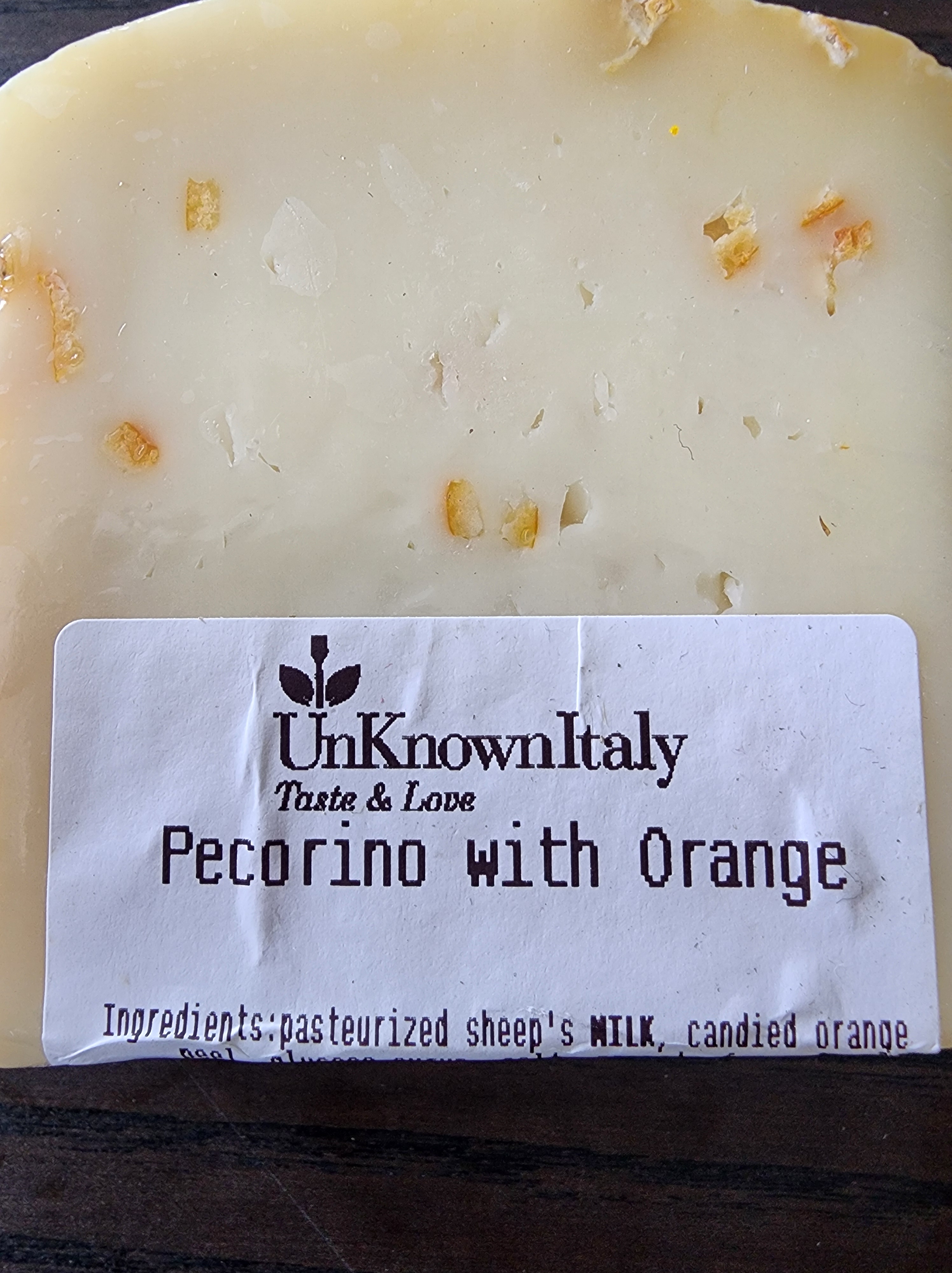
Note to self: cheese and orange do not mix.
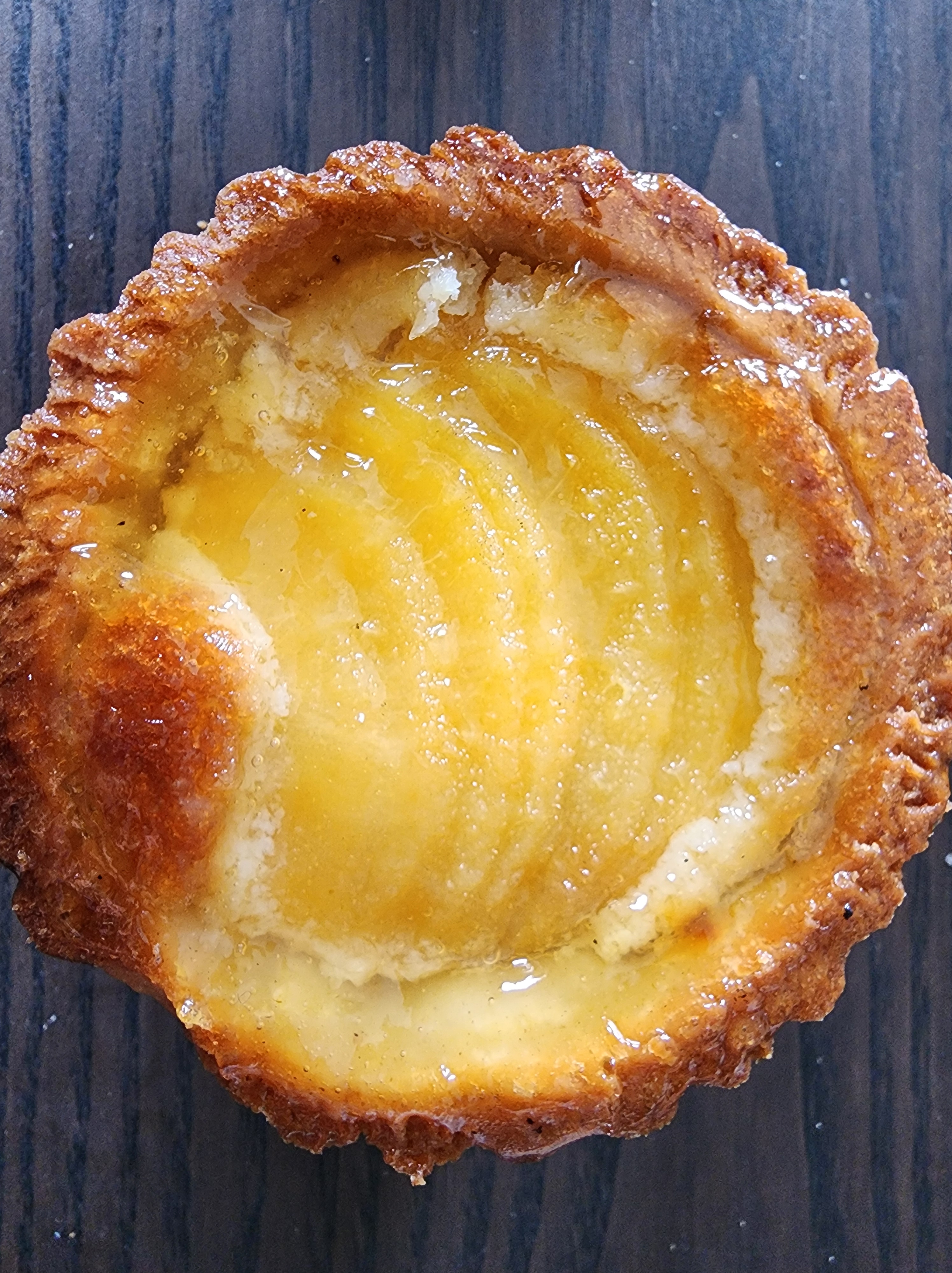
My pear frangipane
Leith Farmer’s Market
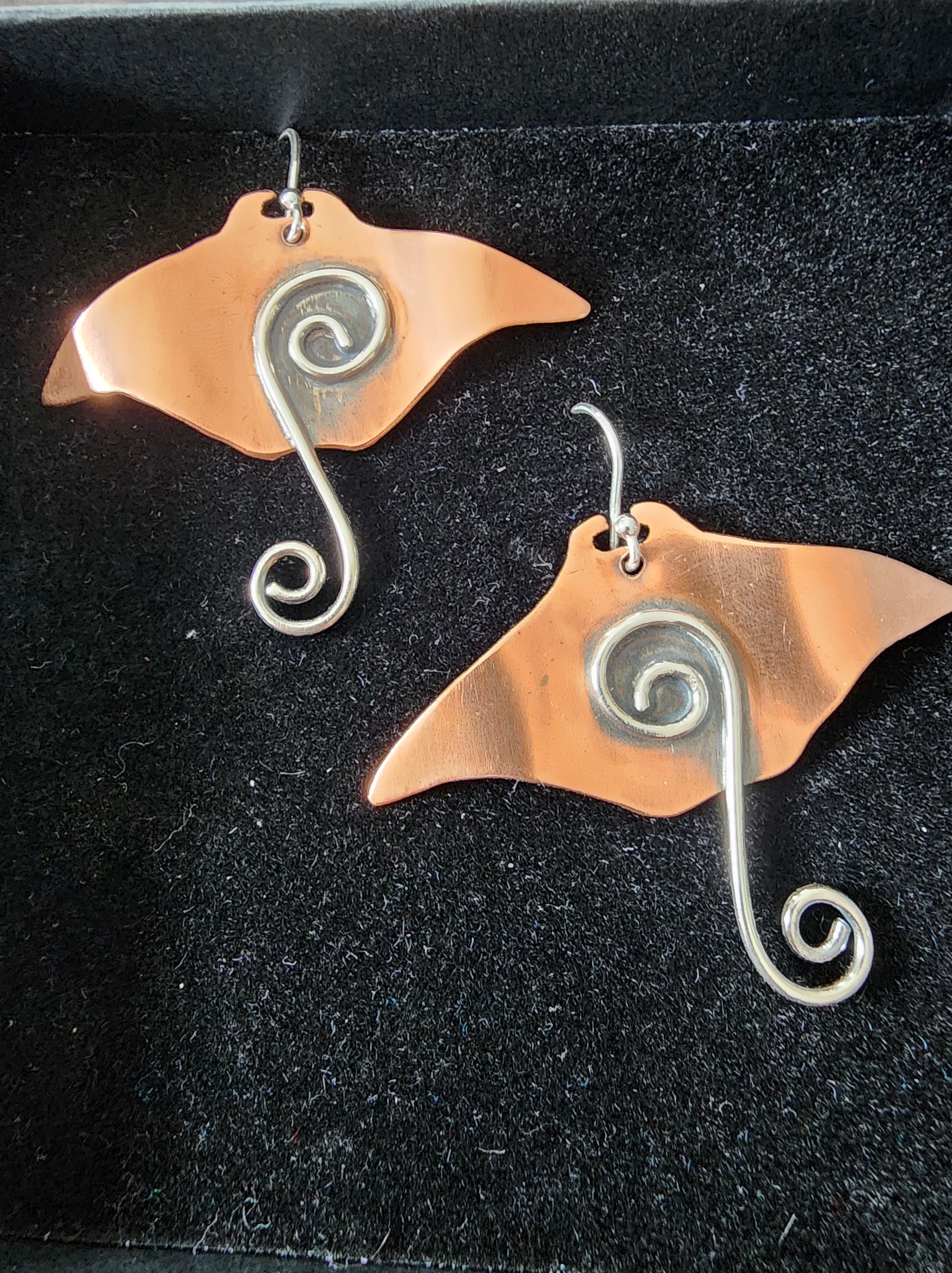
My new earrings
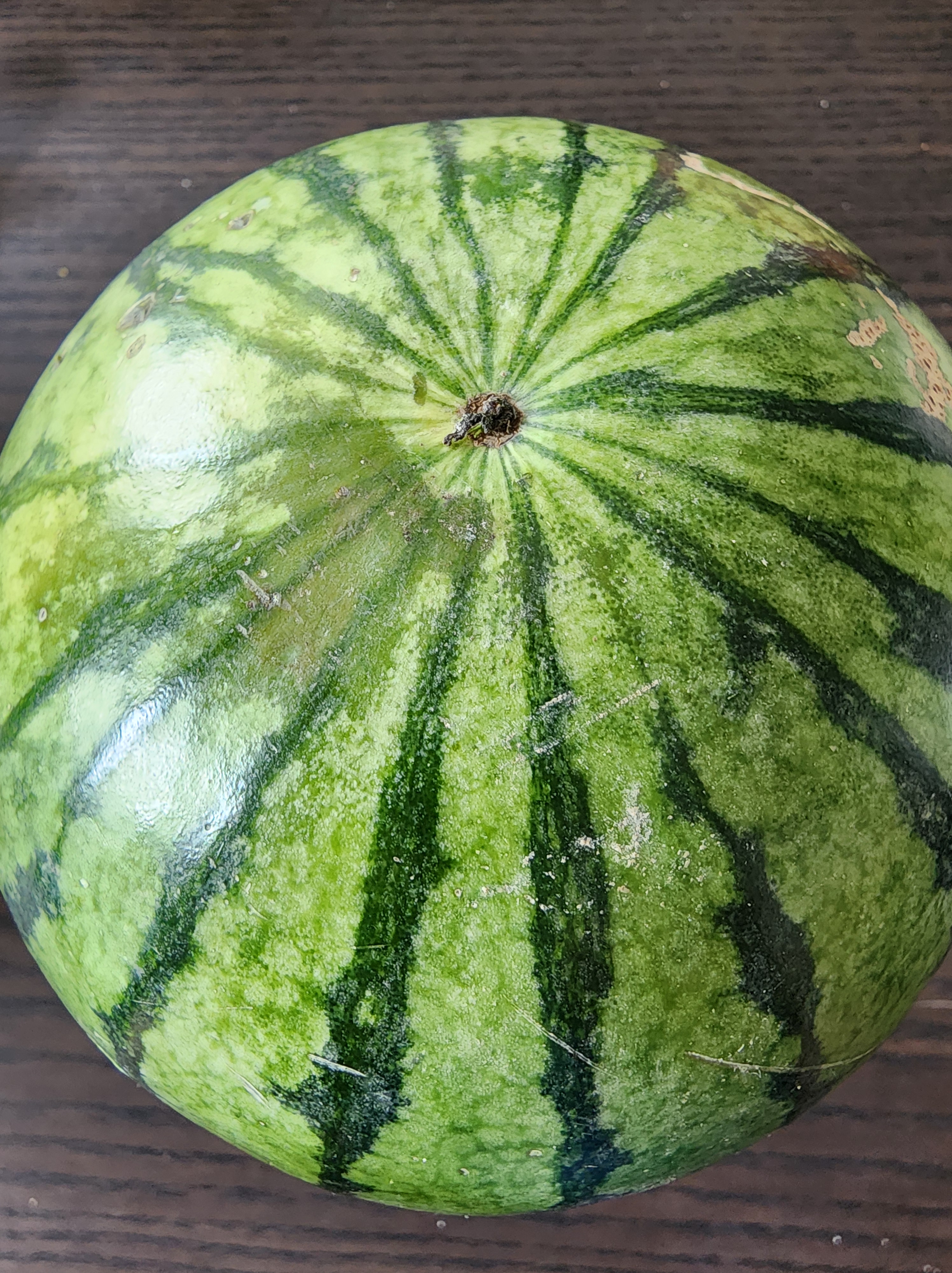
Everyone needs their own personal watermelon.
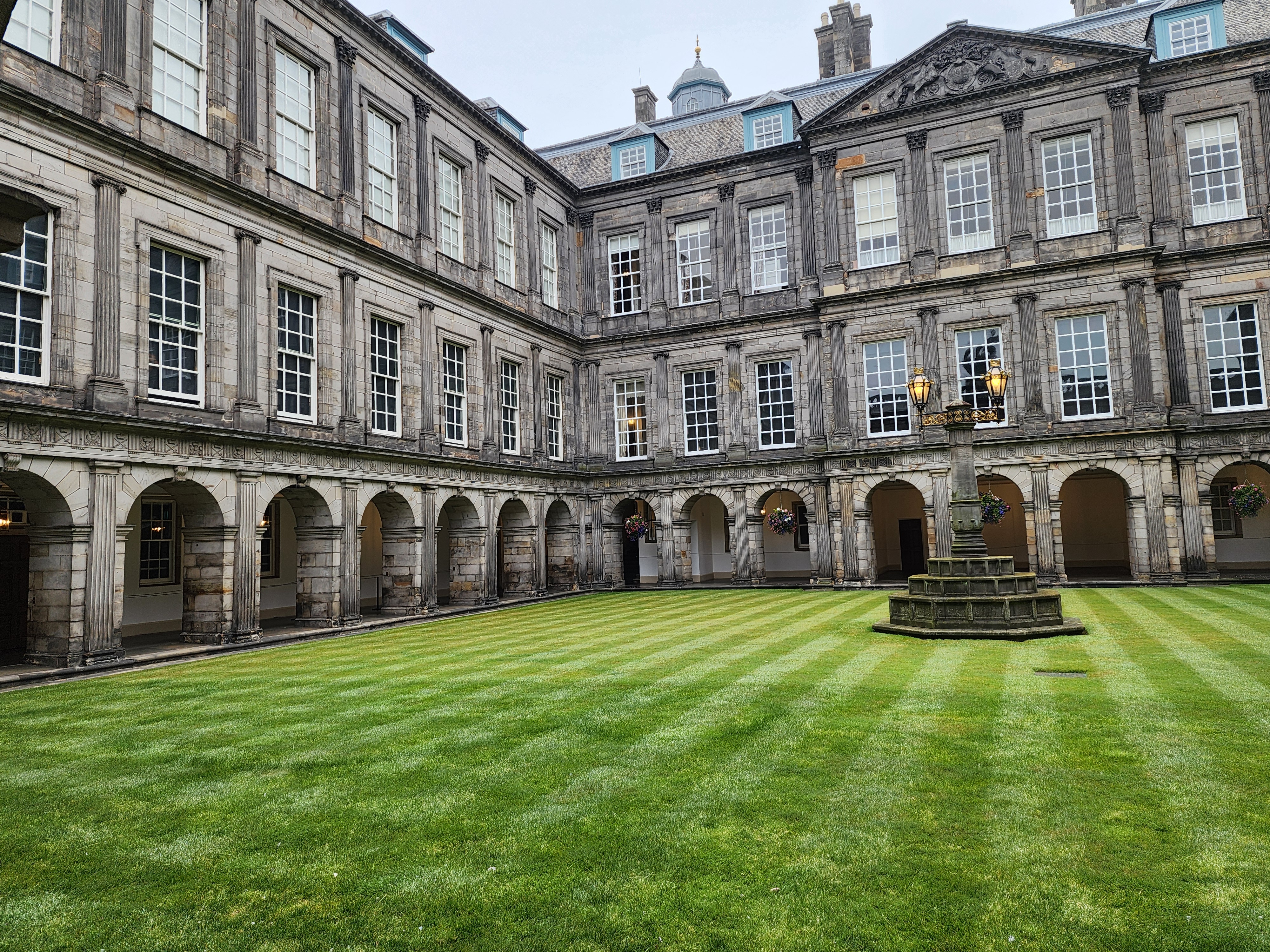
The inner courtyard at the Palace
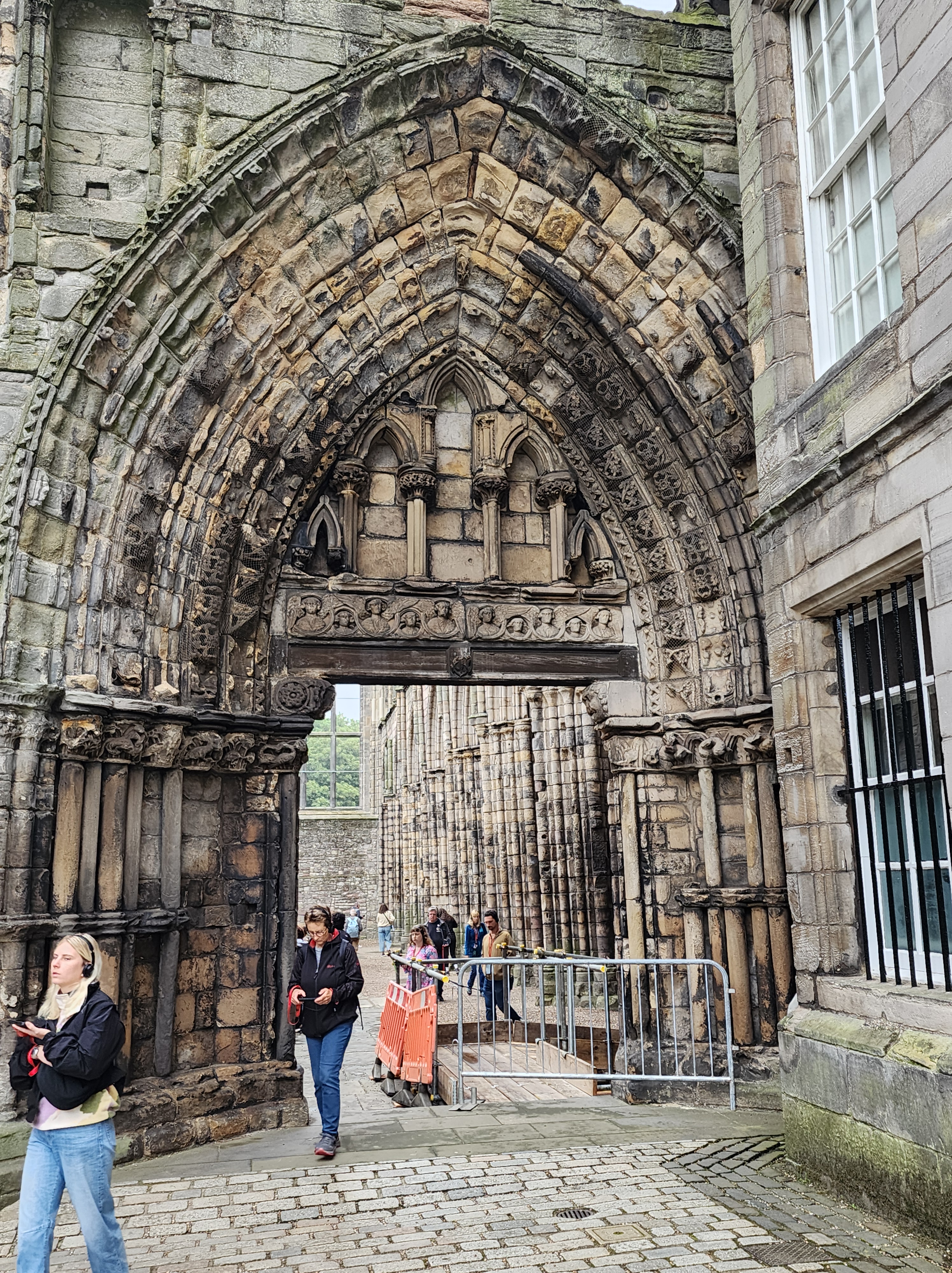
Entrance to Holyrood Abbey ruins
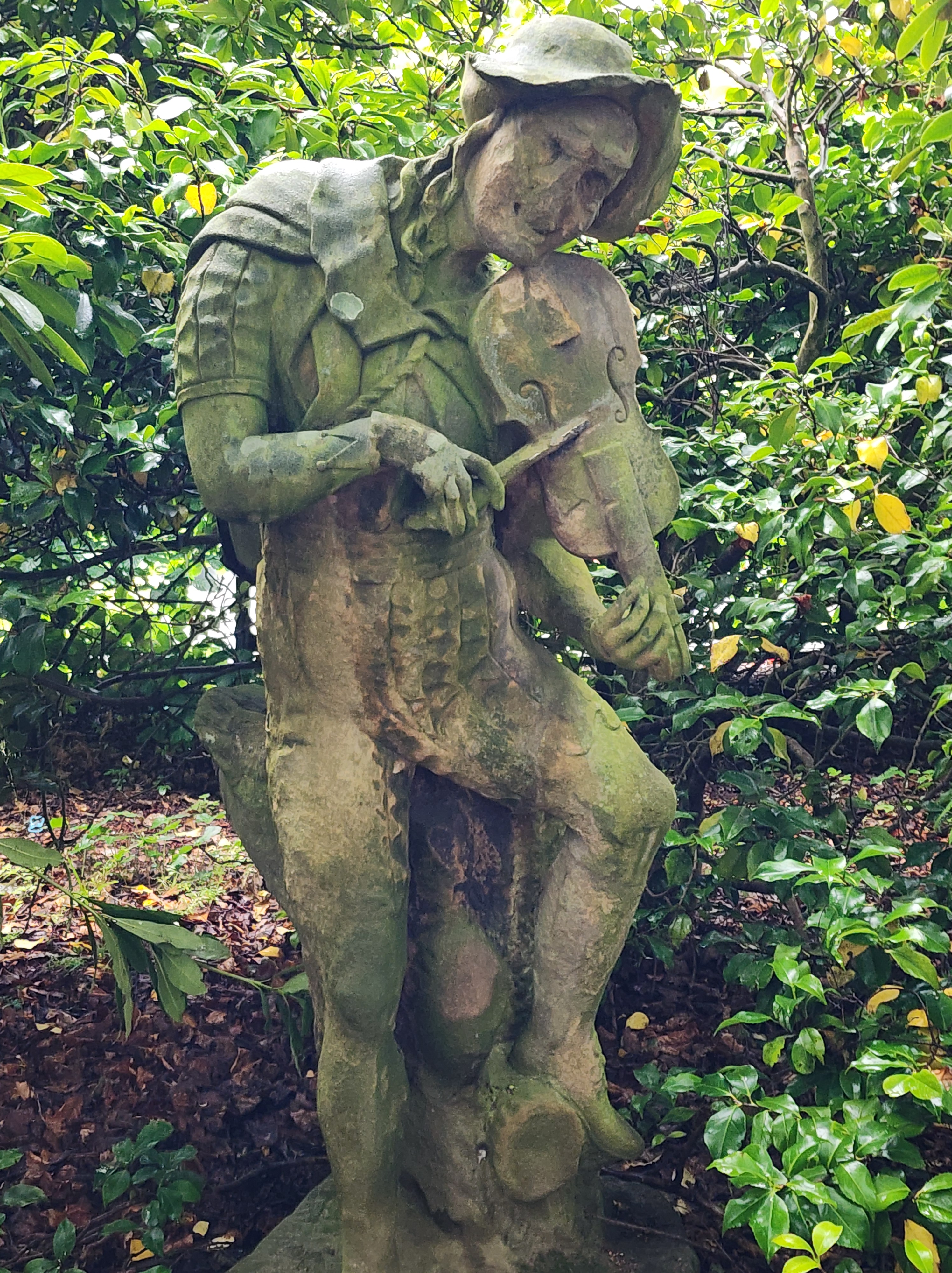
The Holyrood Fiddler

The Abbey ruins
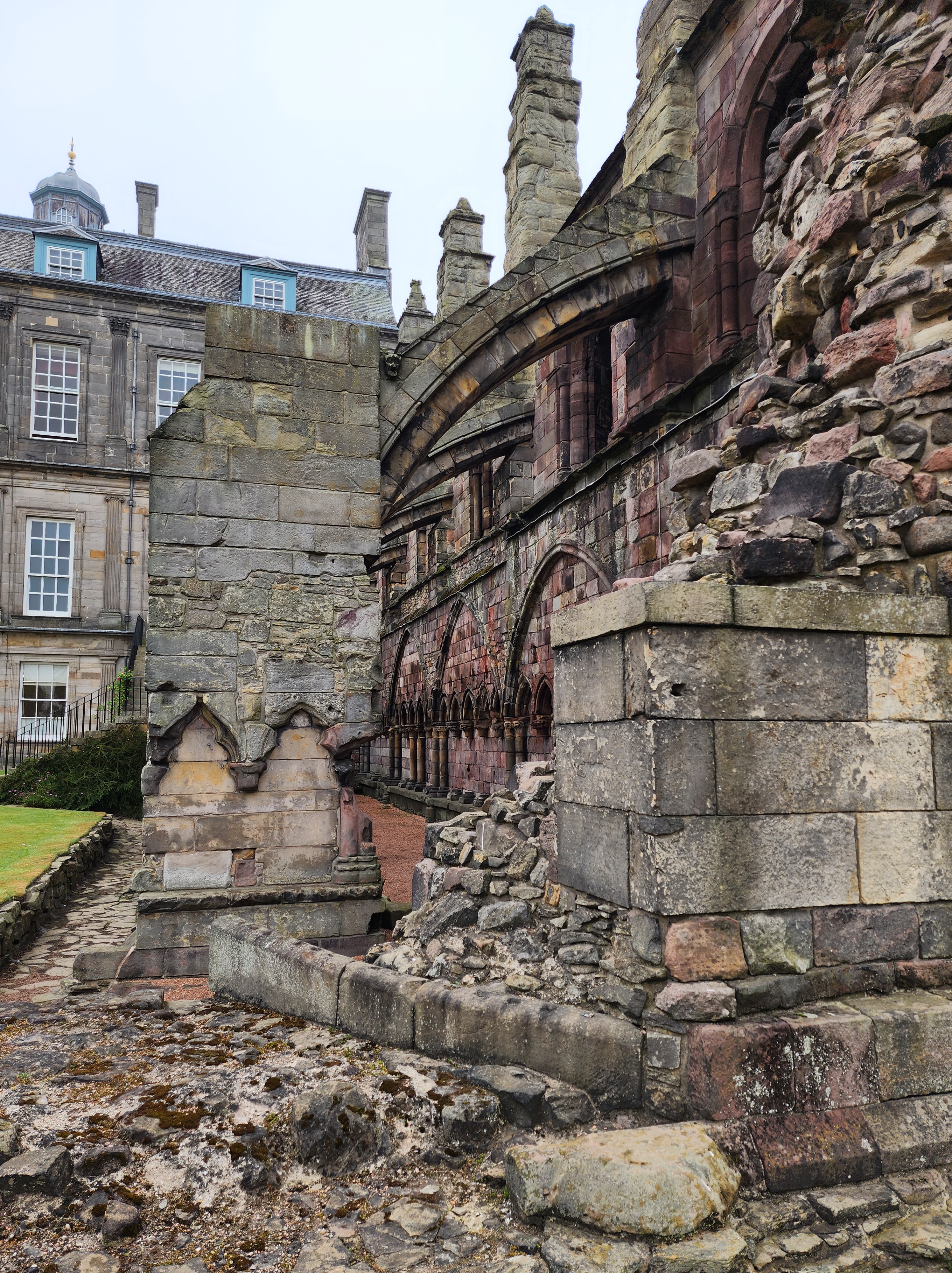
Outside the Abbey ruins, some flying buttresses
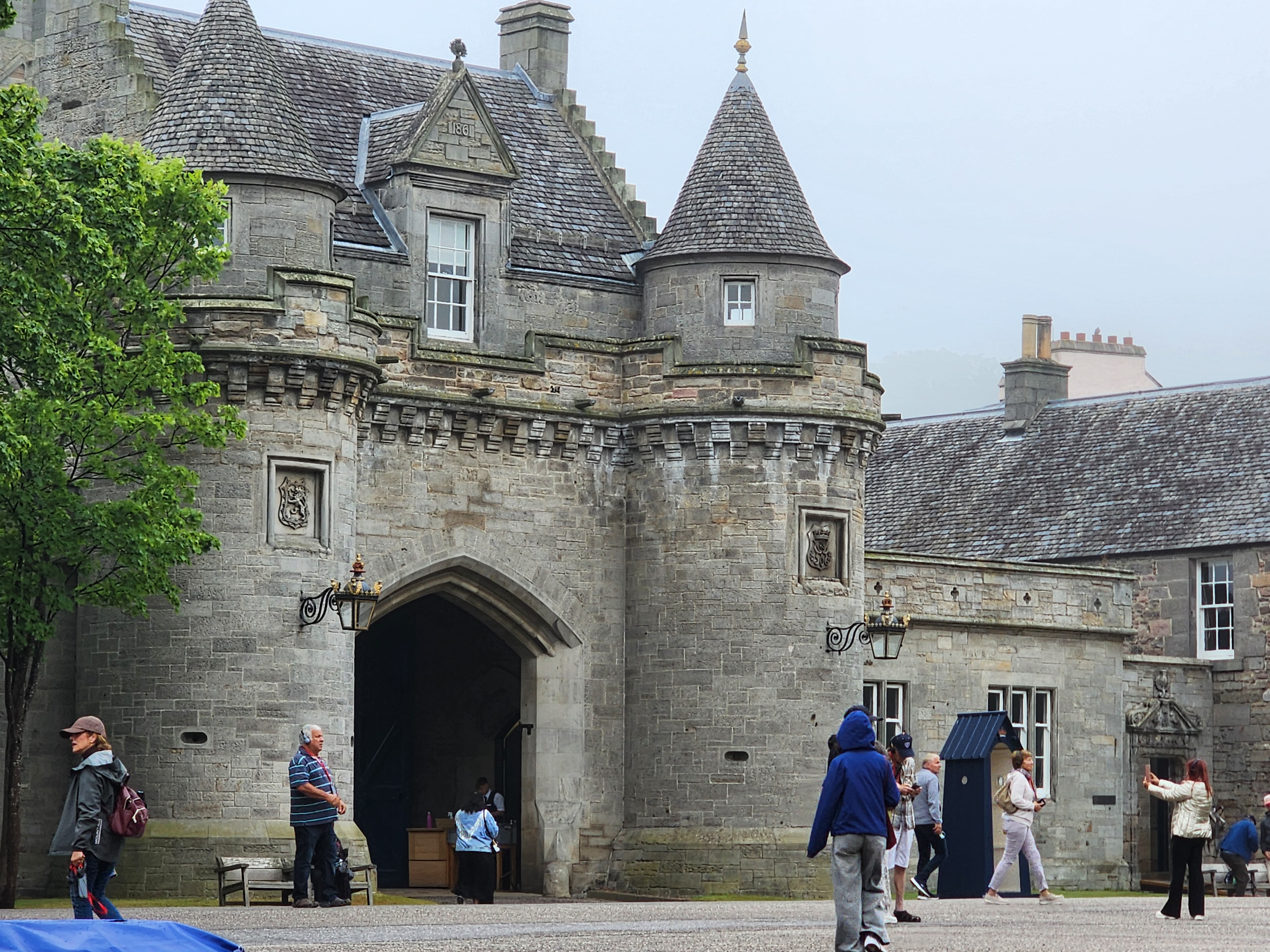
Entrance to the outer courtyard of Holyrood
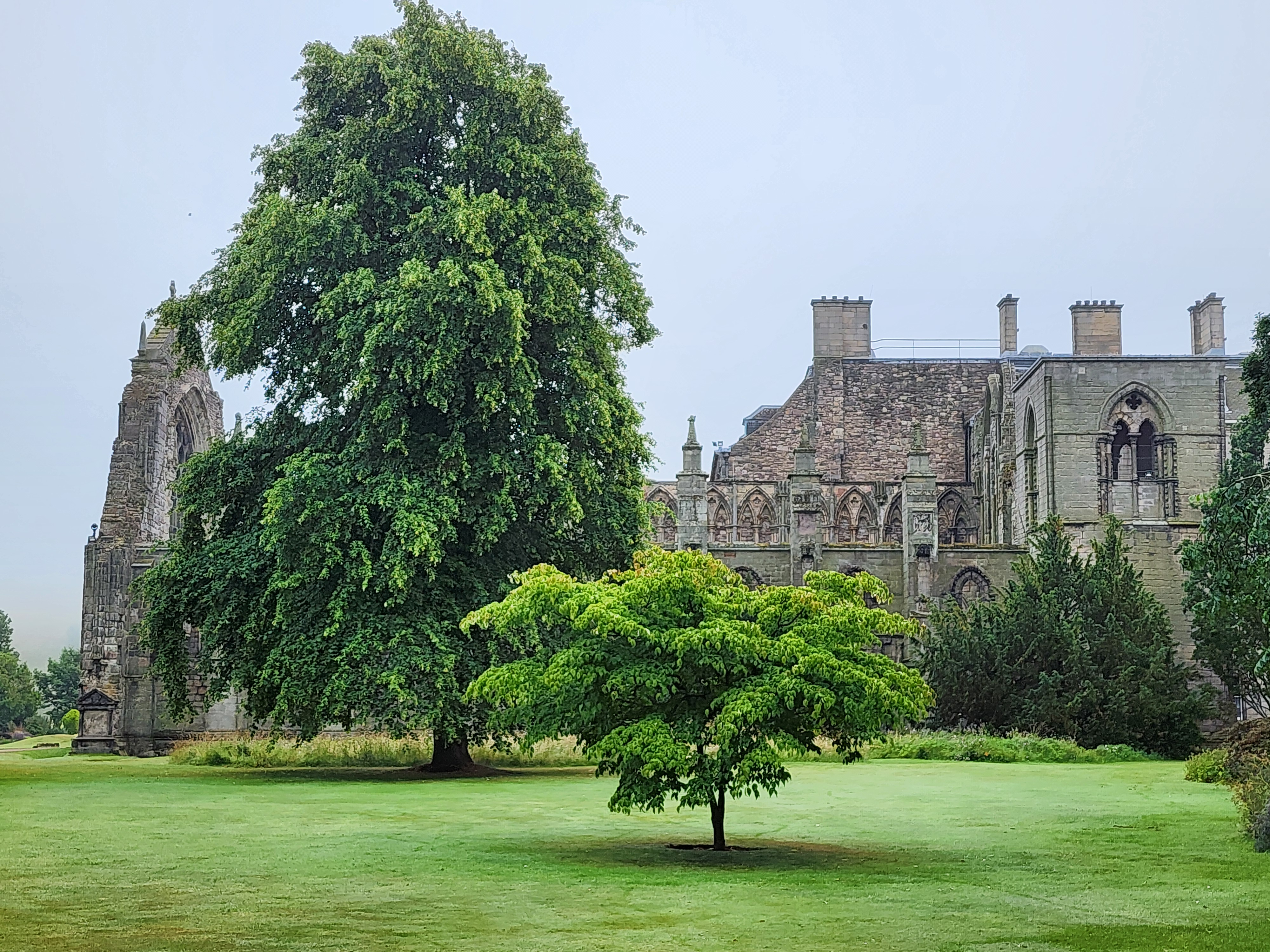
Abbey ruins
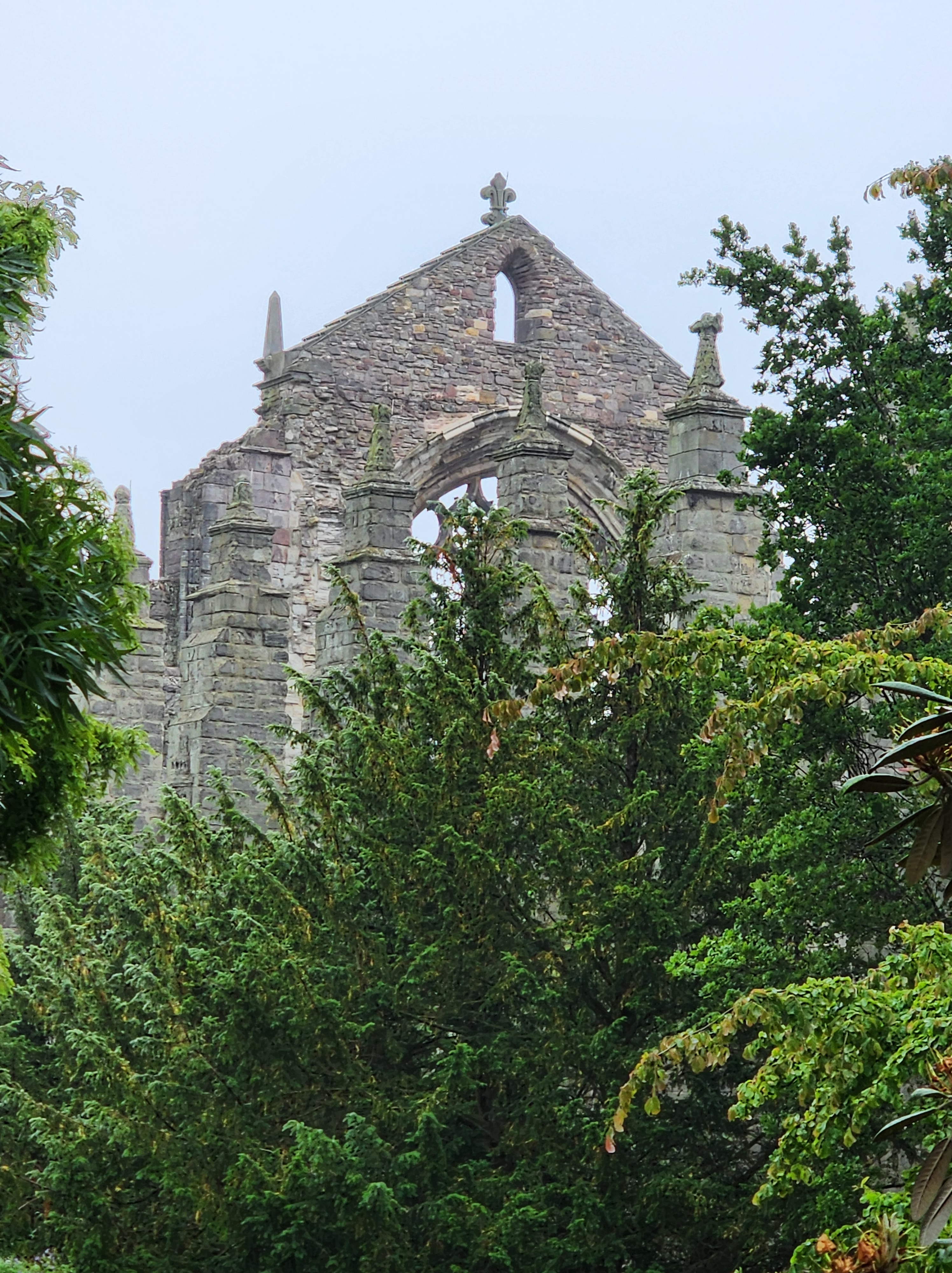
Abbey ruins
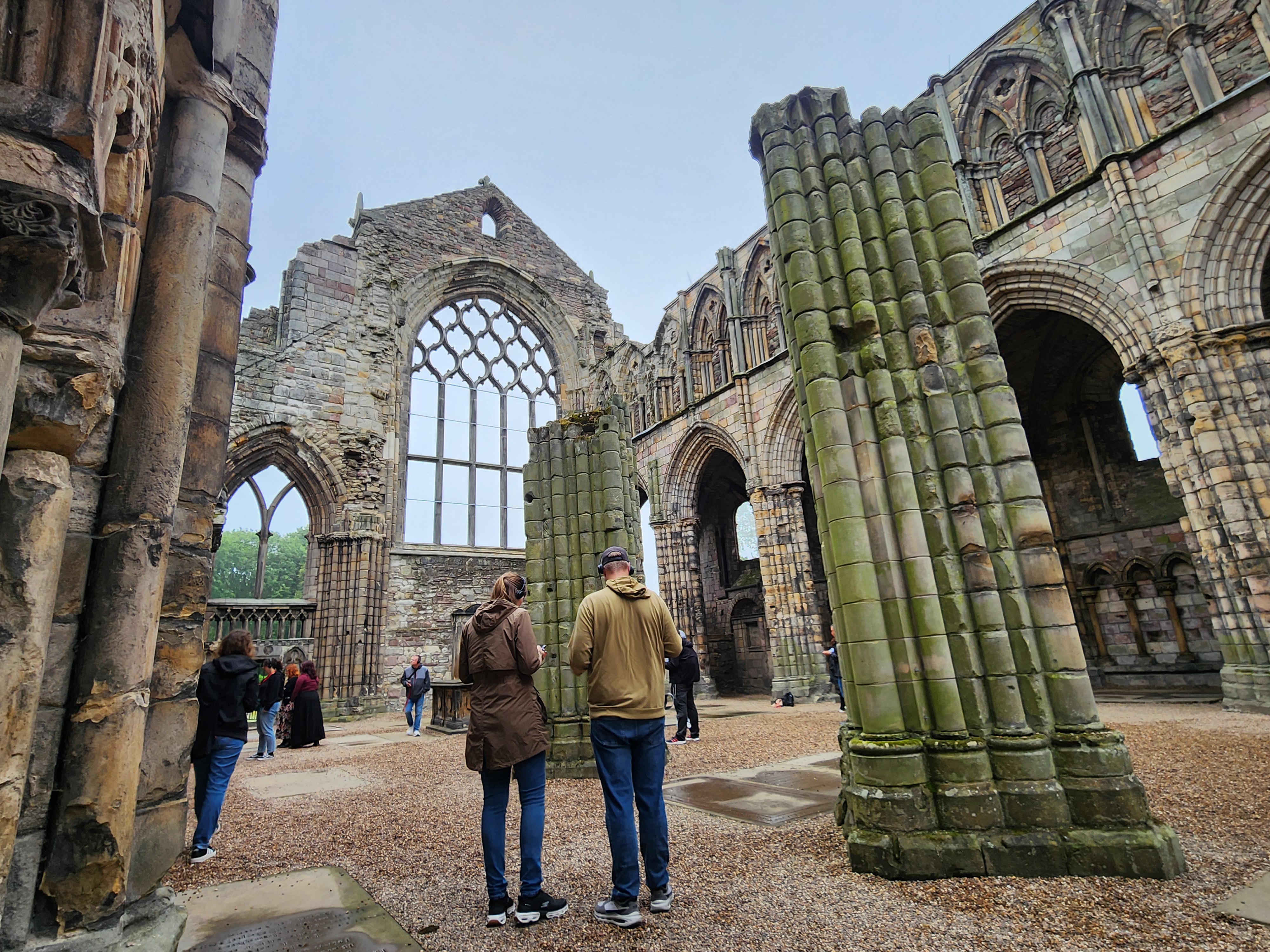
Inside the Abbey
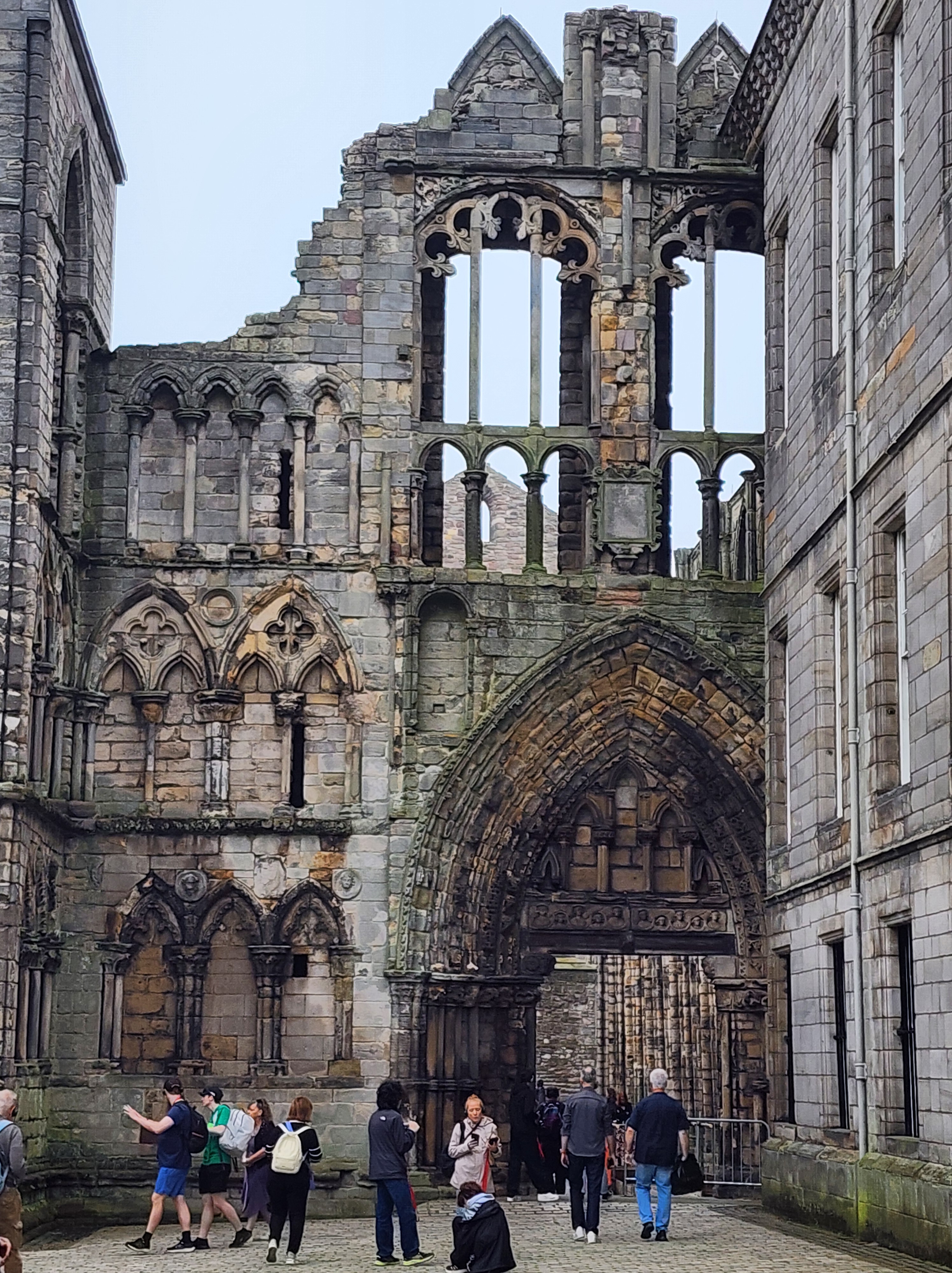
Entrance to the Abbey
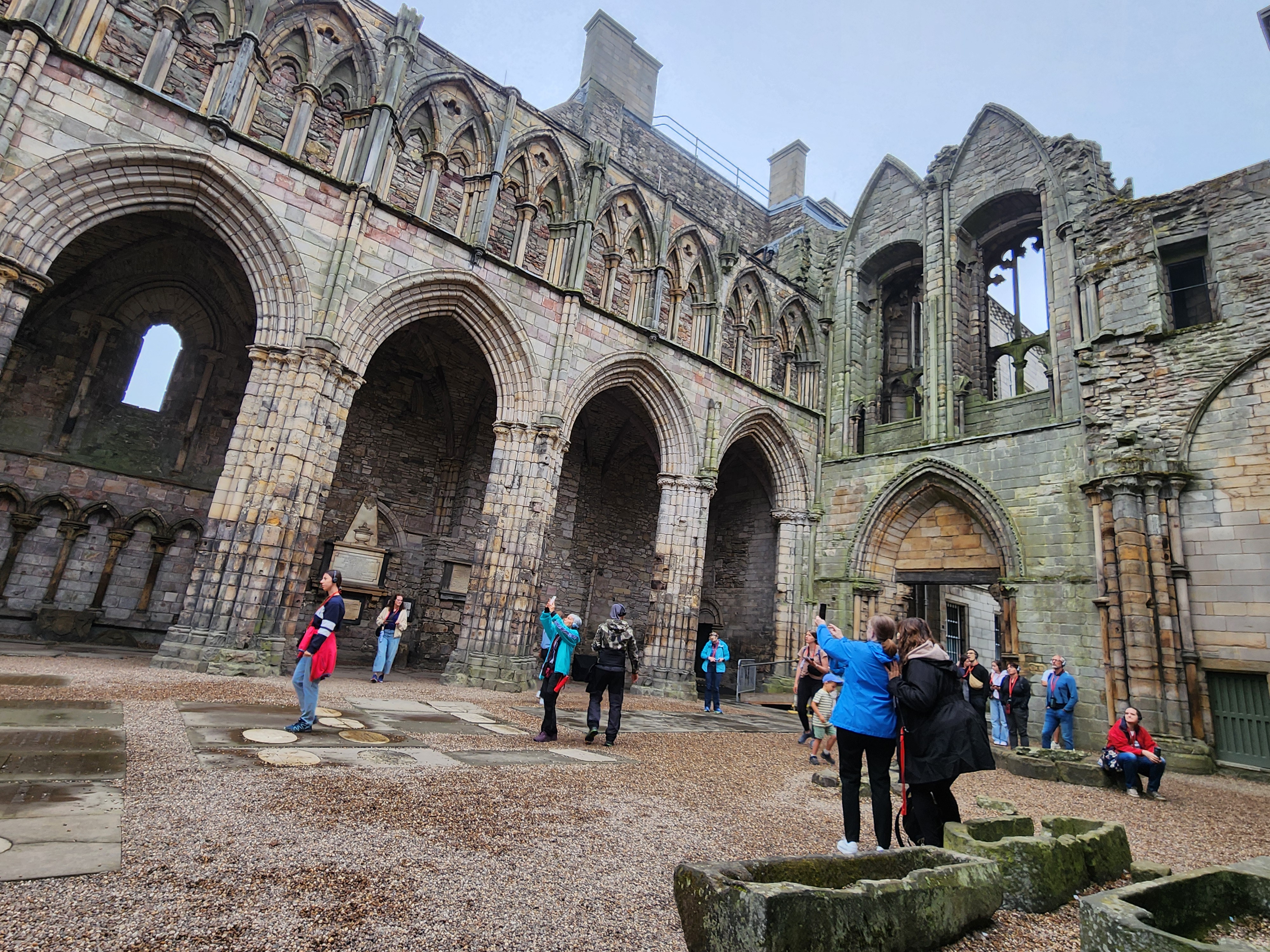
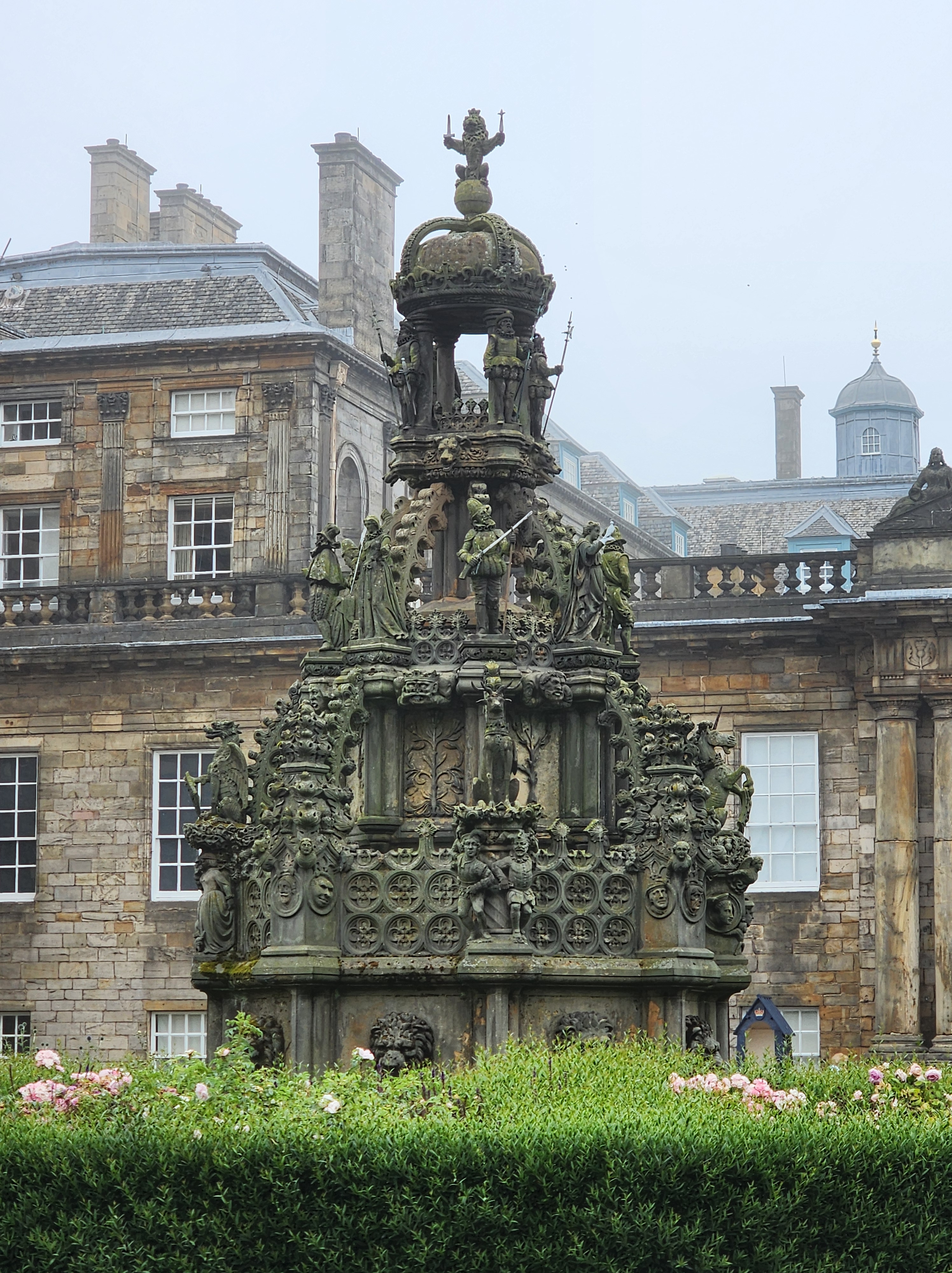
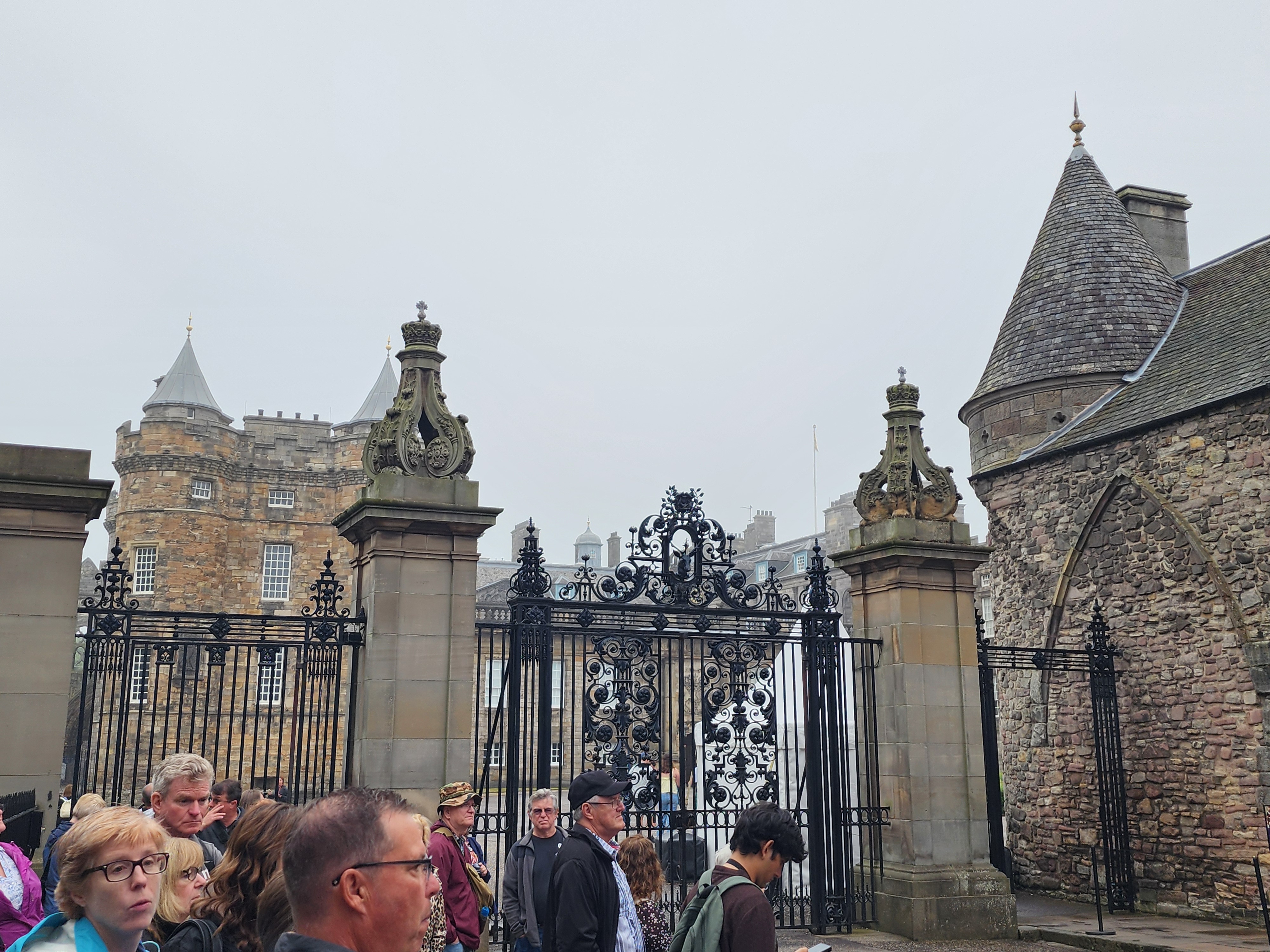
A view outside the gates of Holyrood
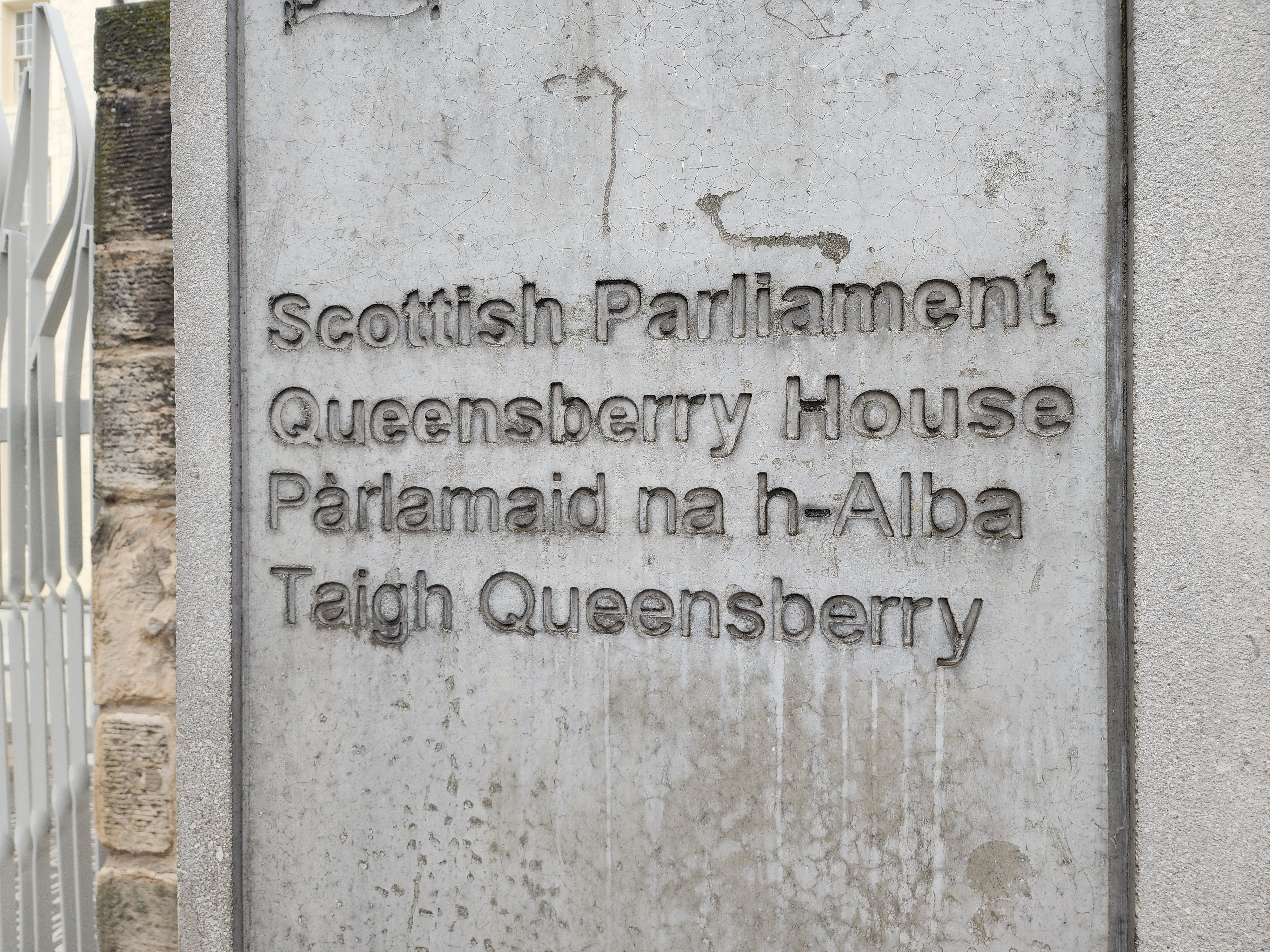
Sign in front of the Parliament
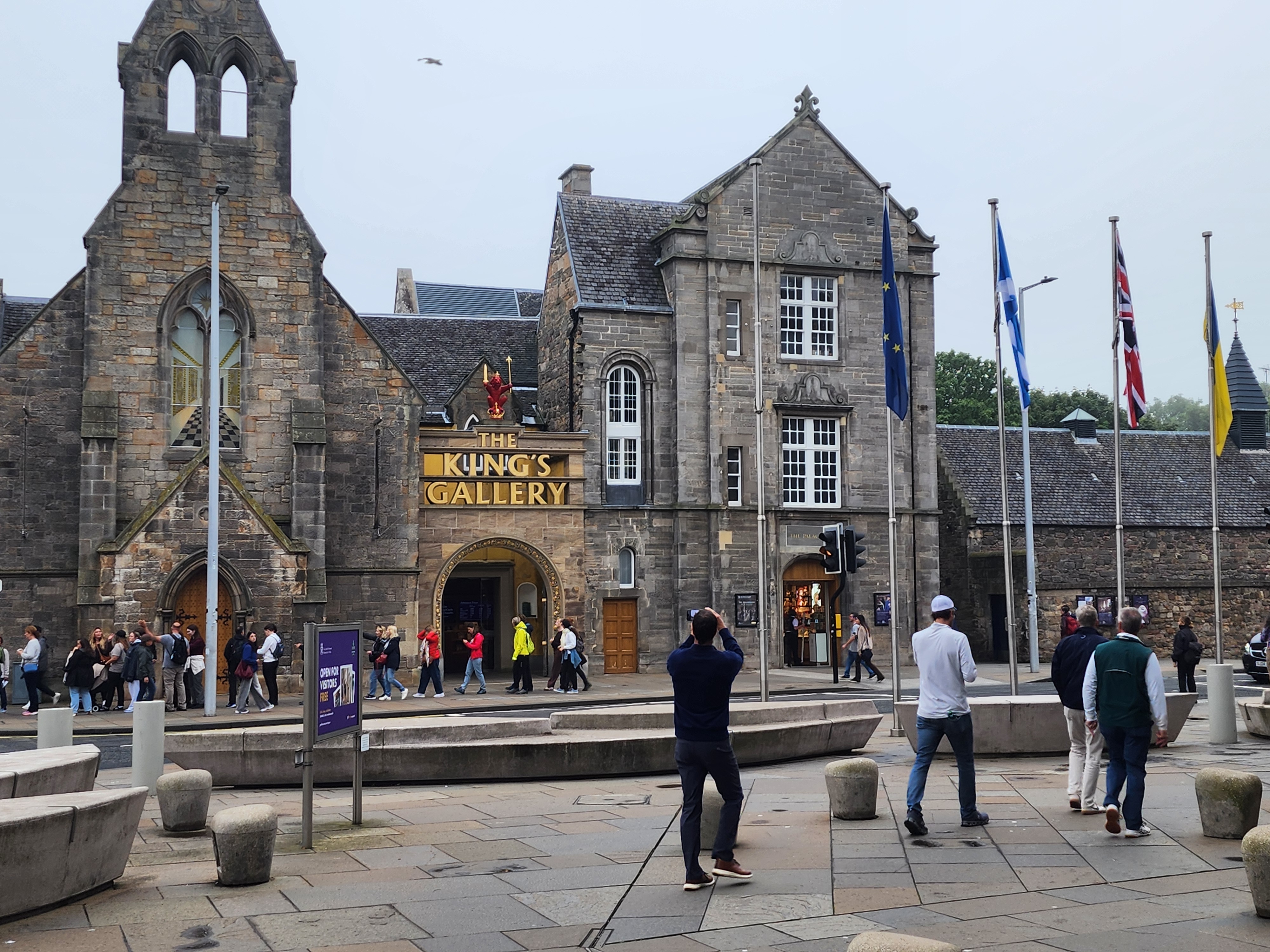
Outside of Holyrood

I’m going to go here at some point.
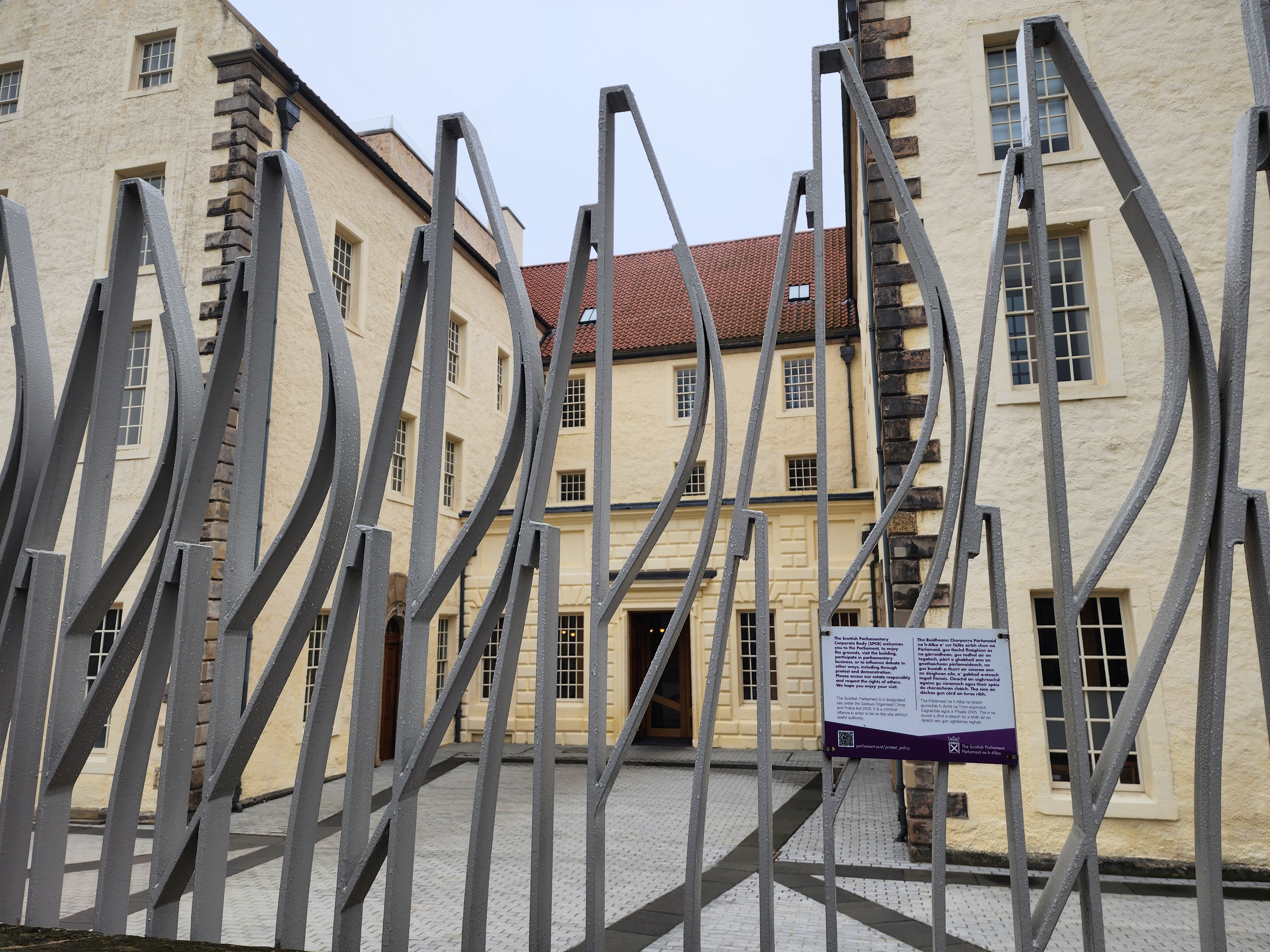
Scottish Parliament outside the gates
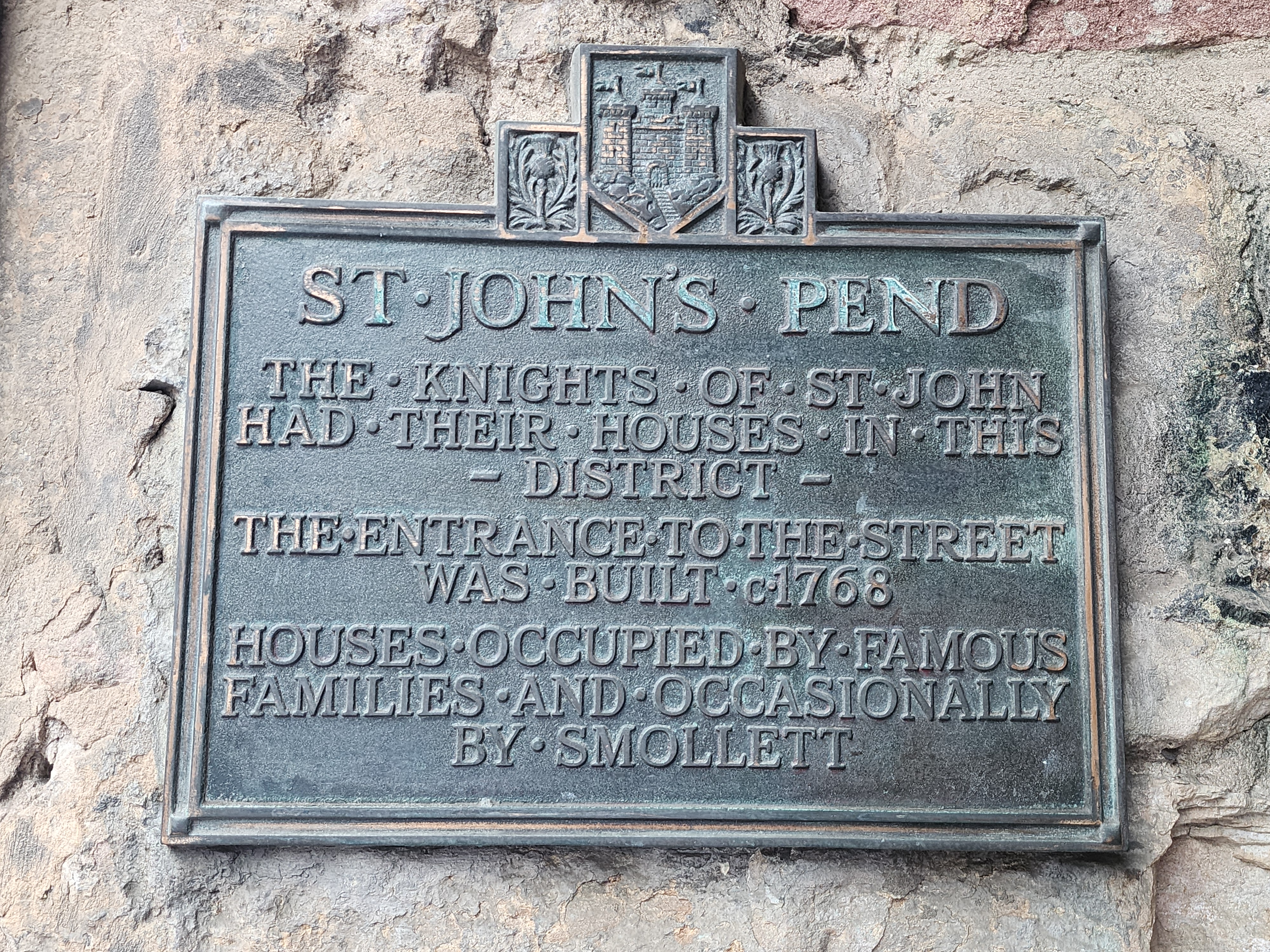
The sign that mentions Smollett
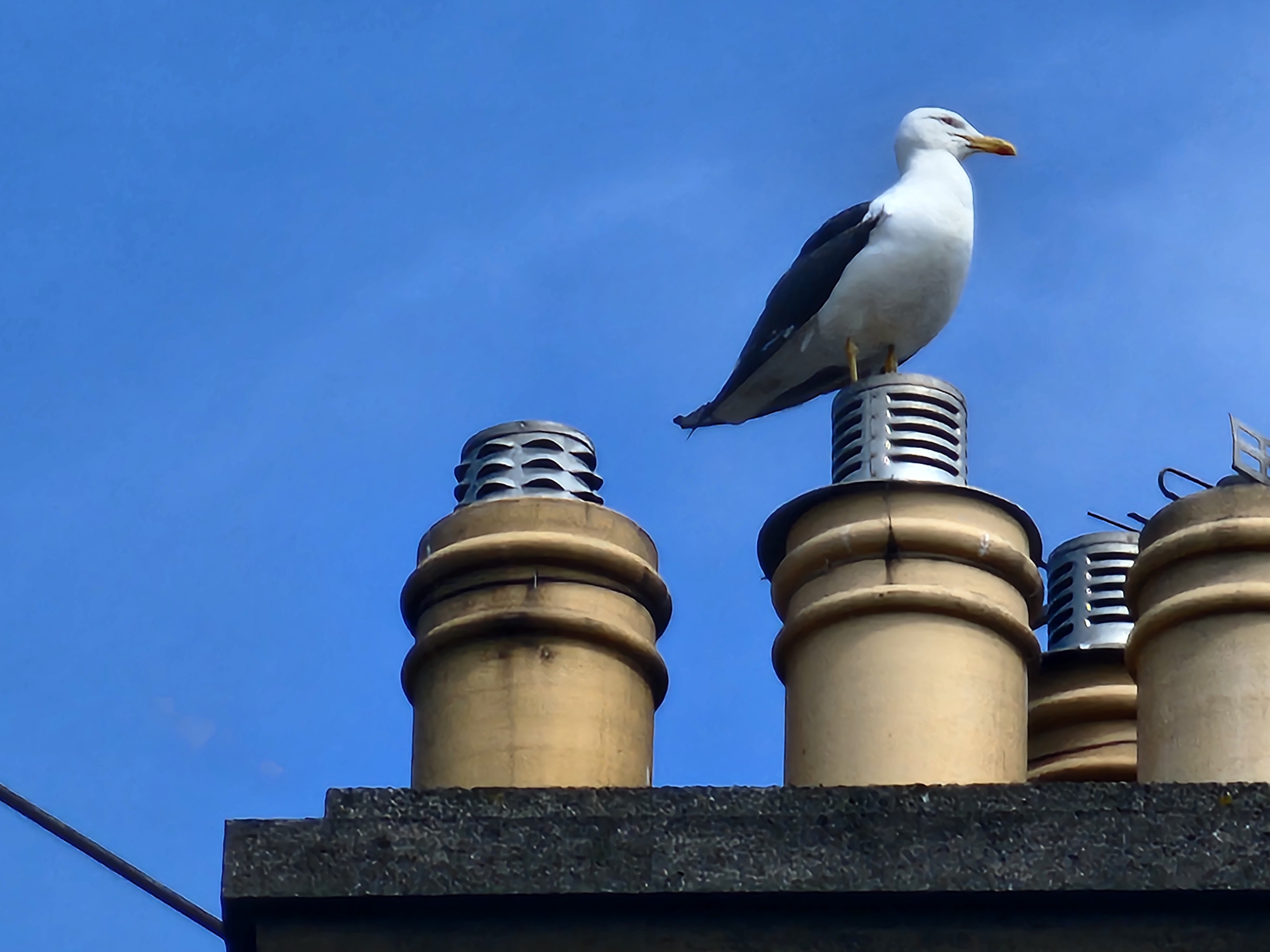
Look at this guy. He thinks he owns the world.
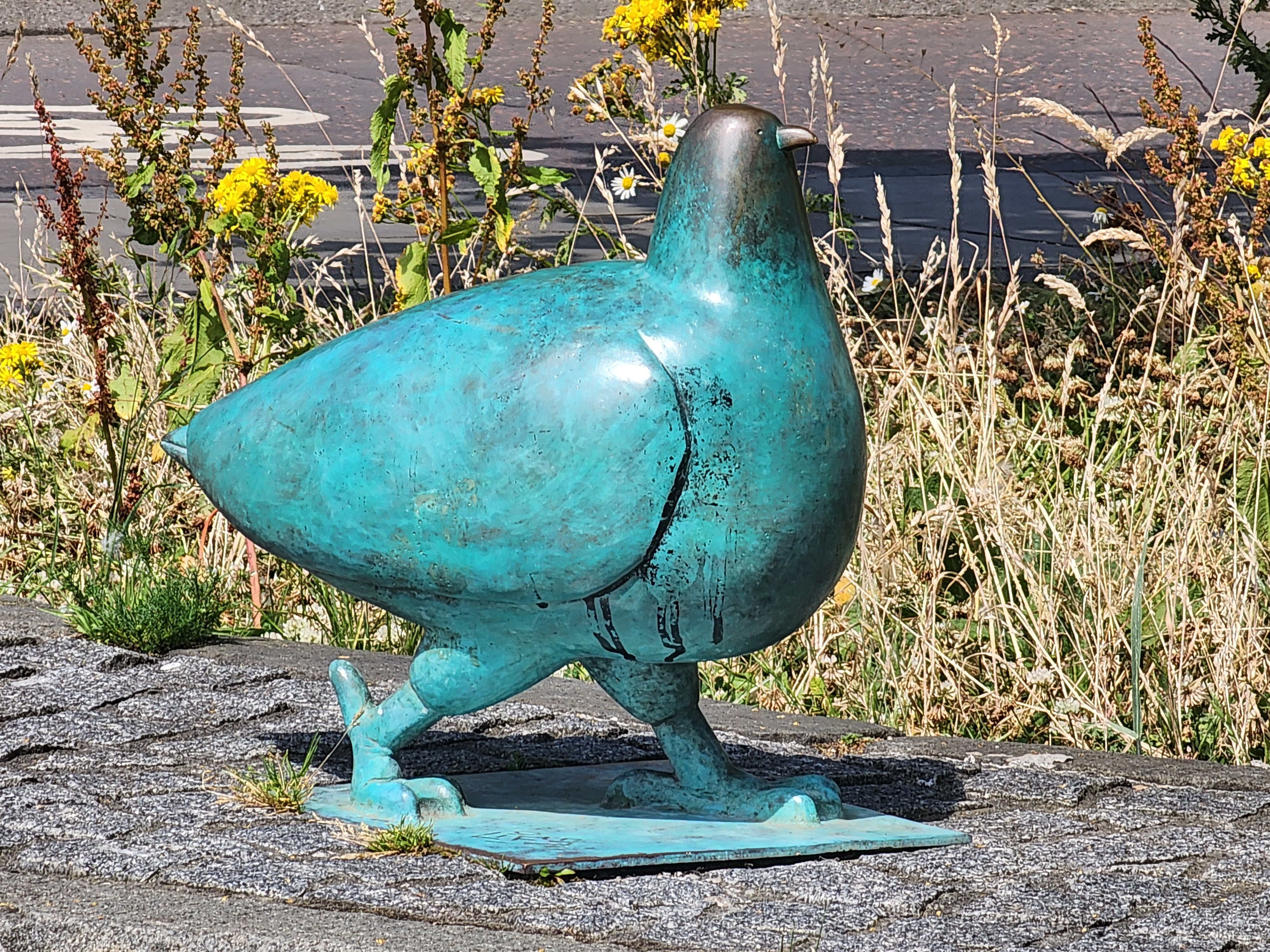
A rando pigeon sculpture I found on Leith Street
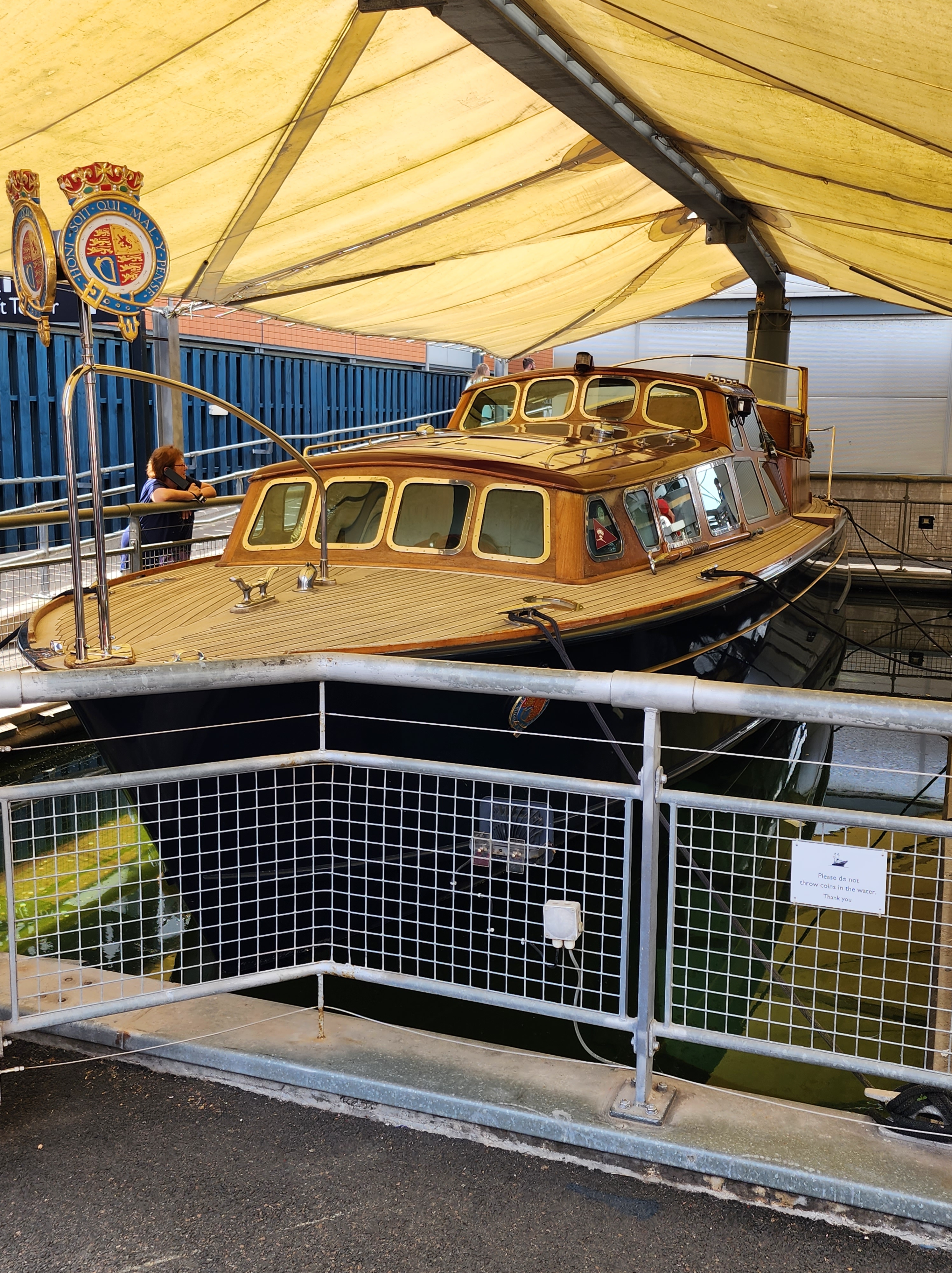
A fancy speedboat
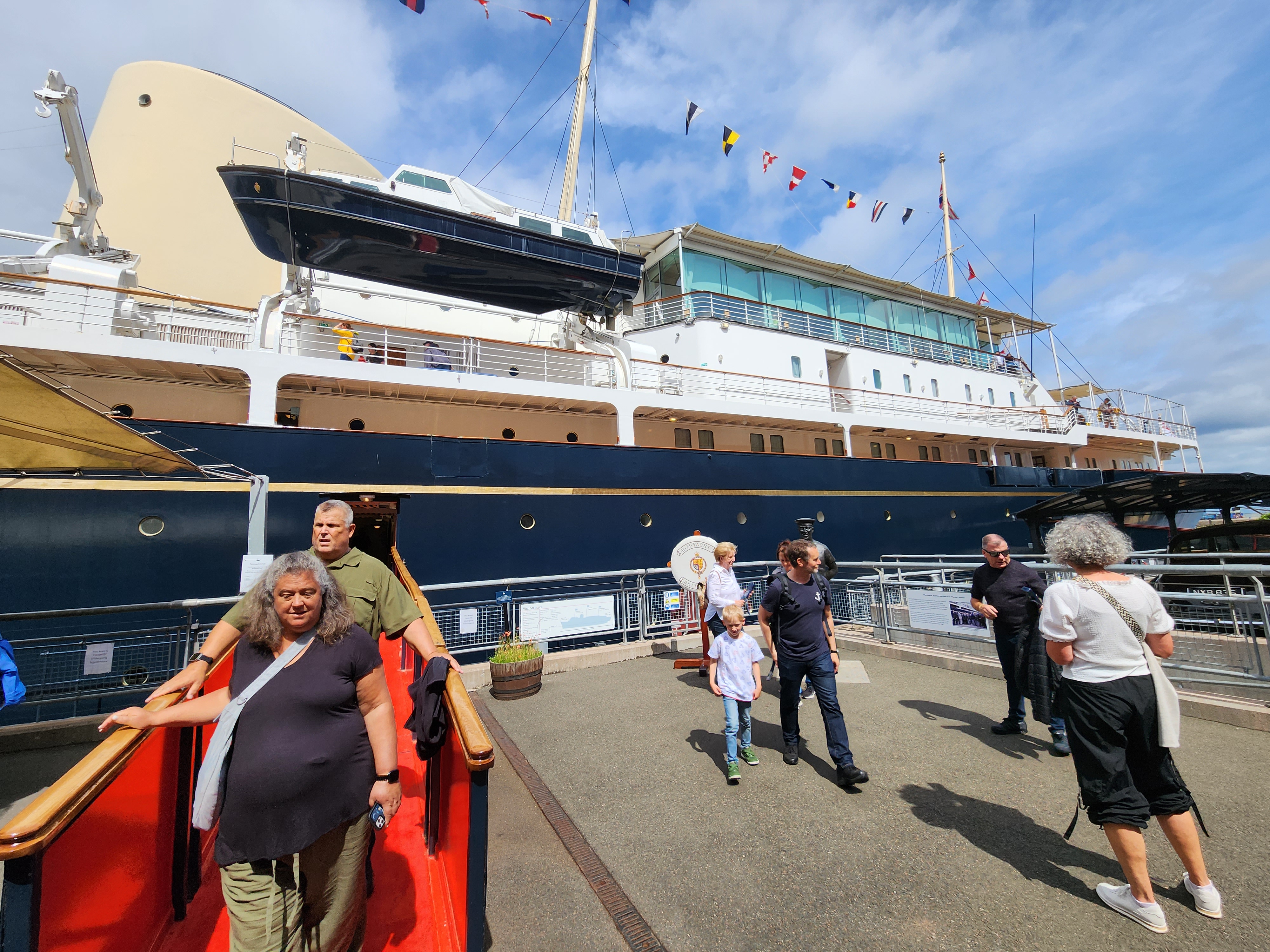
The ship is so long, you can’t get a full picture of it.
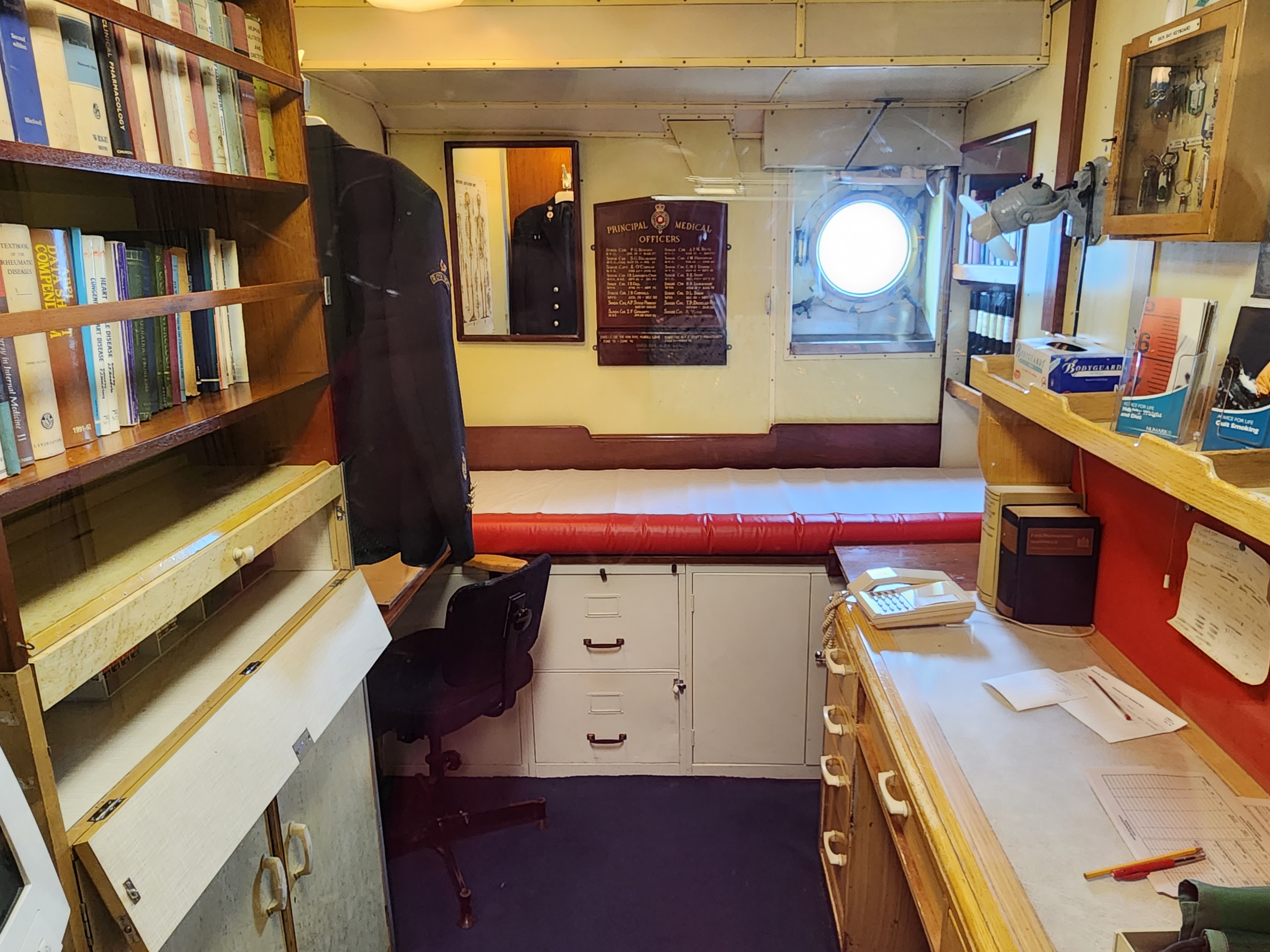
I think this is the ship’s doctor’s desk.
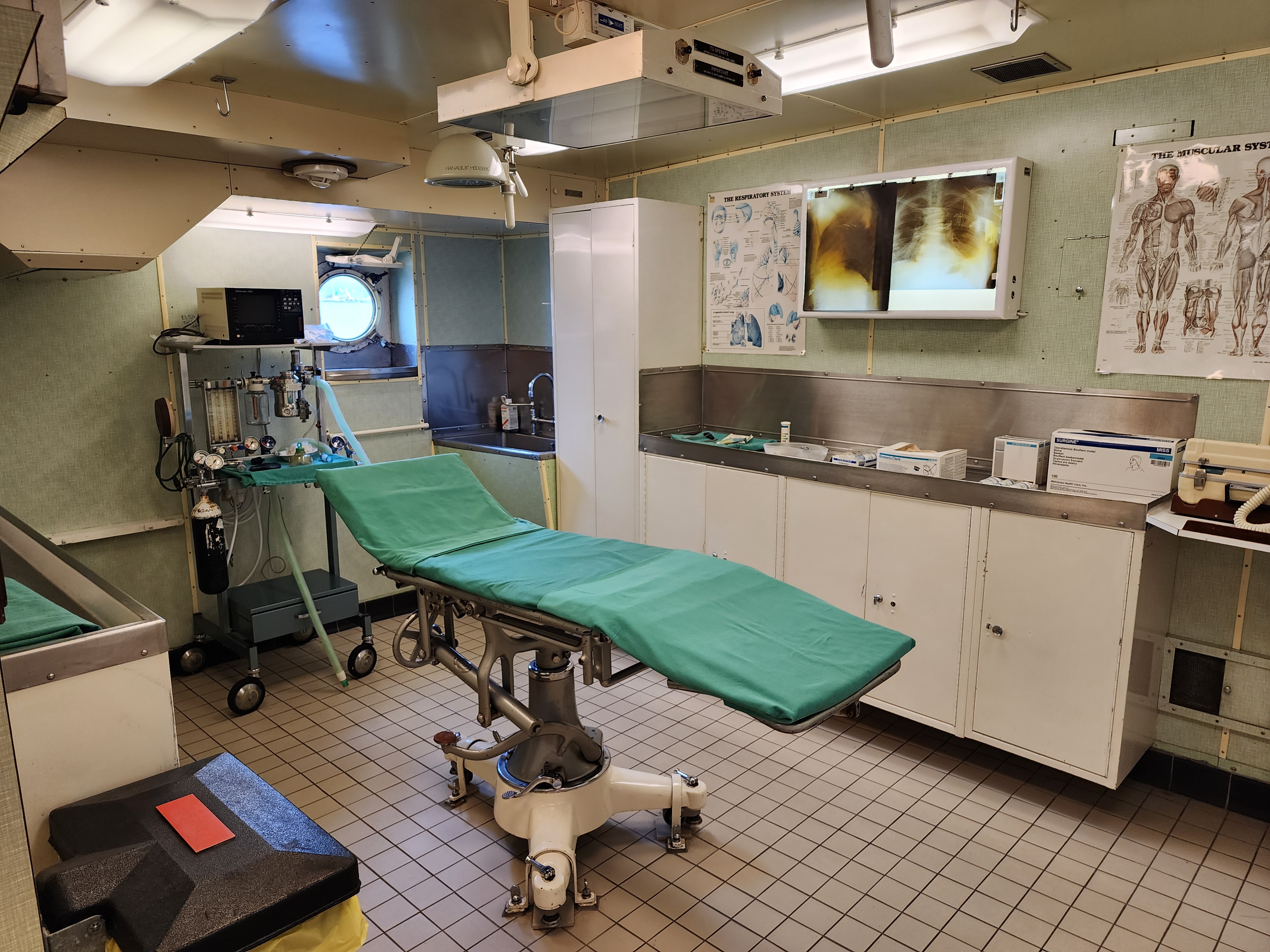
The surgery
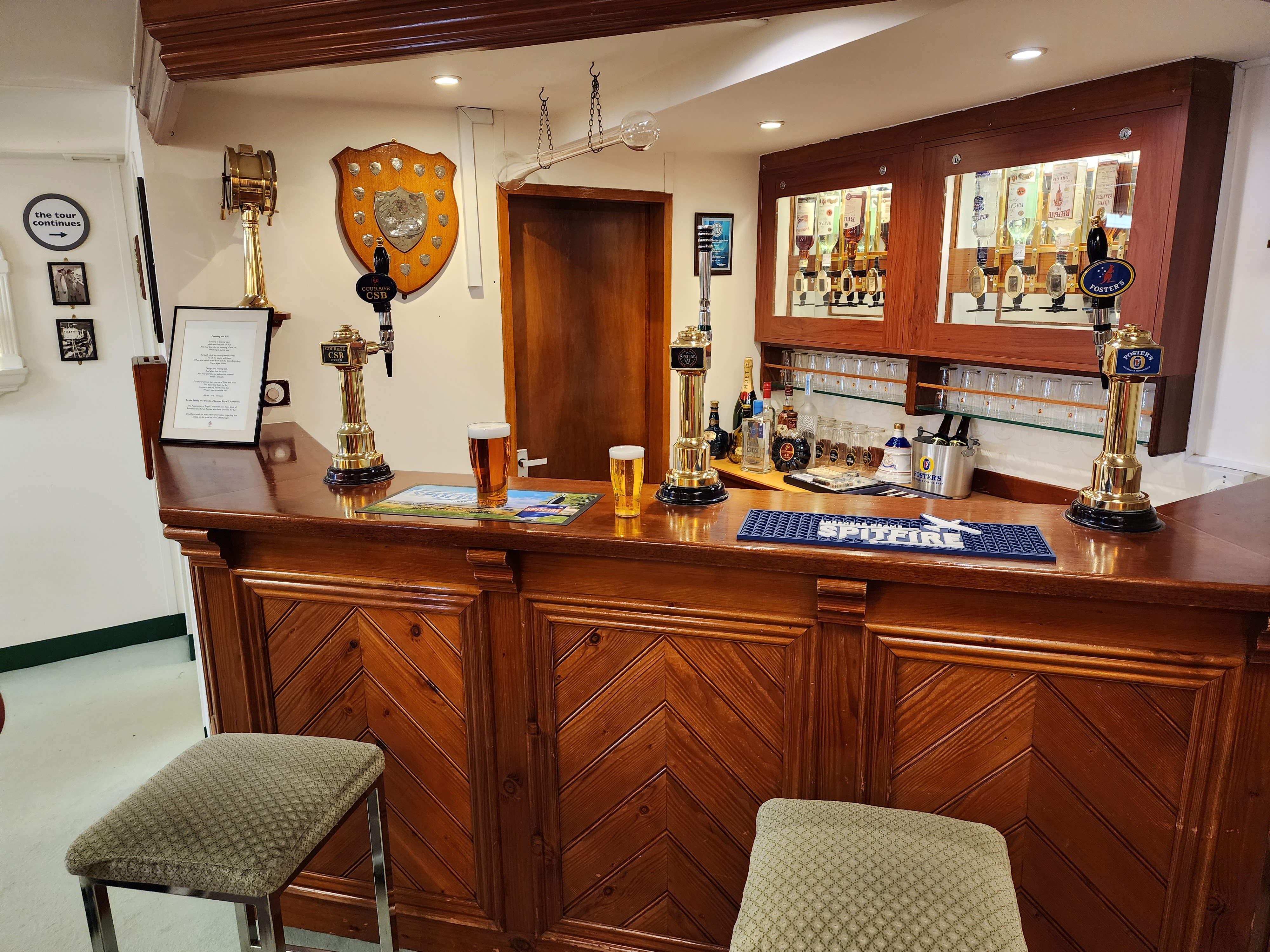
What’s on tap at the Prince’s personal bar?
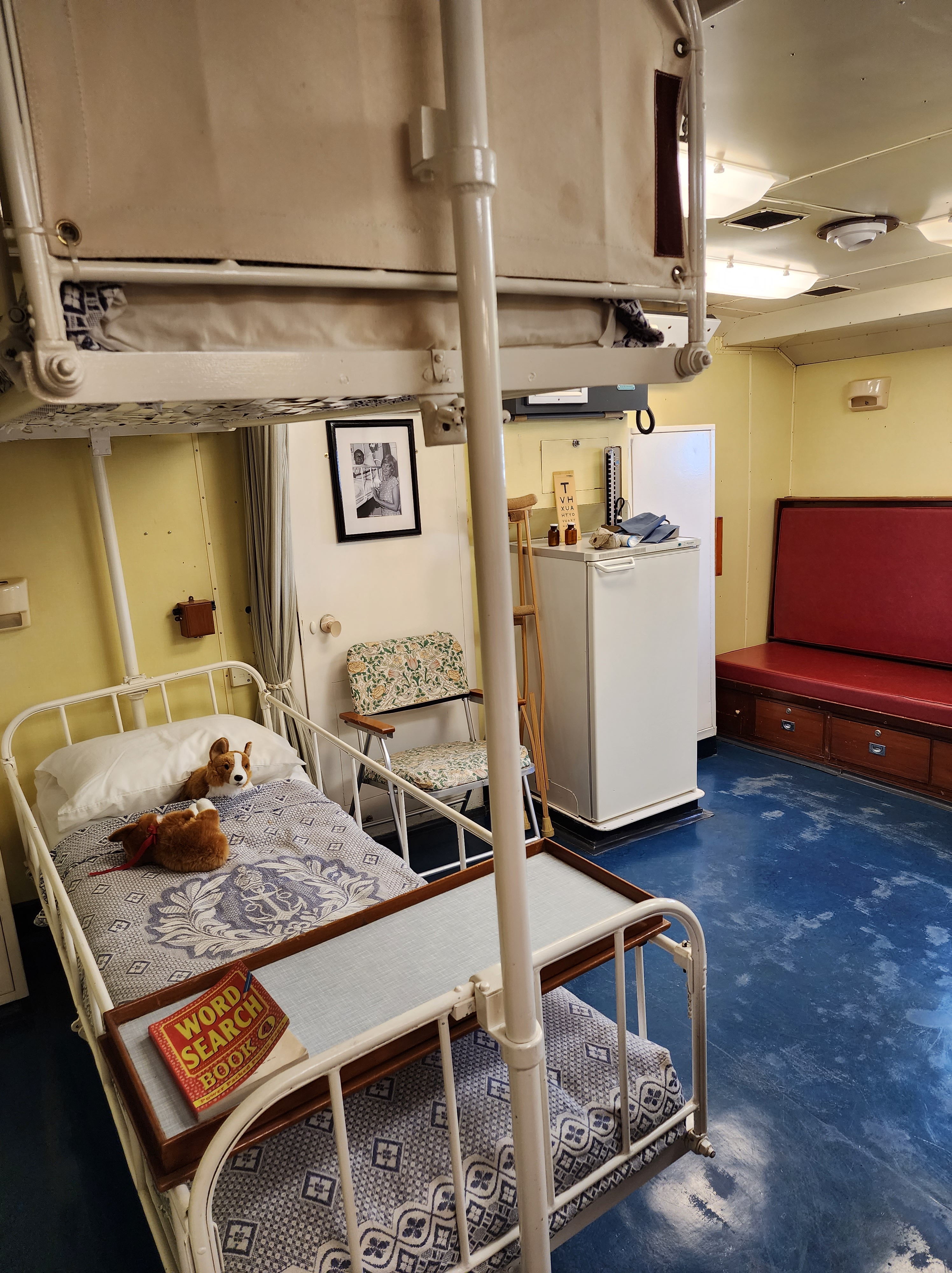
Sick bed in the sickbay
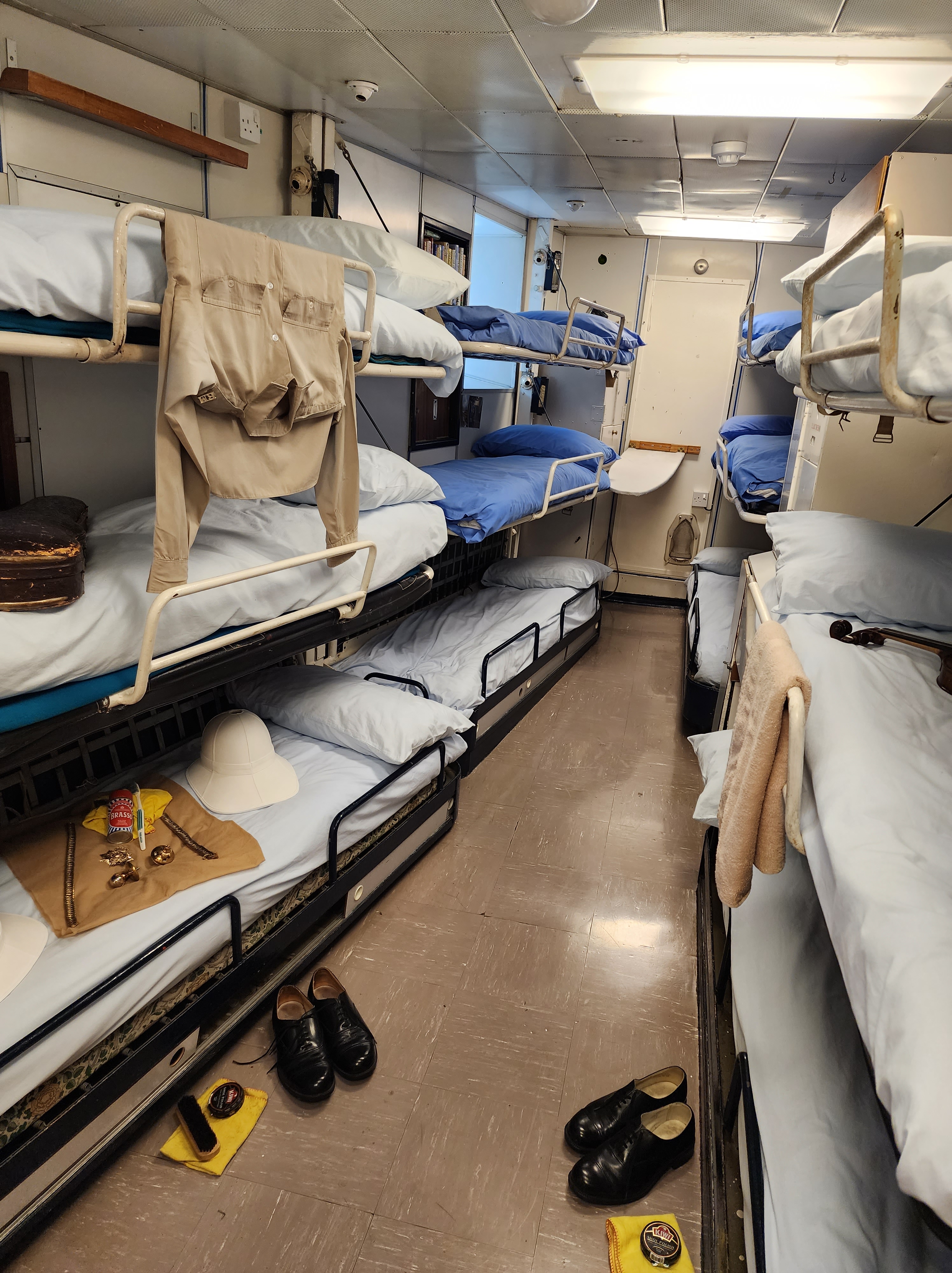
Imagine being a crewmember and having to sleep in those tiny bunks!
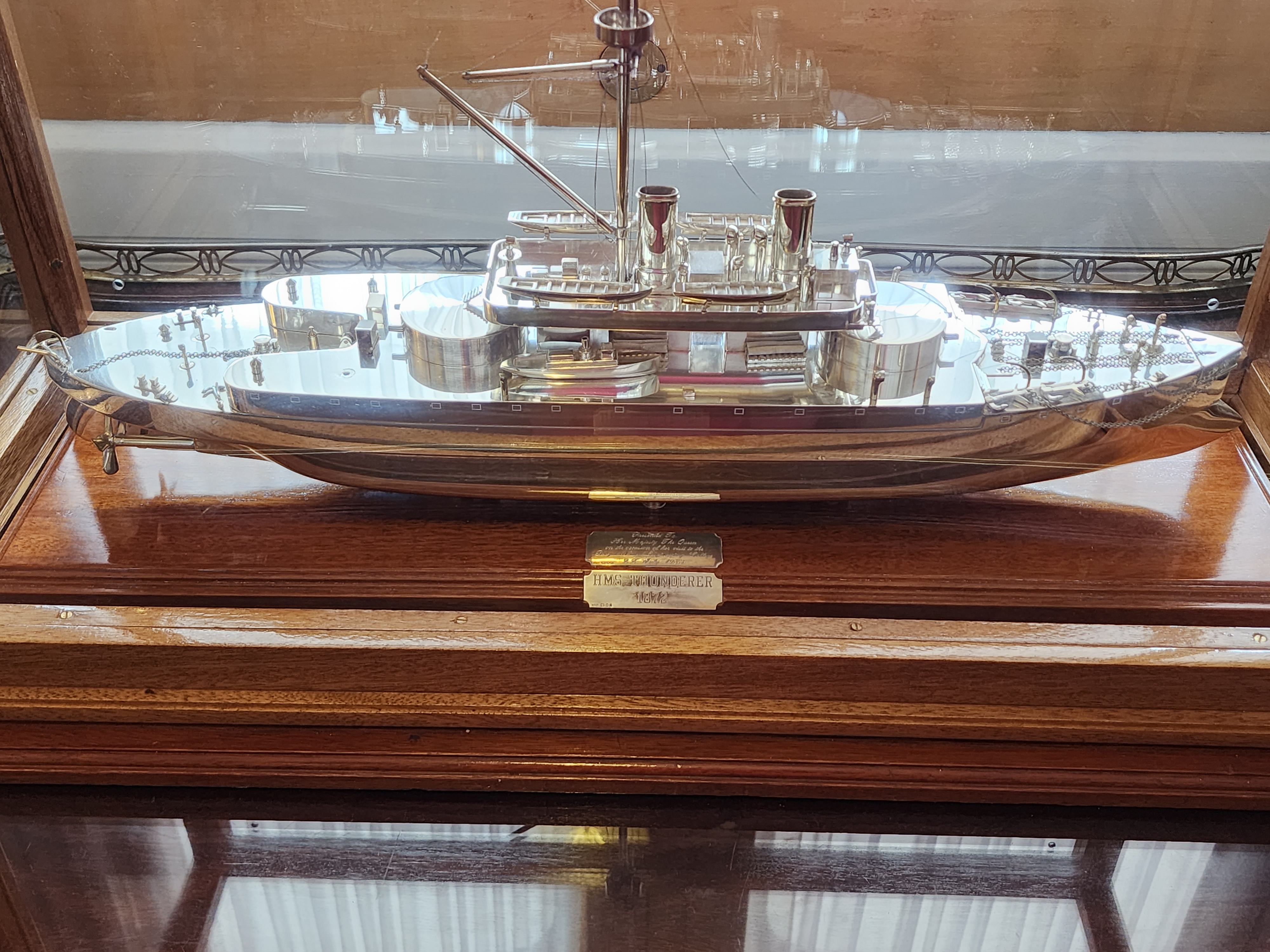
A small silver model of the HMS Thunderer (1872)
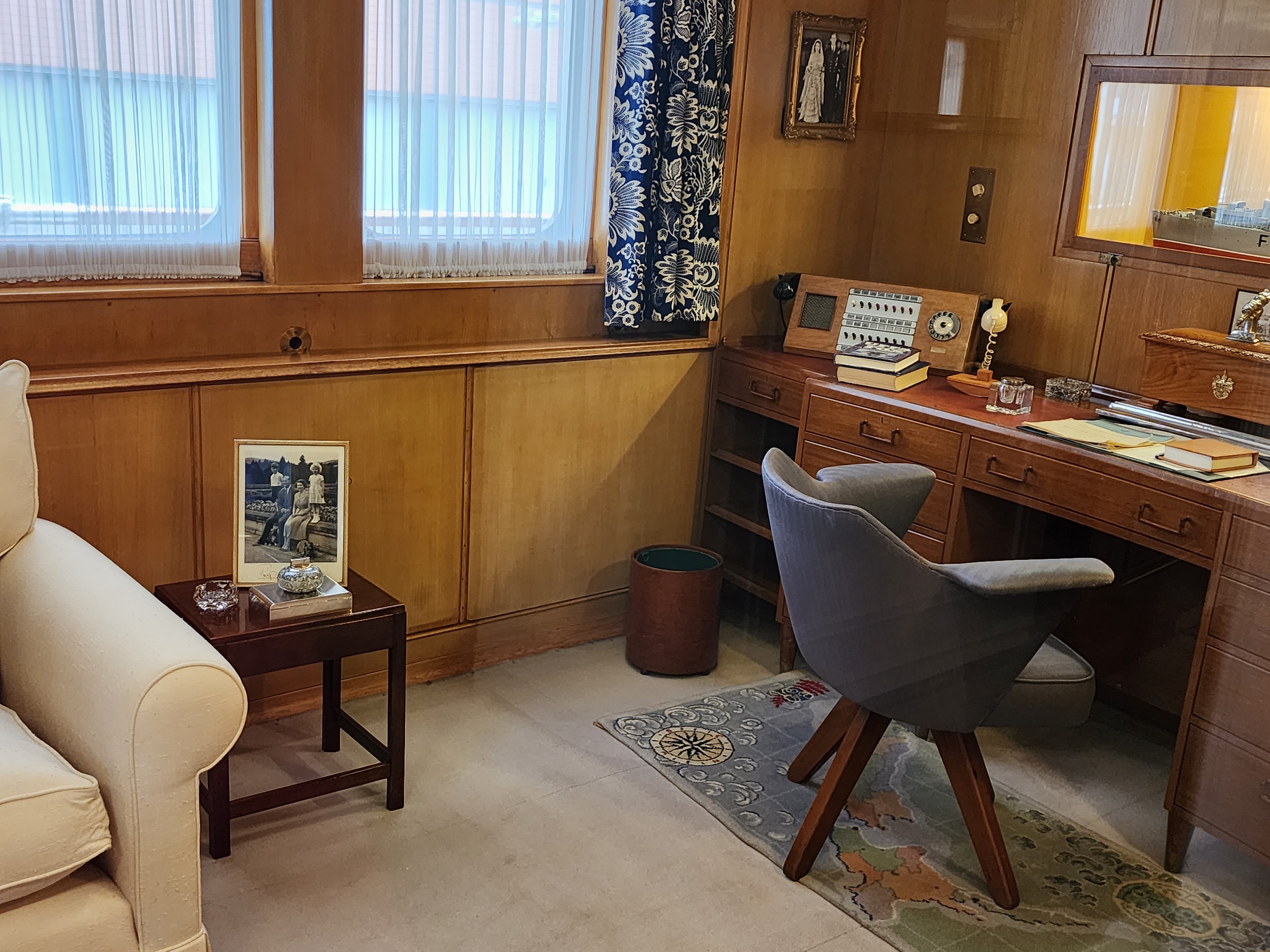
The Prince’s office
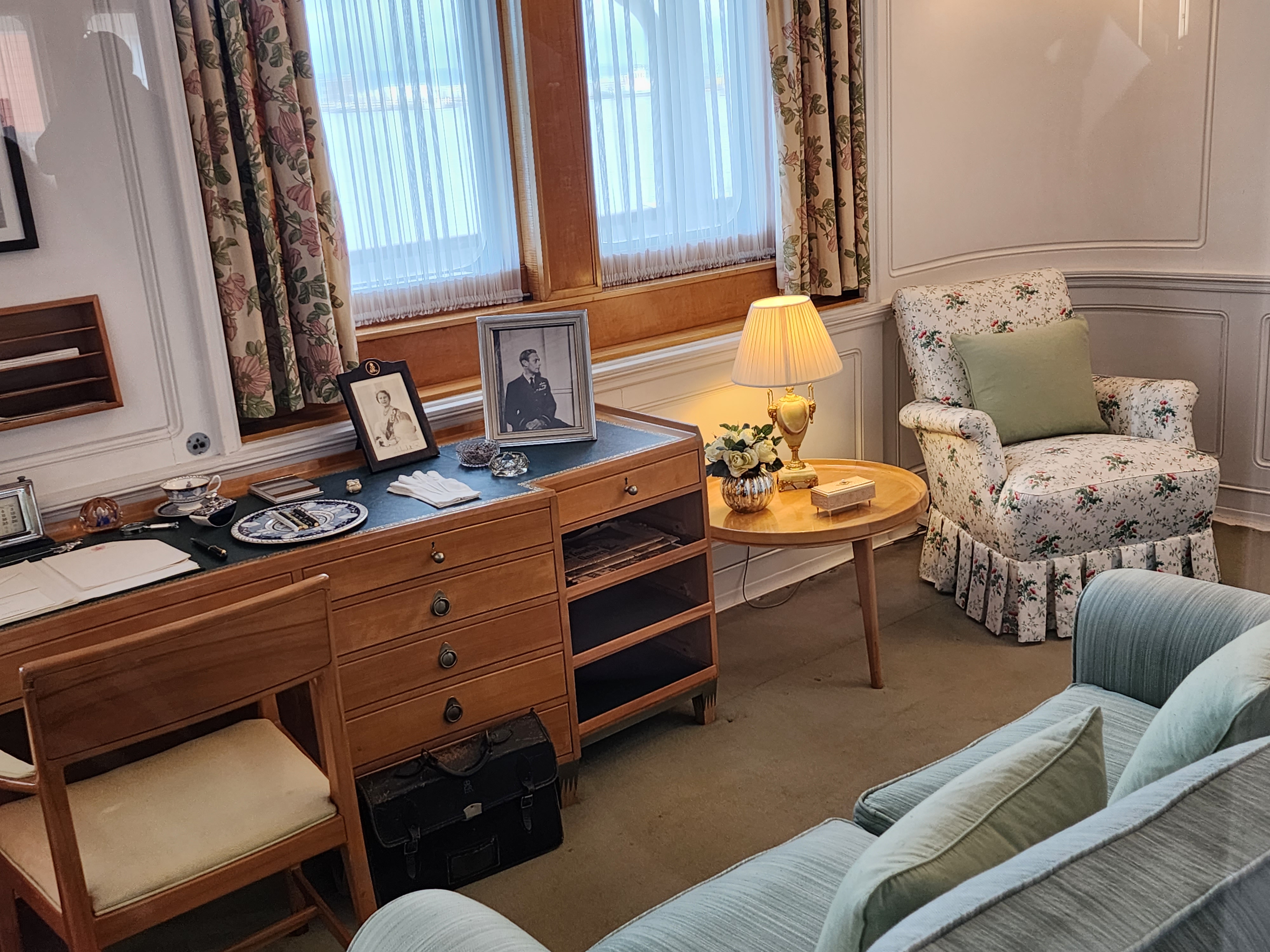
The Queen’s office
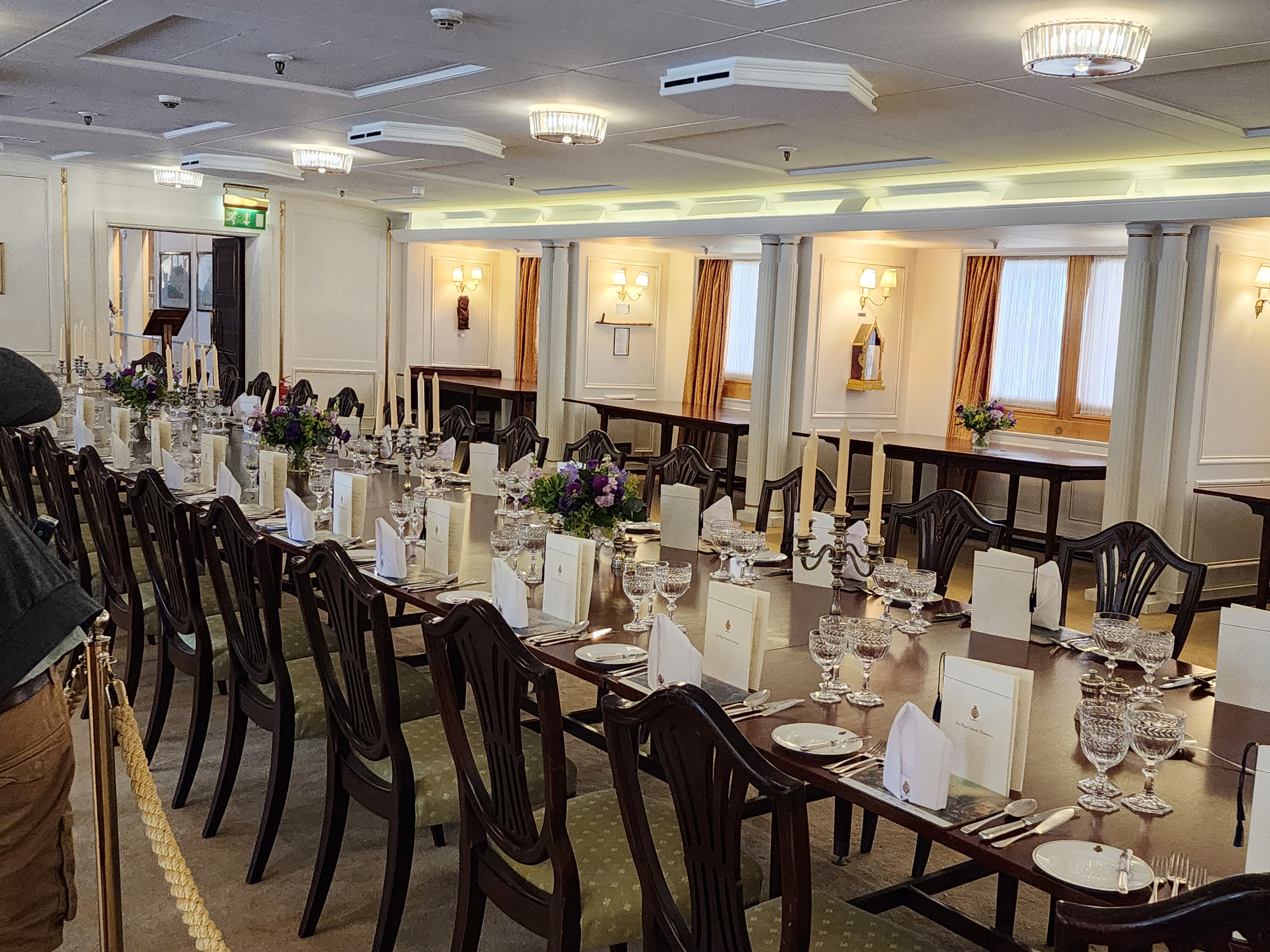
The dining table
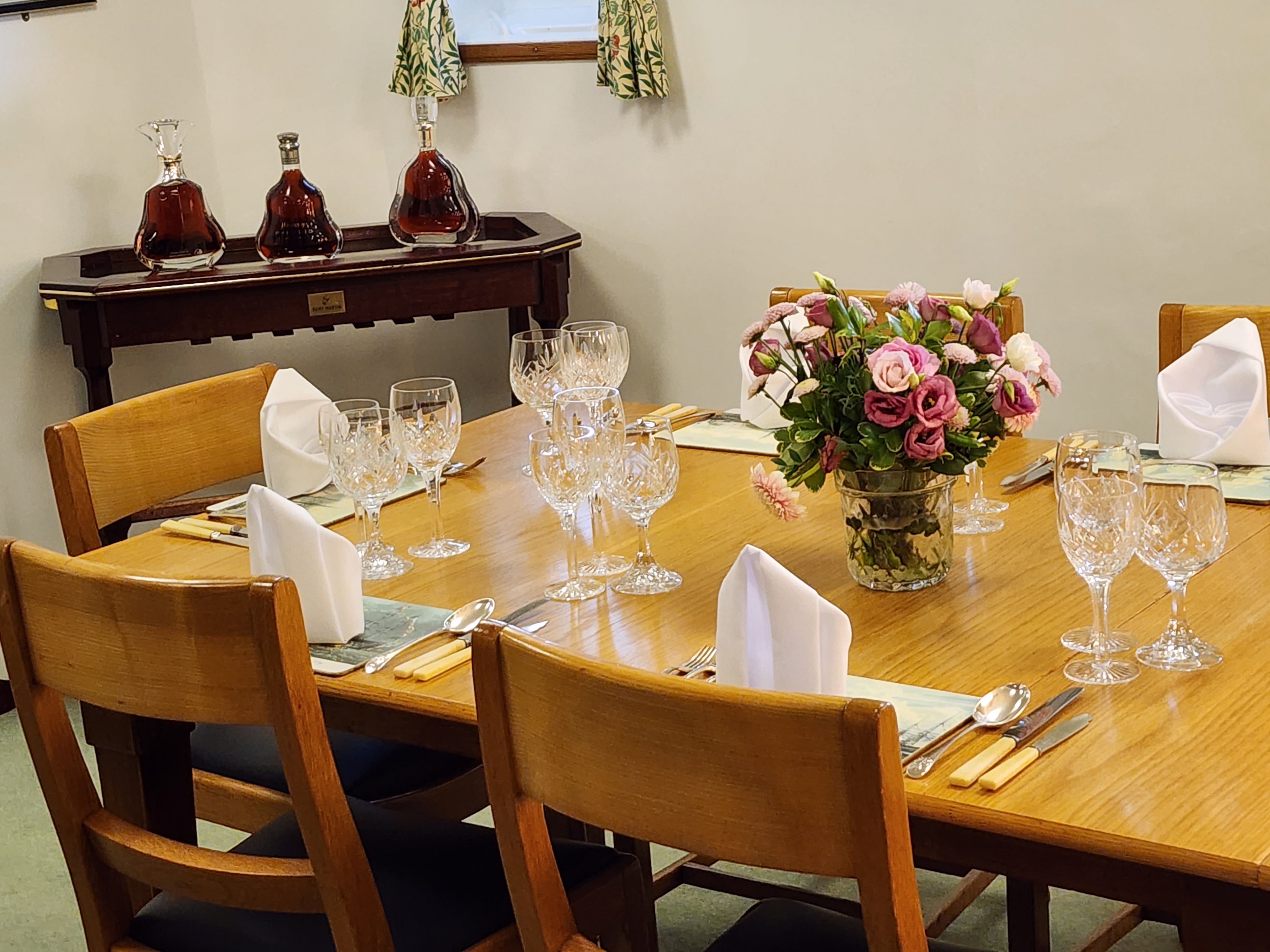
A breakfast nook
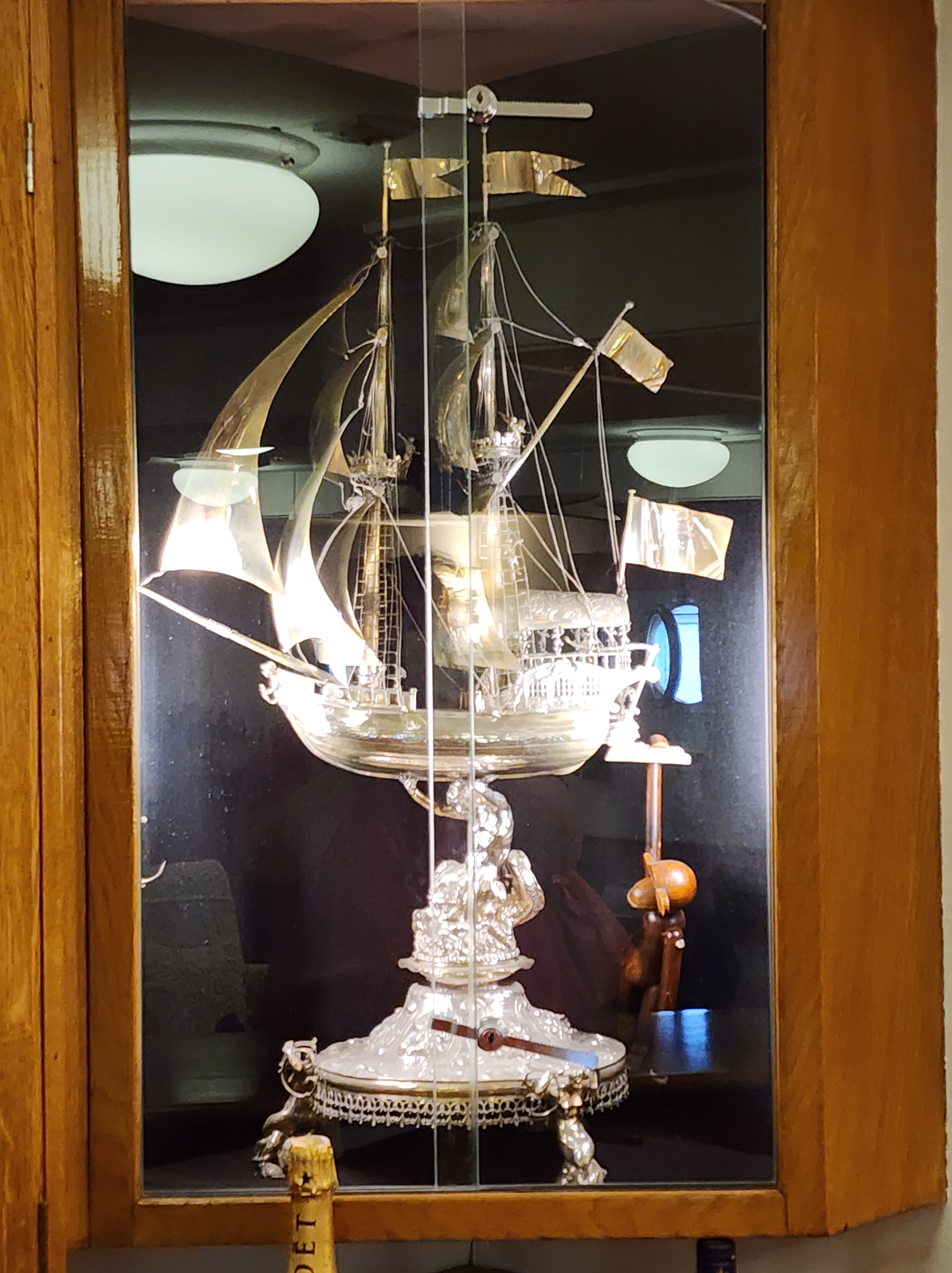
A small statue of a silver ship behind glass (so there’s a glare).
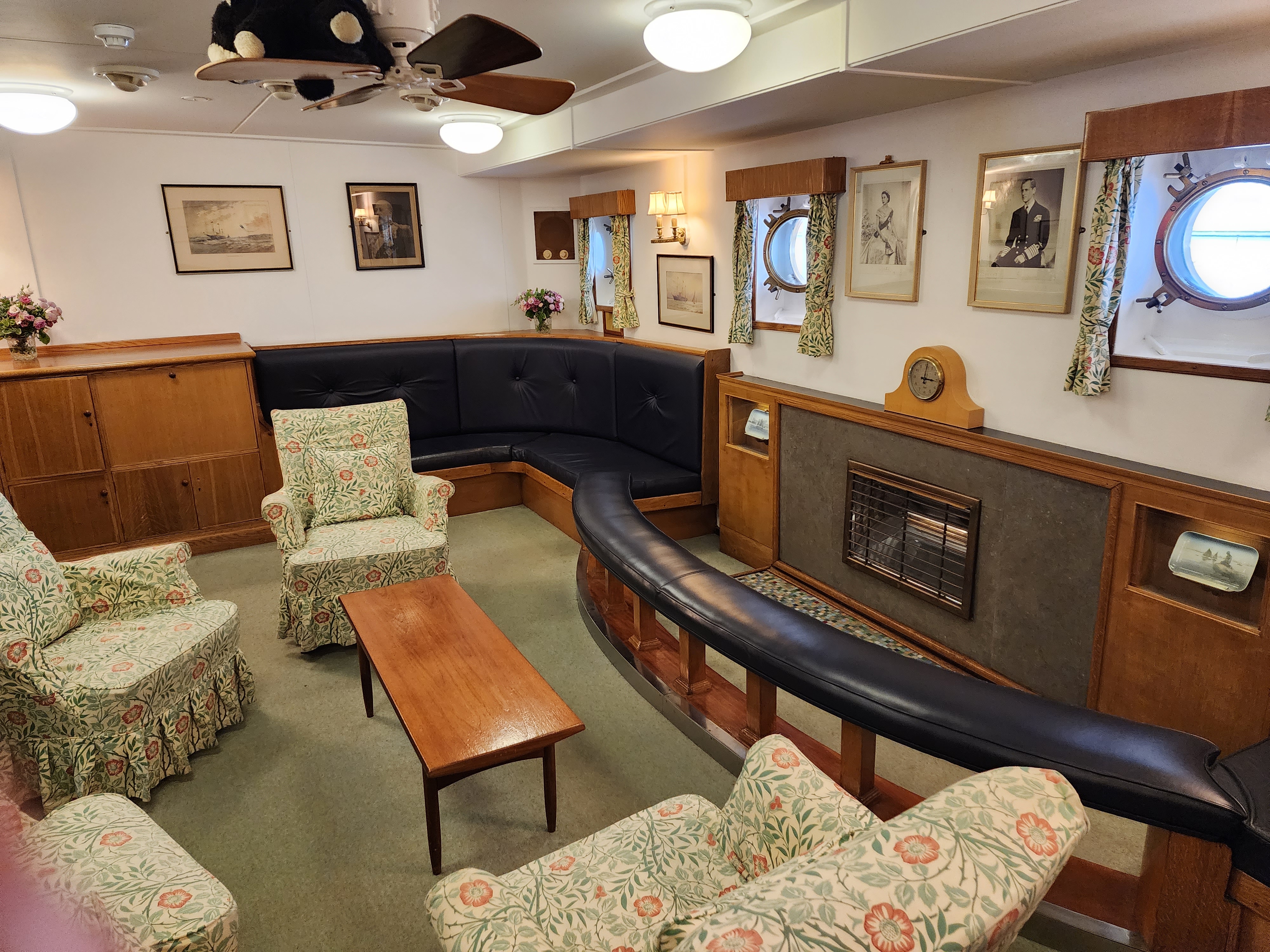
The Queen’s cozy sitting room
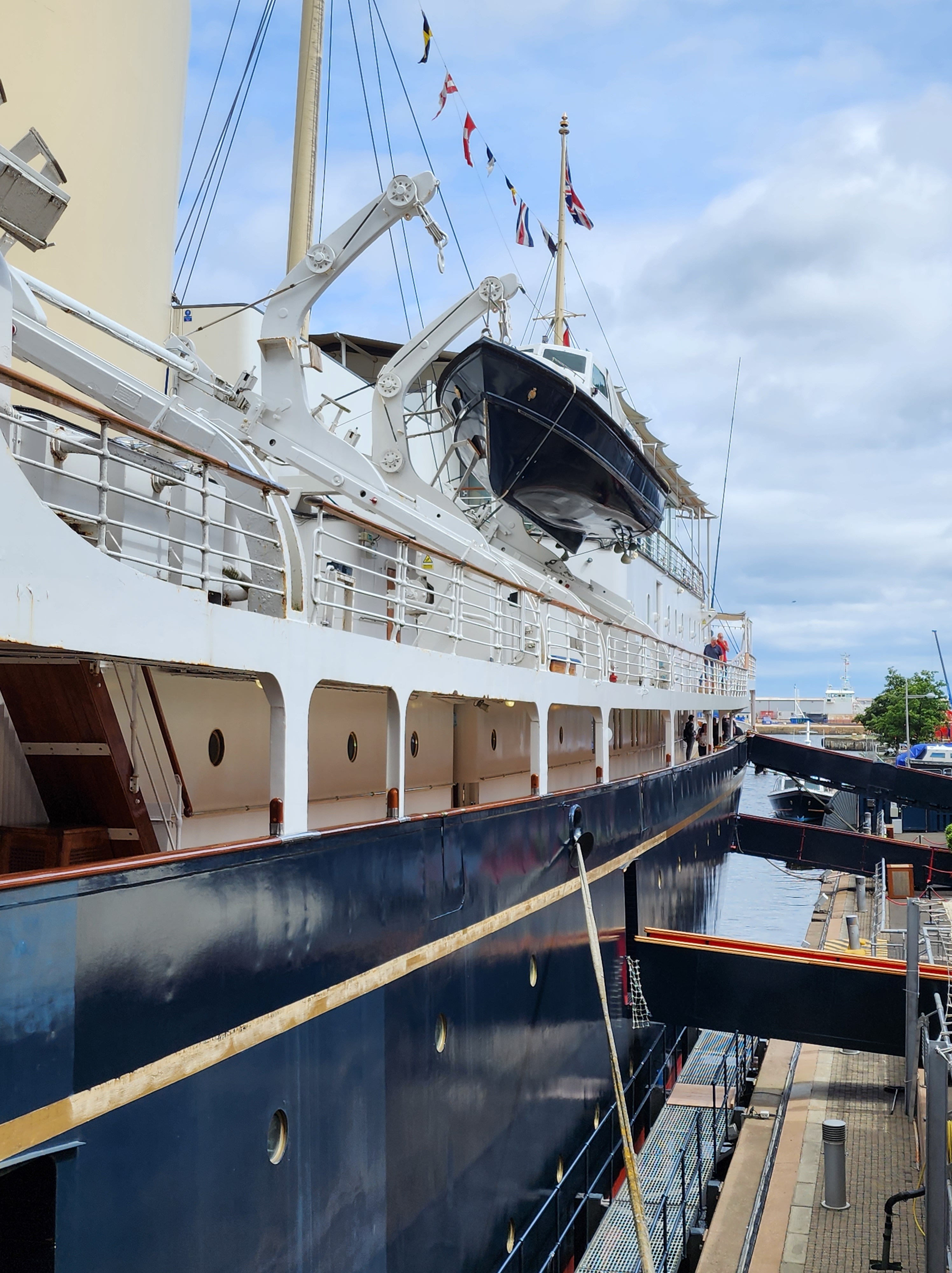
Closeup of the side of the ship
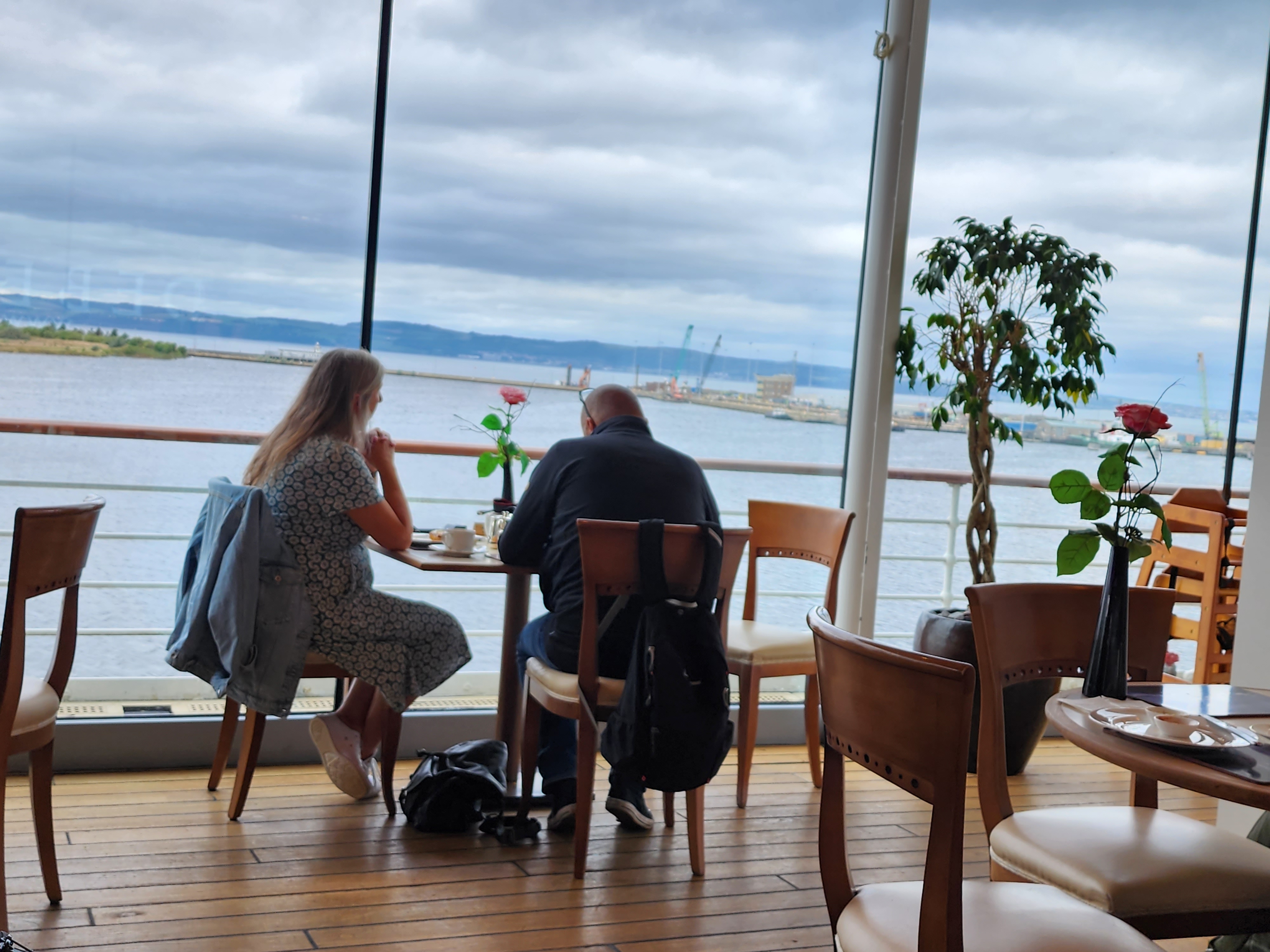
They’re sitting where I’d like to sit!
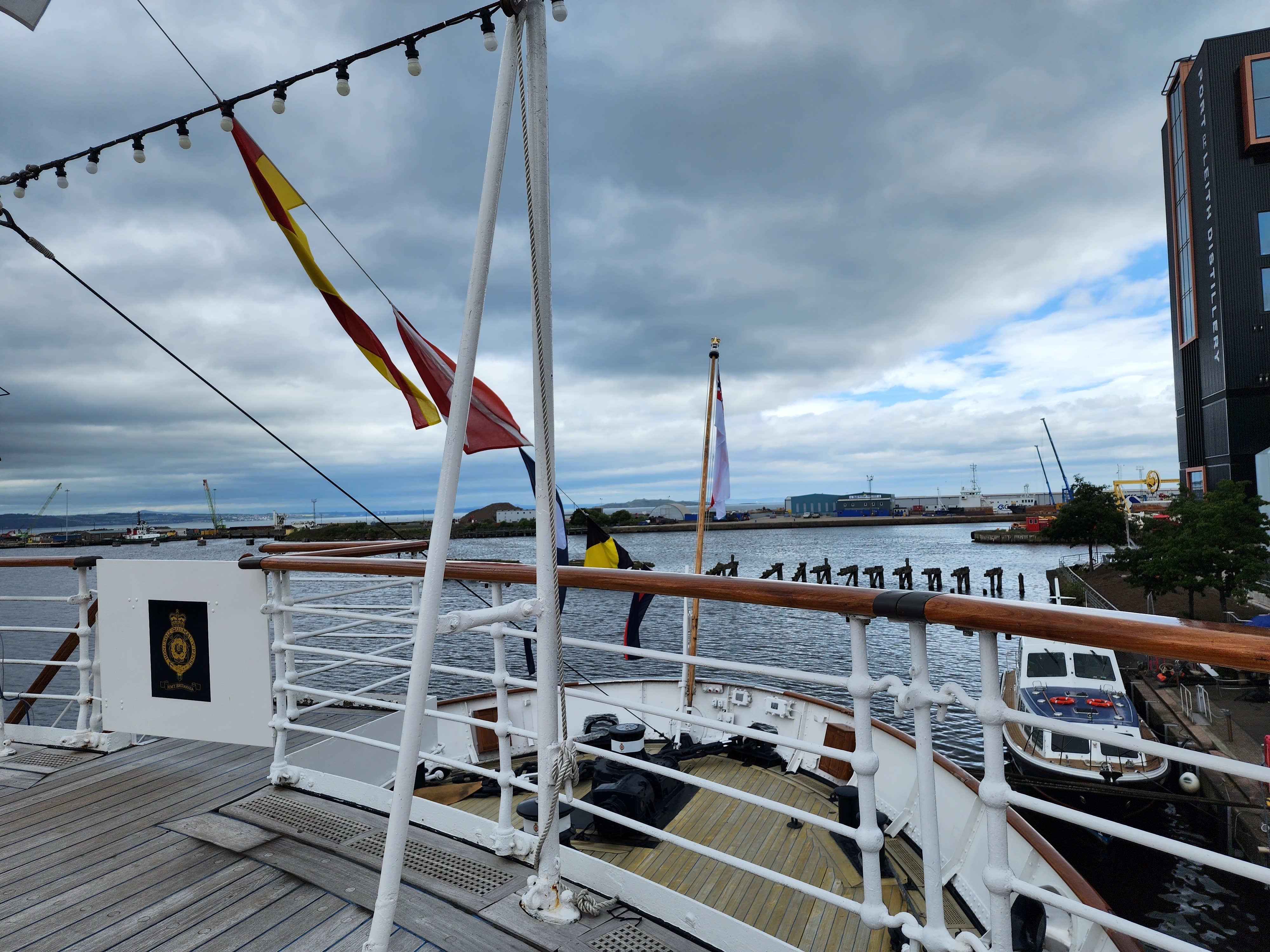
The foredeck
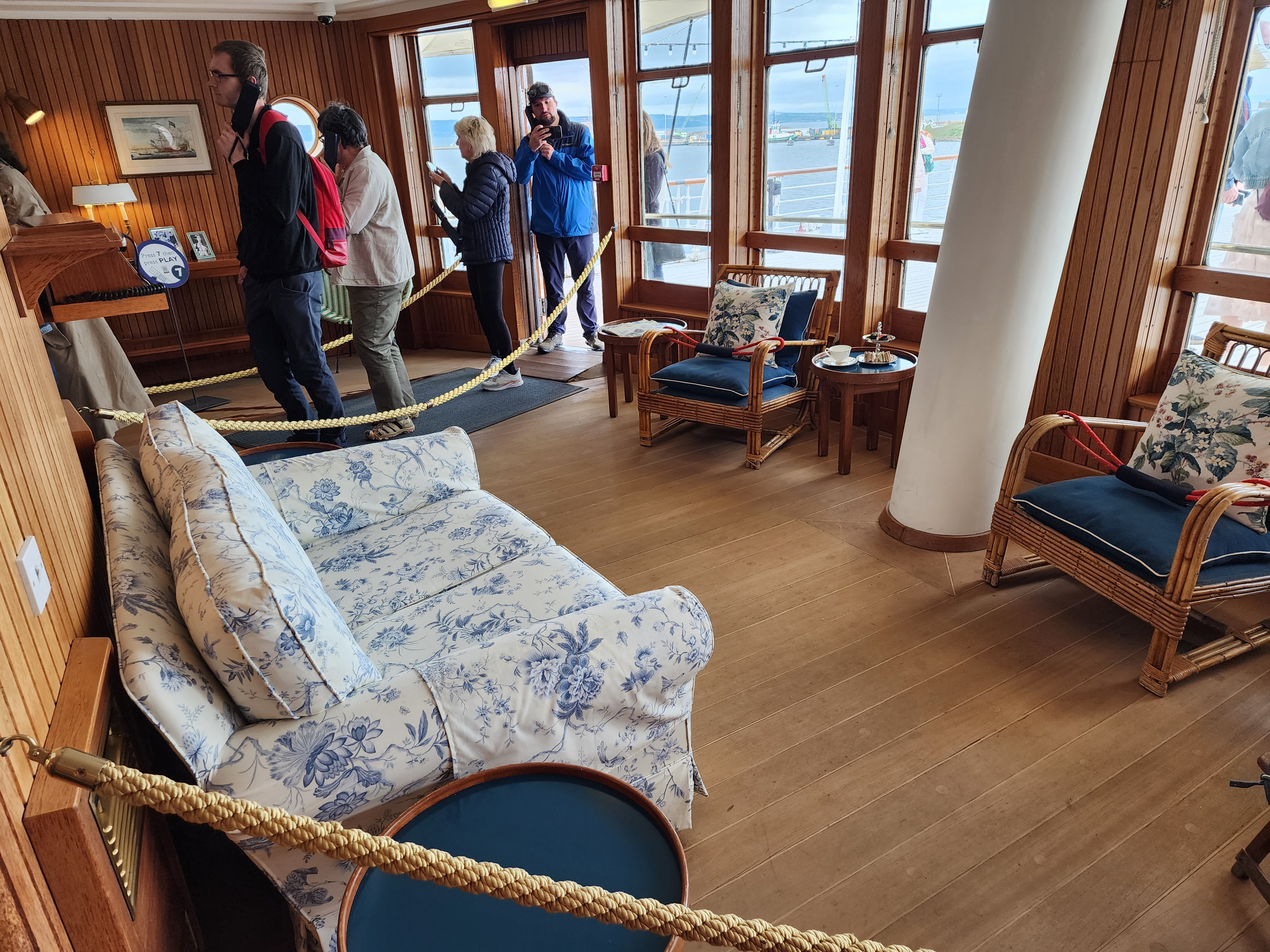
A cozy couch beside big windows
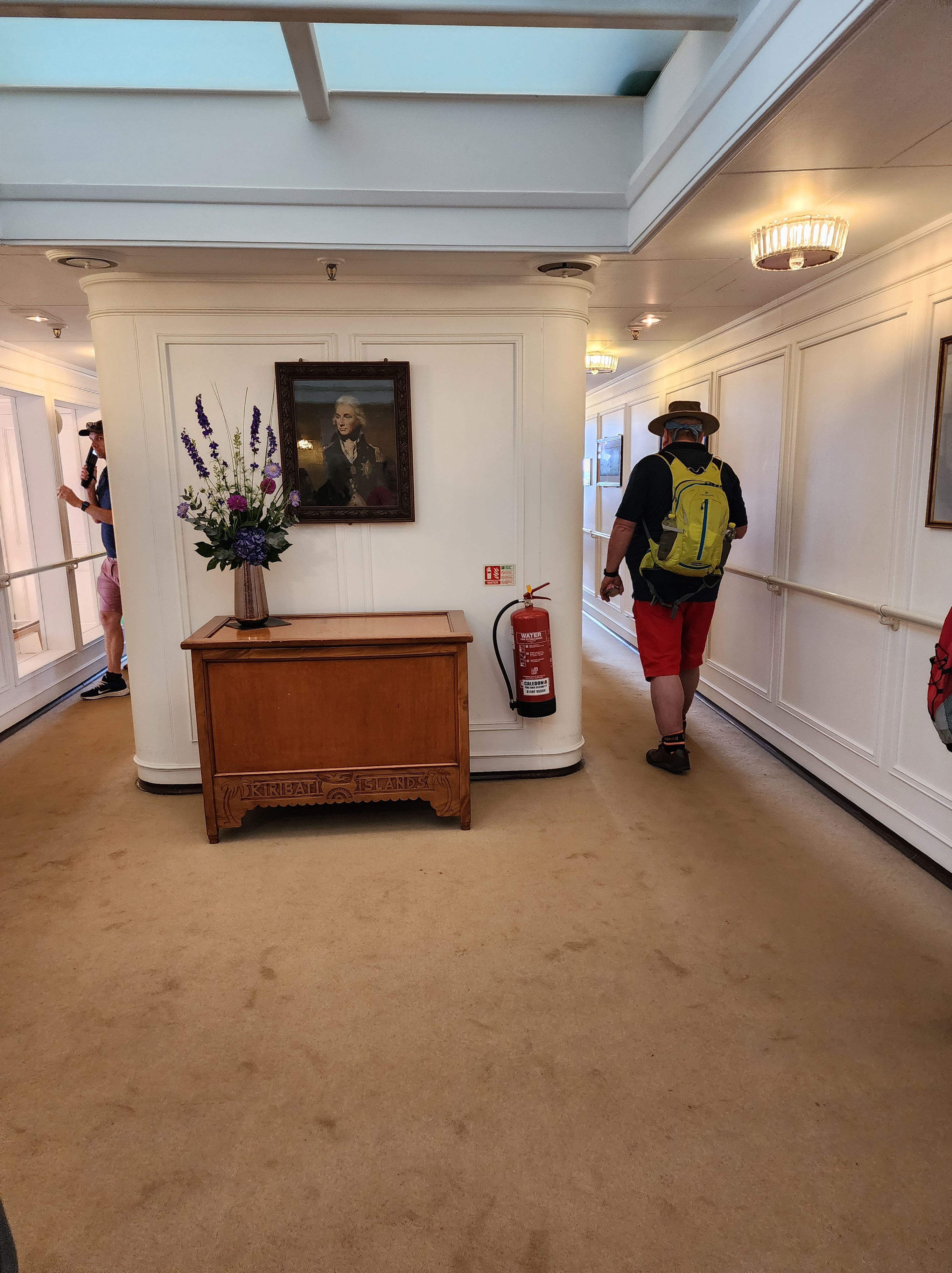
The hallway between staterooms
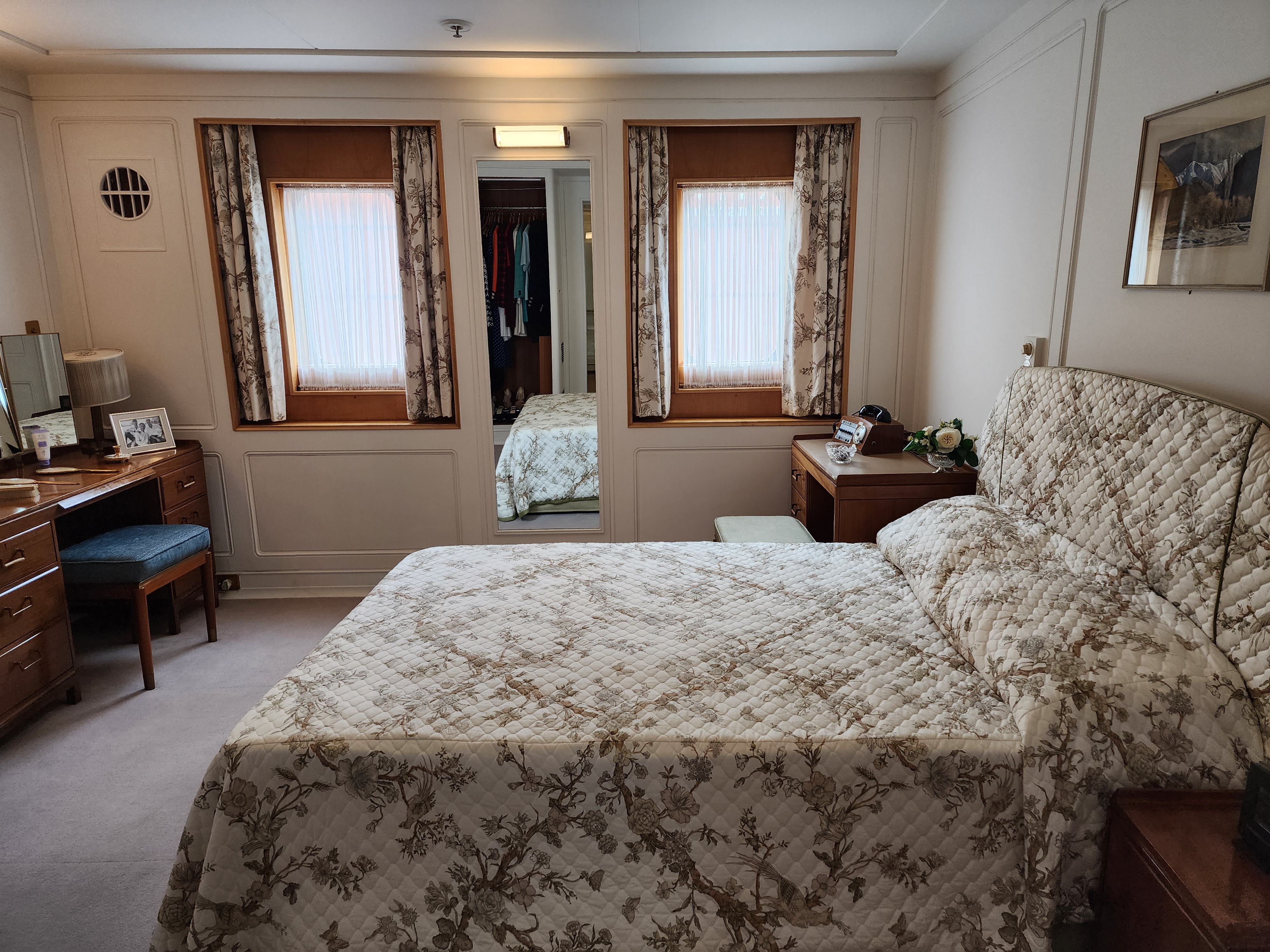
Prince Philip’s stateroom
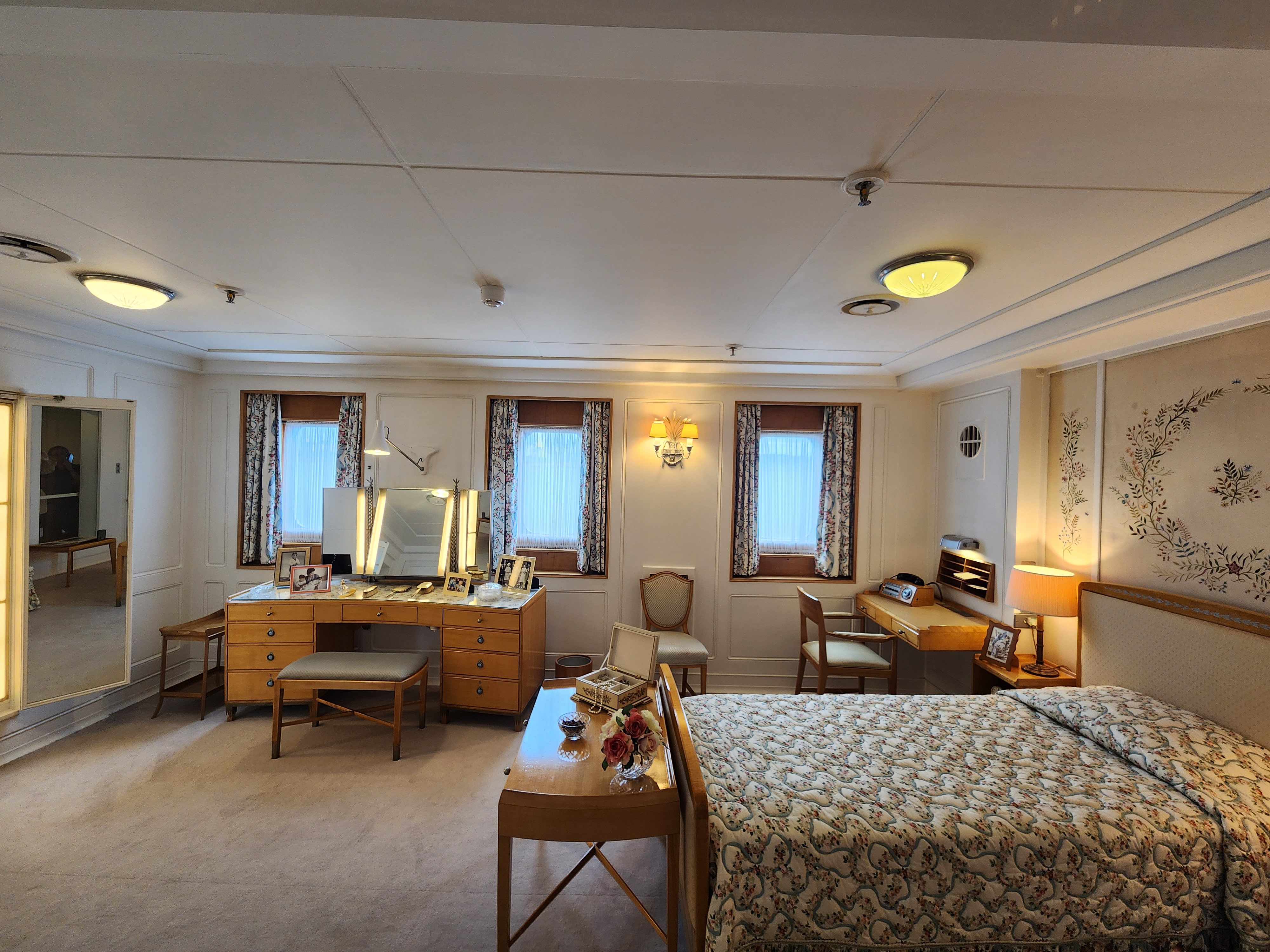
The Queen’s Stateroom
The foredeck
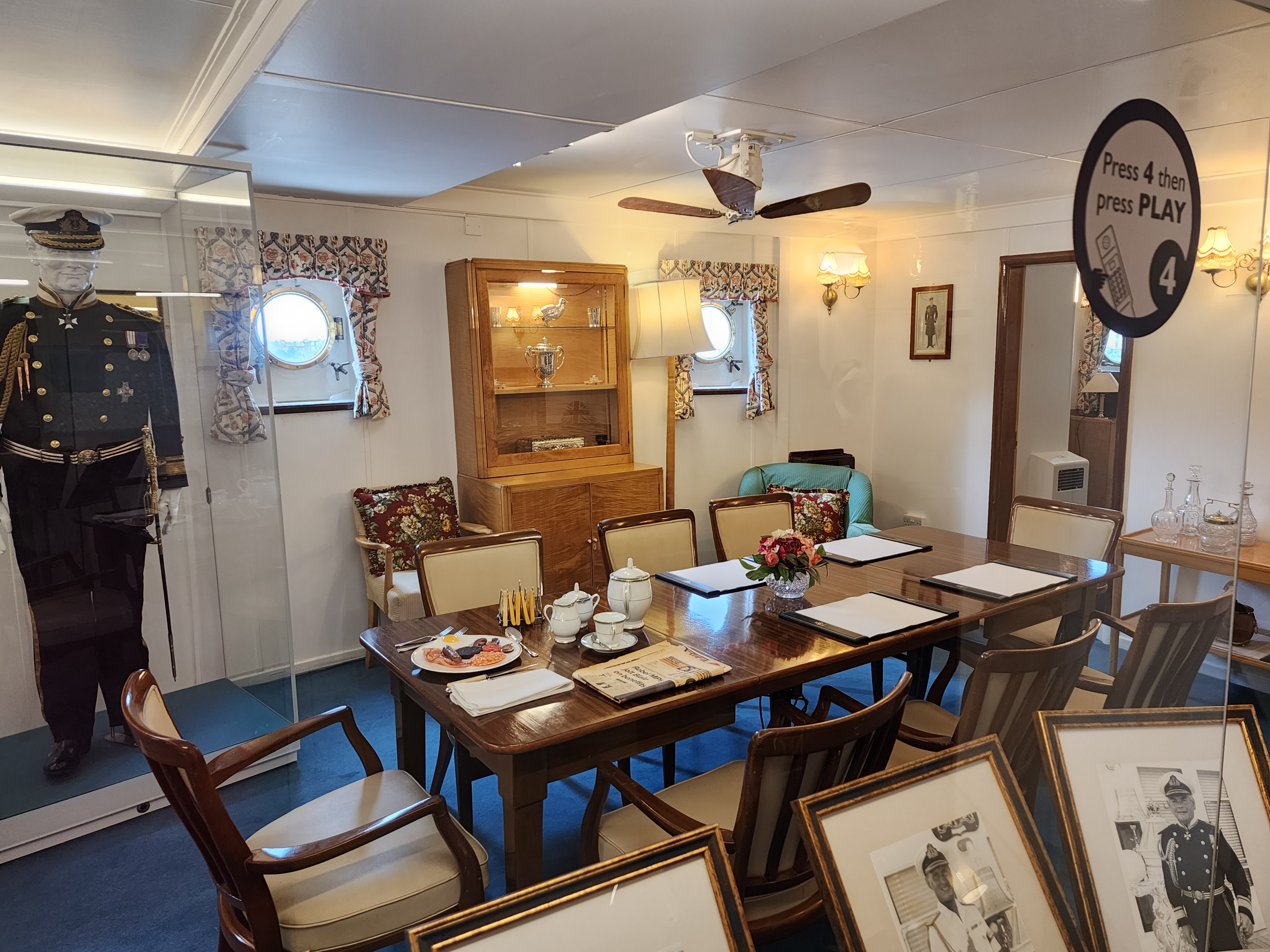
The private dining room for the Captain of the ship
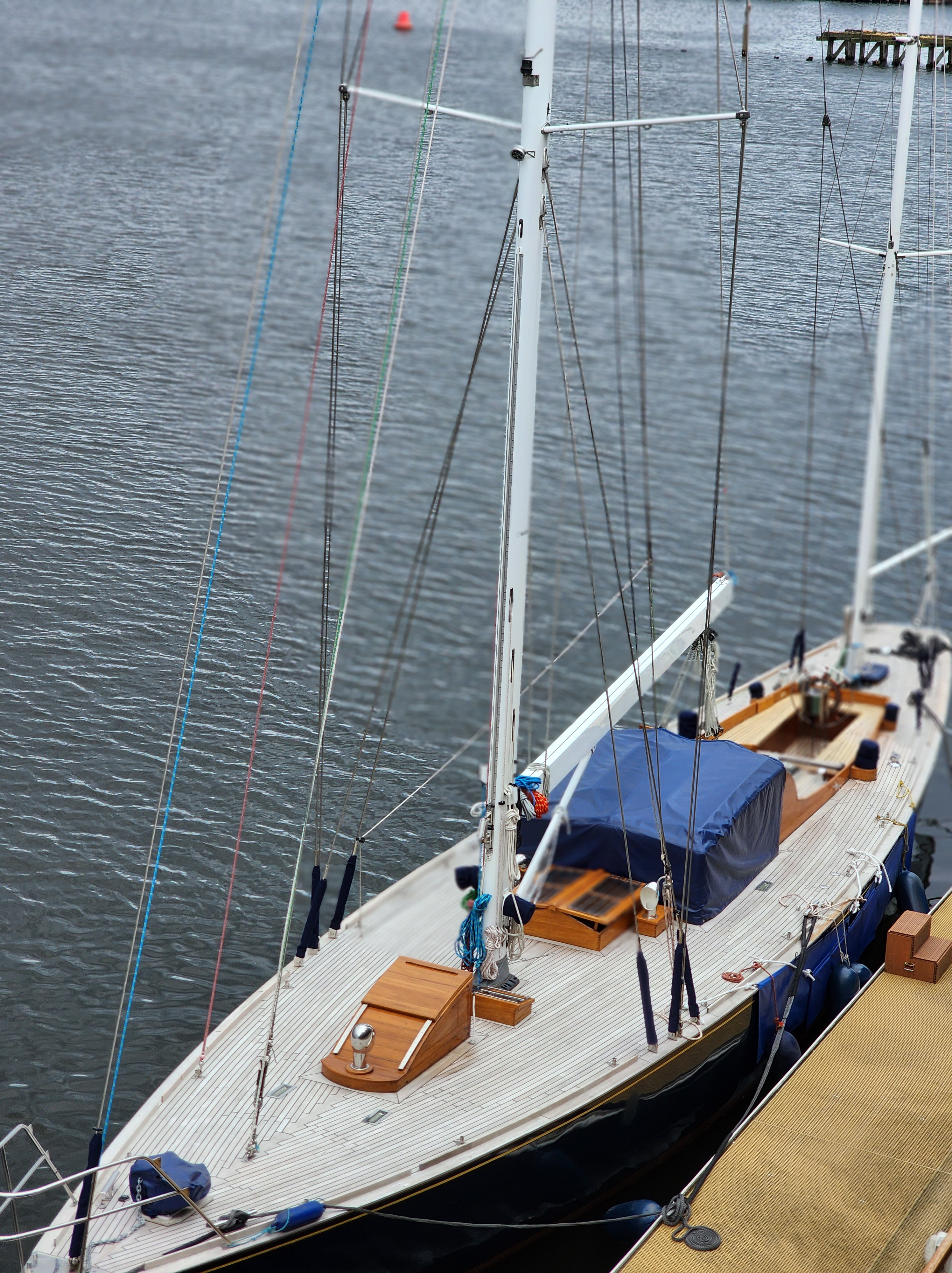
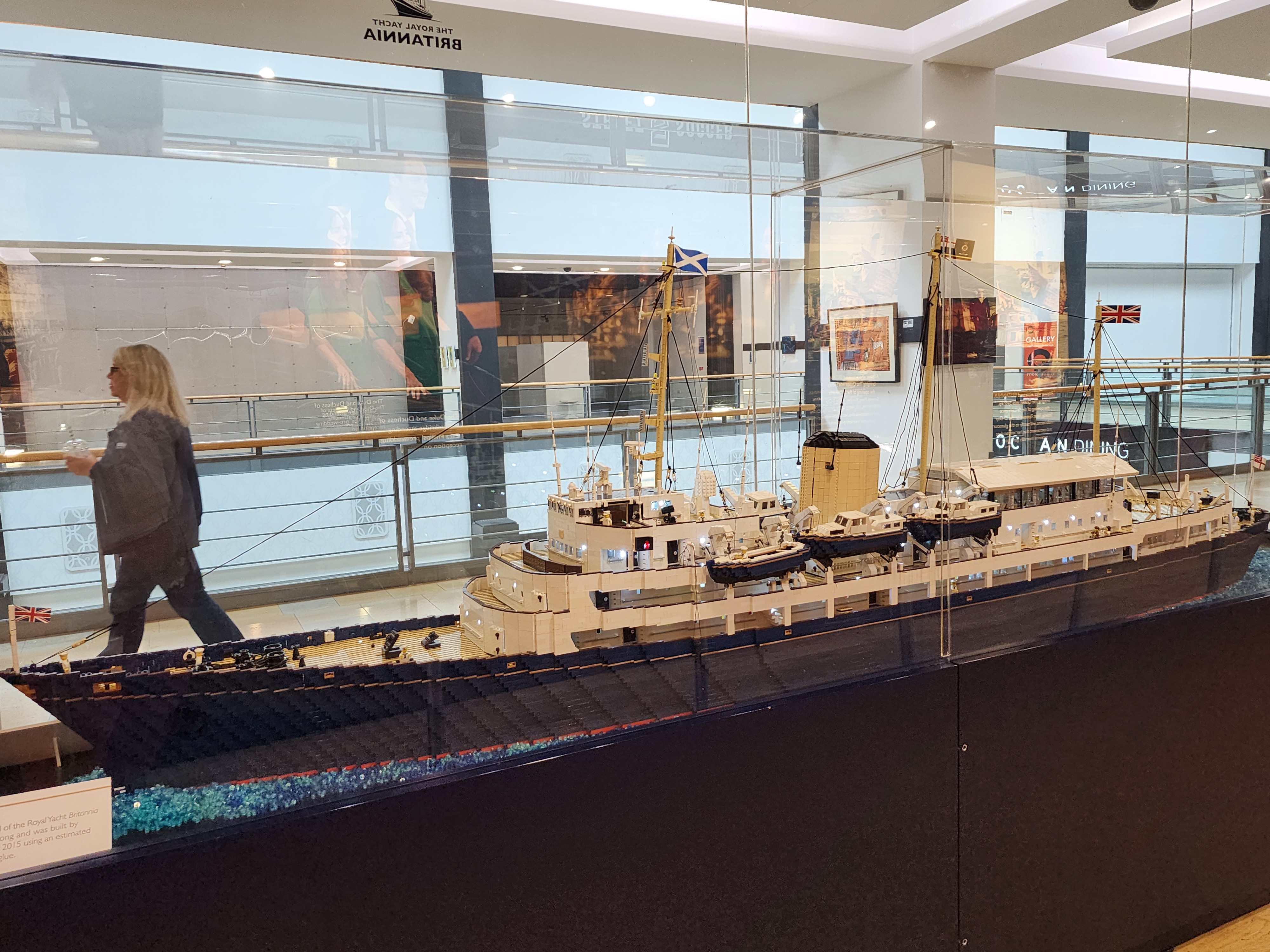
A scale model of the Britannia