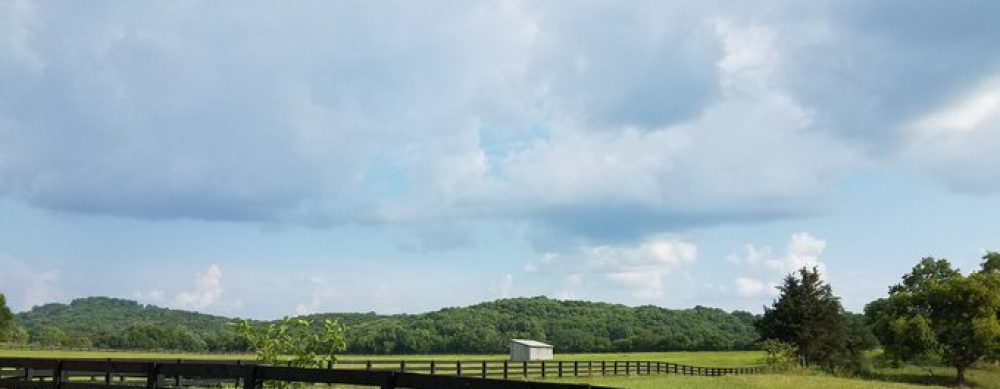
It isn’t a trip to Scotland that I don’t spend the first several weeks sick with some kind of bronchial/ sinus issue. I’m not sure if it’s the airplane cabin air or if I am cursed, but I have been sick since arriving. Fortunately, I’m on the mend, but hacking, sneezing, and general achiness does not make one’s health conducive to traipsing around the beautiful spots in this beautiful country. But I don’t let a little thing like a hacking cough and fever stop me—I came prepared this year with OTC cold meds, Advil, and a family-size bag of cough drops. When it’s the weekend, you better believe I’m out in the wilds of Scotland on one Rabbie’s tour or another. (Honestly, they should pay me for how many tours I’ve gone on—either that, or make me an Honorary Driver!)
The first weekend I was here I enjoyed the “Scottish Castles Experience,” a tour that ran up the eastern coast of the country, up to Aberdeen, where I had never visited before. It was cold and windy that morning, but sunny, a little unusual for Edinburgh which wears its damp like a badge of honor. It would turn out to be a mostly sunny trip—and a little too warm for my raincoat. (Granted it was still in the low 60s, so I was chilly when I chose not to wear my coat, but the damn thing is so heavy I didn’t really want to tote it around.)
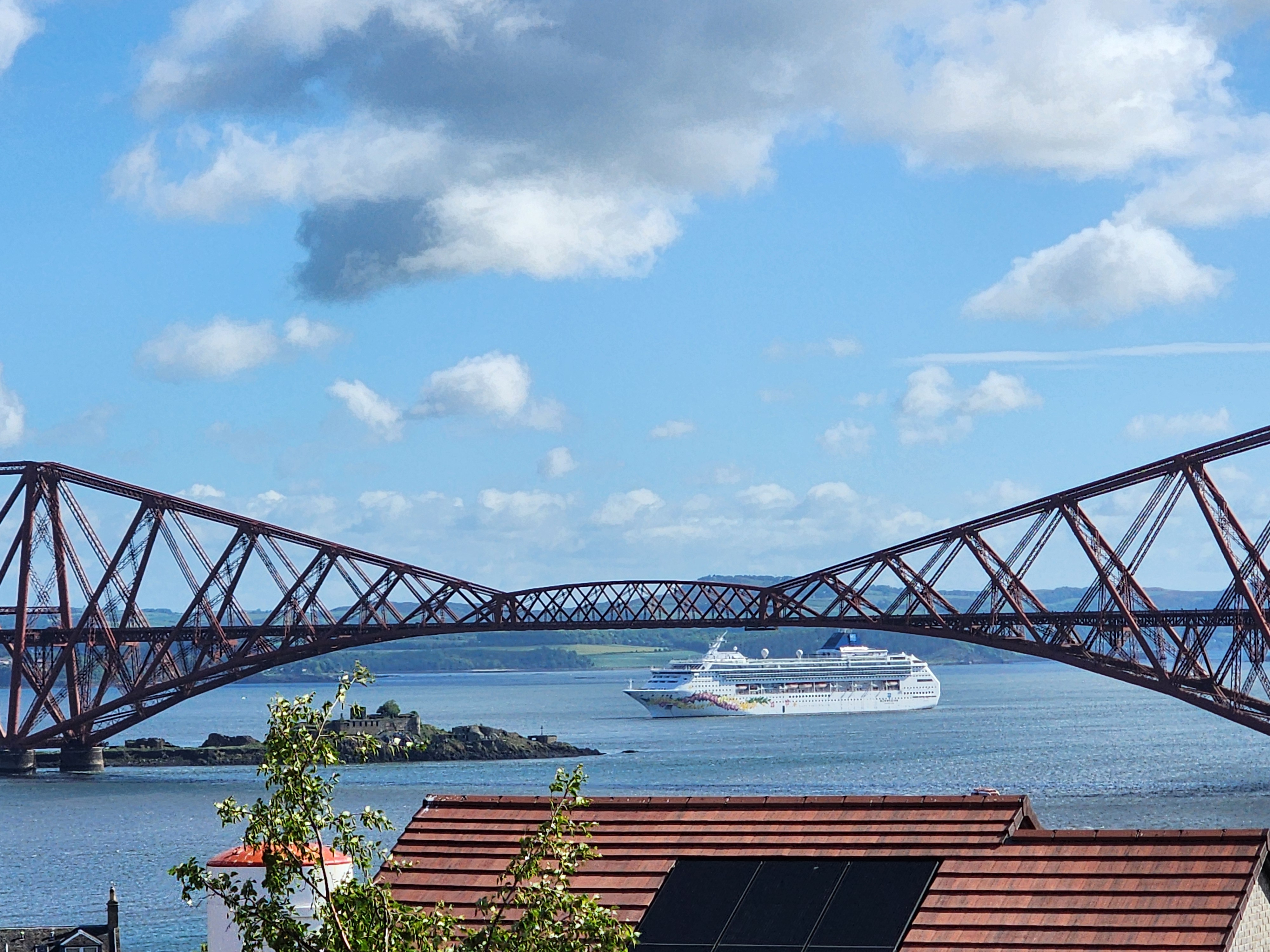
It doesn’t look it, but this bridge is actually red.
Anyway, the tour began with a quick stop to view all three of Edinburgh’s bridges over the Firth of Forth. There’s the red 1890 cantilevered bridge—the eponymous Forth Bridge, designed for trains; the 1964 Forth Road Bridge, a suspension bridge, which now only allows high occupancy vehicles and taxis to use it; and the Queensferry Crossing Bridge, a cable-stayed bridge. These bridges are famous because they were each built in a different century. And it’s said that there’s a legislative bill going around to make sure that in 2100 or thereabouts, there will be a fourth bridge over the River Forth with a fourth bridge style. I don’t know if this is going to happen, but if Edinburgh keeps growing, they might need another bridge in 74 years.
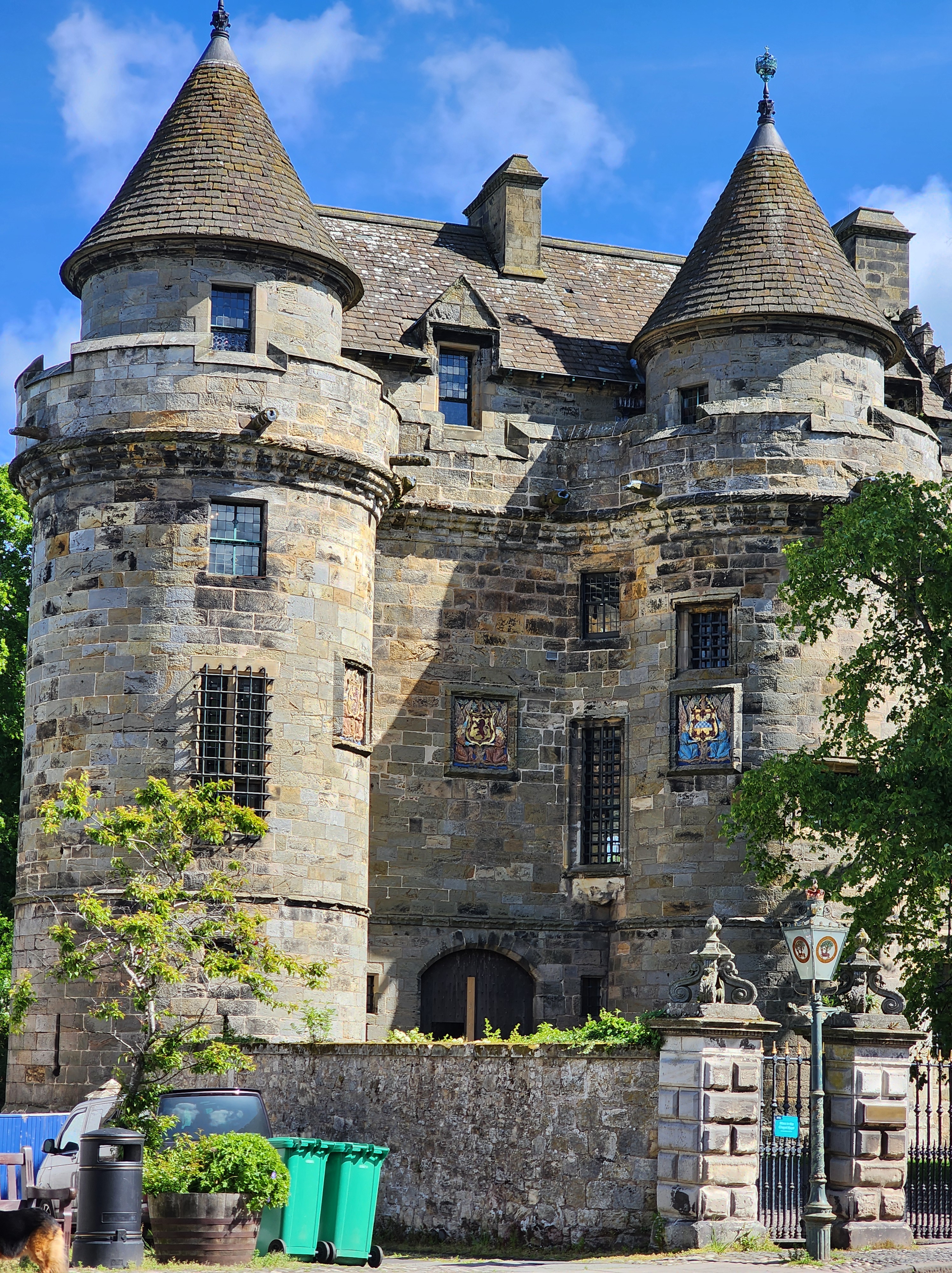
Falkland Palace
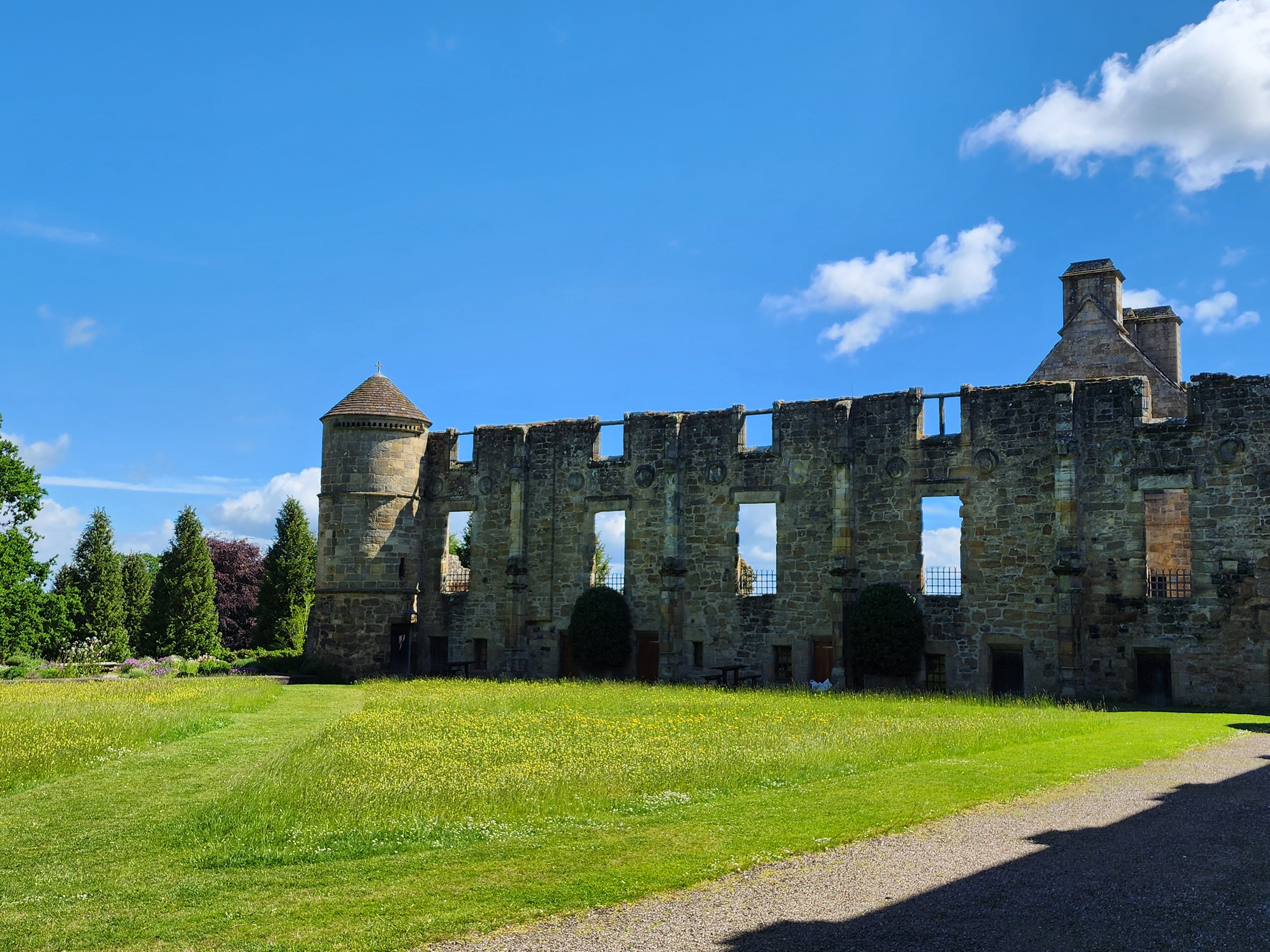
A side view of Falkland Palace; you can see that the King and Queen’s quarters are only ruins now.
After that, we got on the road for real, and went over to the Kingdom of Fife to see Falkland Palace. But our entrance to the Palace wasn’t until 11:30, which gave me a little time to walk the High Street of the little town of Falkland. I stopped into a bakery and bought a lovely sourdough boule and a hunk of cheese which I saved for lunch (knowing how the places the tour stops for lunch are notoriously expensive.) I had been to Falkland Palace several years ago, and considering I was also walking around on a busted foot that refuses to heal, I chose not to climb the various steps in the castle. The castle is beautiful though; it was originally a hunting lodge for various kings before it was fancied up and became more of a residence. It has somewhat of a ruined air to it; the king’s and queen’s quarters are nothing but old stones, but it’s worth going to see for sure. Since I hadn’t had a chance to really wander the grounds, I chose this opportunity to do just that. The flowers were lovely, although some paths were blocked off. In the garden, Mary Queen of Scots installed the first tennis court there in the 16th century. I mostly smelled flowers and basked in the sunshine.
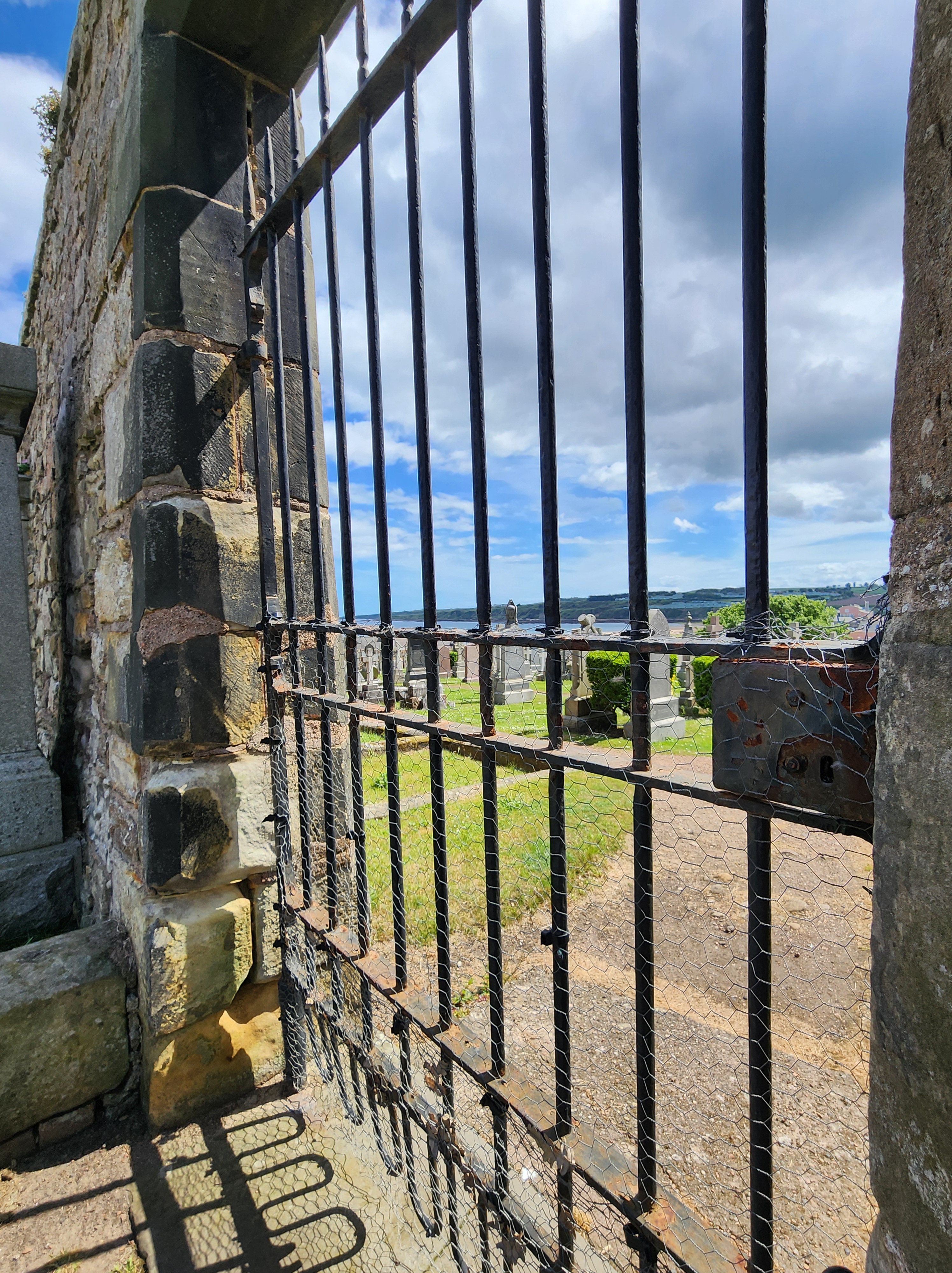
View from gate towards the sea, St. Andrew’s cathedral
After Falkland Palace, we headed on to St. Andrews, home of the £1 public golf course; I don’t, however, know if it’s still £1—it seems like everything is more expensive this year. We stopped there for lunch, but I was determined to head to the old abbey. Of course I had been there before too, but I hadn’t walked the whole path around the abbey and cemetery. I had to take several breaks because of my foot—this would become a recurrent pattern for me—but I did find a nice raised crypt to sit on by the wall with a locked gate, and it was a lovely view of the beach, where someone was chasing after their dog who decided to take a swim. I would have liked to go down to the beach, but I was afraid I wouldn’t get back in time. So I just encouraged people who walked by to look out of the gate. Three people took me up on my suggestion—a French couple and a woman who held a cigarette in her hand. (I tried not to breathe smoke.) But then I got up to complete my tour around the abbey and wandered back to where the bus was going to meet us. Again I had to sit for a while, and I had some bread on me that I threw to the crows. They were very happy until these big-ass seagulls appeared and started jumping for every tossed crumb. I didn’t realize it, but you’re not supposed to feed the birds in St. Andrew’s, but I’m not sure if I had seen the sign first if I would have obeyed it.
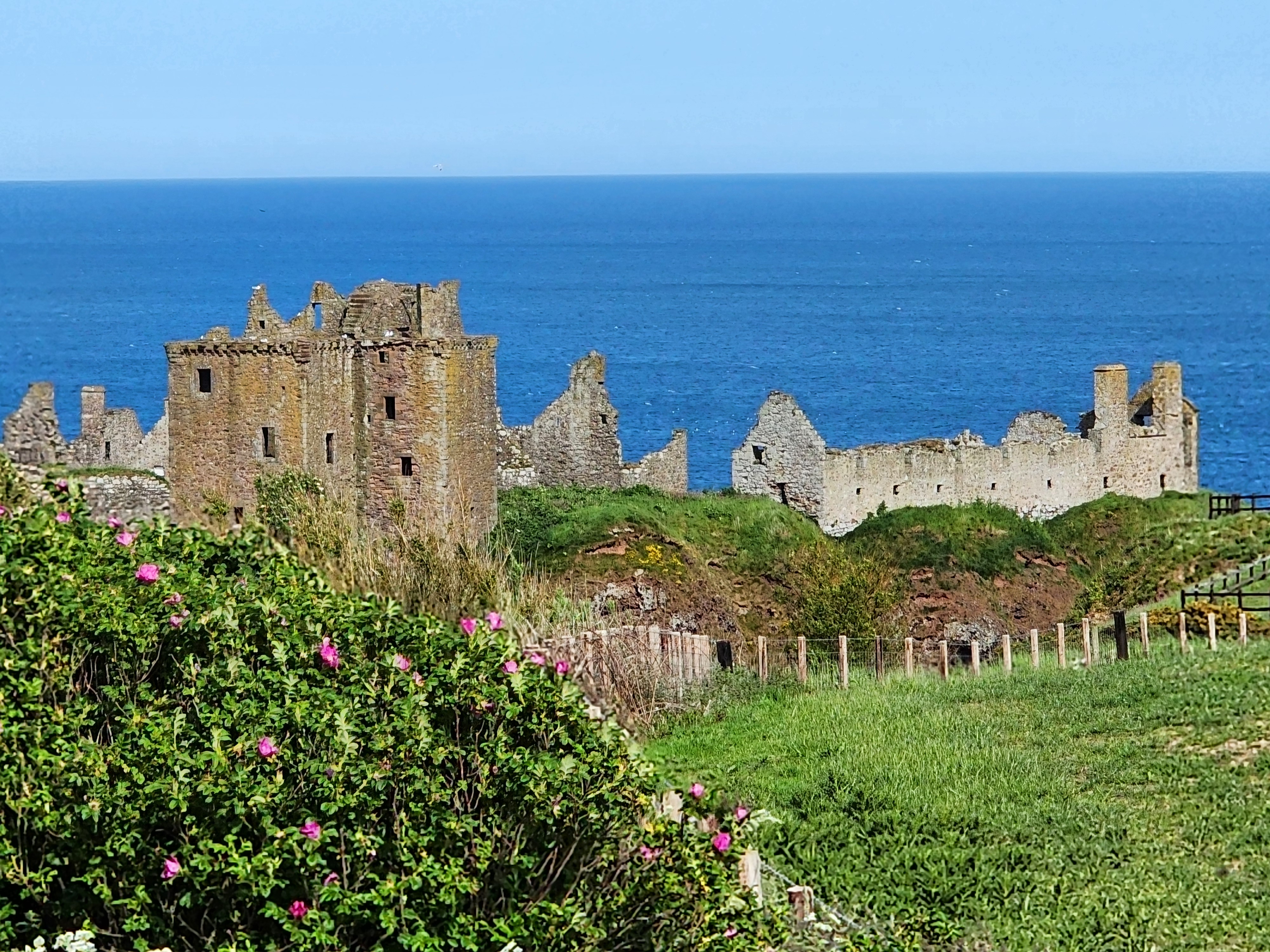
An image of Dunnottar Castle, overlooking the North Sea
After that we drove to Dunnottar castle, which was down a rather steep hill. I would have liked to go in—other people on the tour were entranced by it, based on their conversation where they met me at the café—but I could see it and it looked lovely. A woman who became friends with everyone on the tour—Anne—told me she stood over the cliffs of the North Sea and was overcome with the beauty of the place. She didn’t go inside the castle (some of the other tour guests did), but I got the feeling she didn’t need to, to enjoy the space. I enjoyed it, even though I was far away from the castle.
That evening I holed up at the Aberdeen Douglas Hotel, and it had what is known as a wet room—this is to say, the entire bathroom was the shower. It was so strange, and I managed to get water everywhere. There was water on the toilet, the ledge behind the toilet, the little walkway to the sink. And it felt weird showering out in the open without the enclosed walls of a typical shower. I actually kind of liked it once I got my mind around it, but it was kind of messy. After my shower, I ate my cheese and bread boule, and then got into bed to do a little reading. I fell asleep early.
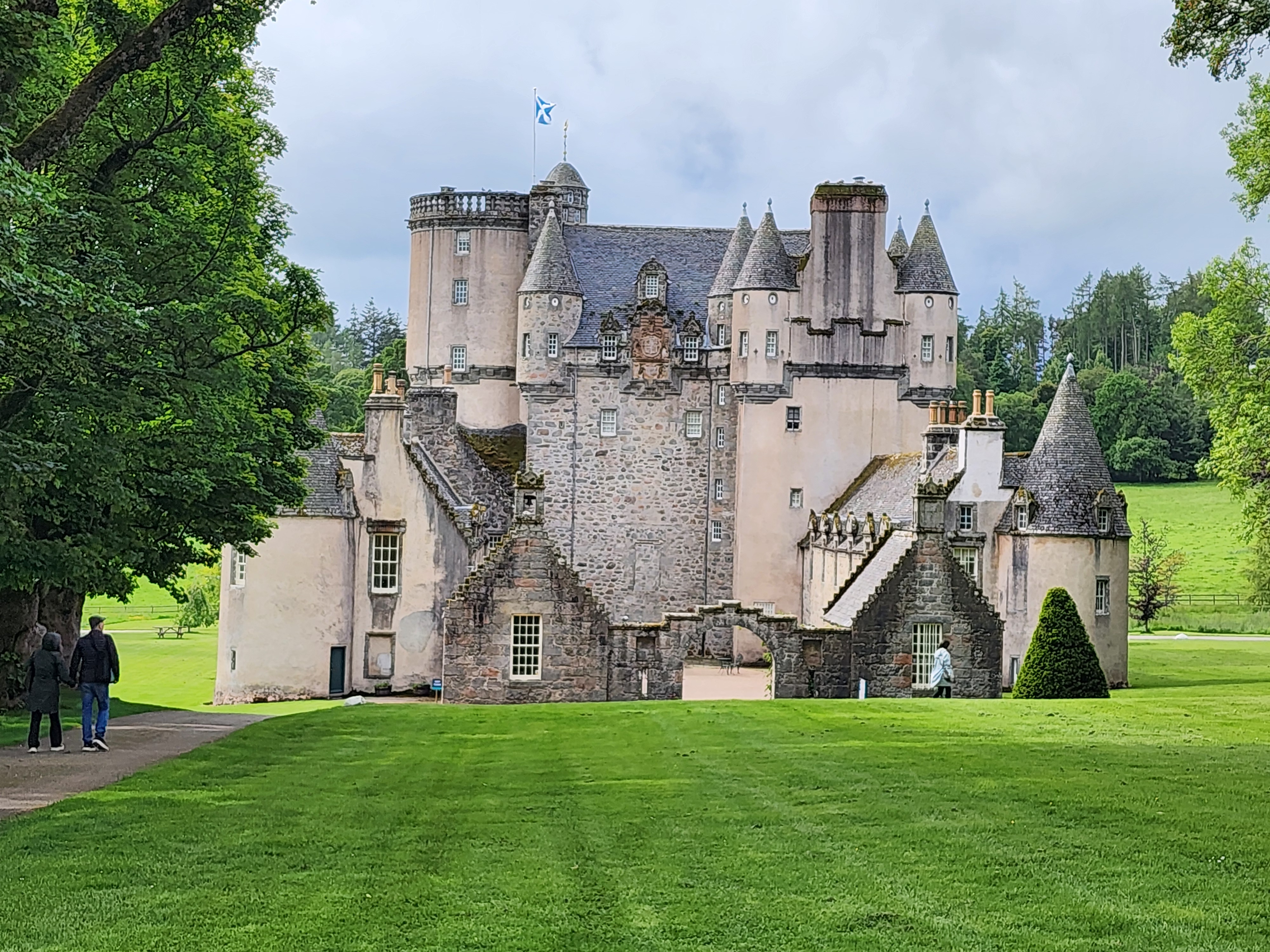
Castle Fraser
The next morning, I ate the rest of my cheese and bread boule. I could have eaten the (free) breakfast in the hotel, but I was kind of dithering and didn’t make it down in time. But that’s ok—they offered a full Scottish breakfast which I’m not too keen on. When the bus picked us up, we drove off to Castle Fraser near the River Dee. This castle has a special visitor’s book for all Frasers across the world—it made me think of my old tennis partner Peggy (Fraser) because she could have signed the book. She would have loved the large rooms, so spectacularly decorated with furniture down through the centuries. The Great Room was fun to imagine as the place where all of the action would have taken place—dances and get-togethers of one kind or another, maybe meetings. There were fancy bedrooms with imposing furniture, a lovely place setting and dinner table with a crystal chandelier of over 5,000 crystals, private sitting rooms, a smoking room, a library etc. Everything you could wish for your castle furnishing needs. I liked the library too; it holds over 2000 volumes in it, and two turret nooks perfect for following the sunlight and being able to read.
I didn’t go up on the roof, though that was an option; the spiral stair cases were narrow and you only had a central handrail to hold onto (which is to say, there weren’t rails on the wall, just this one vertical rail), and with my cane and bad foot, I didn’t want to walk up another stair case which would mean I’d have to come down again, overstretching my torn Achilles. Anne did go up to the roof and said the views were especially remarkable, but that I really didn’t miss that much.
We stopped in Ballater for lunch; it had started to sprinkle, so I was glad I had my raincoat. I wanted to eat at Fish Shop, but when I checked Google it had multiple £££ signs, indicating it was expensive (up to £60 for one person!) so I nixed that idea, and popped into the Balmoral Bar instead. This was much more my vibe—a typical pub, but with lots of windows, so it wasn’t too dark inside. The rain poured as I enjoyed a delicious fish and chips (peas were so-so) and a glass of Coke Zero (with ice!). I always think I want a pint to go with my fish and chips, but then I never order one. Anyway, the fish was perfect. And while I was inside, a man walked in with his dog who was very well behaved. I noticed on the wall there was a rules sign for pooches—three barks and they’re out. But this dog sat hopefully, waiting for someone to drop their chips.
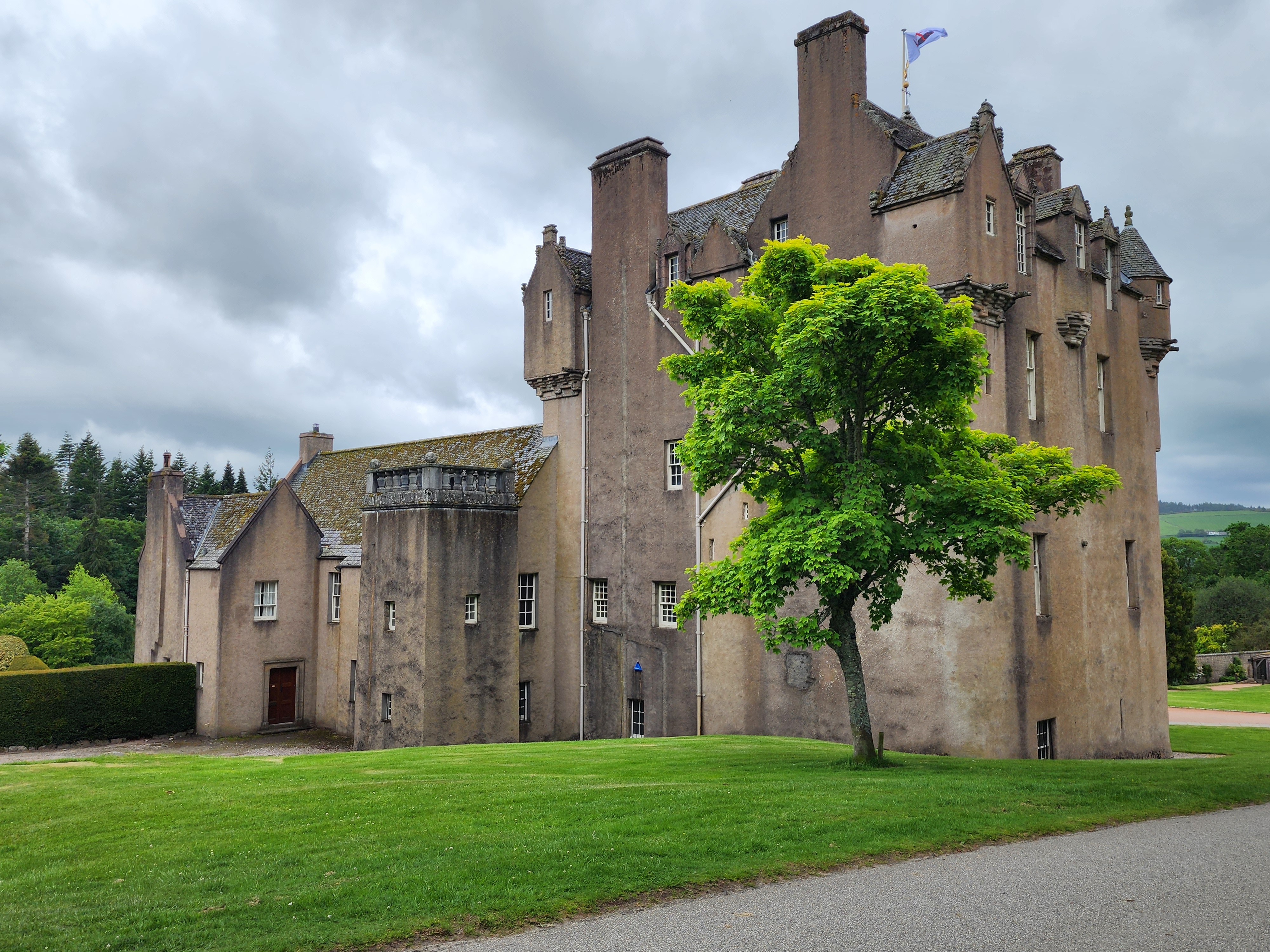
Crathes castle
Once we were back at the bus, the next place on our itinerary was Crathes castle. It’s a handsome-looking castle, and I did go inside to look at the kitchen and the “downstairs” servants’ area, but my foot was not up to walking the steps, so I made my way out to the gardens. They have walled gardens that you need a code to enter (this is to prevent random dog walkers and nonpaying visitors from going inside), and after a brief call to Mom, I entered. The midgies were out, but I didn’t let them bother me.
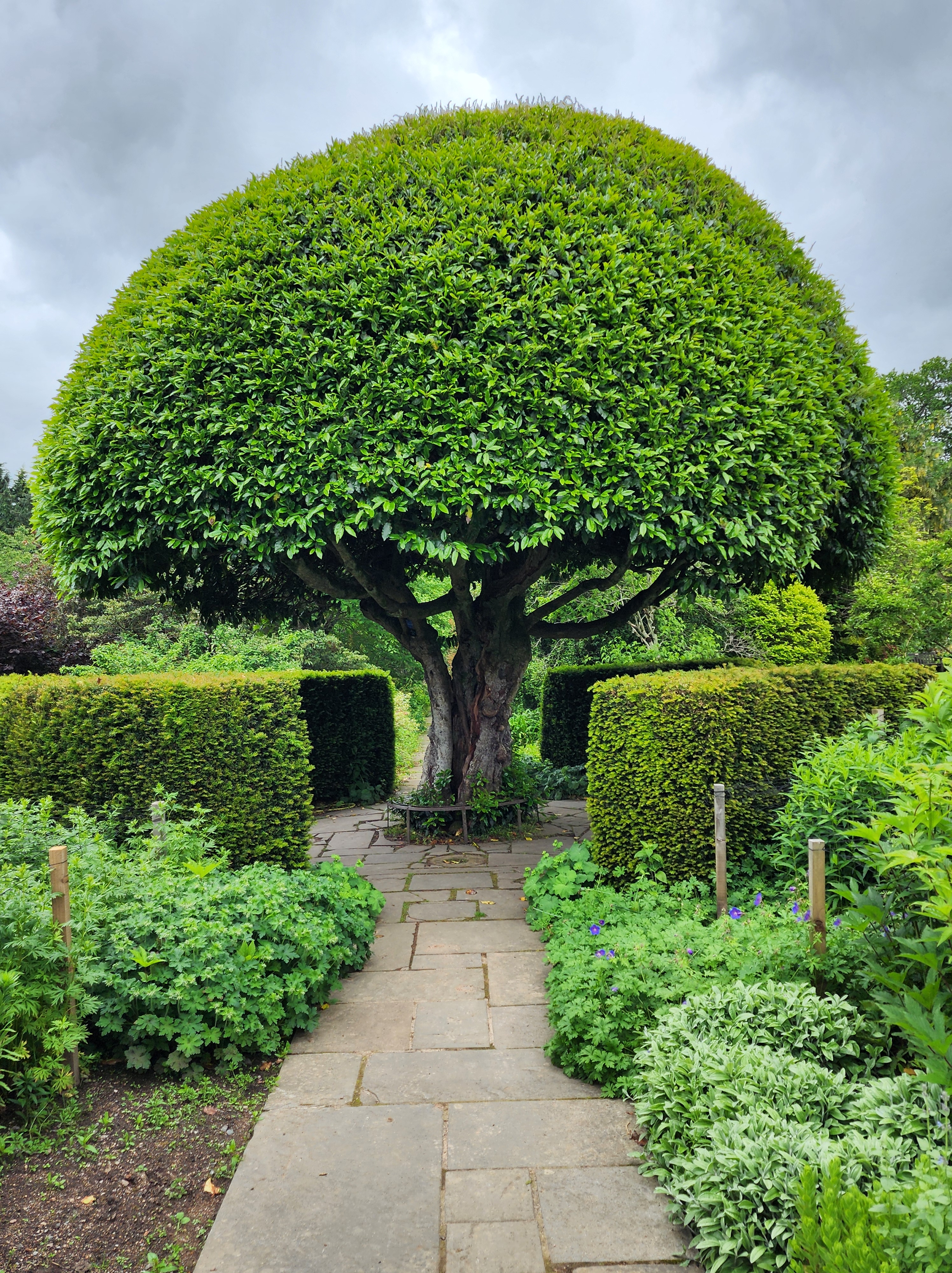
A tree at Crathes castle in the walled gardens
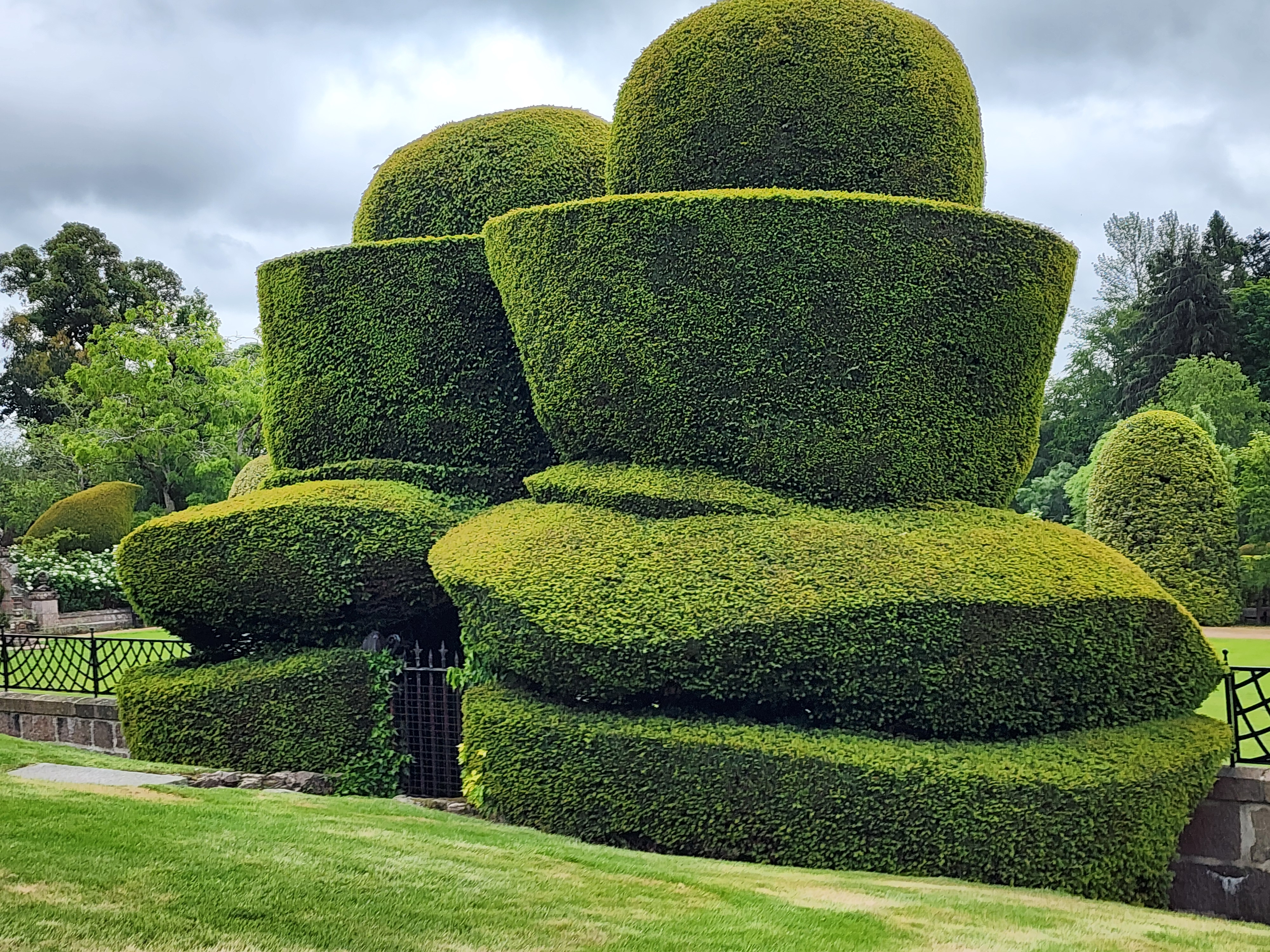
Crathes castle topiary
Chock full gently misted flowers, the gardens gave off their heavenly scents. I walked from place to place, finding new-to-me blooms and little spots to sit and enjoy the afternoon spritz, but eventually I wandered back to the gift shop (of course!) and bought a few little things to bring home, including what I thought were caramels but turned out to be some weird vanilla fudge I did not care for. We went back to Aberdeen to spend the night, and I worked on homework for a little bit, then I crashed early.
Sunday morning, I chose to take breakfast in the hotel. I saw Anne and wanted to sit with her, but she didn’t invite me, so I kept to myself. The full Scottish breakfast consists of tea, toast, bacon, sausage, beans, charred tomato, (runny to my mind) eggs, black (blood) pudding (yuck), and mushrooms. They also had cheese and croissants, but I stuck with toast, ate some slightly dry cheddar, and a big portion of sauteed mushrooms. The robust tea woke me up, and the orange juice, while not cold, was definitely pulpy and strong. I had been running on time, but something didn’t agree with me, and I had to duck into the bathroom for a bit too long (I know, TMI!), so by the time I got down to the reception desk, I was a few minutes behind, and in trying to check out, I managed to leave my cane somewhere. Of course, I didn’t realize I was missing my cane until I got to Fyvie castle—which I loved by the way—and had to walk a long distance without it.
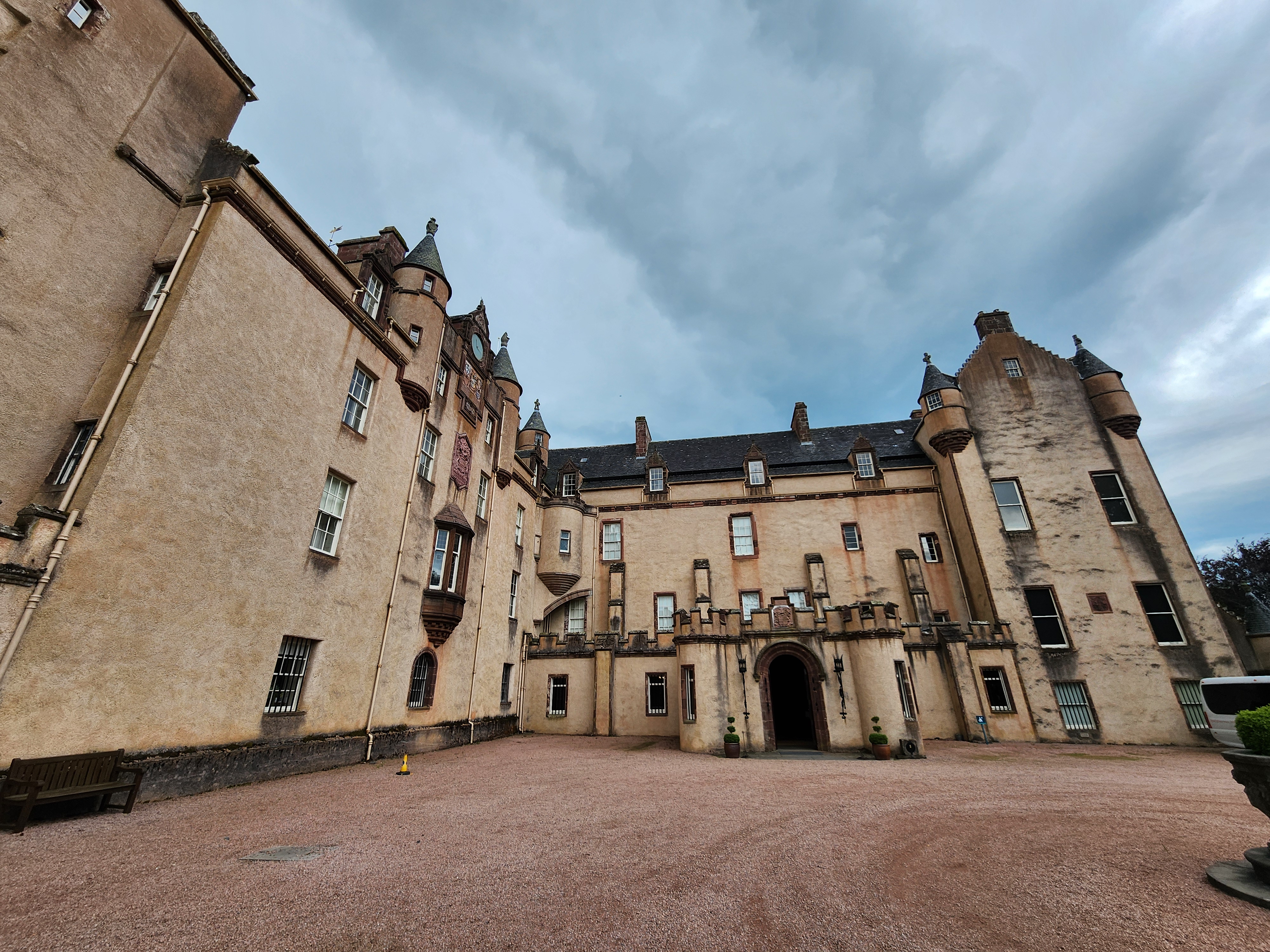
Possibly Fyvie castle… or is it the back of Crathes?
In Fyvie castle, we actually had a guided tour, and it made all the difference from the self-guided tours of the other castles. Our tour guide was bright, informative, and very enthusiastic about the castle. She knew everything and could answer any question a person might have. Fyvie castle is known for its portraits by Henry Raeburn, a famous 18th century Scottish portrait artist who painted many of the people who lived there. The castle also has many richly decorated rooms with heavy red velvet curtains and red wallpaper. It even has a nursery and a governess’s room on the same floor, which apparently demonstrates the status the governess had with the family; instead of being in the servants’ quarters, she had her own little room. The Fyvie castle is known for being visited by King Charles and Camilla, and for holding weddings in a room that has a true player pipe organ—with huge pipes and everything! Apparently, the songs are printed on scrolls with littles holes in them, and where there is a hole, a note plays.
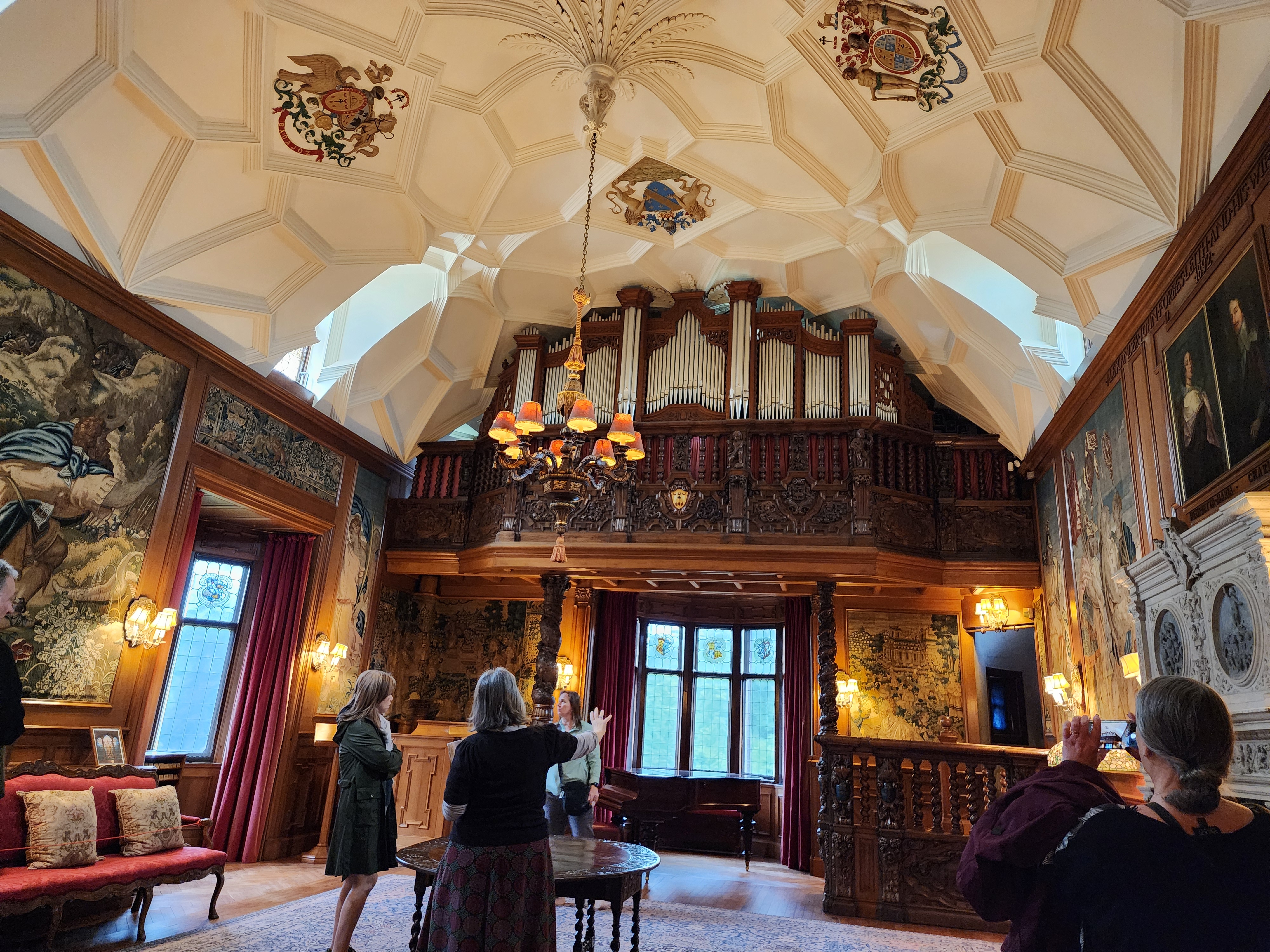
Fyvie castle pipe organ
Fyvie castle also boasts a couple of ghosts. One is the ghost of a happy, beloved dog who died rather tragically, and the other, a more mysterious ghost, is known as the Green Lady. There are little felt green lady dolls all over the castle, and our tour guide mentioned that they tend to move. The Green Lady, they think, is the ghost of first wife of the Earl who lived there, who wasn’t particularly pleased that her husband married someone young and pretty who gave him children. She even, apparently, scratched something on the window ledge of her husband’s bedroom. I looked at it—it wasn’t clear it was a word or phrase. It could have been anything to be honest, maybe scratching from the claws of a large bird.
After Fyvie, we moved on to Elgin for lunch, where I stopped in an out-of-the way pub known as Thunderton House. A sign on its wall outside reads that Thunderton House was
Formerly the Great Lodging of Scots Medieval Kings. Re-built by Alexander, 1st Lord Duffus C. 1650. Prince Charles Edward Stuart stayed here in 1746 prior to Culloden.
I was intrigued by the history, and the offering of a “Sunday Roast.” I obviously didn’t have a reservation, but there was a table for one where they squeezed me in. Sunday Roast was delicious: it offered braised carrots, some peeled potatoes, fancy cabbage, curried mushy peas (which tasted divine—best mushy peas I’ve had in all of Scotland), and a vegetable Wellington (this would be a mixture of root vegetables wrapped in a pastry) with blue cheese sauce. On top of all that, they offered sticky toffee pudding, a Scottish favorite, and it quickly became my favorite too. I had often wanted to try sticky toffee pudding, but I don’t usually get dessert—only this time, it was part of the lunch. I cheerfully could give up all desserts but sticky toffee pudding. It is something you must try one day.
We spent the afternoon driving to the Culloden Battlefield and then to the Clava Cairns, standing stones over 5,000 years old. Culloden was the site of the 1746 Jacobite uprising which ended badly for the Scottish. It is a great field with high grass, and you can feel the solemnity there. It’s quiet, and I do want to say there’s a holiness there. But actually, it’s just a big grass field. Had it been a bit drier, I might have gone wandering in the grass, but I chose to go to the café instead.
I found a Pepsi Max (they were out of Coke Zero, and I made do, because I believe drinking it will shave off a few years from Purgatory for me), and looked around the café to find a place to sit. This time Anne invited me to join her, and we both talked about having been to Culloden before, and what we thought about the tour, etc. Anne, who will turn 60 in July, had been really kind to me throughout the tour, constantly checking up on me because I moved more slowly than the rest of them. She was very afraid she might have overstepped her boundaries, but actually, it was quite nice. I felt cared for, and seen. I even gave her my phone number and email in case she wanted to get together while I was in town. So far, I haven’t heard from her, but she might contact me yet.
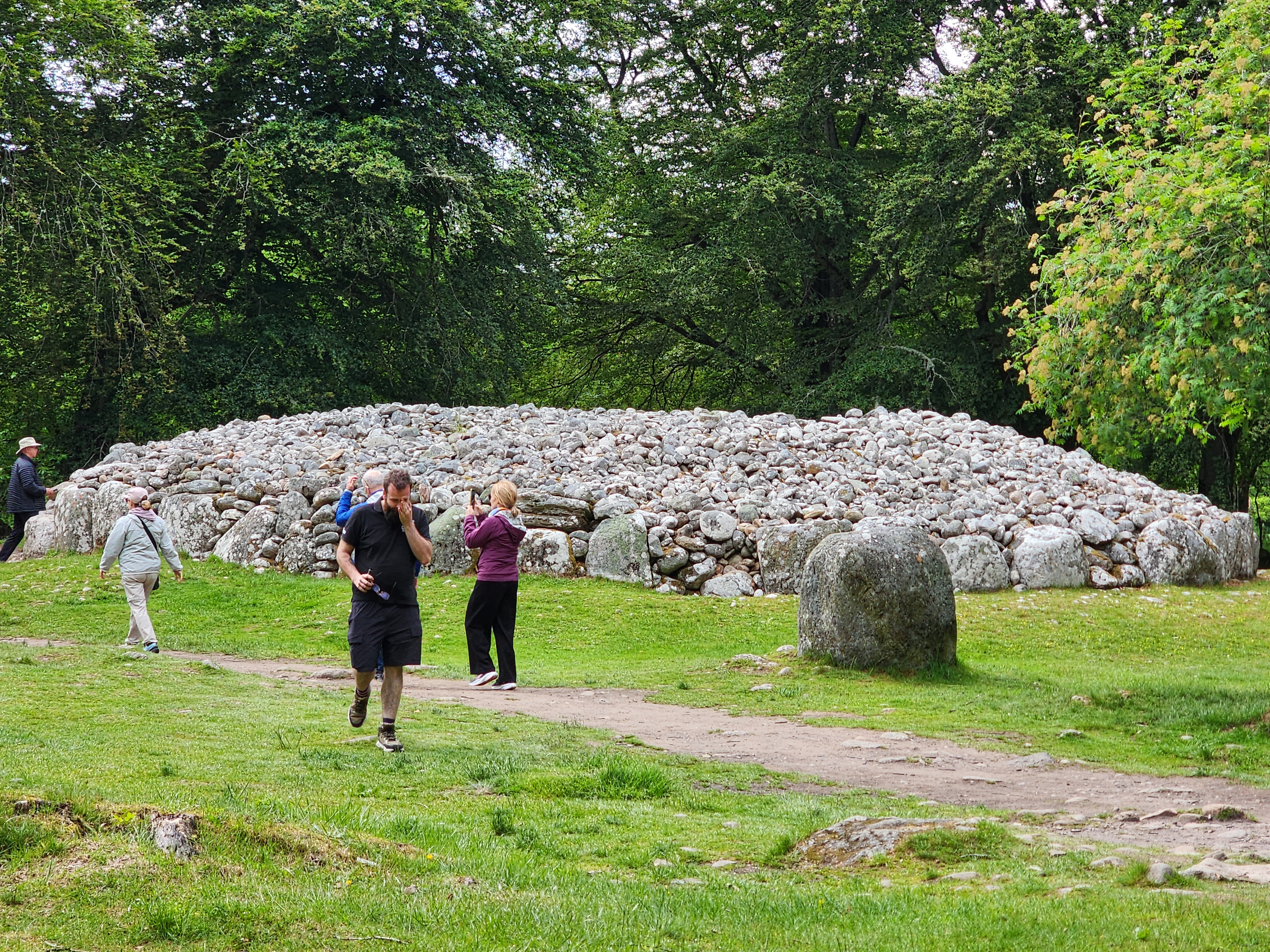
Clava Cairns
The bus tour guide rounded us up afterward, and we went to the Clava Cairns, which I’ve also seen multiple times. They’re interesting, but they are just stone mounds off the road. Anne told me she loves them, and I tried to look at them through her eyes, but I think by then I was really too tired to appreciate seeing the stones anew. Still, I took a few pictures, then wandered off to find a tree stump to sit on for a few moments. We drove to our accommodation in Nairn; I stayed at the Glen Lyon B&B, which was charming and my room was teeny. But the bed was soft and comfortable, and I went to sleep early.
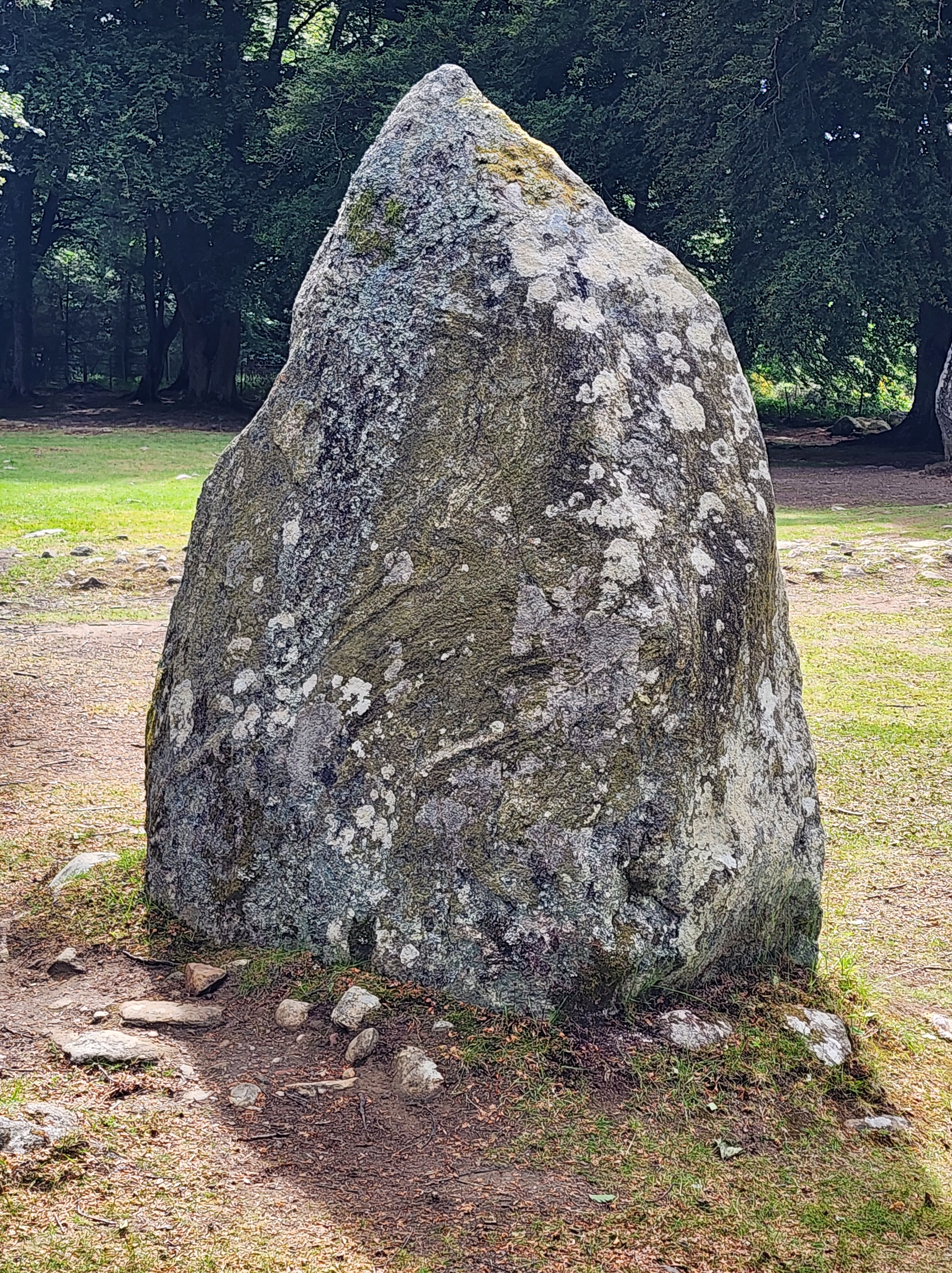
Clava Cairns standing rock
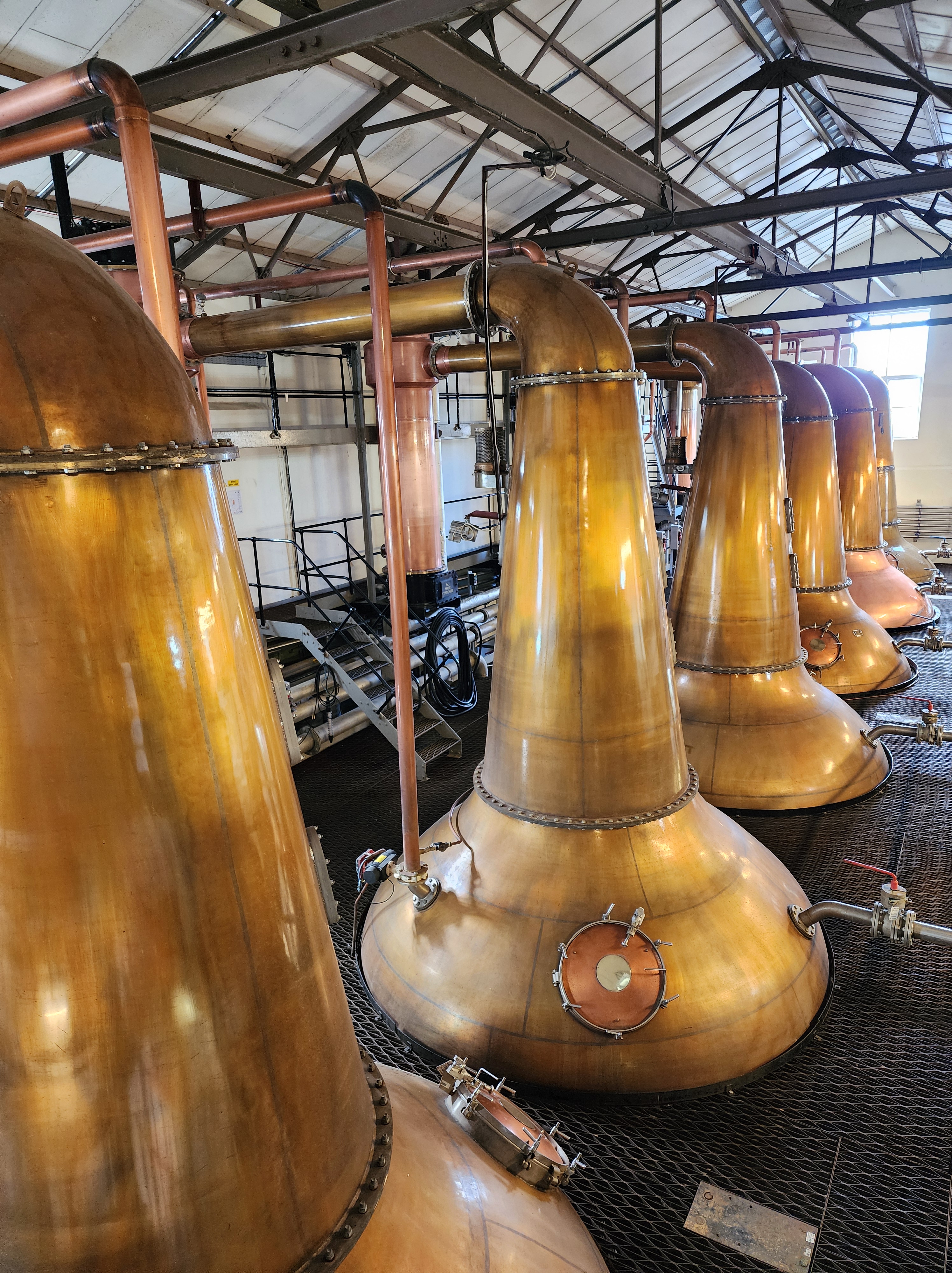
Cardhu Distillery stills
The last day of our tour, we stopped at Cardhu Distillery. I had also visited there before, when I took Rabbie’s Speyside whisky tour, but it was nice to see the mash tuns and copper stills again. This was especially nice because Cardhu was in their summer break, so the still room wasn’t hot as hell. I love the smell of malted barley and whisky—it smells of honey and earth. You can almost eat the air. And at the end of the tour we tried a flight of Cardhu whiskies and a whisky highball (with ginger and Johnny Walker). The Cardhu workers were kind enough to deliver the whisky to me, instead of my having to go up a windy spiral staircase to get to their tasting room. I wasn’t feeling very well, so it was nice that I could find a comfy seat and have them cater to me. After drinking three drams and a highball, I was a bit tipsy. So it was a good thing we still had to drive to one more place, Blair castle, the seat of the Duke of Atholl.
The 11th Duke of Atholl, John Murray, lived with his wife in South Africa. They weren’t exactly rich; in fact, they had been arguing over whether to buy a second-hand car or take a 2 week vacation, with his wife favoring the vacation. But anyway, he didn’t know he was the heir. In fact, he was a second cousin once removed from the 10th Duke, and when the 10th Duke died with no issue, apparently the office of the deeds and titles called Murray and said something along the lines of “We have great news, you’re now the next in line to be the Duke.” Murray thought it was a prank call and hung up. The office called back and said, “Don’t hang up, but we want you to know you’re the new Duke.” After a few choice expletives, he hung up on them again. Desperate to communicate, they called back one more time, and this time the wife answered. They instructed her not to hang up too, and then told her that her husband was now the Duke, and would have access to a castle and lands as far as the eye could see, he would have his own private army, and he would have £250,000,000. And that’s when his wife called her husband over and said, “Listen to this guy, and DON’T HANG UP.”
The Duke of Atholl was charismatic and helpful to his community, and he gave much of his wealth away. He became ill though, and spent the last few years in a care home in South Africa. The 12th Duke of Atholl and the Murray’s other children weren’t too happy with the philanthropy… but that’s my little historical lesson about the Atholl dukedom.
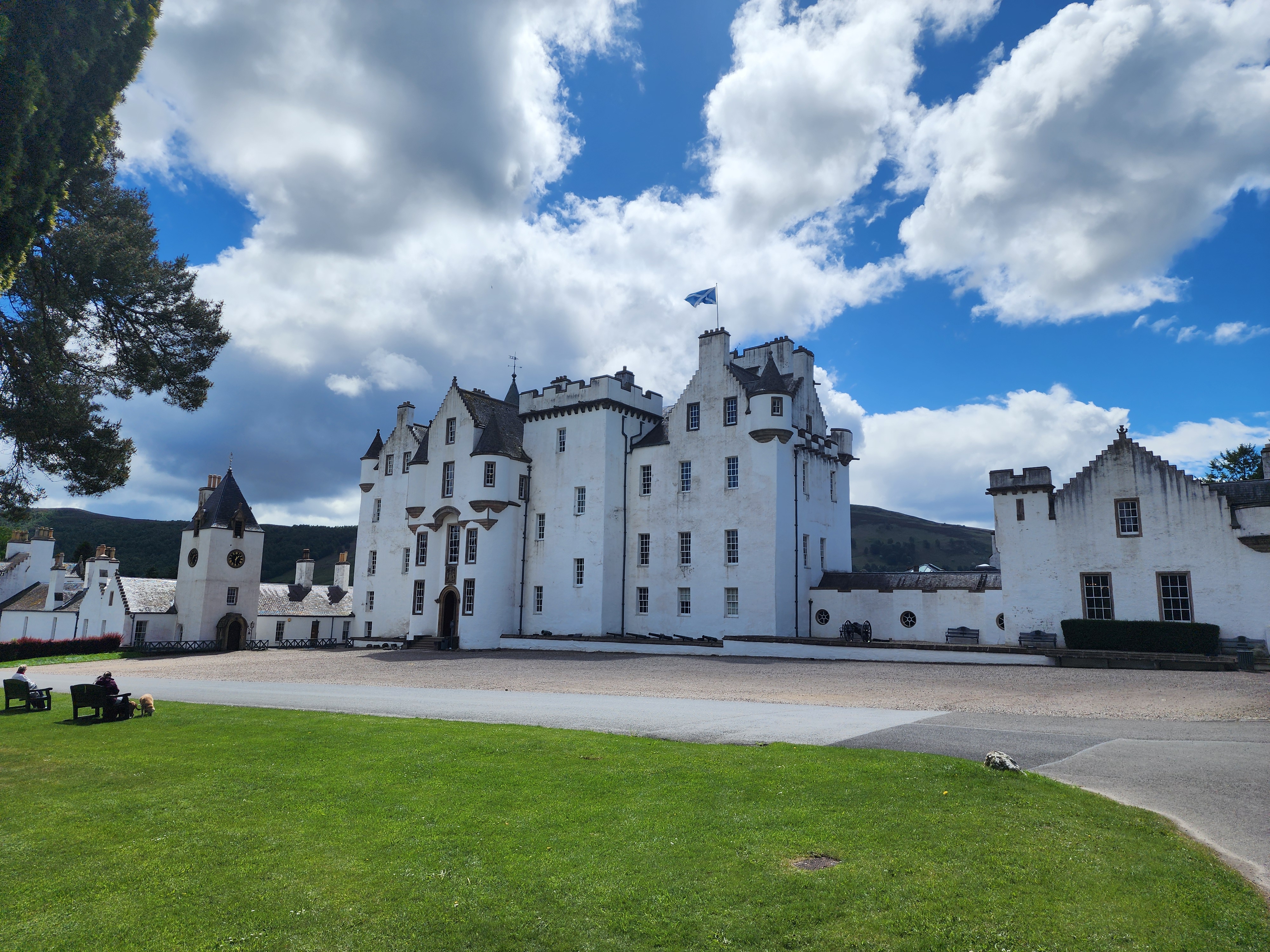
Blair castle, home of the Duke of Atholl
As for the castle, Blair is a fairy tale white monstrosity, but also a beauty with turrets and little spires. The grounds have a deer park as well as trails and flowers, including a 9-acre walled garden. I went to look for the deer first, but they were all crowded at the other side of the paddock under some trees, and then after phoning Mom to check in, I went into the castle. The very first room you go is deep, dark wood with hundreds of various weapons on the wall. Because it’s the entrance (and they don’t want people impeding entry), you’re not allowed to take pictures—you have to wait till you go upstairs on the bridge and take photos looking down. But it is impressive to see all of the weapons the various Dukes collected. Next you’re led into a hall of antlers, and you make your way through over 30 rooms. The bedrooms are sumptuous with their drapes and duvets, and there are so many paintings on the walls. The dining hall was a converted Great Hall, and the elegant tableware looks as if it’s awaiting a banquet. I was very fond of the red drawing room, which not only held lovely antiques, but there were three women’s dress forms wearing the kinds of dresses women of the 18th century would wear; they were film reproductions. (Did I get the names of the films? Of course not, but I think Keira Knightley wore one of them.)
I enjoyed the trip, but it began to feel a little long and repetitive, and I was barely acclimated to the time zone shift. I can’t say I’m any more acclimated now—it is very hard to go to bed when the sun is still out. There was so much to see that in a small way it kind of all runs together. But I appreciated seeing new-to-me castles and gardens, and seeing a few new places in Scotland than I have before.
I know this was a long post. Thanks so much if you’ve read this far!
Stay tuned… I’ll be writing about the Isle of Skye next!
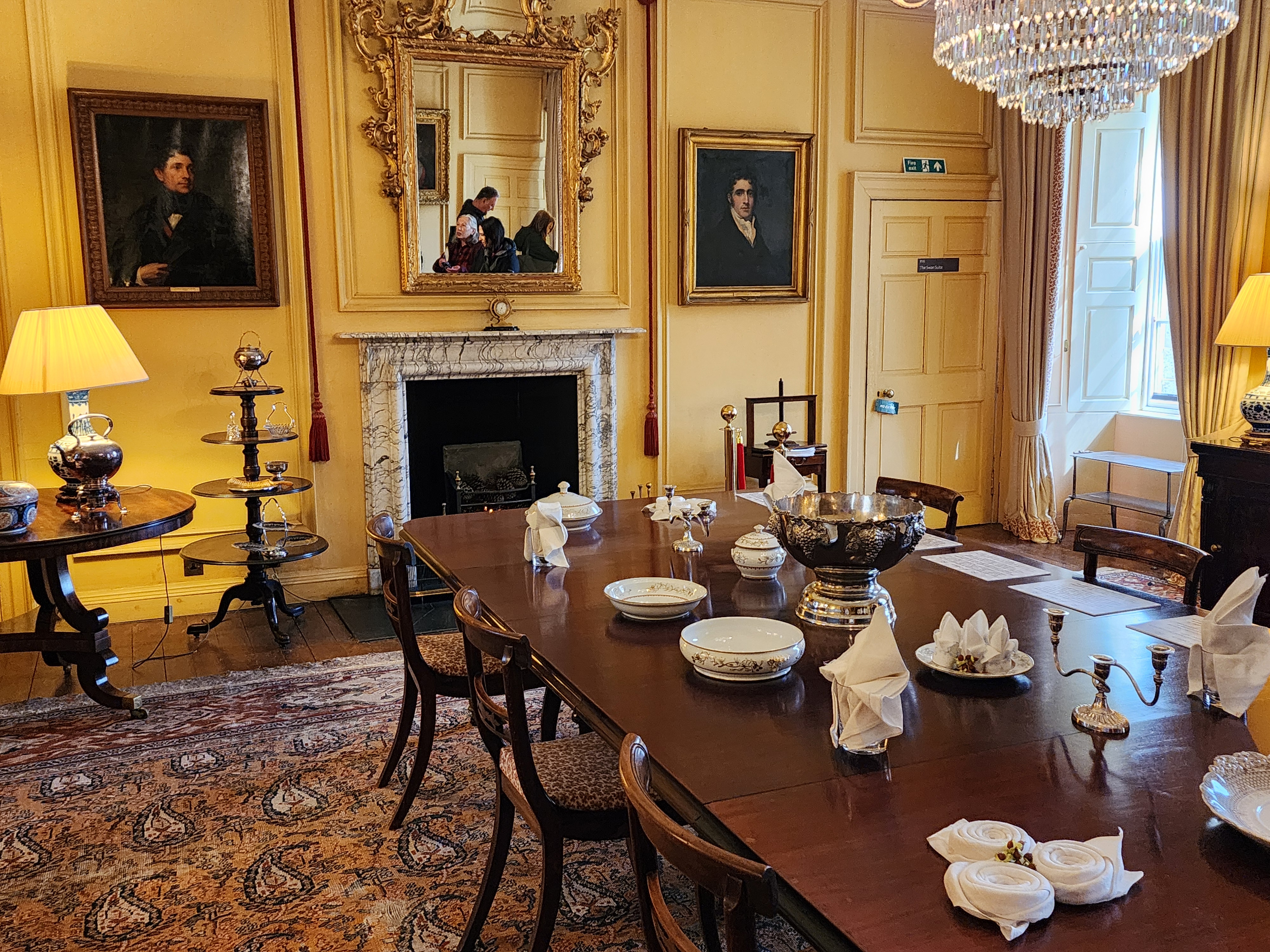
Castle Fraser dining room
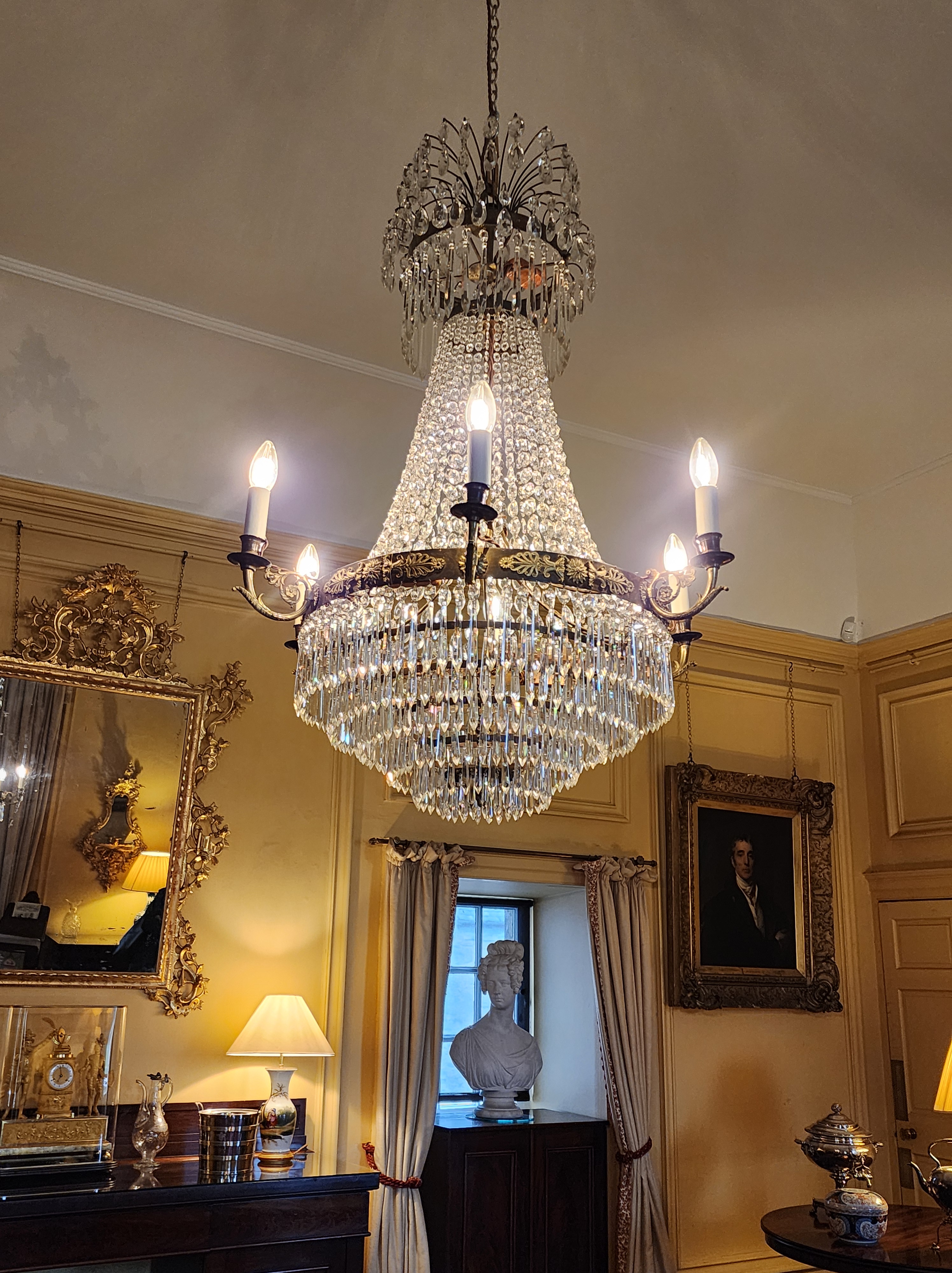
Castle Fraser dining room chandelier
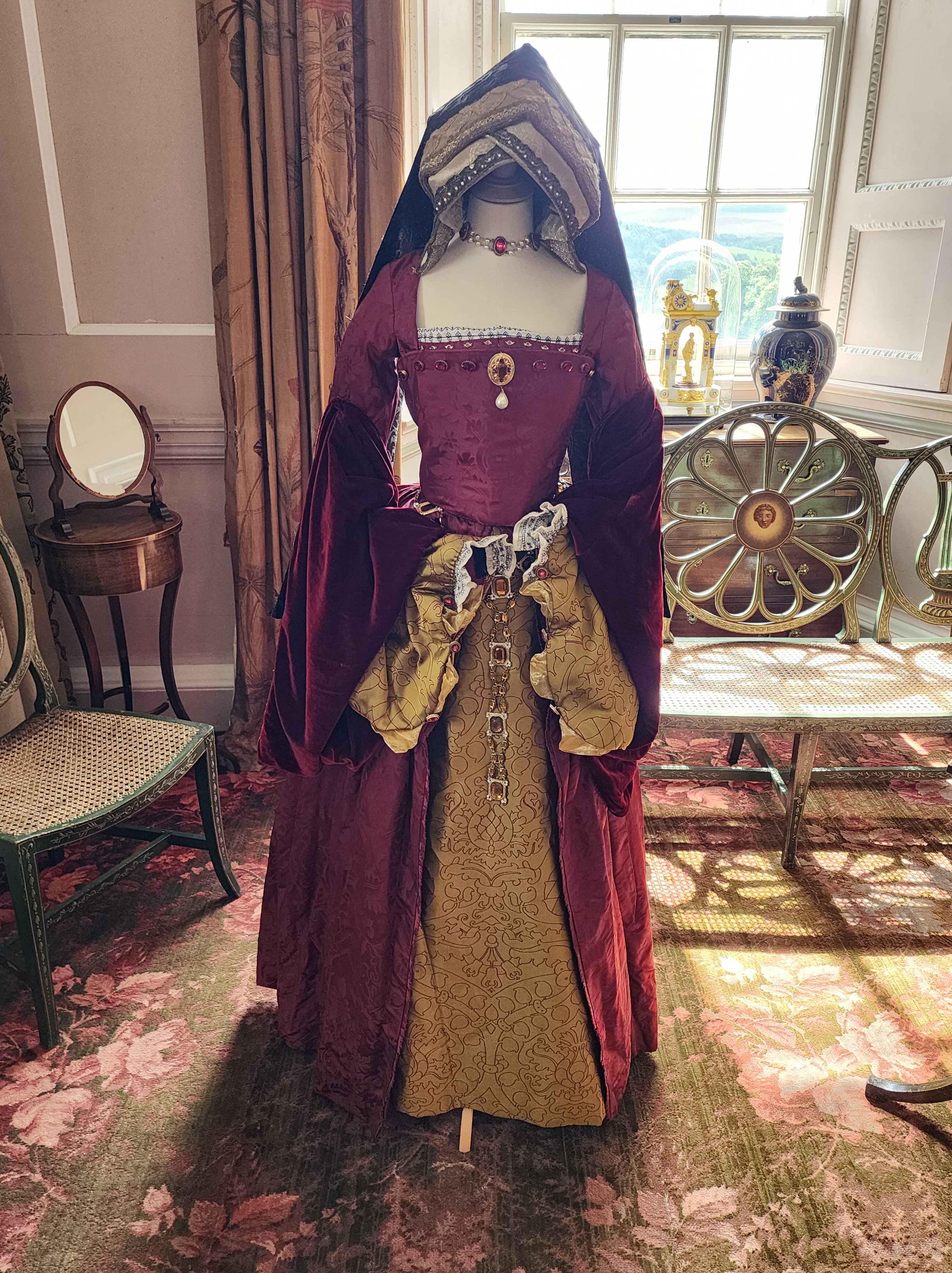
Renaissance style dress
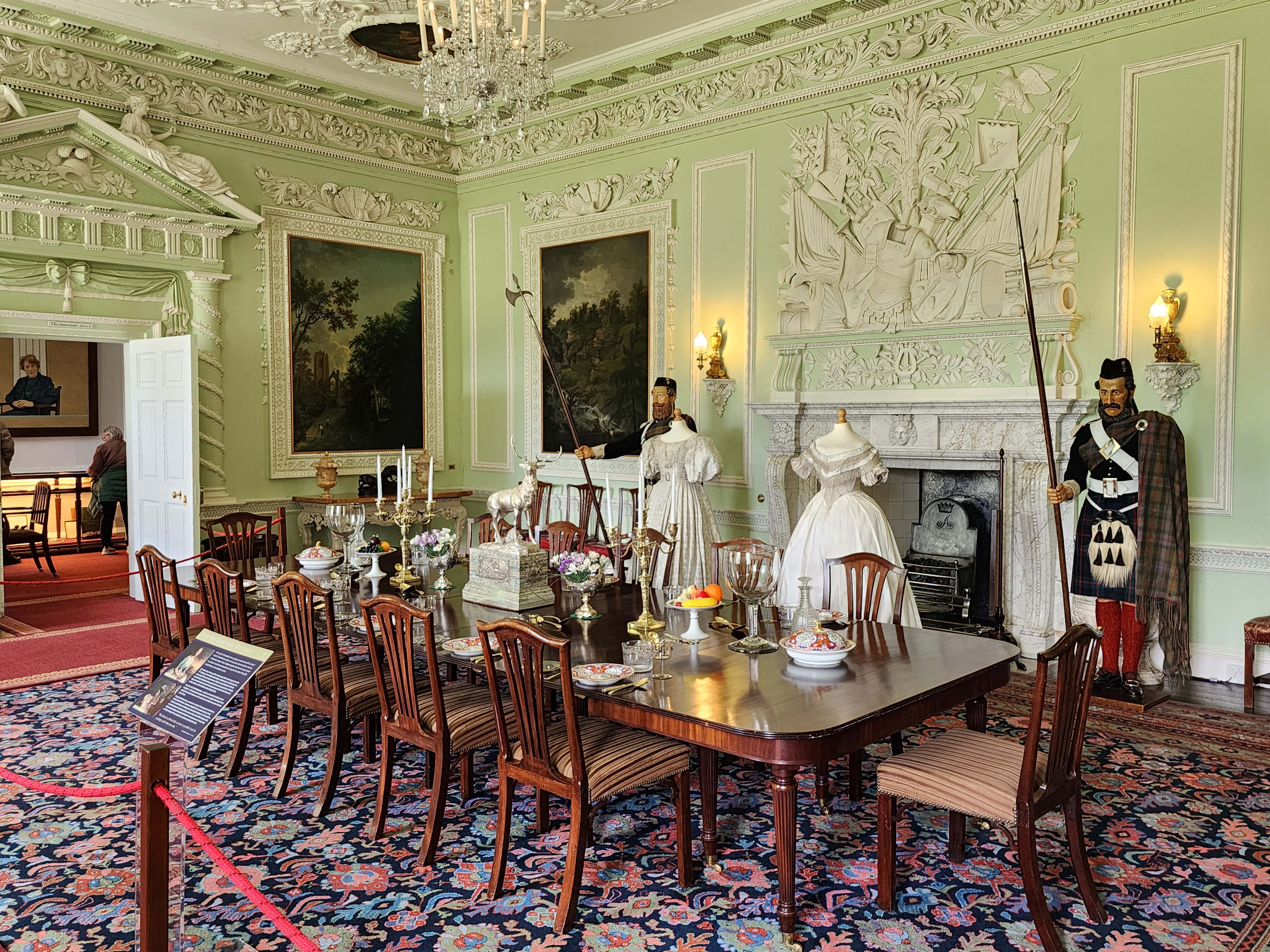
Blair castle dining room with wedding dress in the background
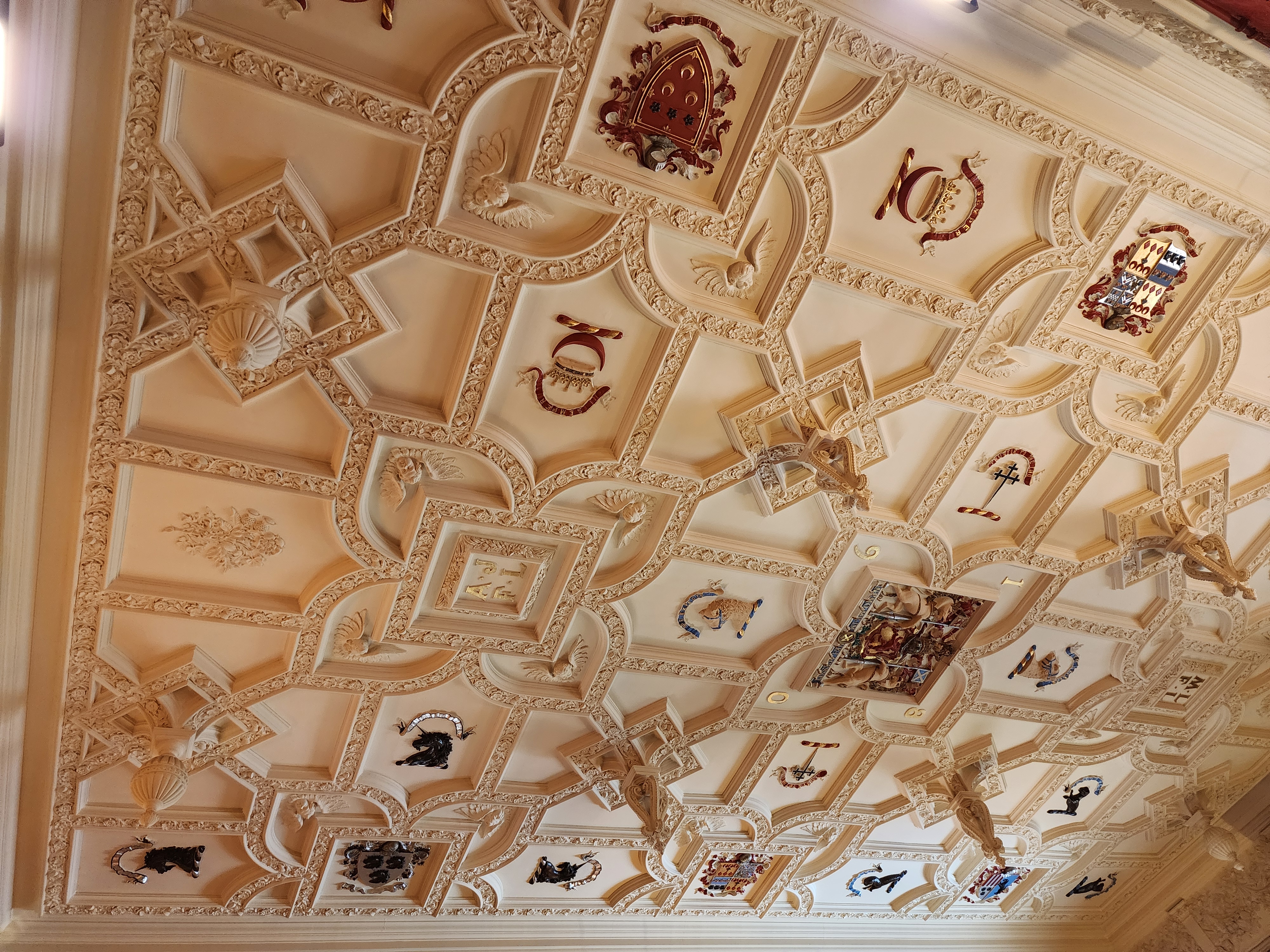
A fancy ceiling at Fyvie castle
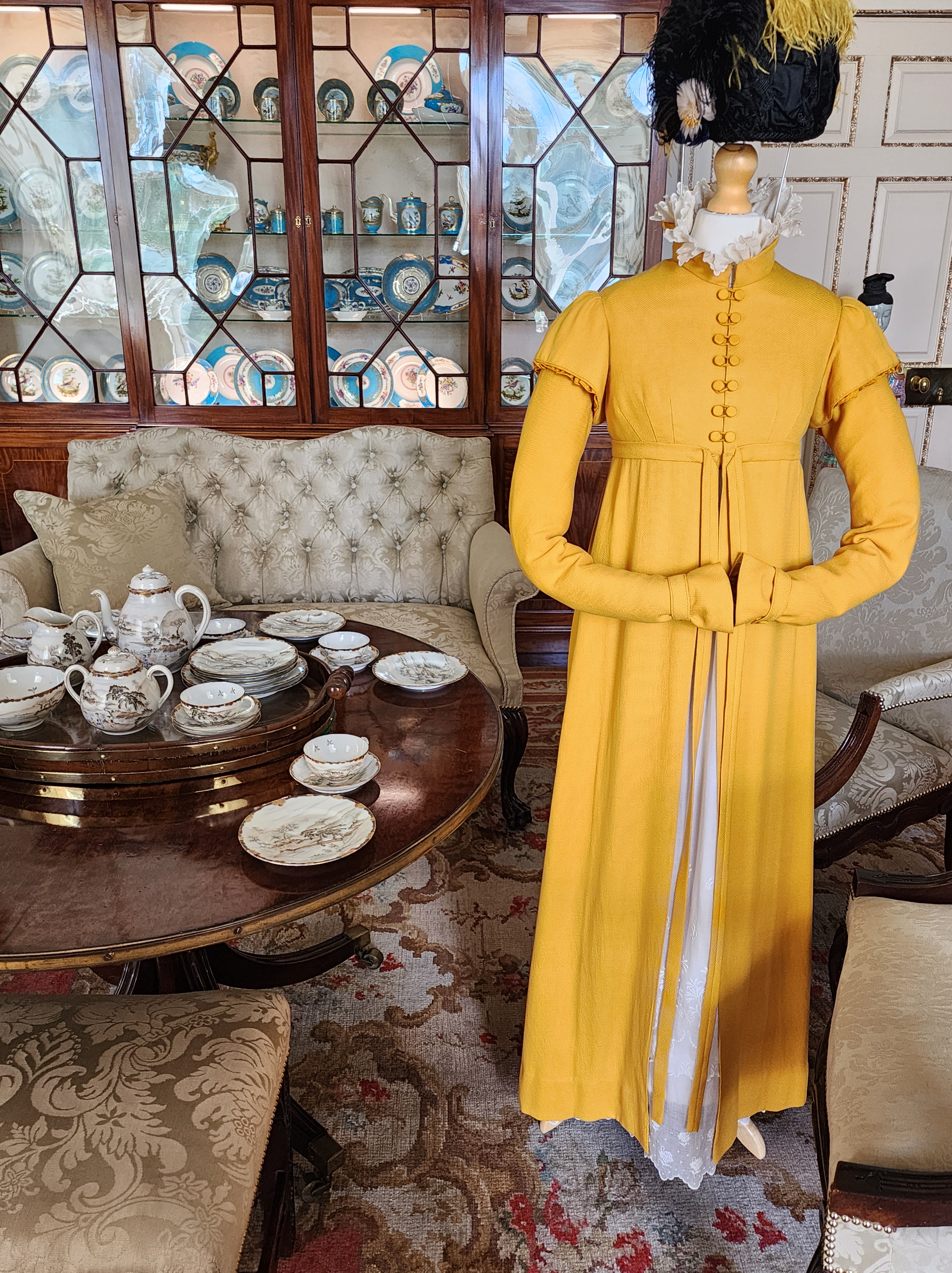
Regency pelisse
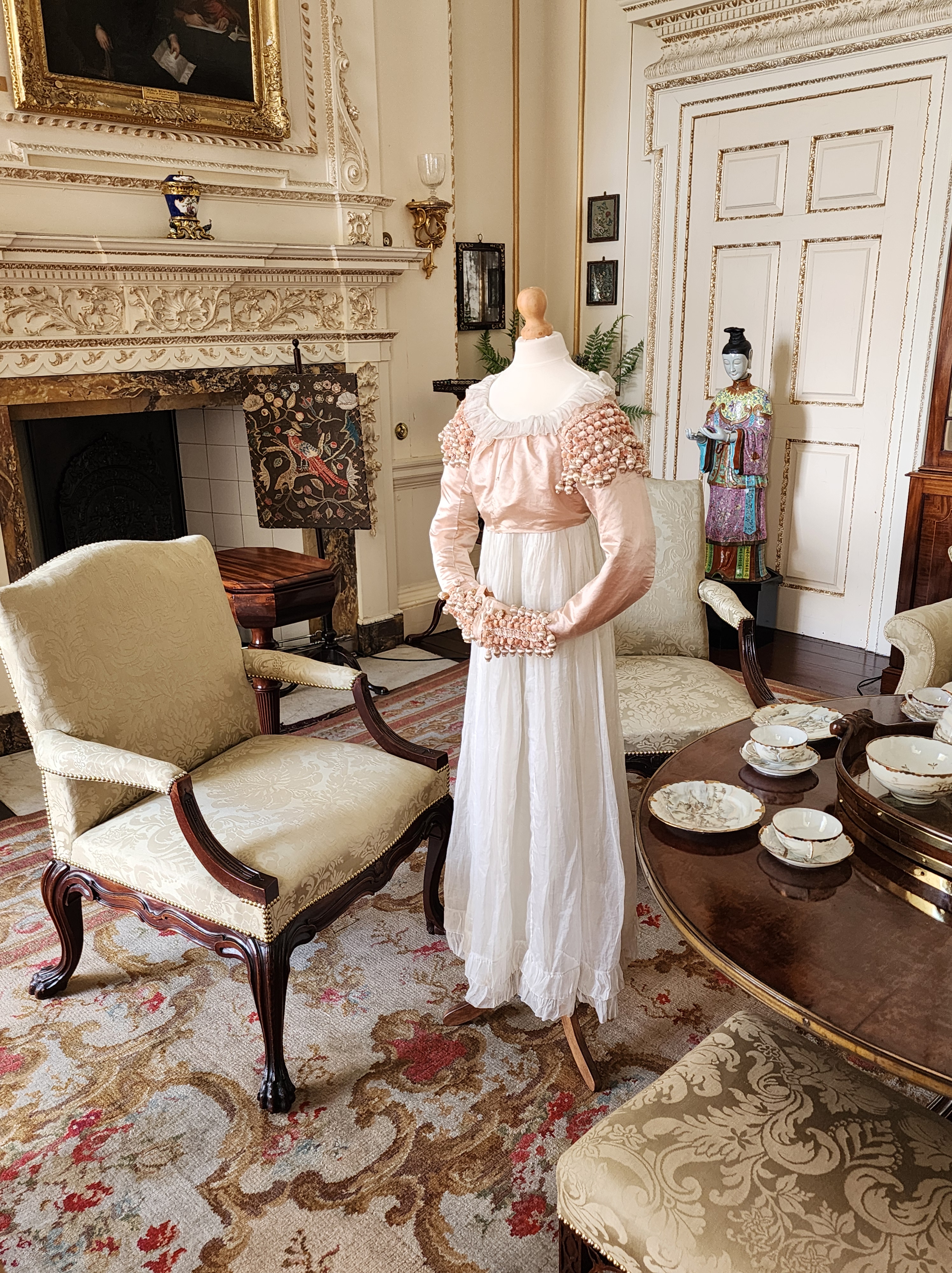
Regency dress
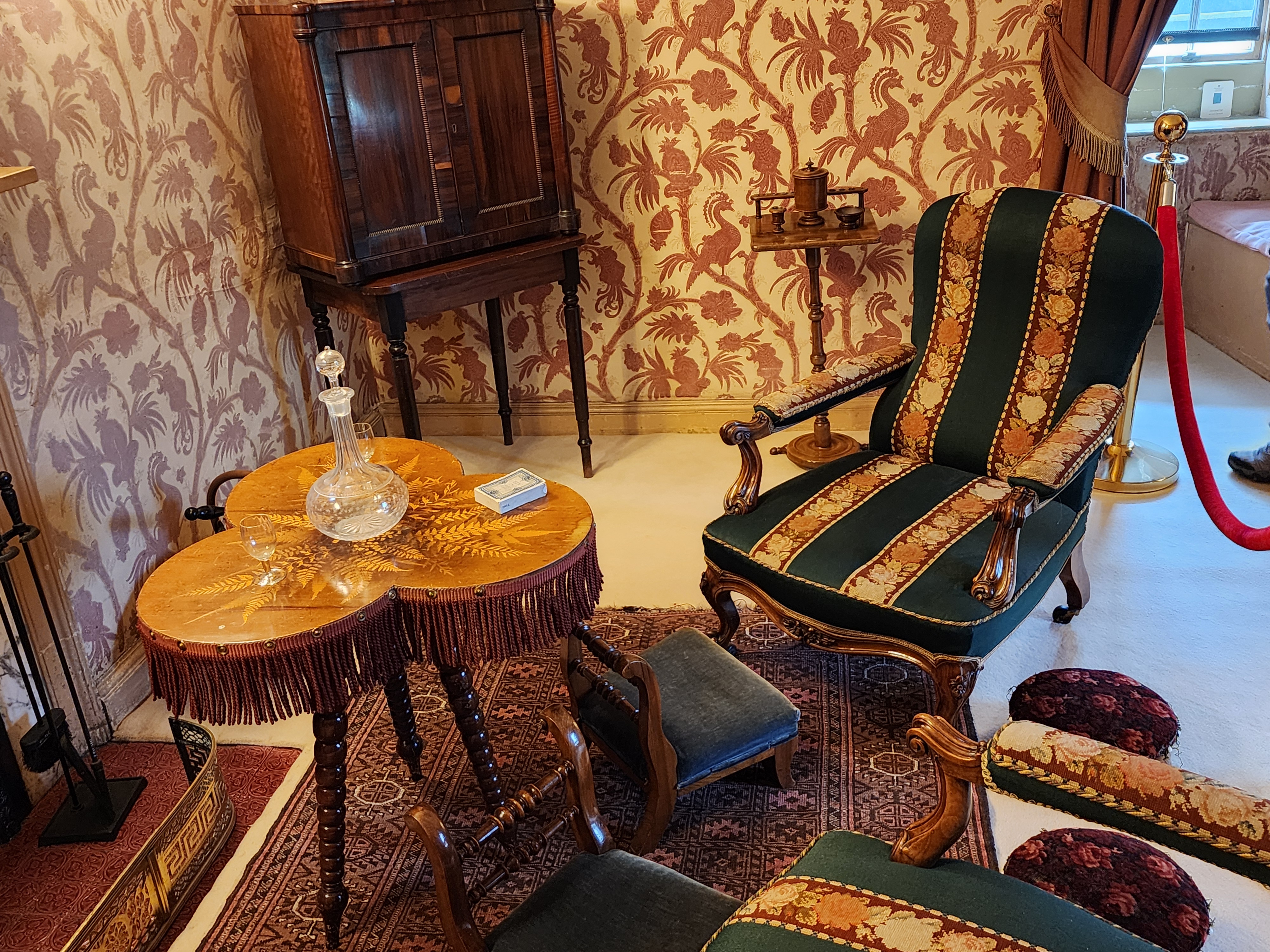
Castle Fraser gentleman’s smoking room
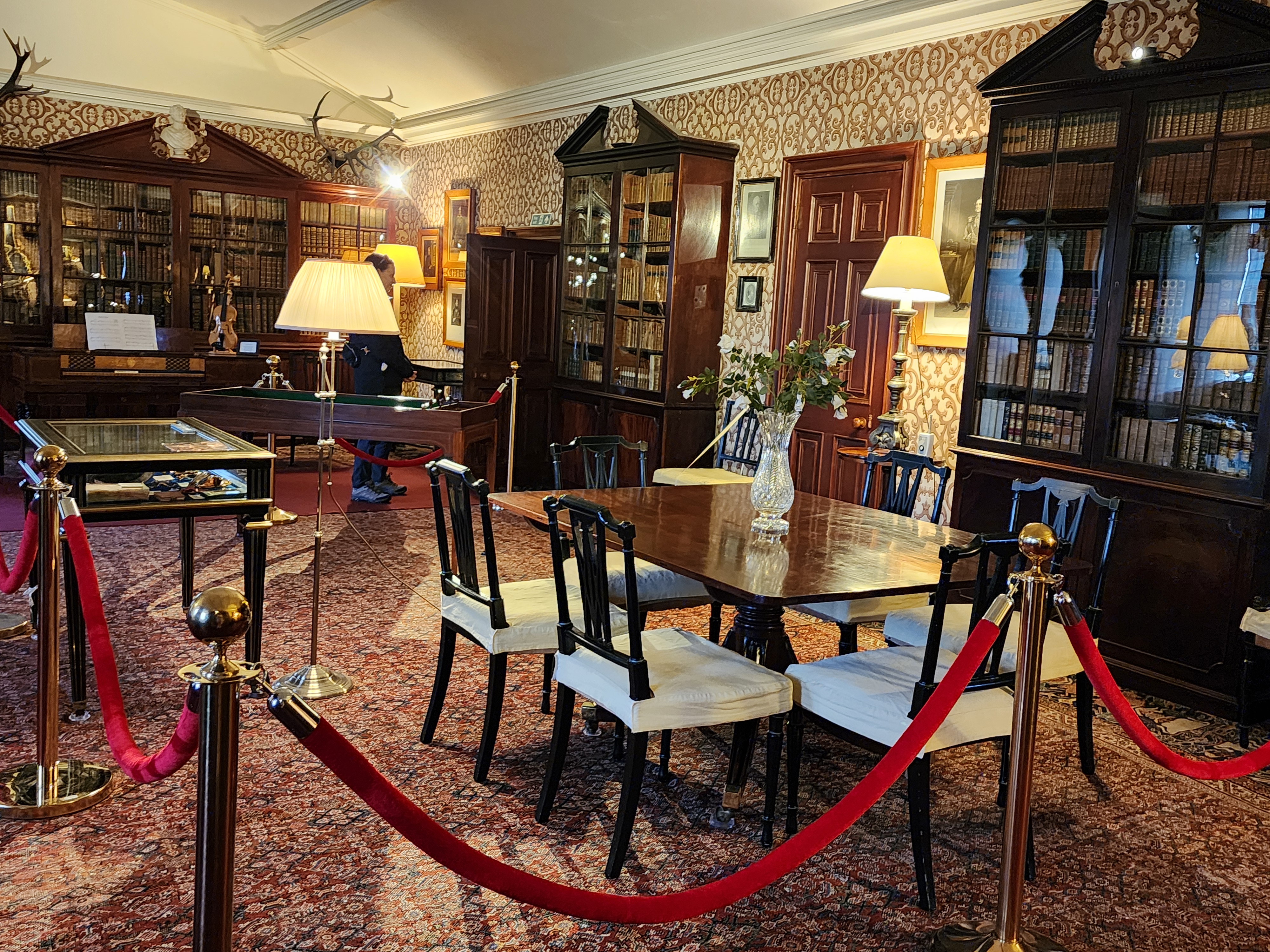
Castle Fraser library
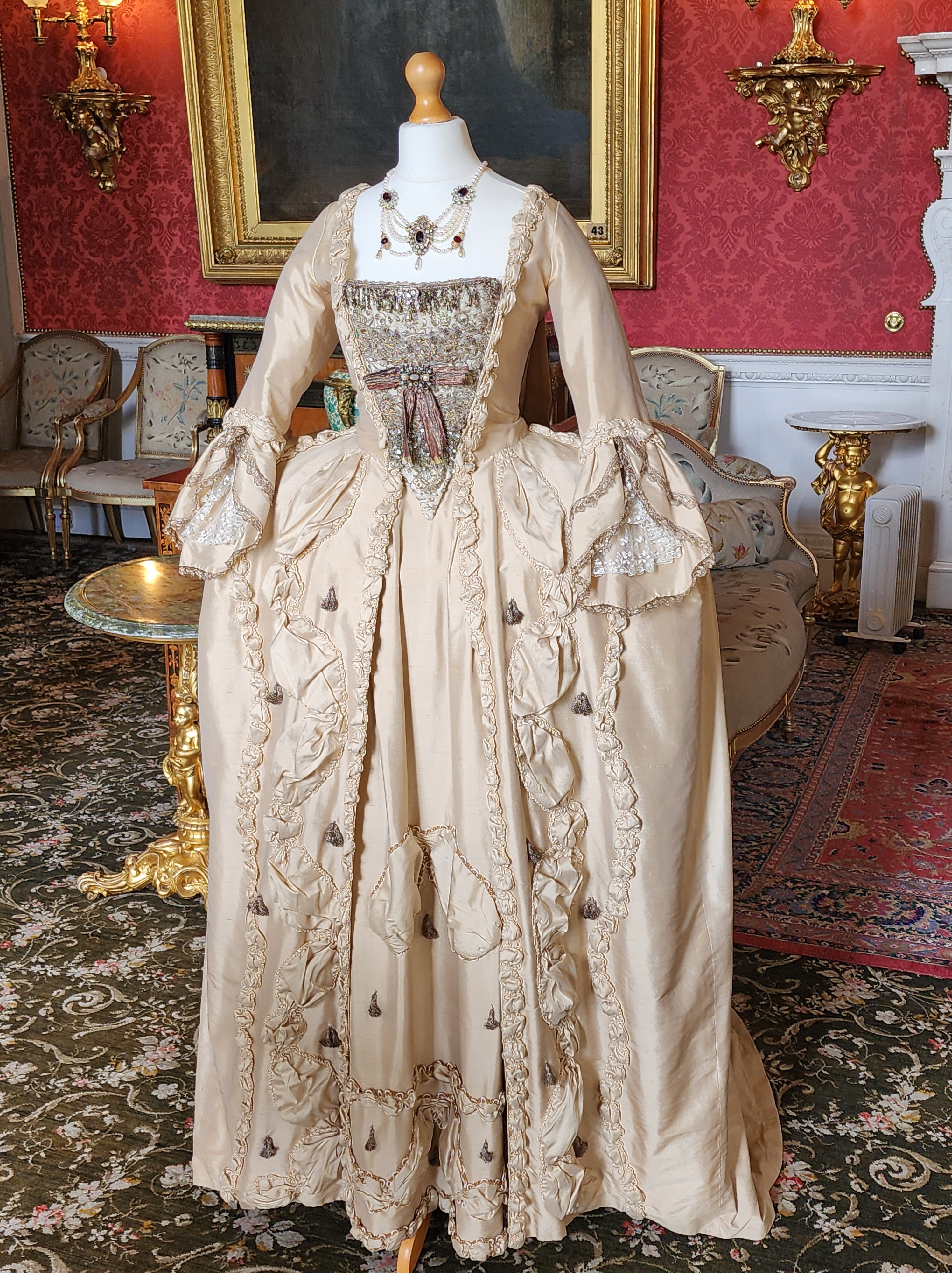
18th century dress
A thirsty baby moo
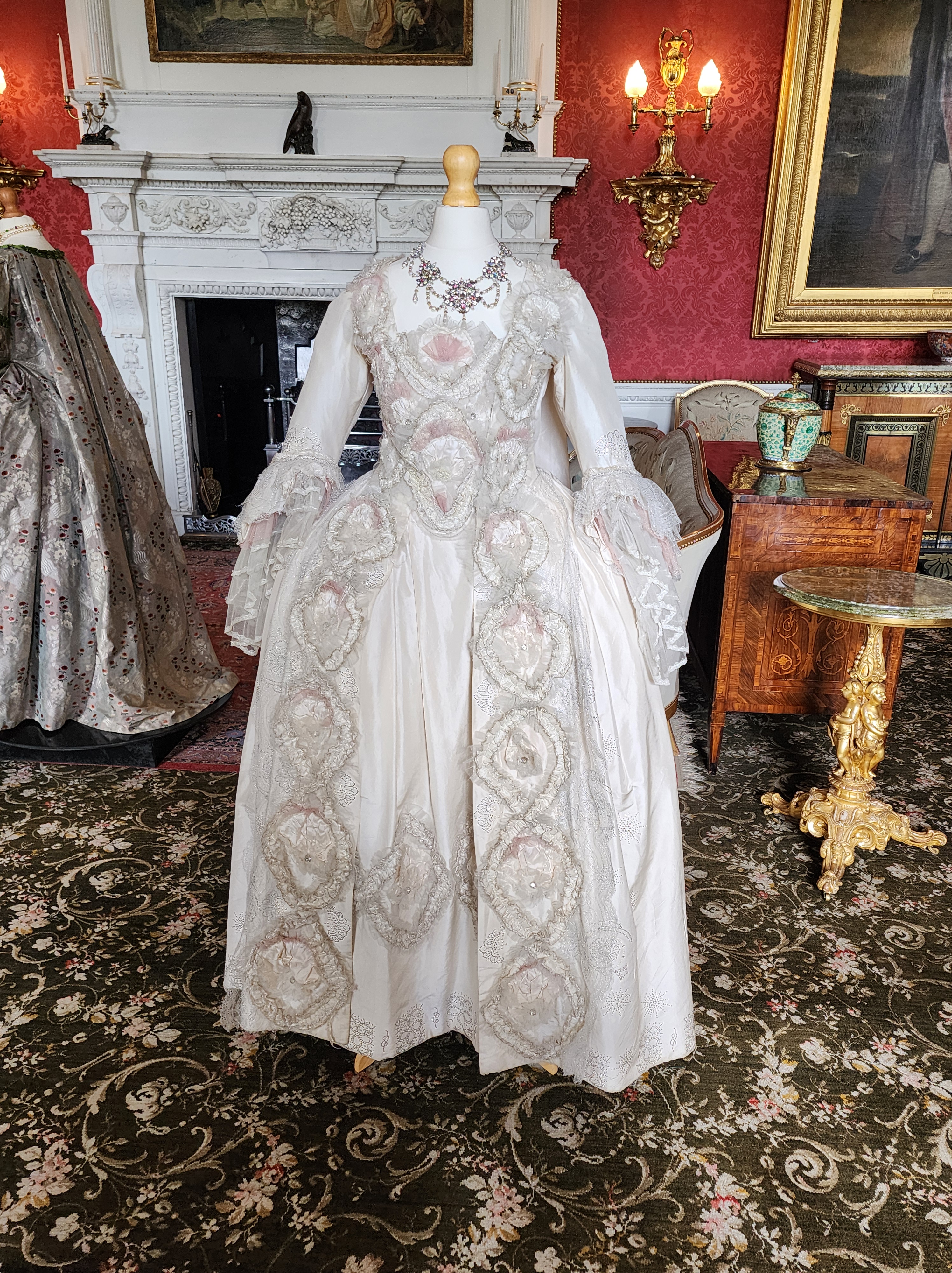
Another 18th century dress
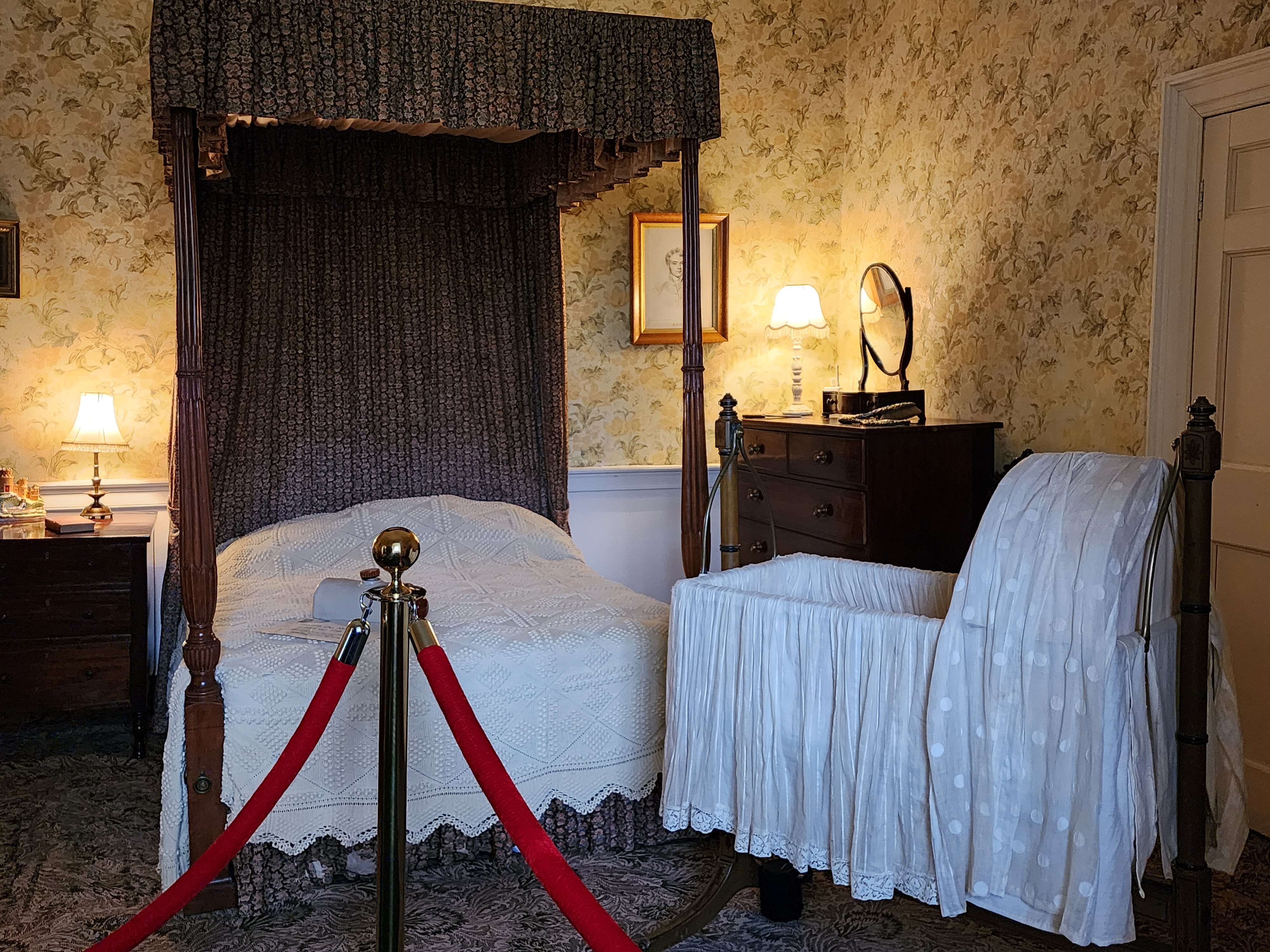
Castle Fraser bedroom with crib
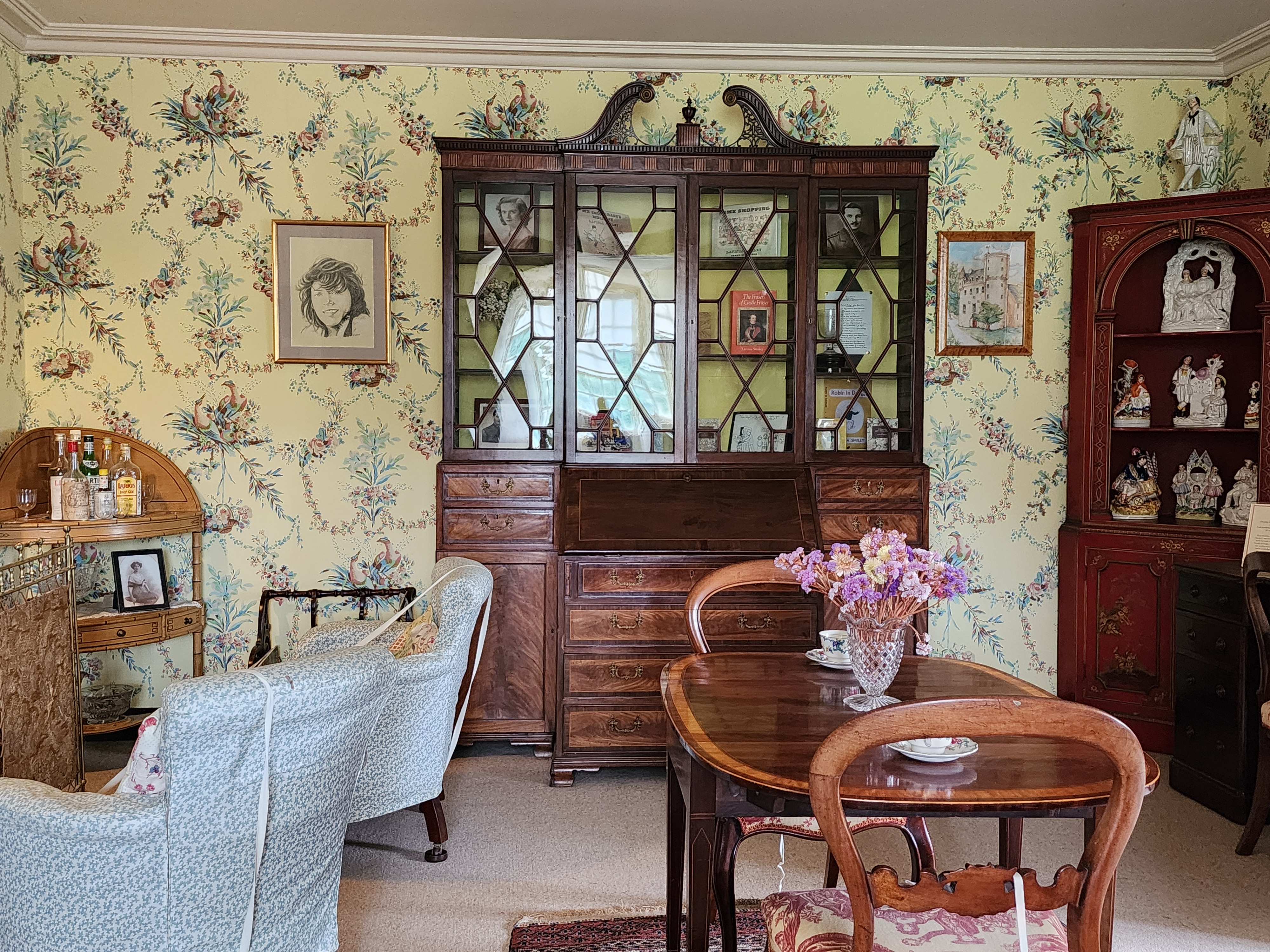
Castle Fraser morning room
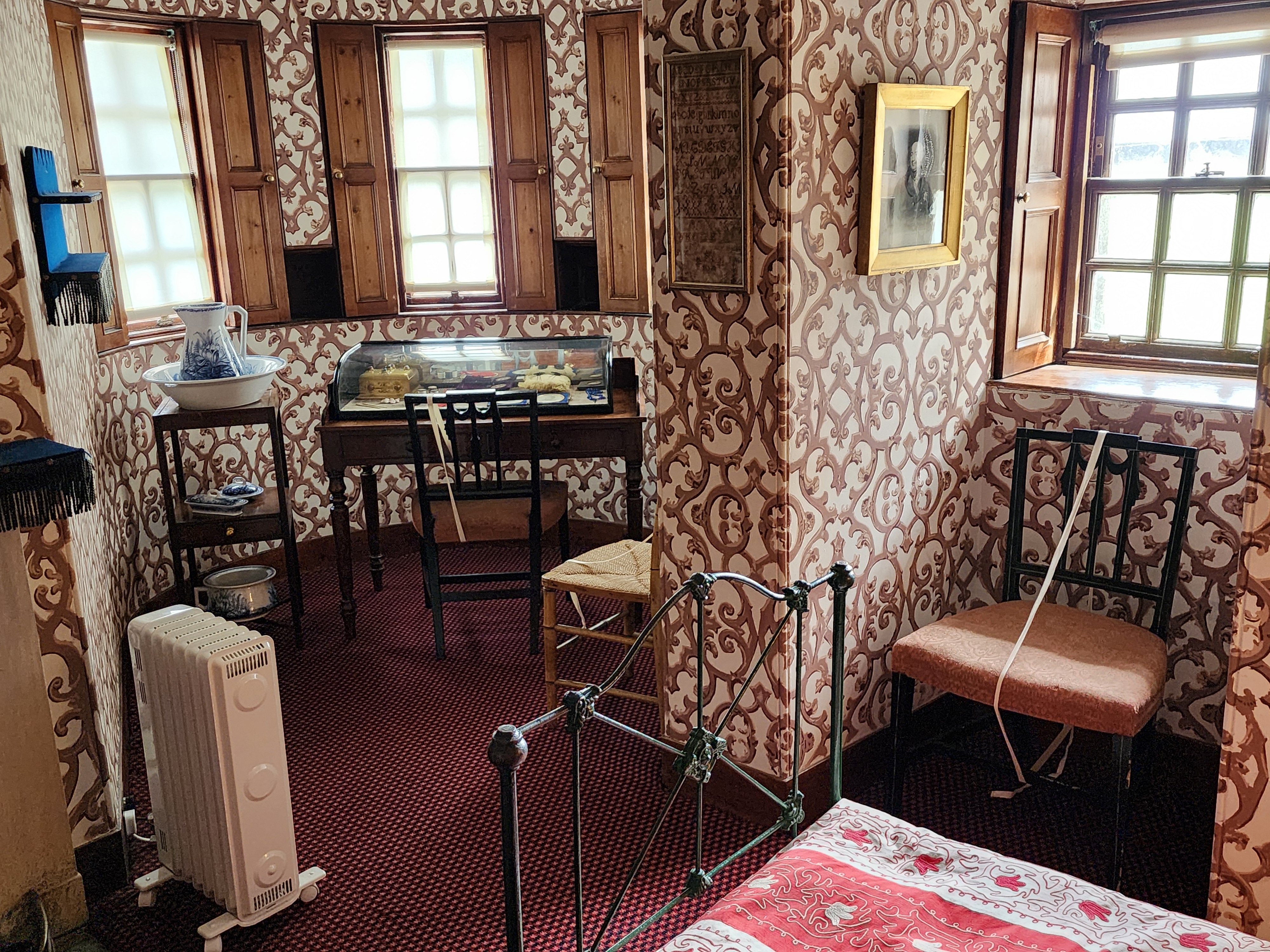
Castle Fraser governess’ suite
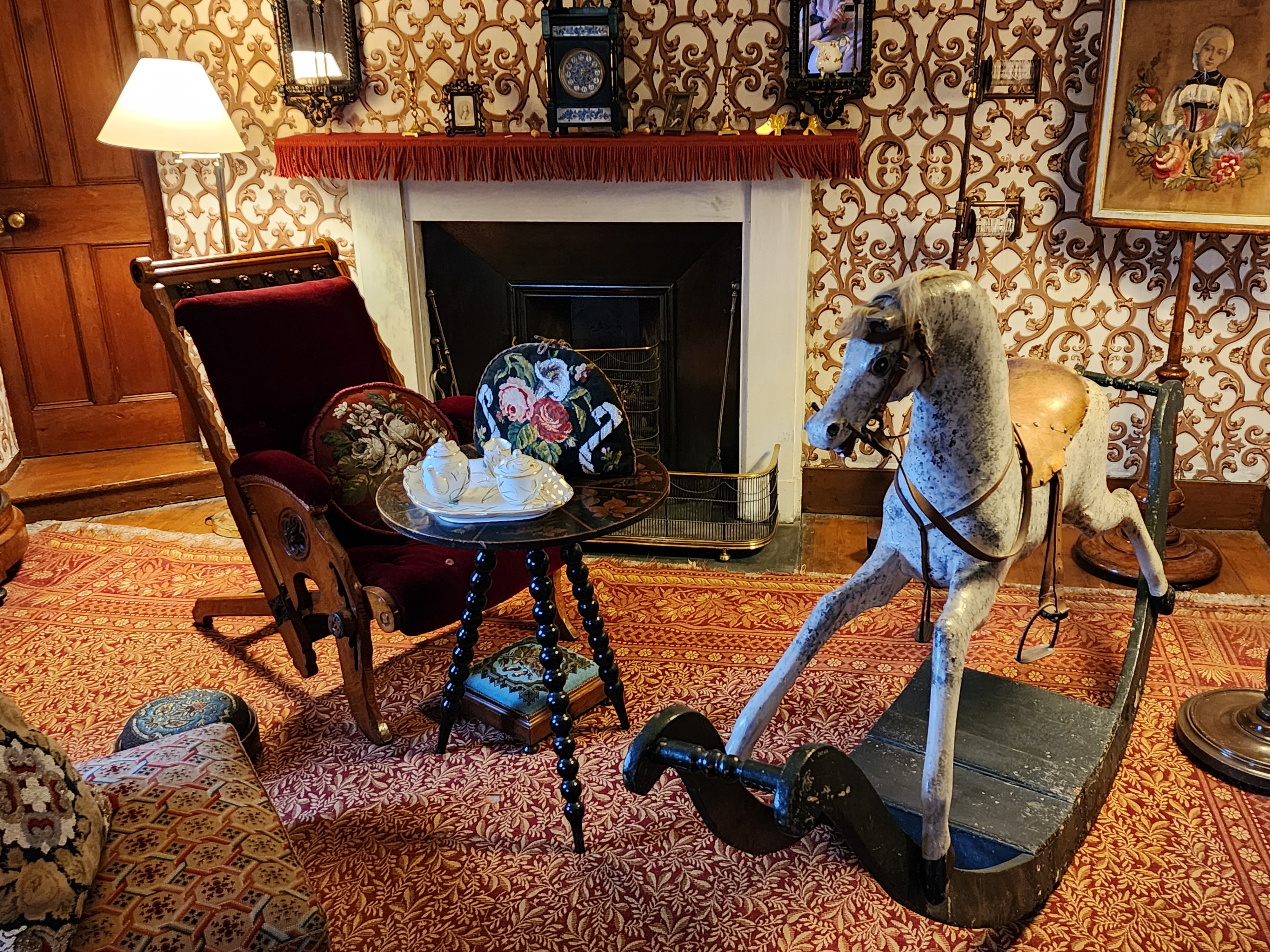
Castle Fraser nursery
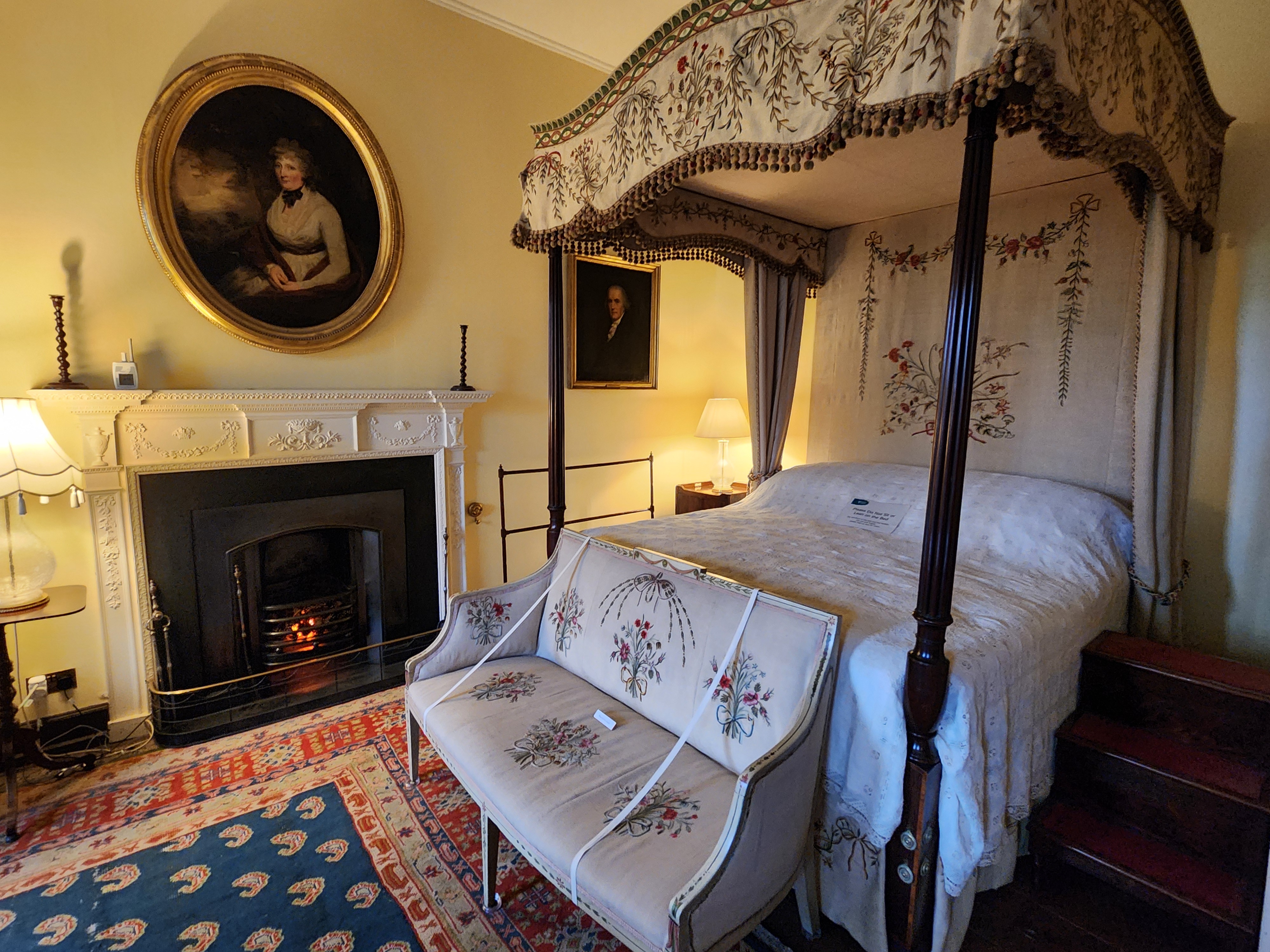
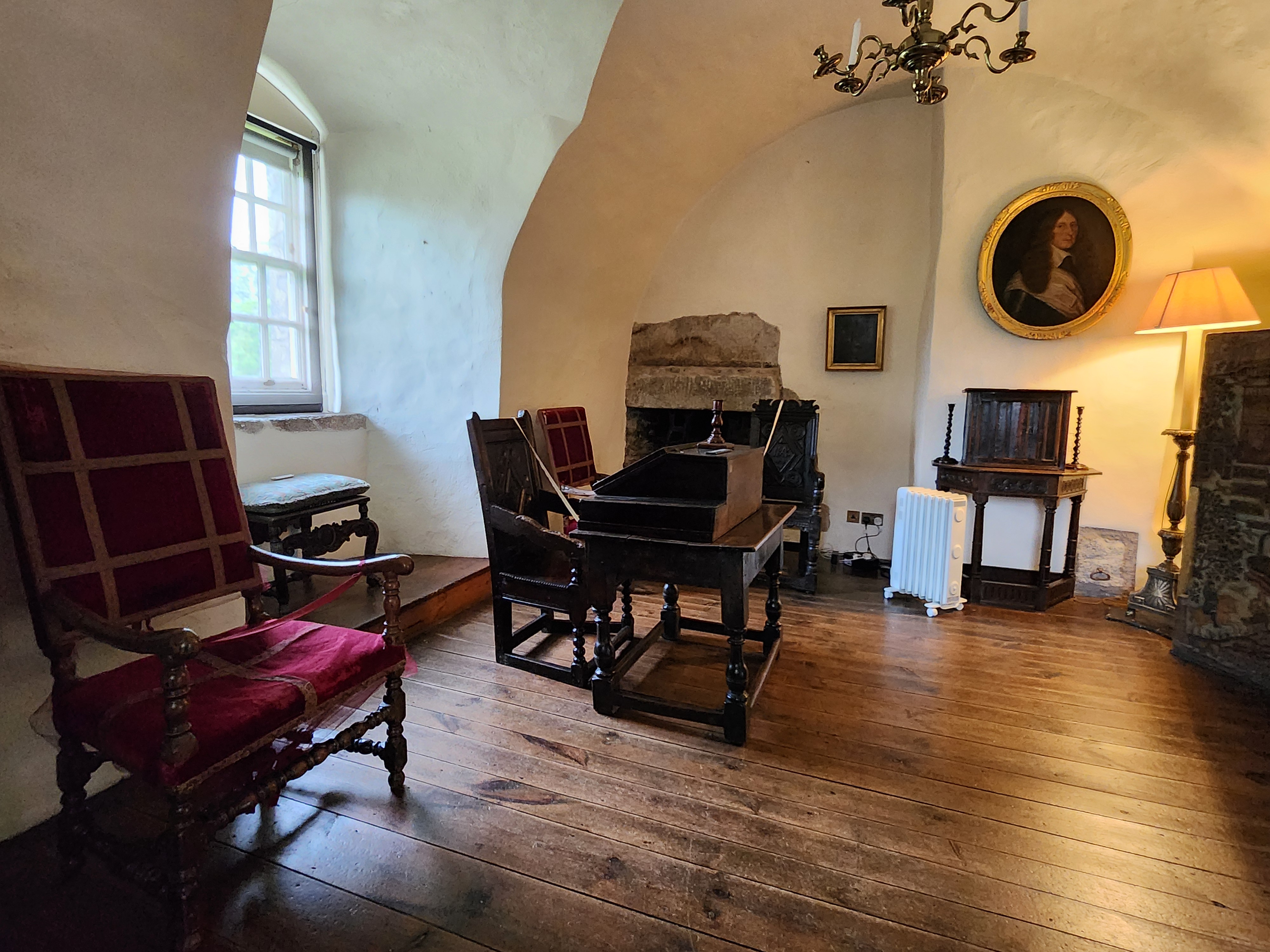
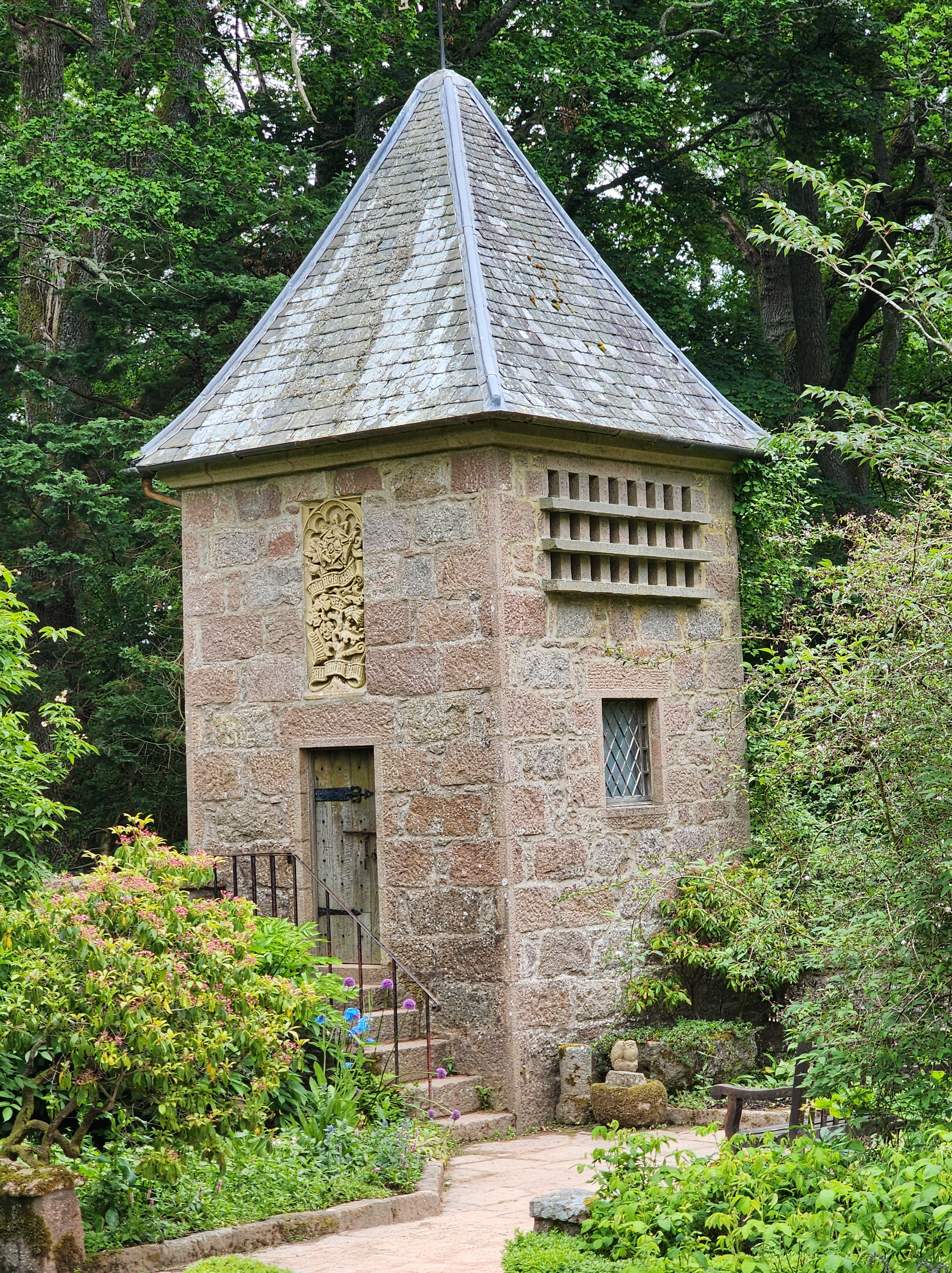
A quiet little nook in the walled gardens at Crathes castle
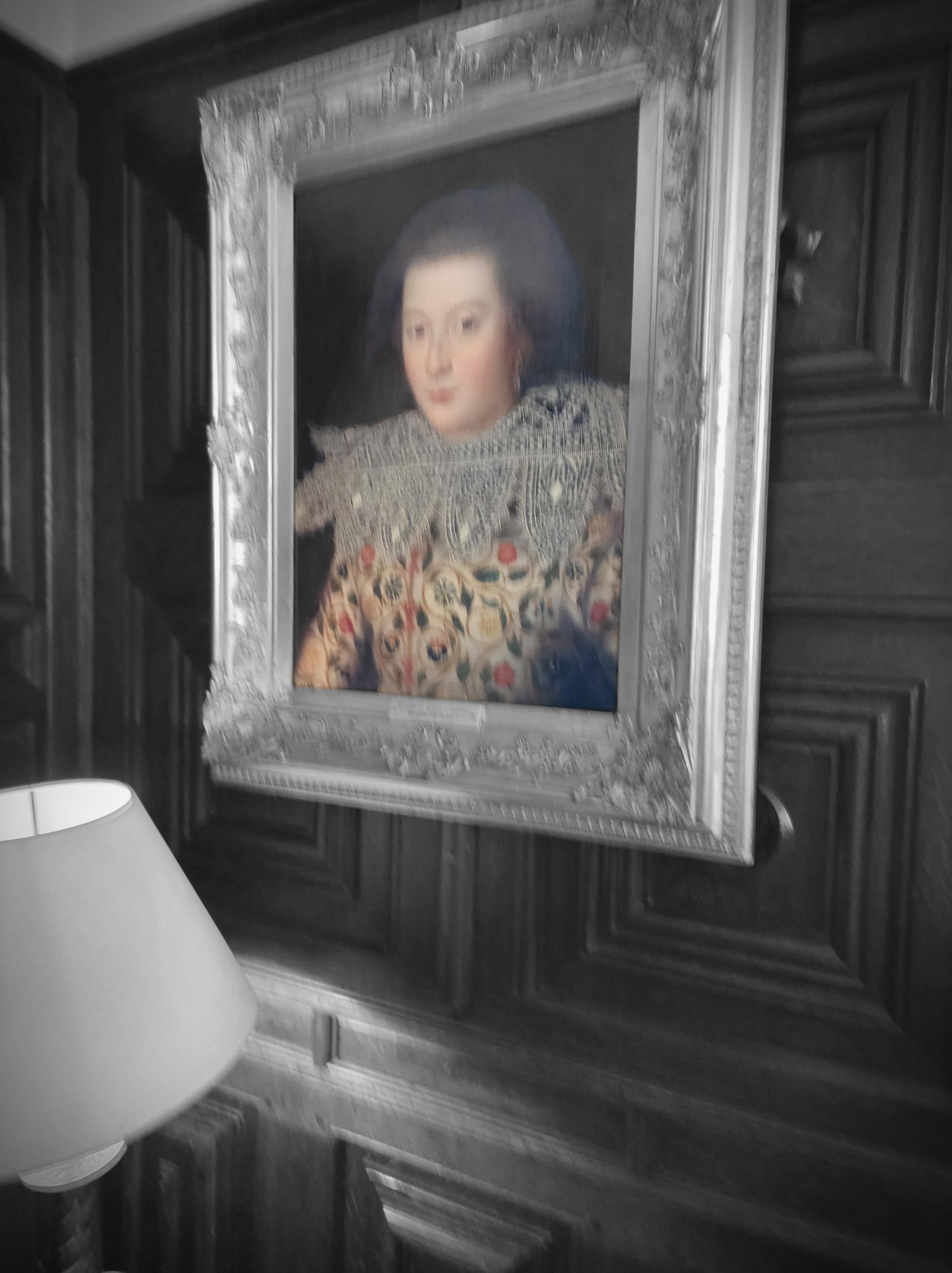
An image of the Green Lady but the camera was doing something funky with the colors
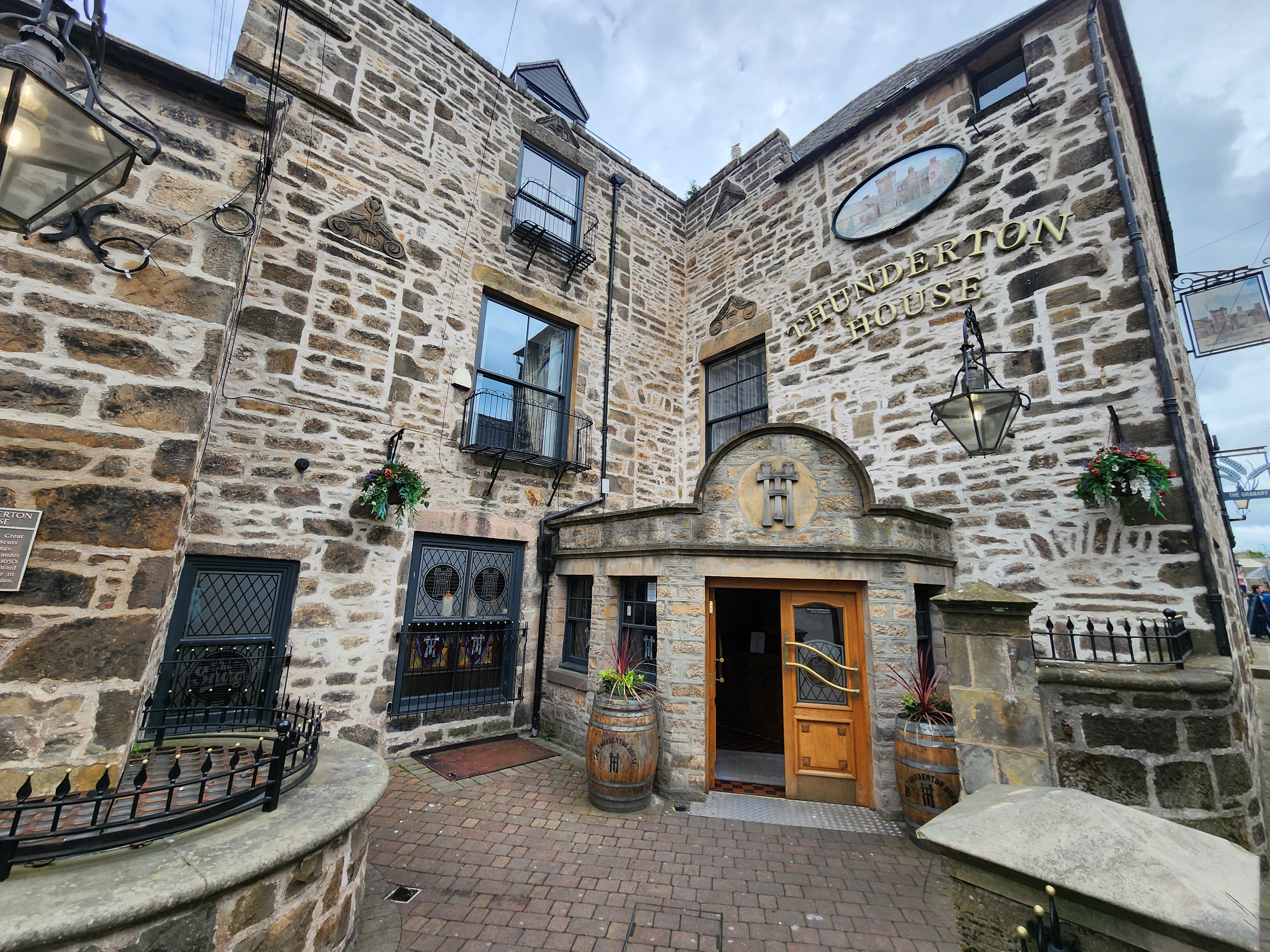
Thunderton House
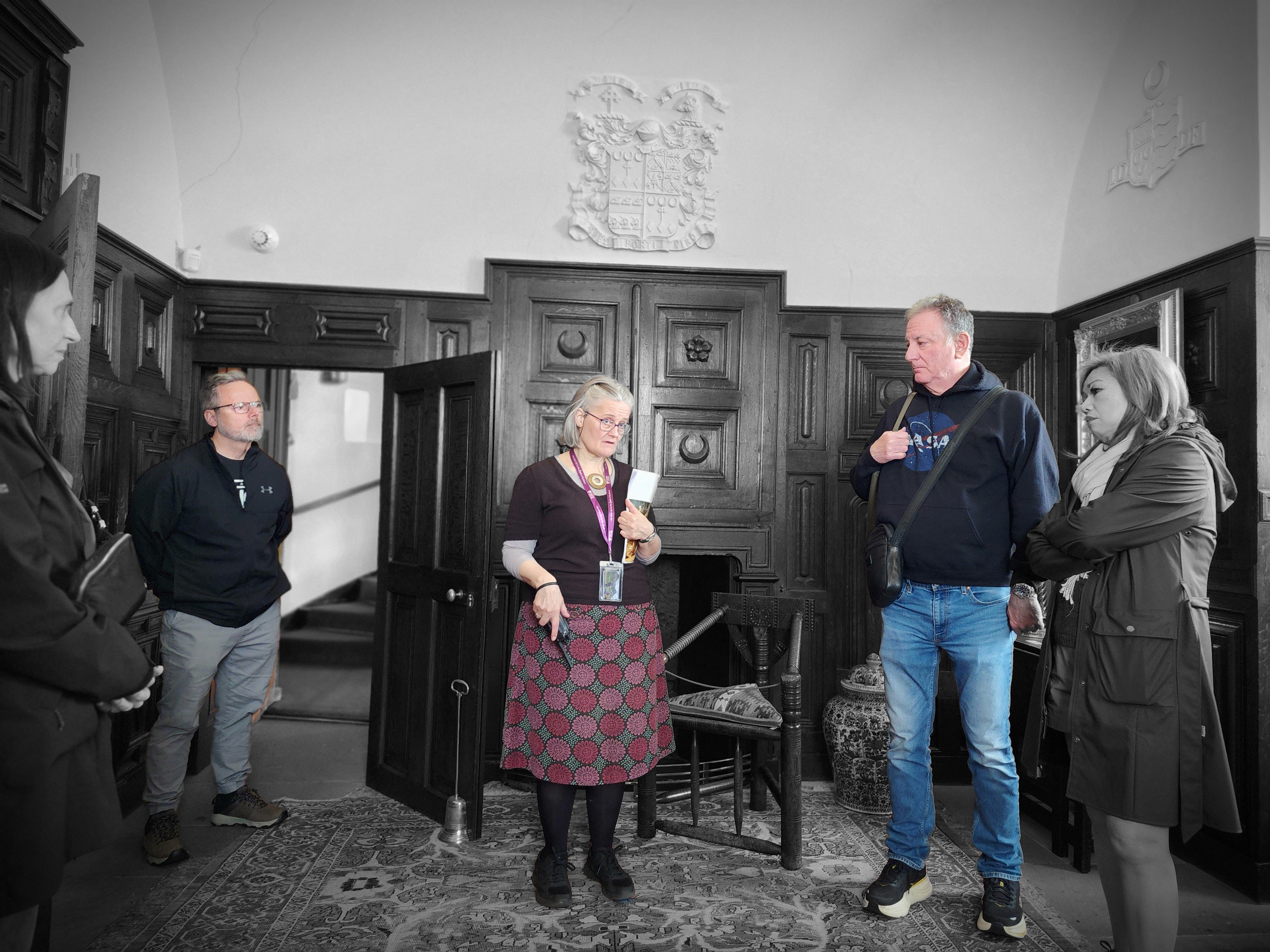
Our wonderful tour guide at Fyvie castle
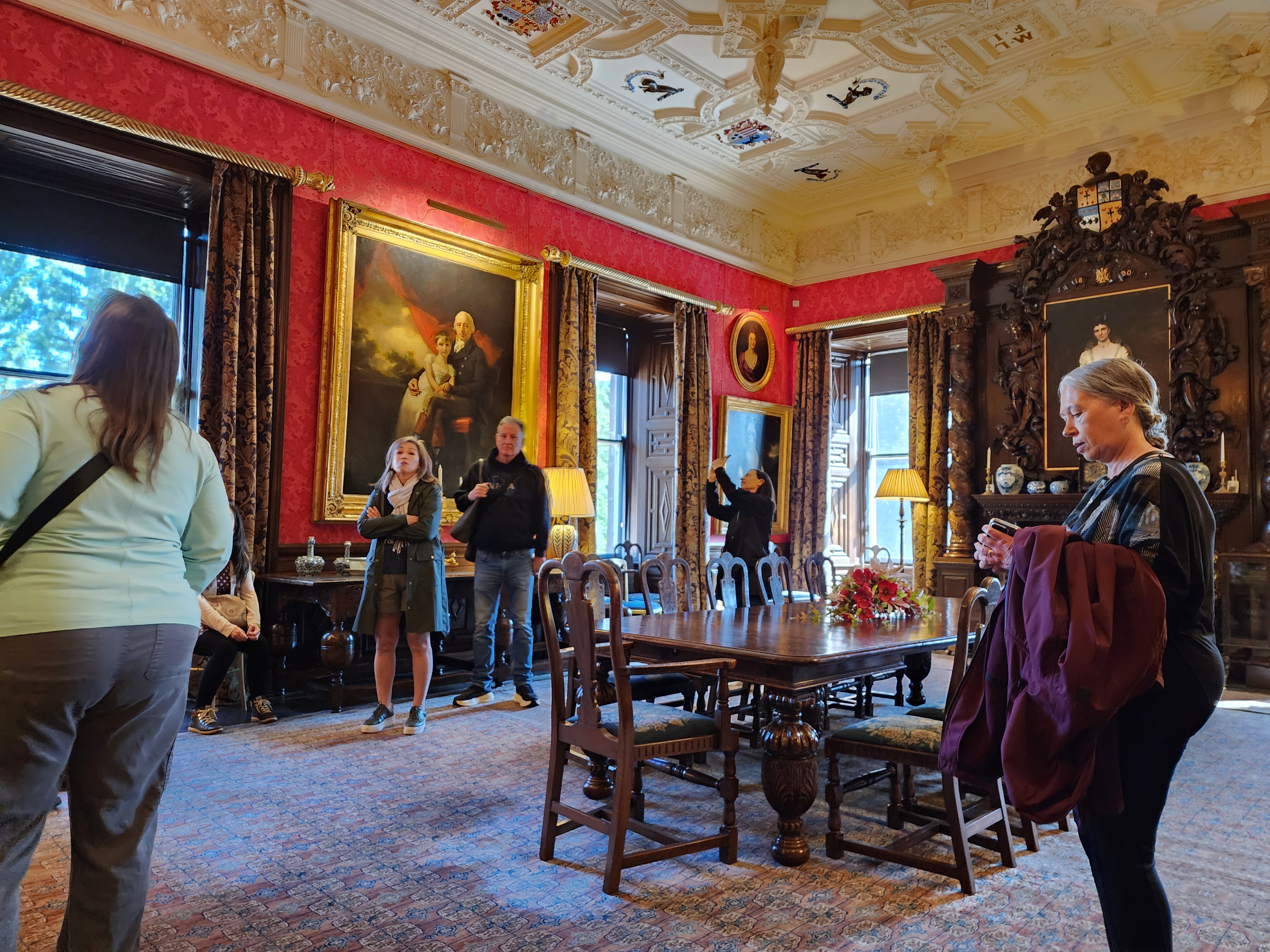
The dining room at Fyvie (I think); my tour friend Ann is at the right of the photo.
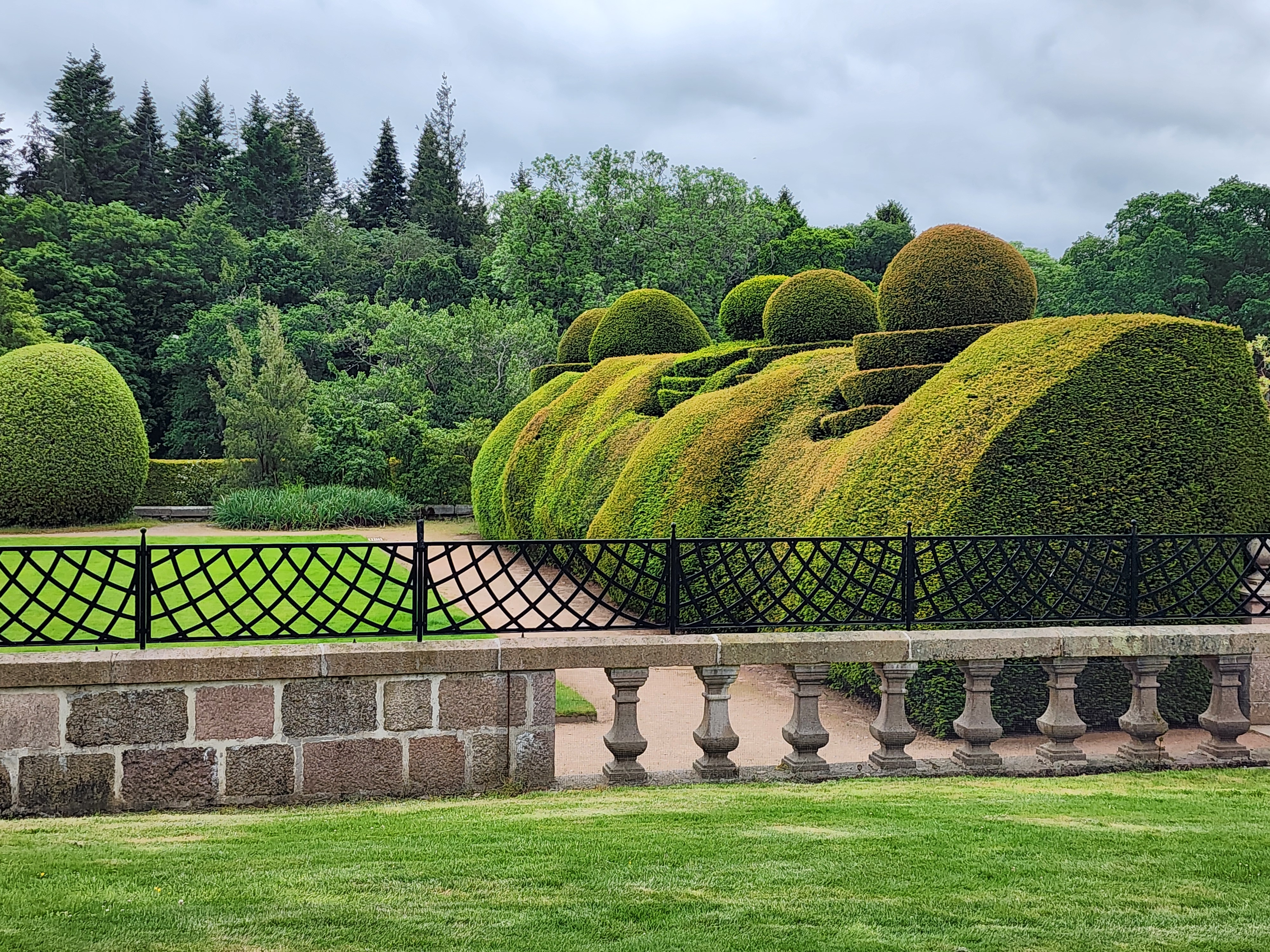
More topiaries at Crathes castle
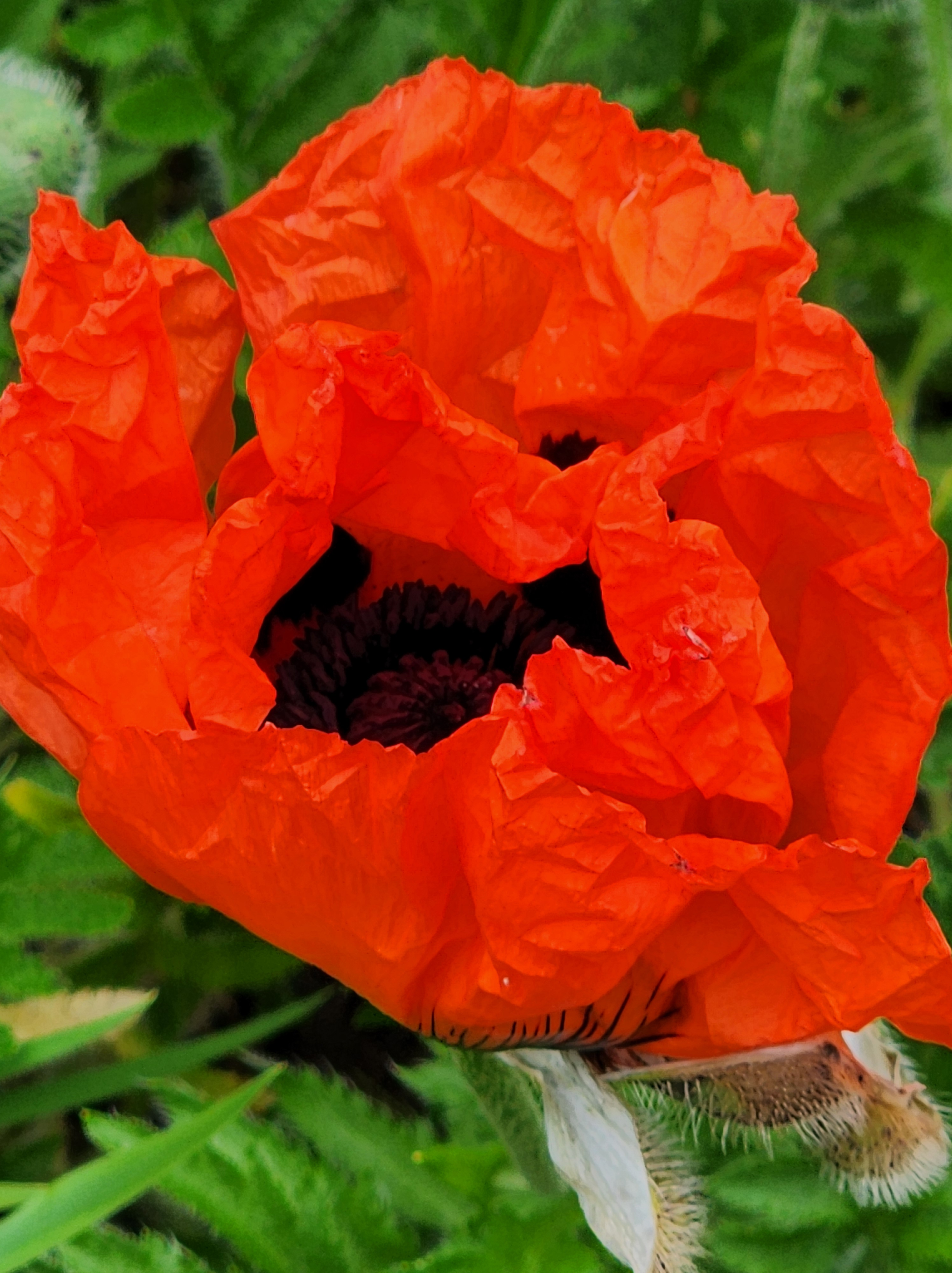
This might be a large poppy at Crathes castle.
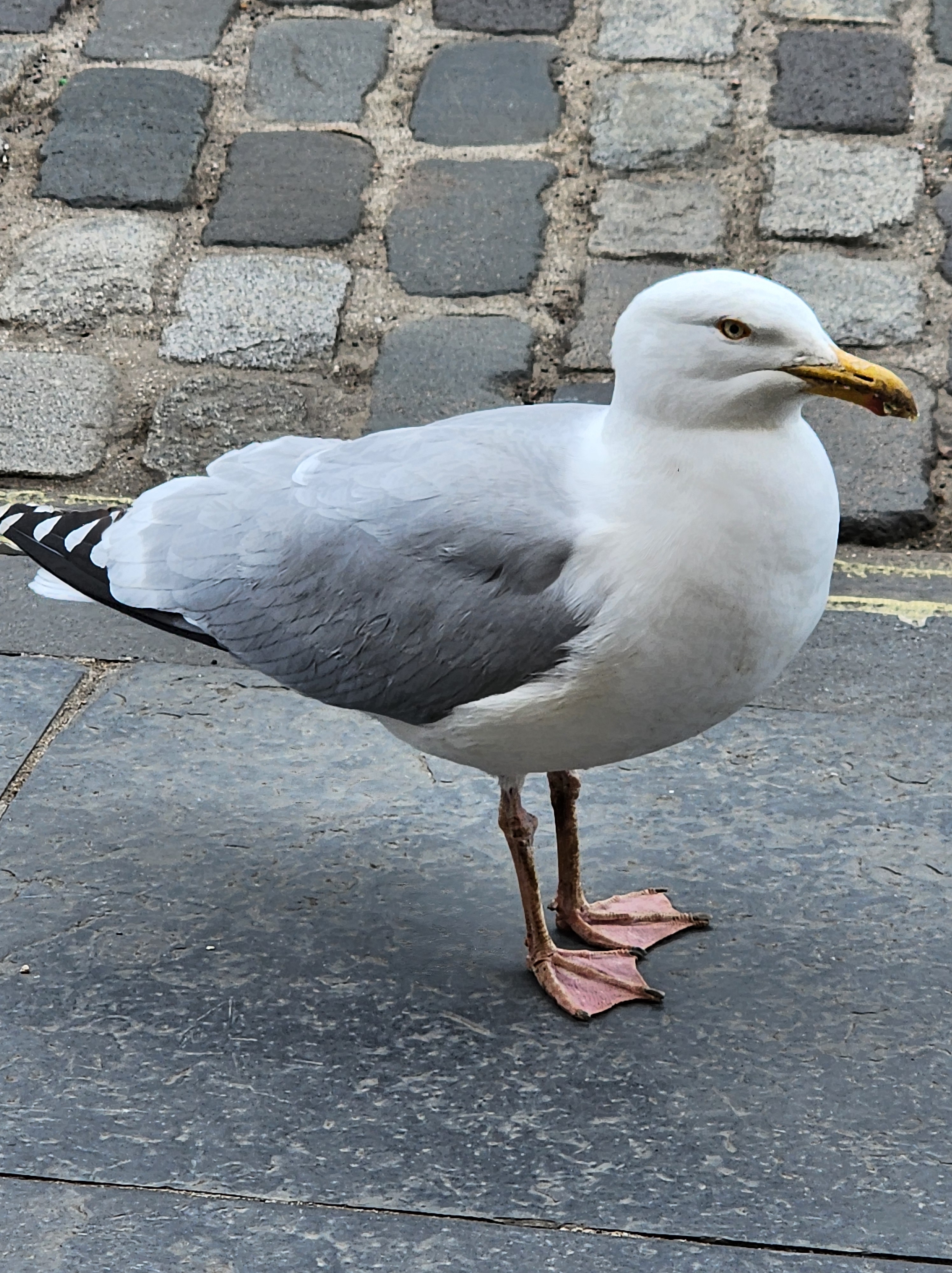
This obstreperous guy kept stealing the bread from the crows on the streets of St. Andrews
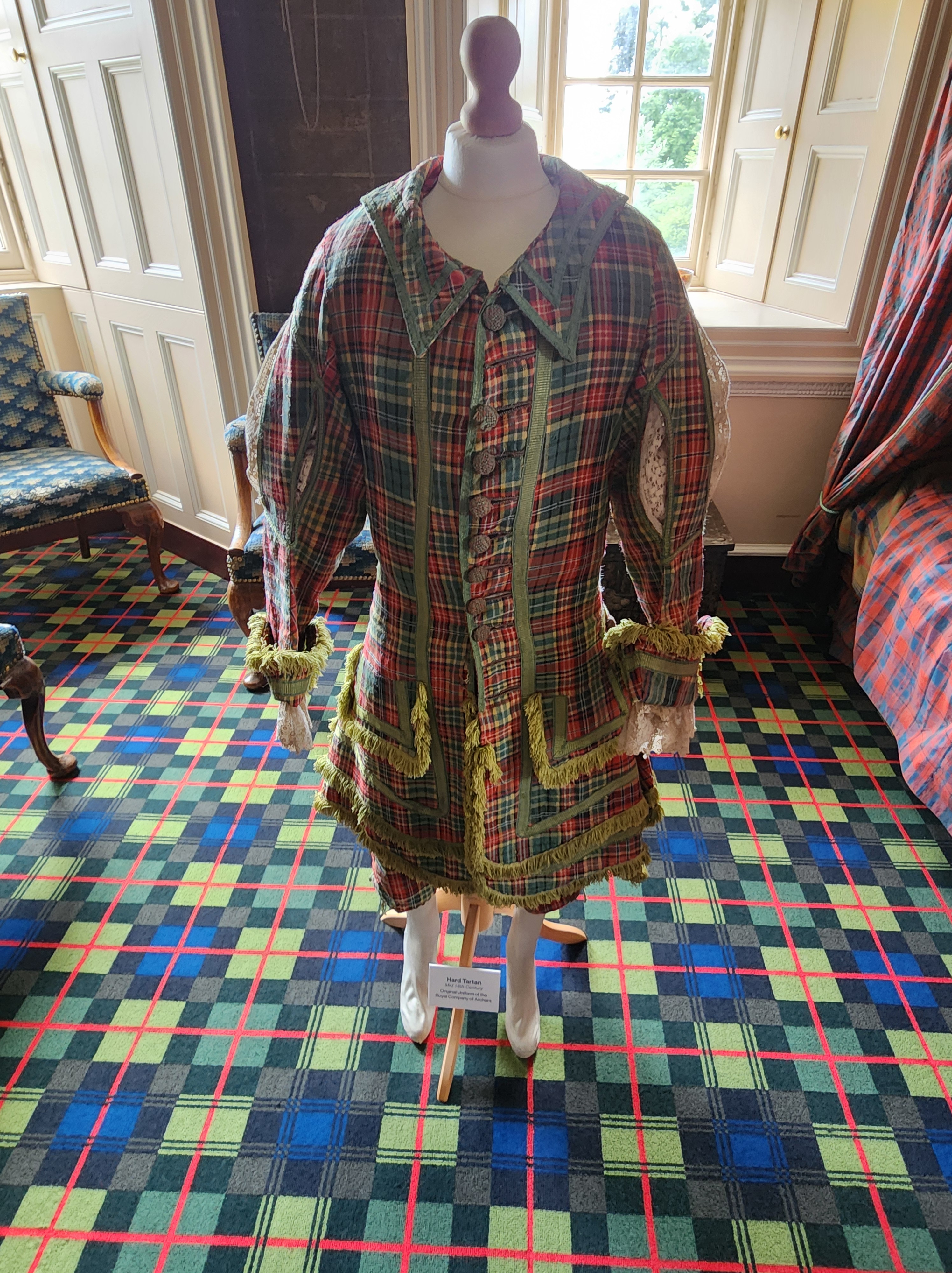
18th century men’s fighting tartan uniform
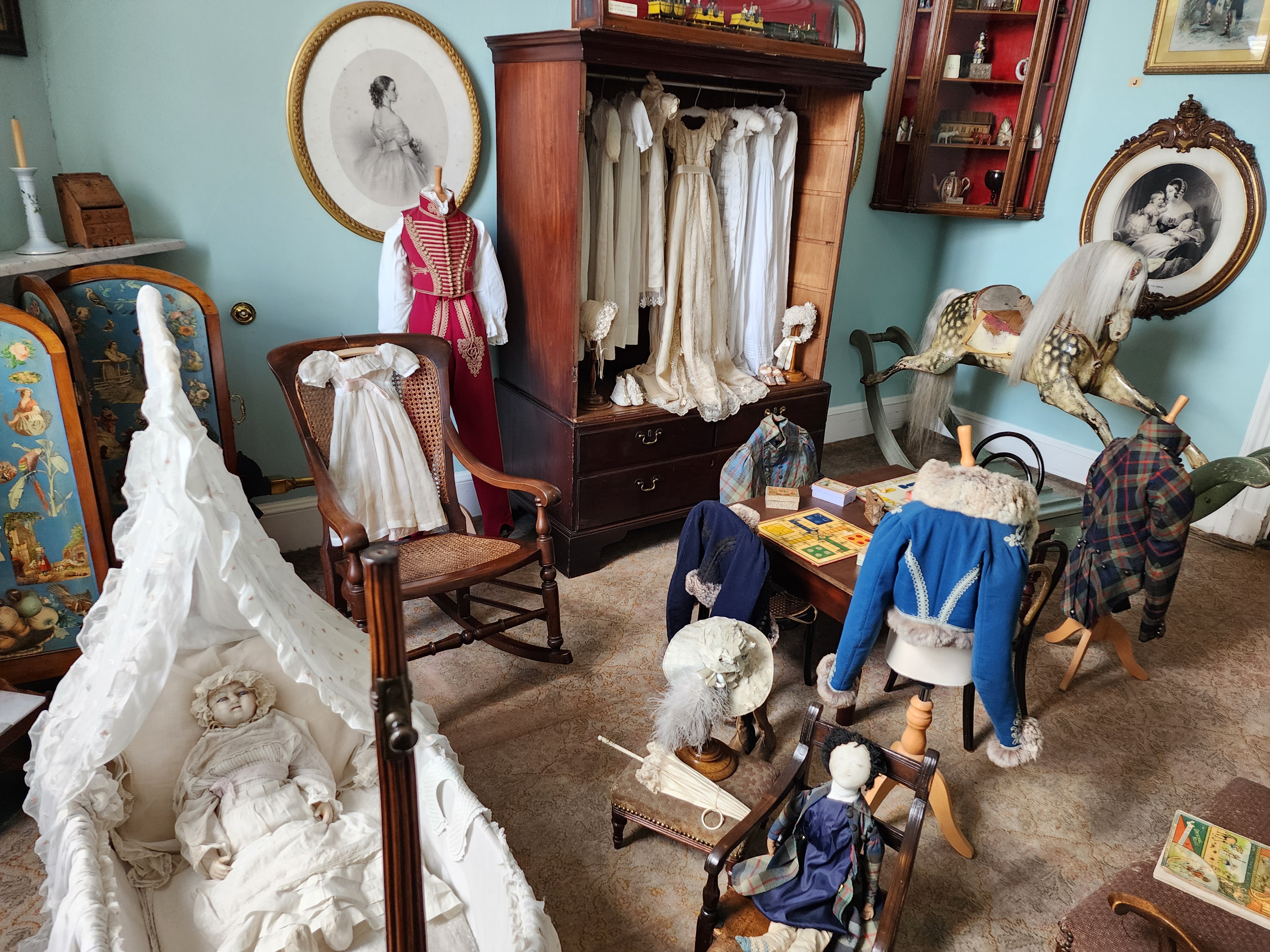
Atholl nursery
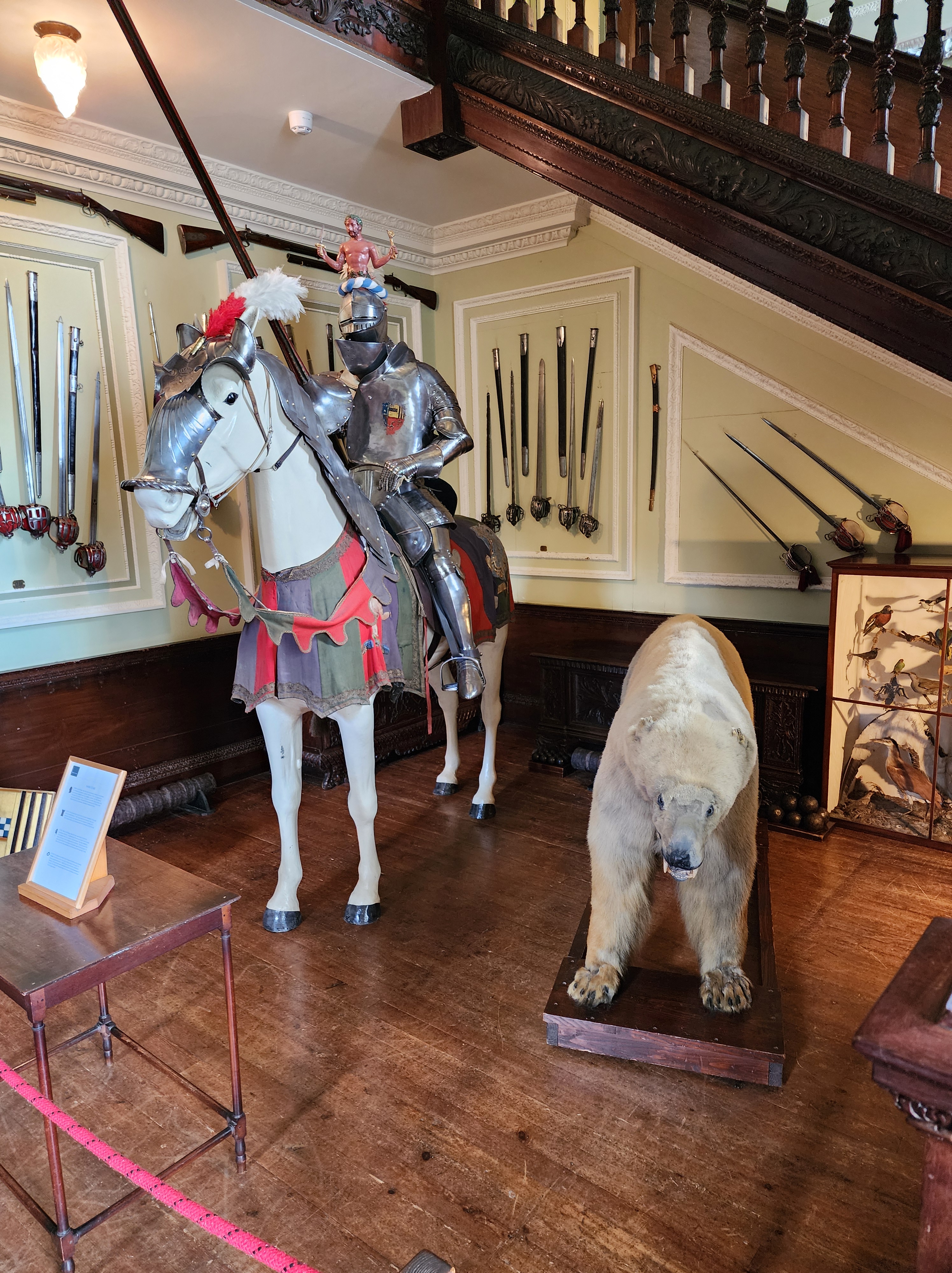
Blair castle?
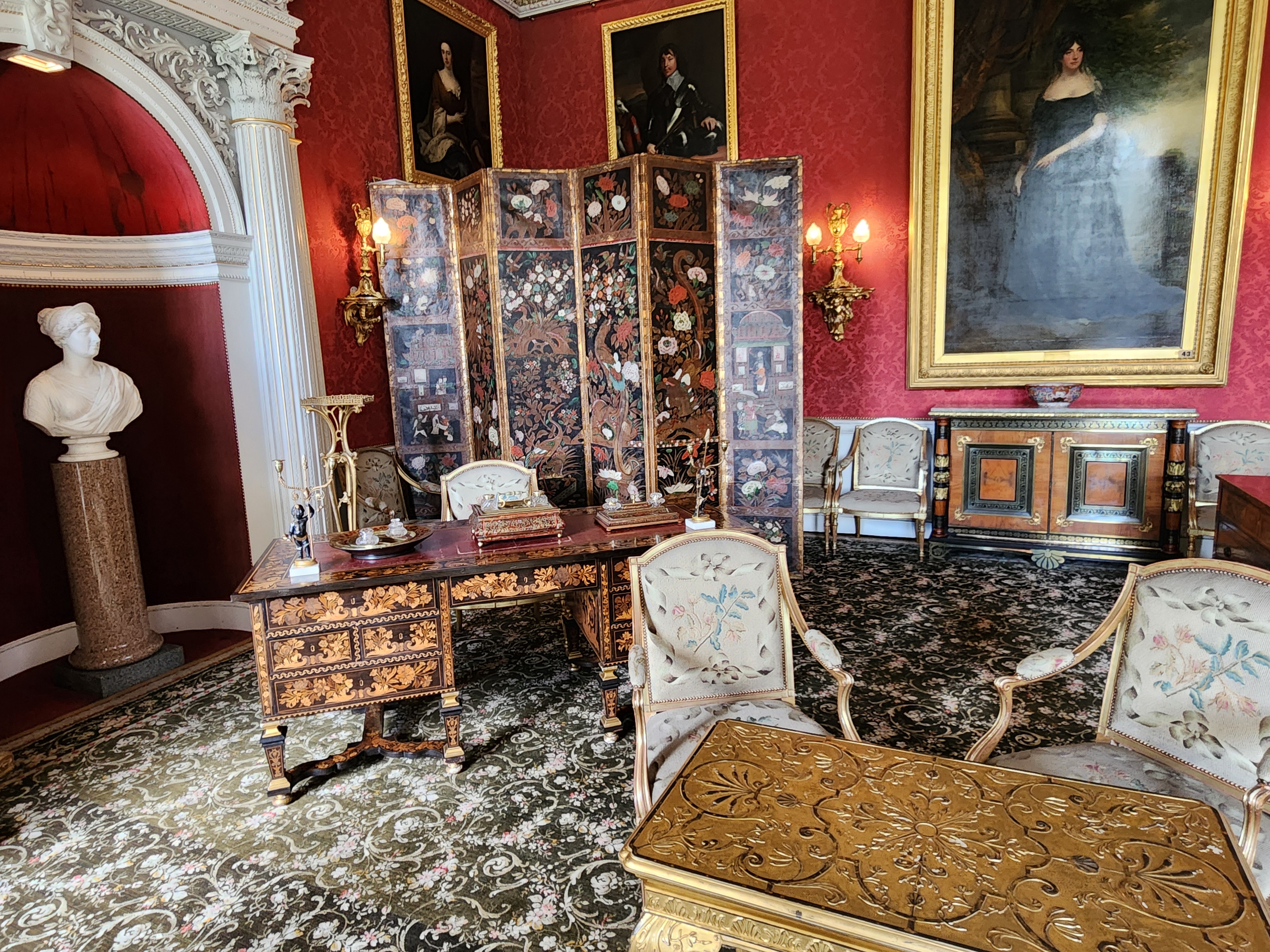
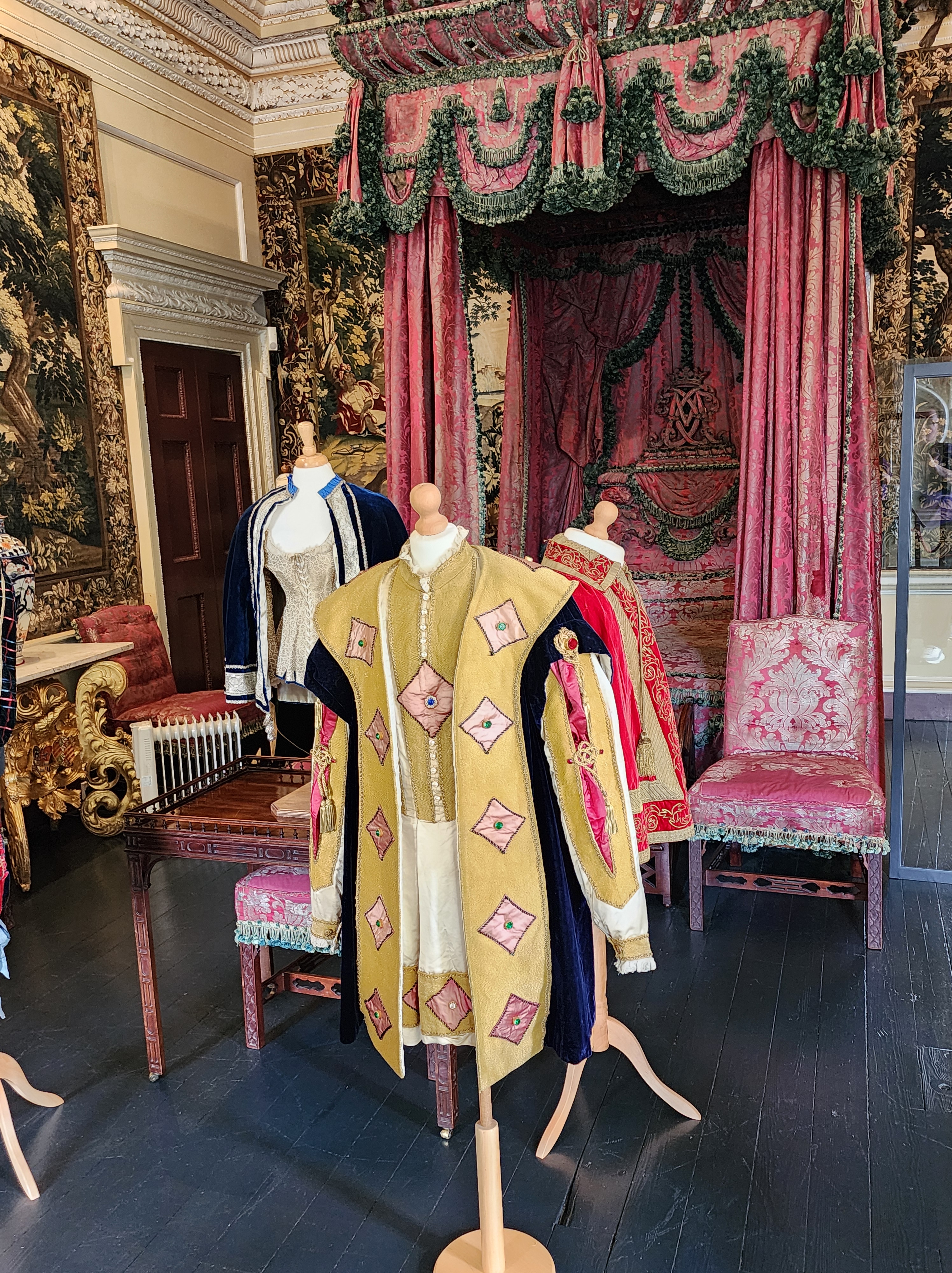
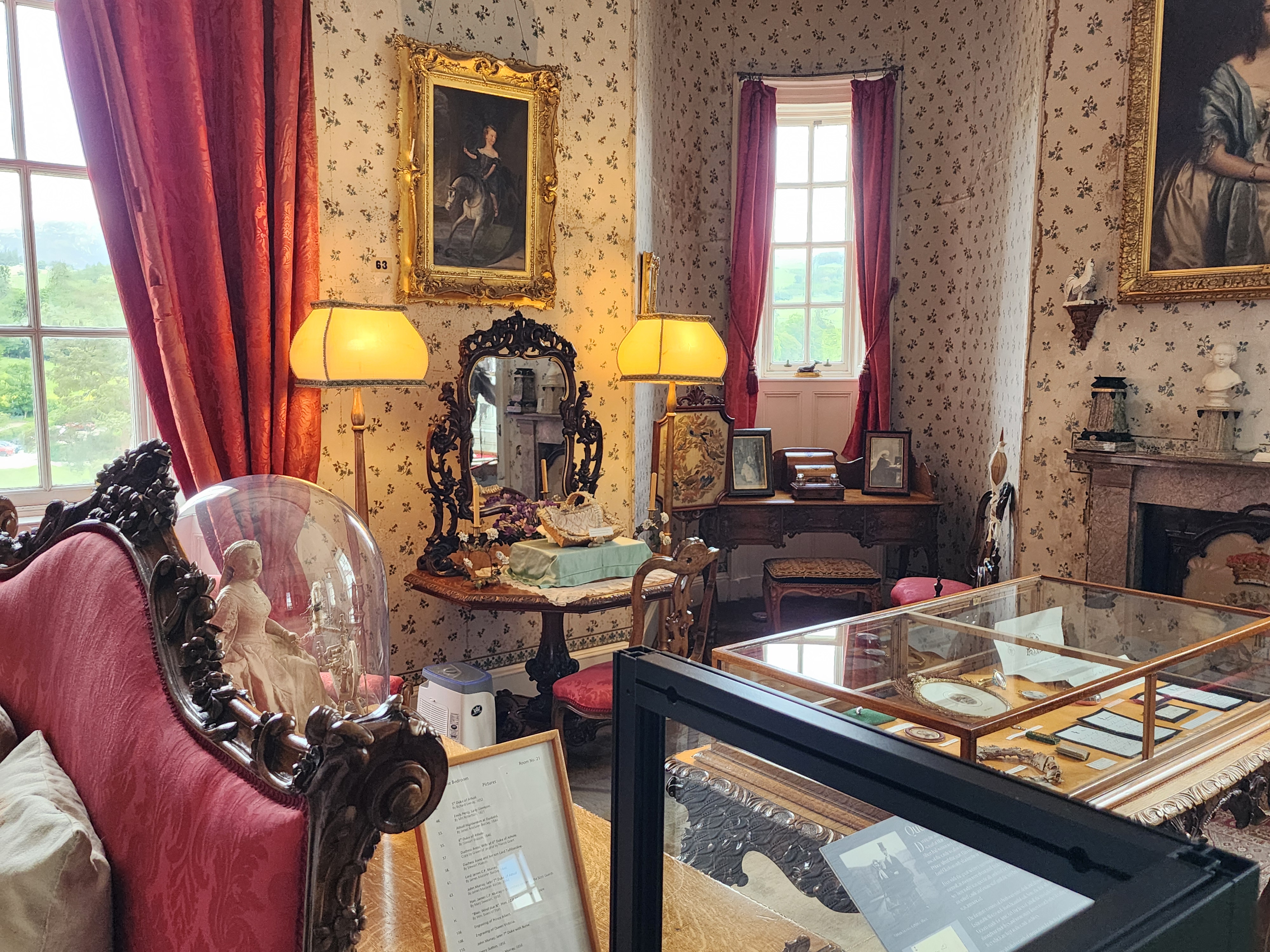
P.S. My pictures got scrambled when I uploaded them, so I’m a little uncertain about the provenance of some of the photos. I might be telling you the wrong castle sometimes. That’s ok–it just means you have to come over to Scotland and find out for yourself!
P.S. #2 I actually have more photos from this trip, but I can’t seem to access them on the computer, just the camera. (Wha??) I’ll try posting them another time. (Although they kind of are more of the same.)

