 Today I took the Edinburgh tram into Leith so that I could go on a tour of the Port of Leith Distillery, across from the Royal Yacht Britannia at the Ocean Terminal. I’d been wanting to go to Leith because I wanted to see the water, so I just did a quick search of “things to do in Leith” and found the distillery. It is the second only vertical distillery in the world. (The other is in Sweden, I believe.) What is a vertical distillery, you may ask? It’s a 9-story hi-rise with the various parts of the distillery spread out over multiple floors—the grist mill being at the top and the stills at the bottom.
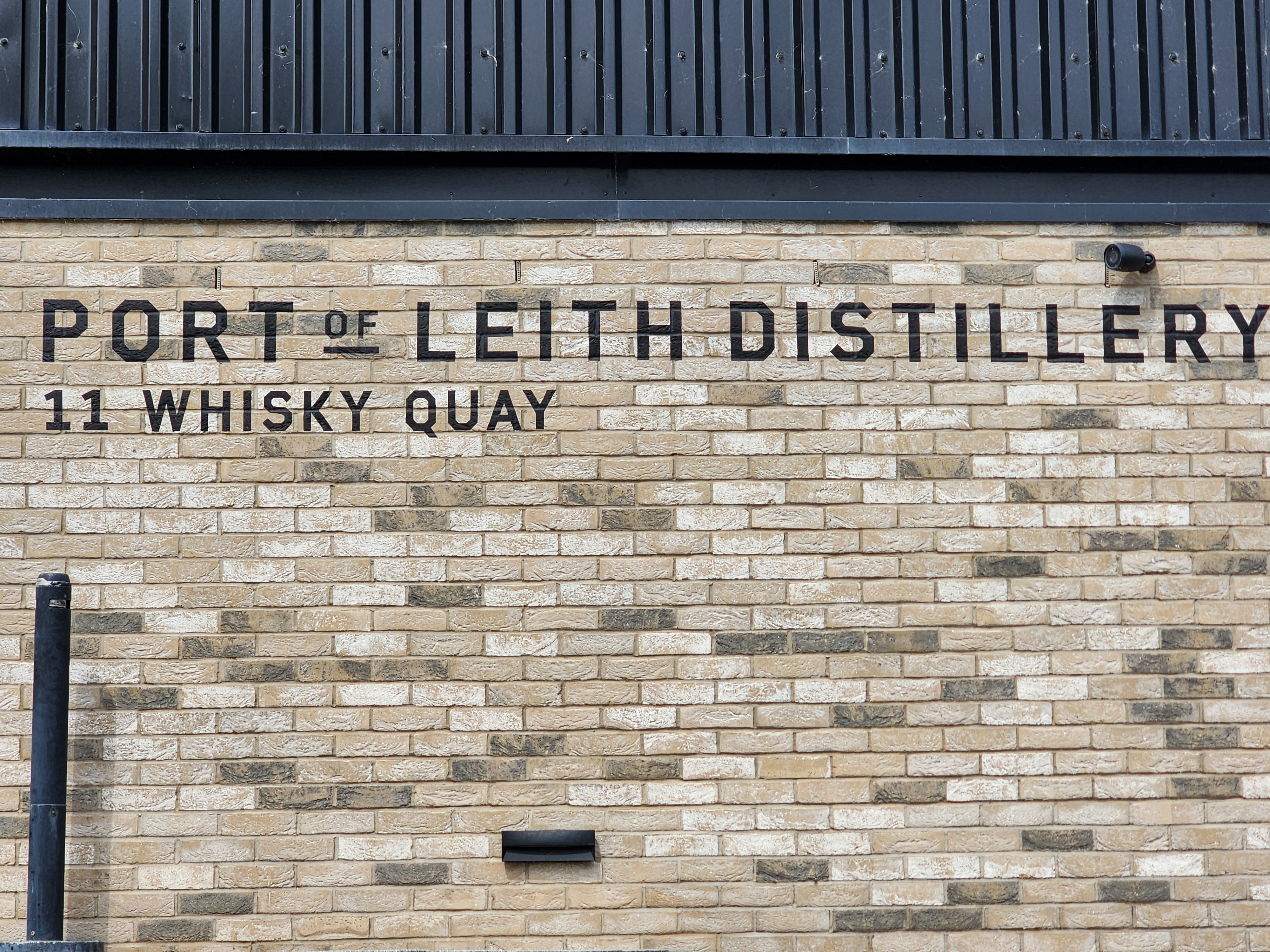
The Port of Leith Distillery was founded by two friends, Ian and Paddy, who had been BFFs since grade school, and became fans of whisky as they grew up. They even started making early attempts at whisky with a copper pot still when they lived in London. But they had big dreams. The distillery wasn’t meant to be vertically inclined however; they wanted to build a regular kind of distillery, but the land sale they had planned on fell through, but when the corner of Leith at 11 Whisky Quay opened up, they reconfigured the distillery and decided to go up rather than out.
Since whisky production takes a while, and they needed £14,000,000 to open the distillery, they decided to open a gin distillery while they waited. Unlike whisky, gin can be mass produced quickly; it can be distilled on Monday and on the shelves by Friday. Whereas whisky needs to be aged in barrels at least three years and one day before the spirit can be called whisky at all. Ian and Paddy and their investors have yet to see a profit from the Port of Leith Distillery—but they are hoping to release their first bottles next year. In the meantime, they also sell sherry, port, and table whisky, which is still whisky, just not particularly as fine as cask aged whisky.
Everything in the distillery is new—new mash tuns, new wash containers, new gristmill, etc.—and because it’s only been open a few years, everything is shiny and new (with the exception of the stills—they seemed kind of dull). Our tour guide, Coll, was interesting and answered many questions, and he really knew the whisky making process from start to finish.
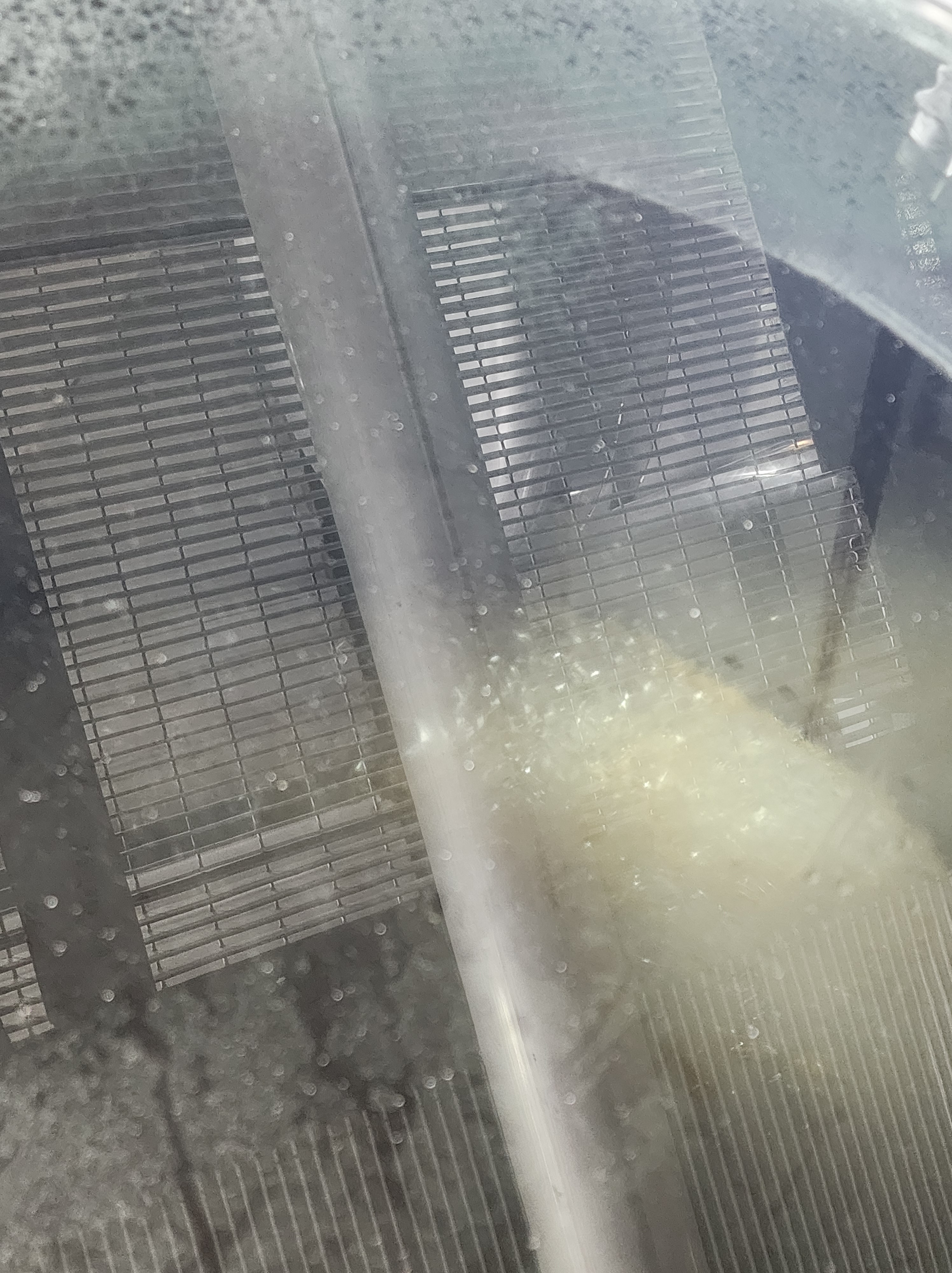
Fermentation (on the middle right side of the photo)
I’ve been to a number of different distilleries, so the actual parts were known to me, but it was interesting to hear about the various kinds of yeast they use (a combination of three), the aquifer they drilled, the warehouse situation (the whisky is stored off-site), etc. Every distillery is basically the same, so it’s the differences that contribute to the mix of water, barley, and yeast that help make a unique whisky. The thing that I was most excited about was the fermentation; there was a washback that was bubbling like crazy. Unfortunately the window into the washback had collected a lot of steam so you can’t really see the bubbles in the photo I’m including. But believe me, it looked really cool—some of the bubbles were big as fists.
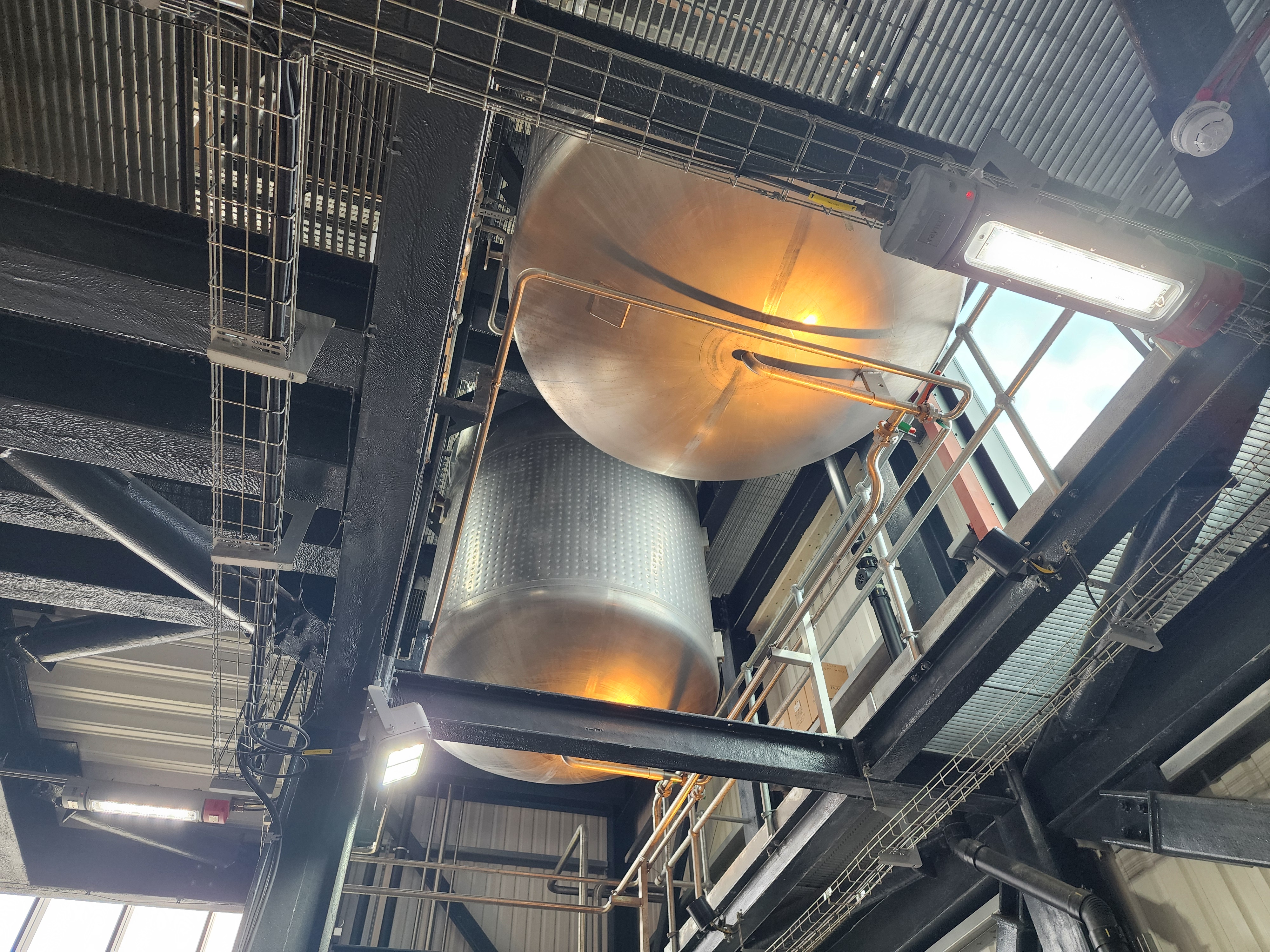
Washbacks from below
After we looked at fermentation, we went down to the still room—apparently it can be highly explosive. So we were required to stand on the concrete platform overlooking the copper stills and told not to touch any metal. After I’d seen the beautiful polished copper stills a Cardhu, these dusty, dull-looking stills did not impress me, but I enjoyed looking at the spirit safe (basically a glass box with analyzing equipment), which is connected to the spirit still; this is where the “low wines” (alcohol spirit from the first distillation at the wash still) gets analyzed to check for quality and redistilled in the spirit still if necessary. The alcohol level increases up to 65%, which comes out in three types: the heads, the tails, and the heart. The heads and tails spirit taste bad and are less desirable—they tend to smell sulphuric, and nobody wants to drink that. The best part of the distilled spirit is the heart, and that’s what gets siphoned off to be barreled and developed into whisky. There is only so much heart in a distilling process—the rest gets removed.
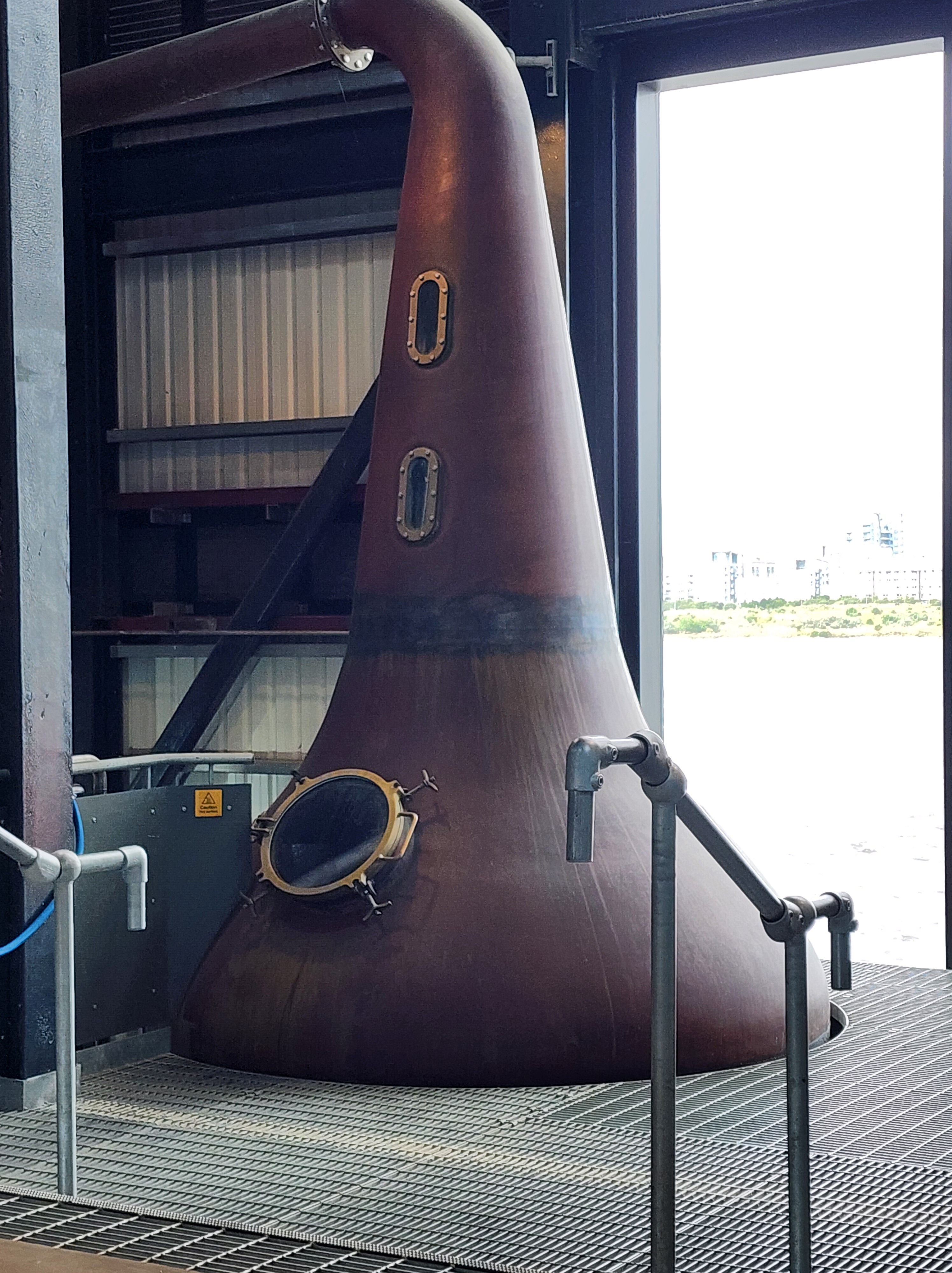
Still
After our tour, we had a tasting of 5 drams of liquor—two of plain (unaged) spirit, and one each of sherry, port, and table whisky. Both of the unaged spirits had a nice flavor, but not any of the tones and flavors that would develop over time in a cask. I took a sniff of the rich, vanilla-y sherry aroma and thought it was going to be great. I took one sip of it and set it back down. I thought sherry was sweet; our tour guide said that a lot of folks believe that because we are more familiar with the “old dears” who drink cream of sherry at Christmastime. (I laughed when he said that.) The next dram was port—it was sweet, a little too sweet, but I finished it. The final dram was table whisky, which is whisky that is young, I think, and often aged in virgin casks so it tends to be a little woodsy. I thought it was fine, though I’ve tasted better—it didn’t have quite the burn of the single malt scotches I’ve tried before. But then the guide said that you could buy a bottle for £30 in Tesco, which is less than half the price of a decent bottle of single malt. And after we finished that fifth dram, we went back upstairs to the gift shop where we had one more dram to taste—this was a white port and it was delicious. It would have been marvelous with a bit of either seltzer or ginger ale. But by itself it was very sweet and summery. I would have liked to have bought the white port—but I am always confronted with the dilemma of how to get it back home. You can’t bring it back in your carry-on, and I don’t want to put a glass bottle in my checked luggage because heaven only knows how our suitcases get banged around in the plane’s hold. Needless to say, I didn’t buy it, though I would have very much liked to.
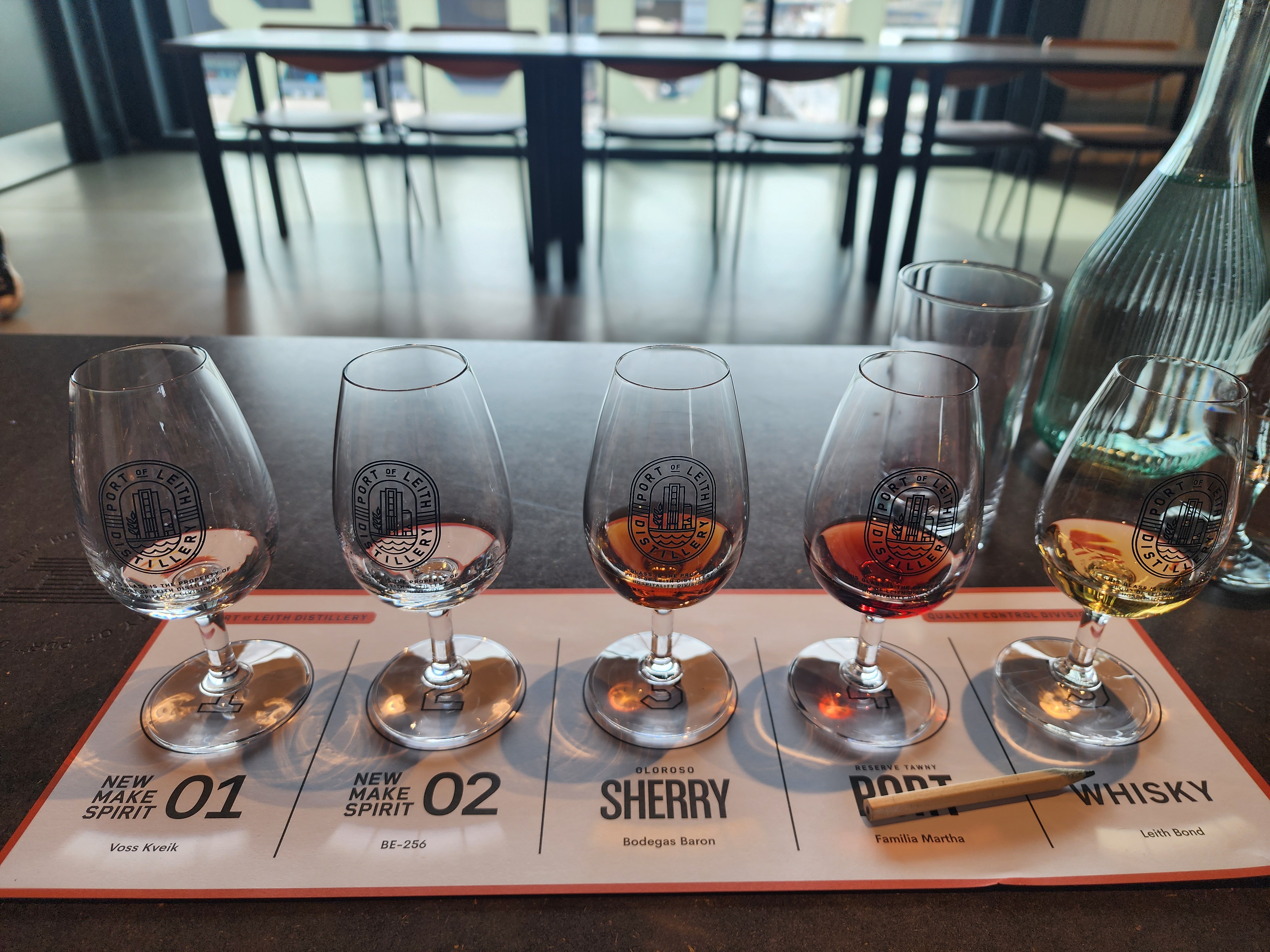
Flight of drams
Afterwards, I stopped in Tesco to get a few groceries, and then took the tram back home. I might go to the Leith Farmers Market tomorrow. I haven’t decided. But if I do, I’m sure I’ll post about it.
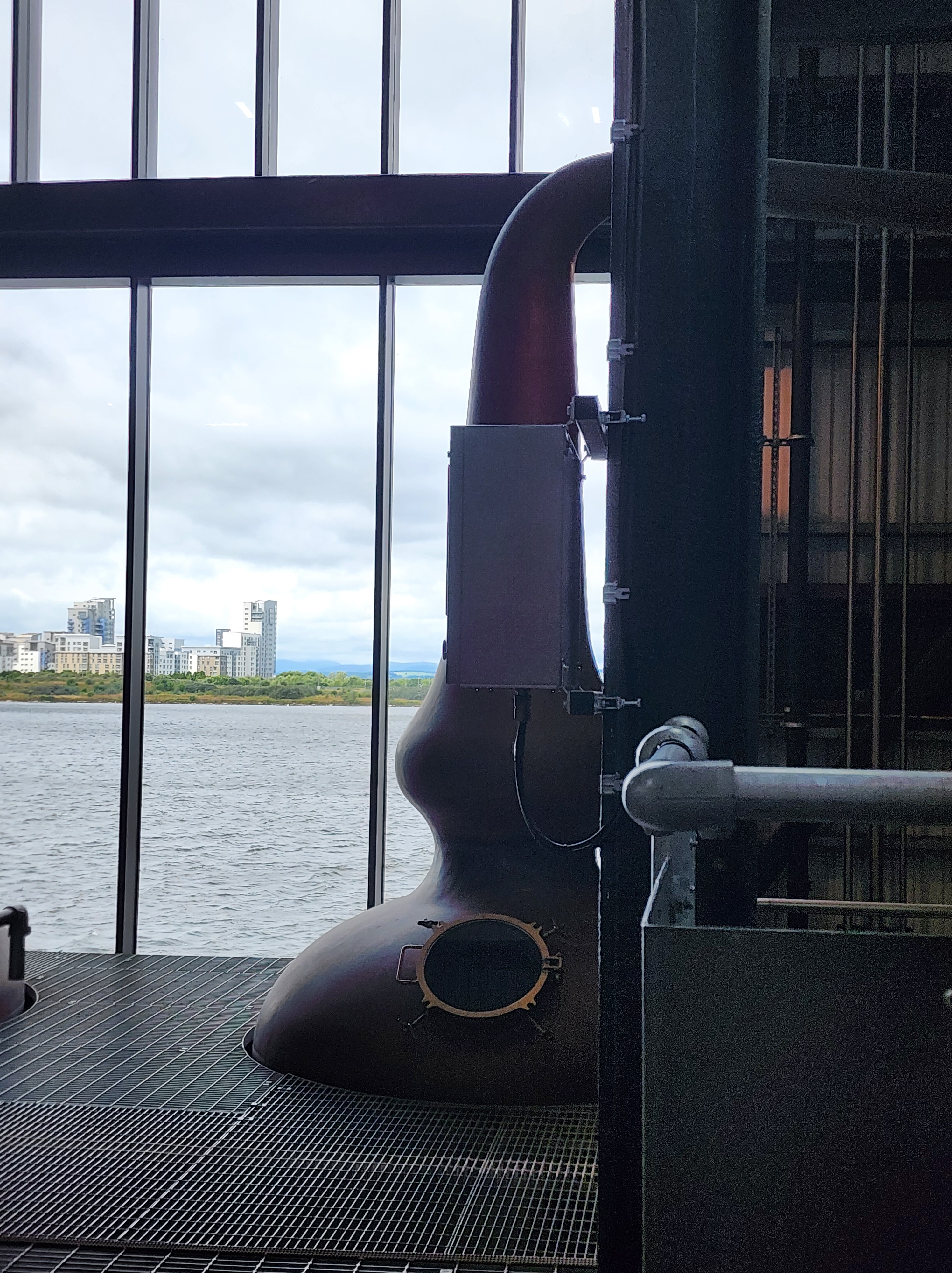
Still with an “onion” bulge
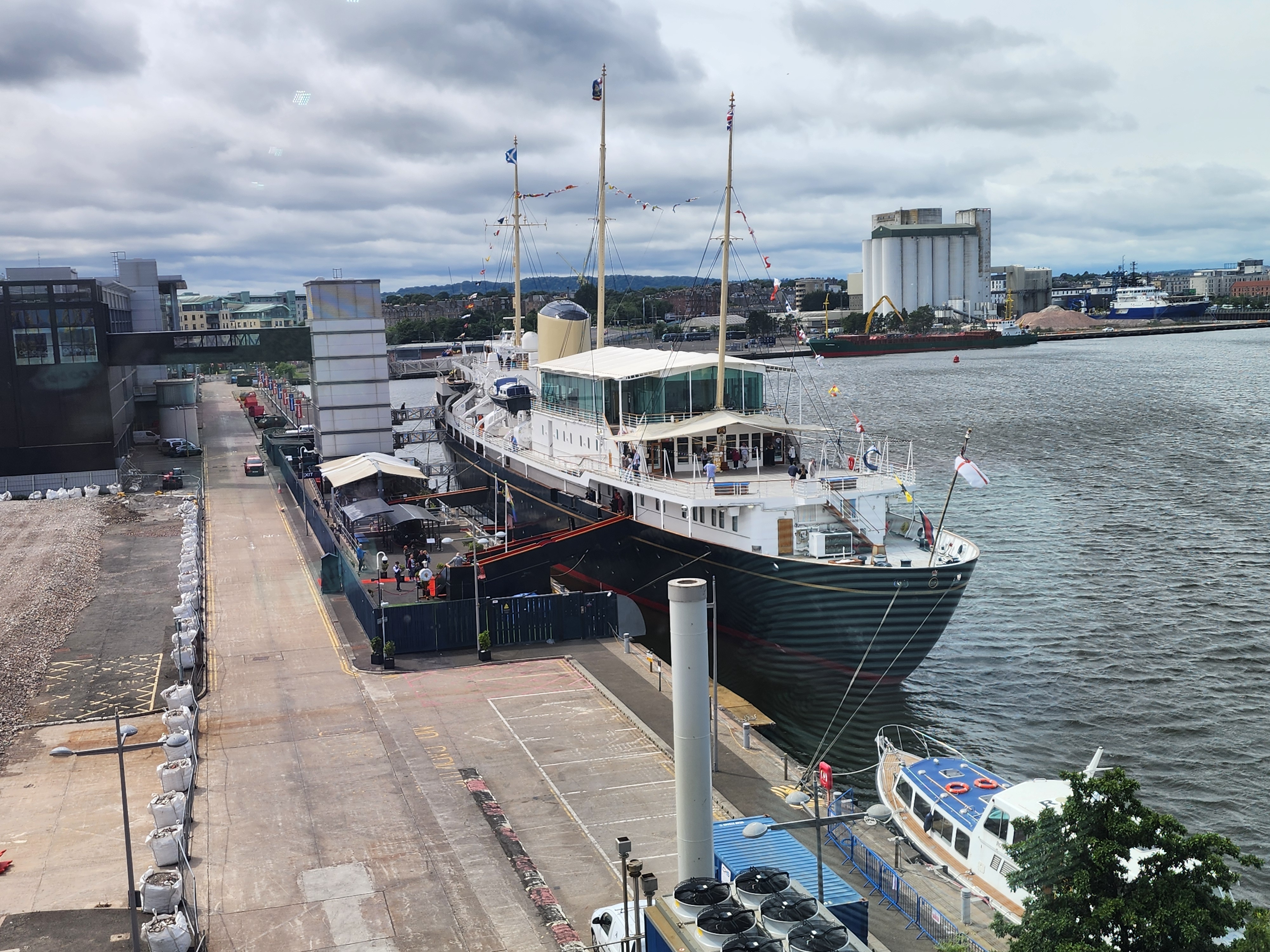
Royal Yacht Britannia
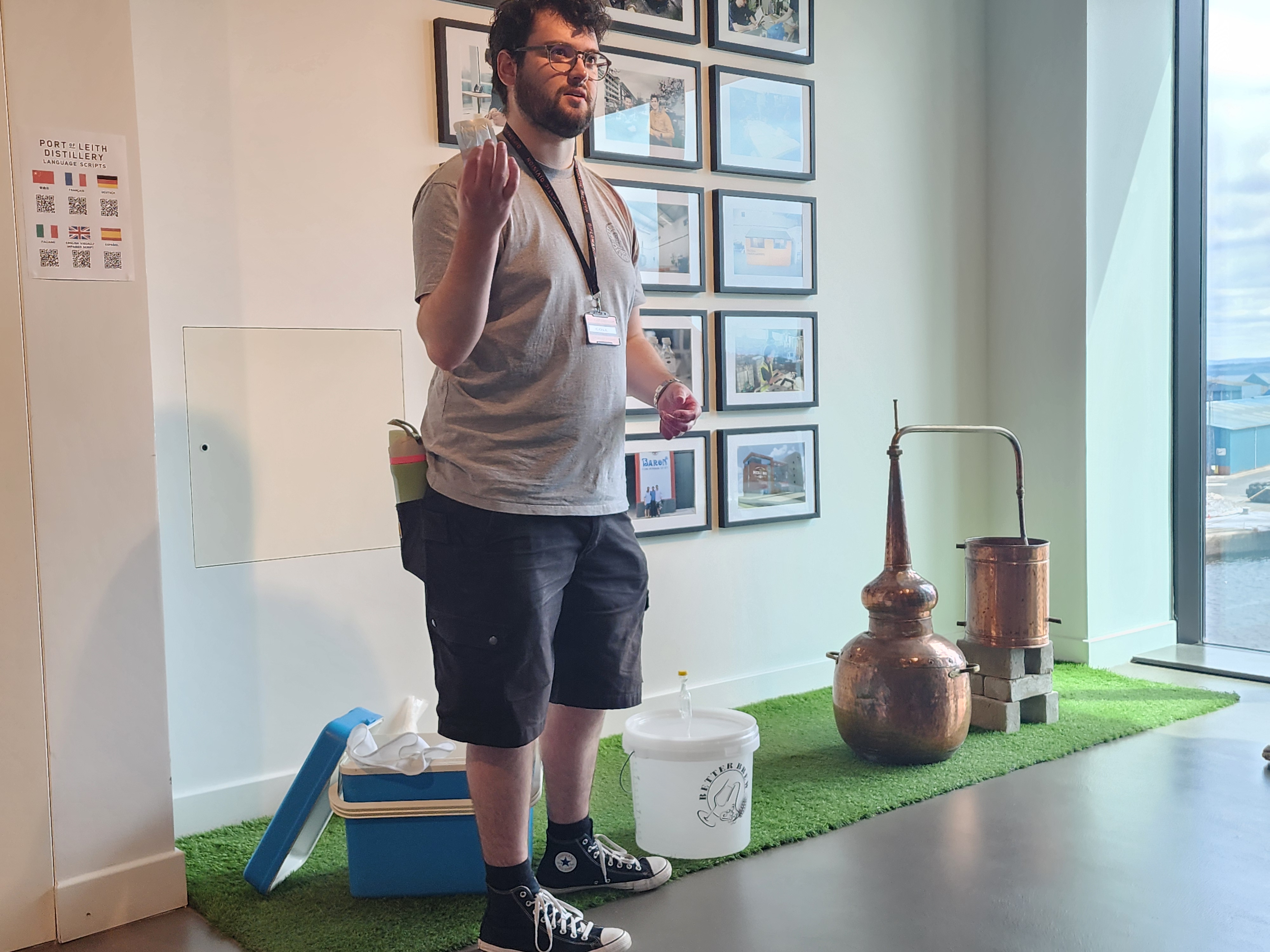
Our guide Coll
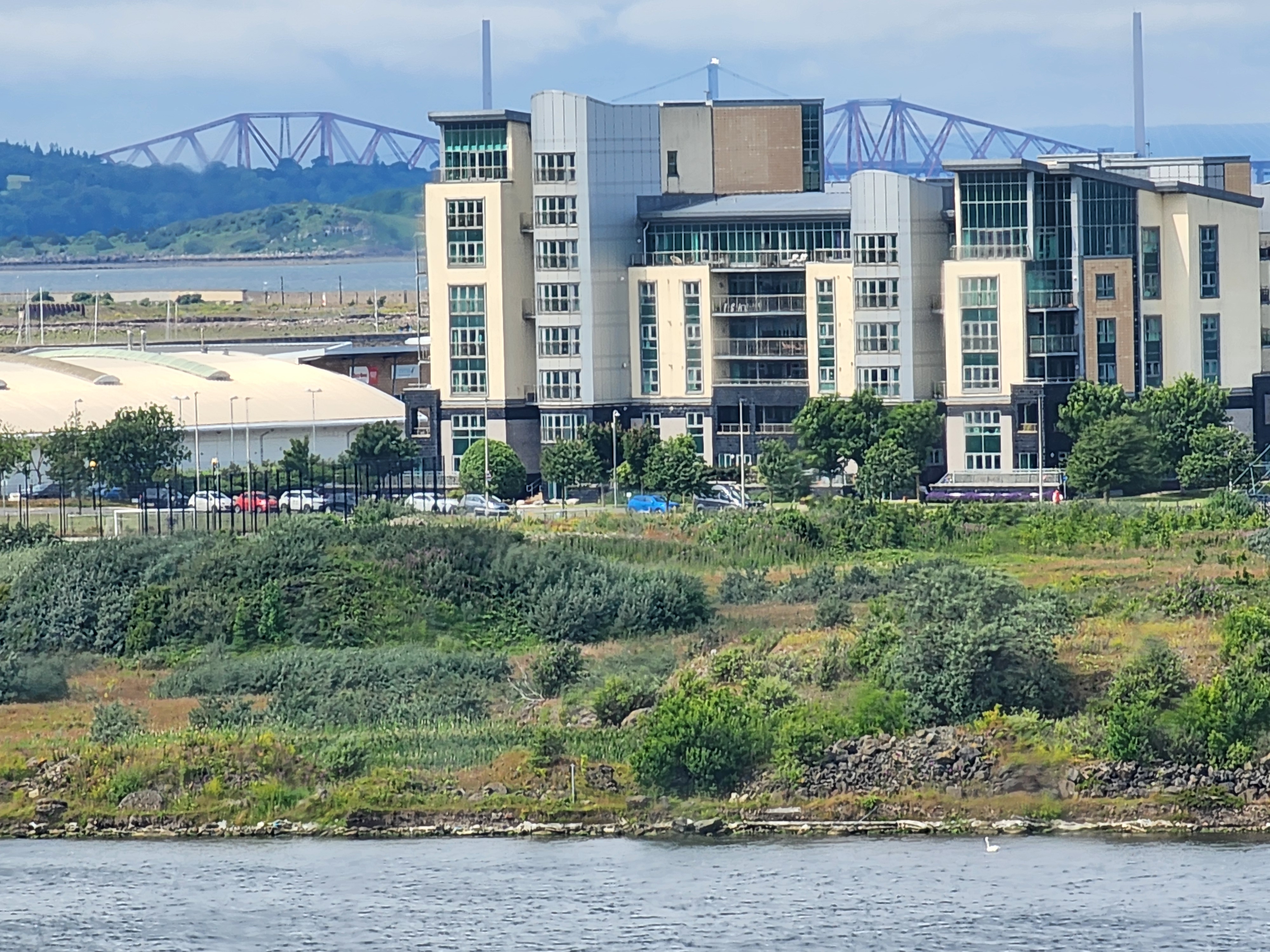
Apartments–if you look hard enough you can see the Forth Bridge in the background
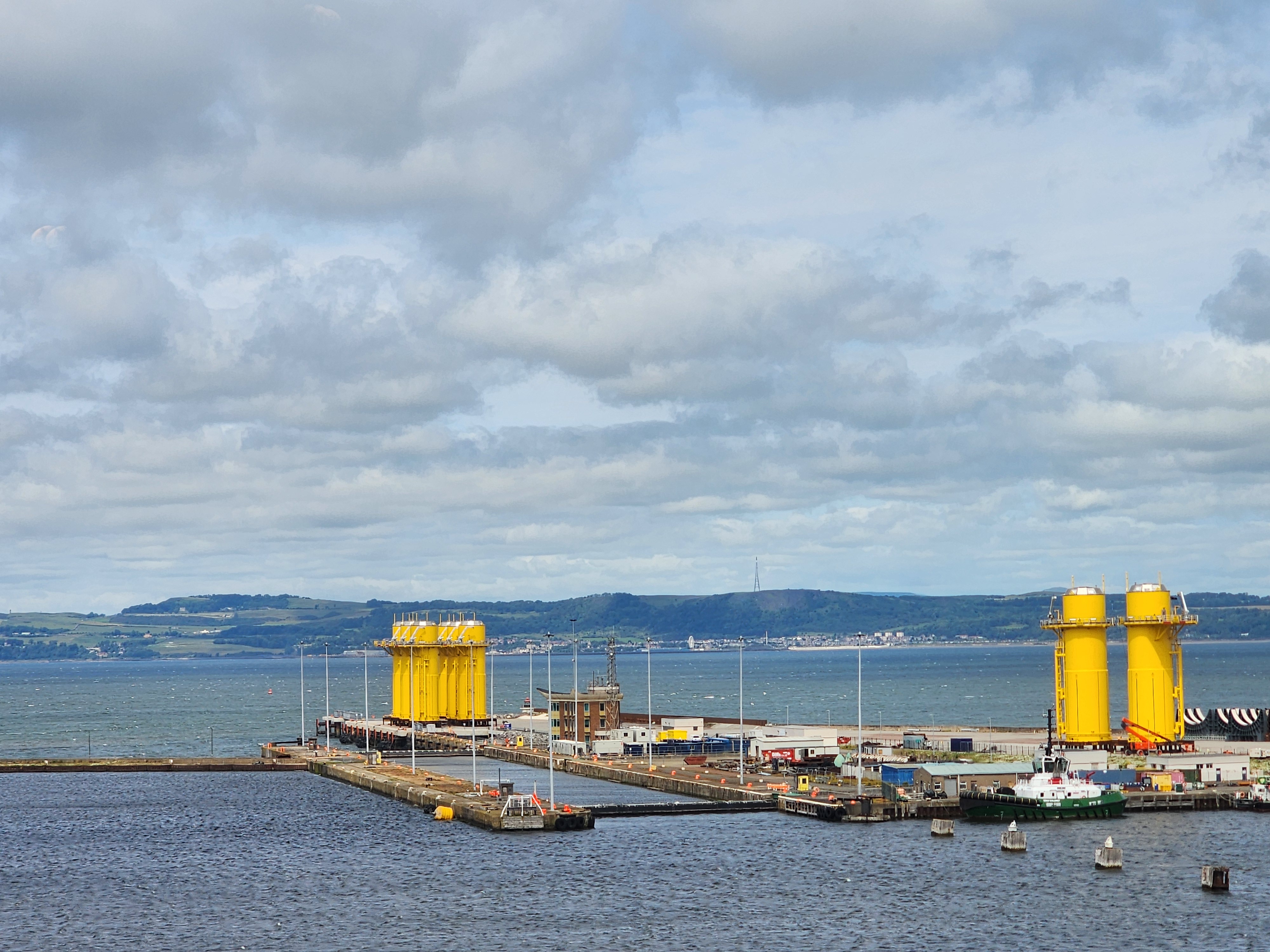
Not sure what the yellow things are, but this was a view from the 6th floor.
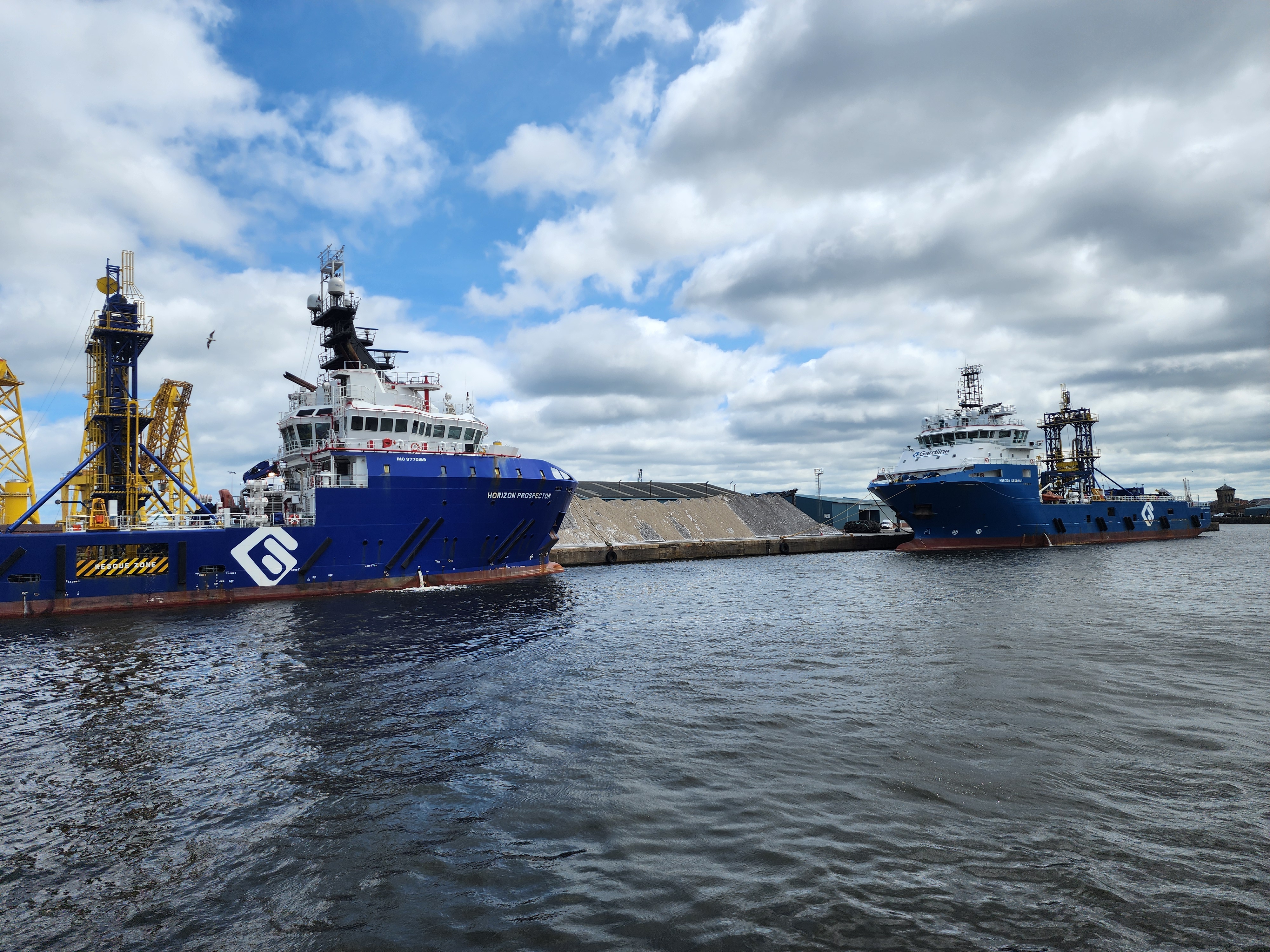
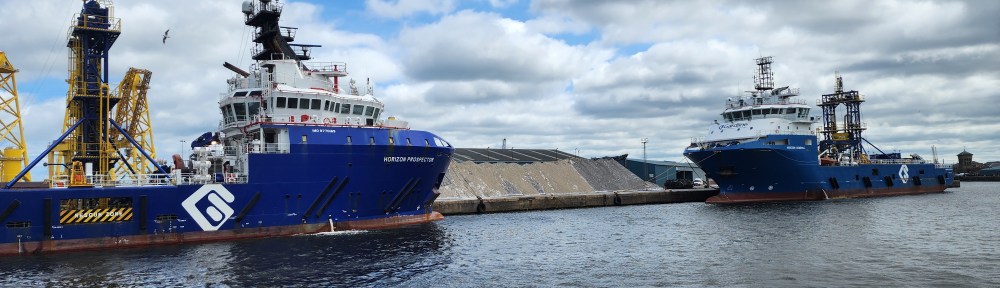
A couple of ships in Leith Harbor

