Dispatch from Edinburgh #2–Wet and Wild

Saturday the 14th was a soggy mess.  All of Edinburgh had as many puddles as umbrellas and lots of damp, sour faces.  But not mine.  I thrive in the rain. I had lined up the Scottish Highlands Sail, Bike, or Trail Experience (all new for 2025), which would take me to see Loch Katrine, a place I have not been before. What?  A place in the Highlands I have not yet seen?  Could this be true? It was!

Surprisingly, I had the tour to myself.  There were two other folks registered, but they canceled—probably because of the weather.  That suited me just fine, because it gave me the chance to pick any seat on the bus I wanted, window or aisle.  Also it was nice not to have to wait on stragglers who come to the bus late from outings.  And also, I think it spoiled me a little, which was nice.

The Forth Rail Bridge in the rain

The tour began with a close-up of the red Forth Bridge that I had only seen from a distance before.  The misty, dreich weather only enhanced its beauty, making it easy to imagine that I’d gone back in time and was seeing the bridge for the first time. There used to be a ferry from this point in South Queensferry over to Fife, to allow the pilgrims in St. Margaret’s time to travel (early 11th century; in fact, St. Margaret was the one who made the ferry free).  But now there’s only this rail bridge, an icon of the late 19th century, considered one of Scotland’s greatest man-made wonders.  Of course there are other bridges nearby, the 1964 bridge and the 2017 suspension bridge, but it’s the 1890 Forth bridge that has the allure and history, and is a World Heritage site.

The beauty of having a tour to oneself is that the tour guide can dispense with some of the cheesy patter and really only tell you things you want to know.  I think it helped that I mentioned I’ve been on about a dozen Rabbie’s tours over the years and could practically tell all the Scottish jokes and history right along with the tour guide.  He appreciated this comment, because he told me more tailored stories and we could talk about the sights with more depth.  For instance, we talked about the making of the Kelpies and why they were situated on the little river where they stay (because that area was known for its iron works), and they were based on the Clydesdale horses that pulled the wagons that held the iron. He told me about the legend of the Kelpies too, but I already knew it.  (In case you don’t know the Kelpies legend, they were demon horses that came out of the sea, so beautiful that anyone on the beach would feel compelled to touch or ride the horse.  But, beware! As soon as one touched the horse, one would be stuck fast, and the horse would return to the water, dragging the hapless victim to his or her death.)
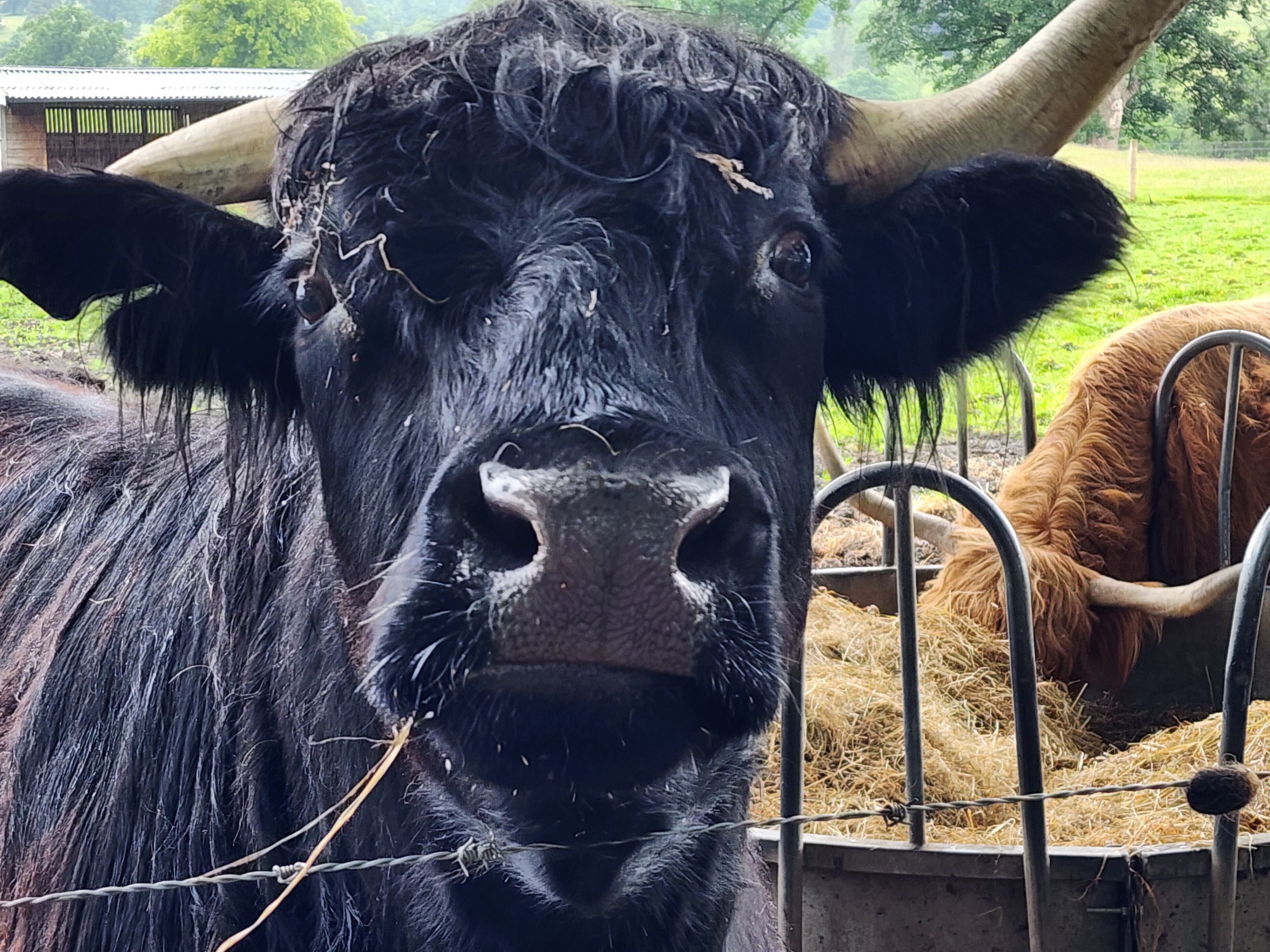
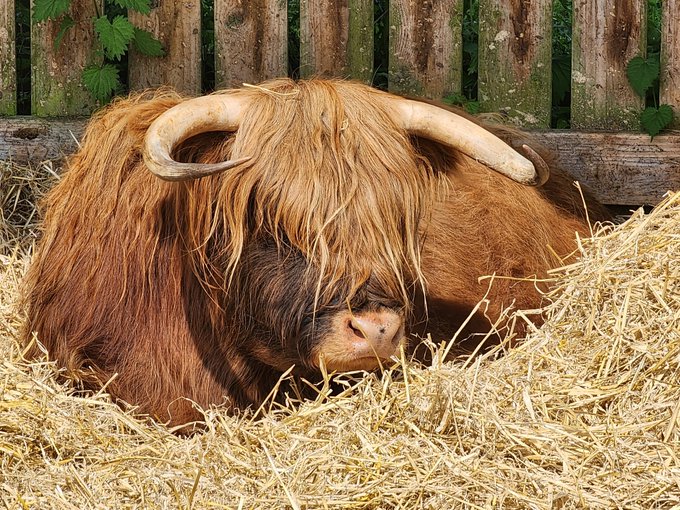
Gentle Heilan Coo!

We drove along the motor way, with yellow weather warnings periodically showing up on the signs alerting us to heavy rain (as if we couldn’t tell), but then we turned off onto two-lane roads and started our climb toward the mountains.  Because there was only me, he made a surprise extra stop at a woolen mill where some Heilan Coos waited patiently in the rain for photos and food.  For a £1 you could purchase a bag of carrots, raw potato, and other goodies for the cows, and they would take the food right from your hand with a wet sweep of their huge black tongues.  I am sure they are used to standing in the rain, bedraggled and sad-looking, but I felt a little bad for the cows.  They liked the veggies though and I was delighted to give them to the cows.
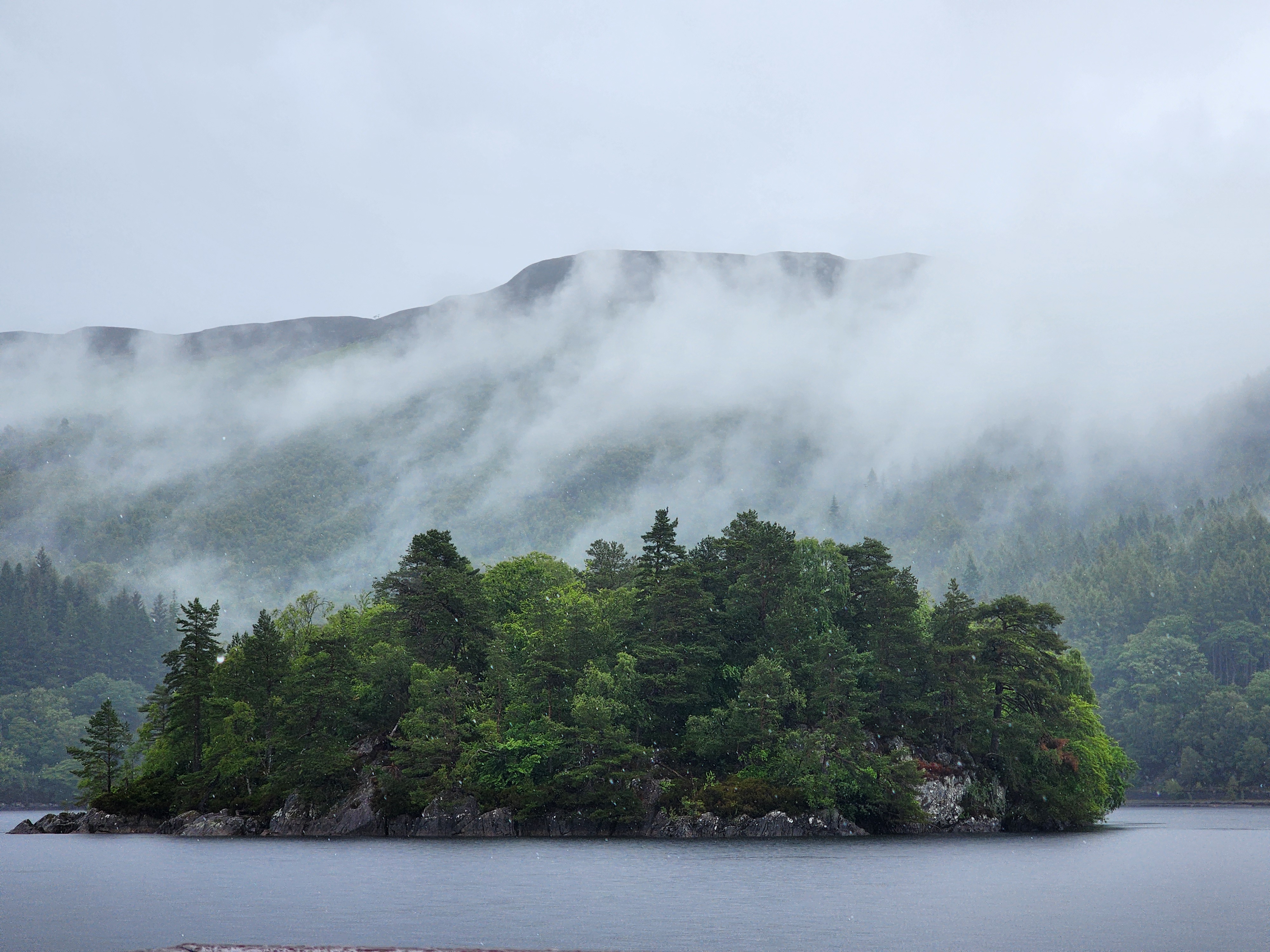
Misty Loch Katrine

Our next stop was Loch Katrine, a huge reservoir that serves Glasgow for its water needs. The loch was deep in the Highlands somewhere, up a twisty, windy road that was so narrow the tour guide asked me not to speak to him so he could concentrate on the drive.  I was glad that I wasn’t the one driving—some of the turns were hairpin, and almost 90 degrees at points. Maybe on a day it wasn’t raining like hell, the road would be less treacherous, but it felt pretty scary and I thought he took the drive too quickly.  But we arrived more or less in one piece, though I was a bit frazzled.
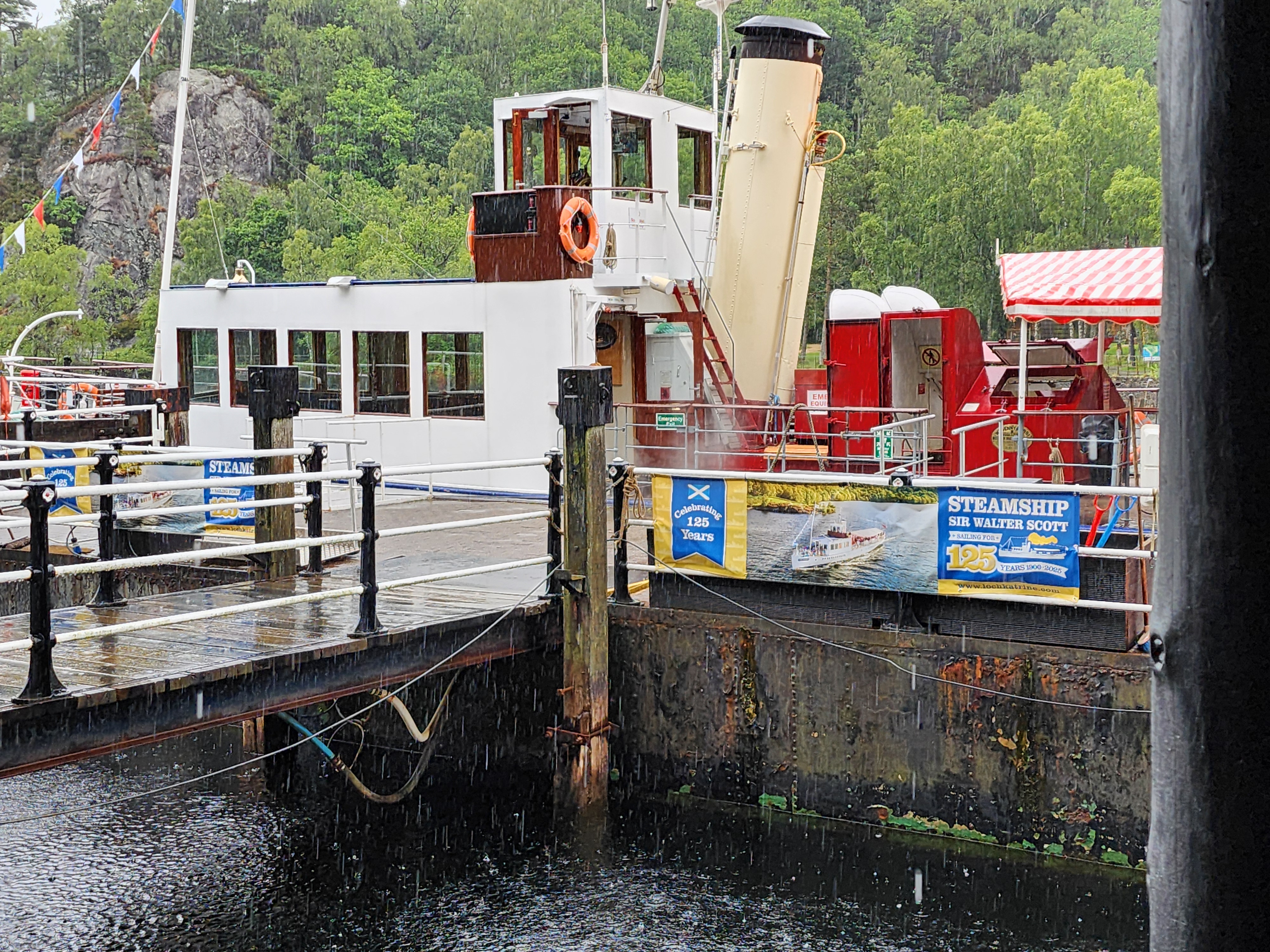
The Sir Walter Scott… if you look close you can see the rain

Had it not been raining, I might have done some walking along the trails that led away from the boat launch.  There was a walk that went past some yurts that I was interested in looking at, but I really just wanted to get out of the rain.  I got lunch in the little café—to-mah-to pepper soup and an egg salad sandwich on wheat, which was more lettuce than anything else. The boat ride wasn’t until one, so after lunch I called Mom on the area’s sketchy wifi to catch up with her. (She was fine.)  The boat ride was on the Sir Walter Scott, a steam engine boat celebrating its 125th anniversary.  There were 41 passengers for our boat ride, but I was amazed to hear that back in the day, even up to the 1950s, the ship carried up to 500 people.  I can’t imagine how 500 people could fit on the ship—we were cozy at 41.  The Captain made a joke that people are “wider” now and so it would be a lot harder to fit 500 on the deck. What he didn’t say was where the 500 people would be going.

Another misty view of Loch Katrine

The rain pelted down and the deck was damp and cold but the ride itself was pleasant—the mountains were hiding in low clouds, and the loch splashed and wavered as the boat steamed its way through it. The Captain was full of cheery chat, among which included the fact that no sheep graze in the mountains surrounding the loch because diseased sheep made runoff into the loch, and poisoned the water…not so good for Glasgow.
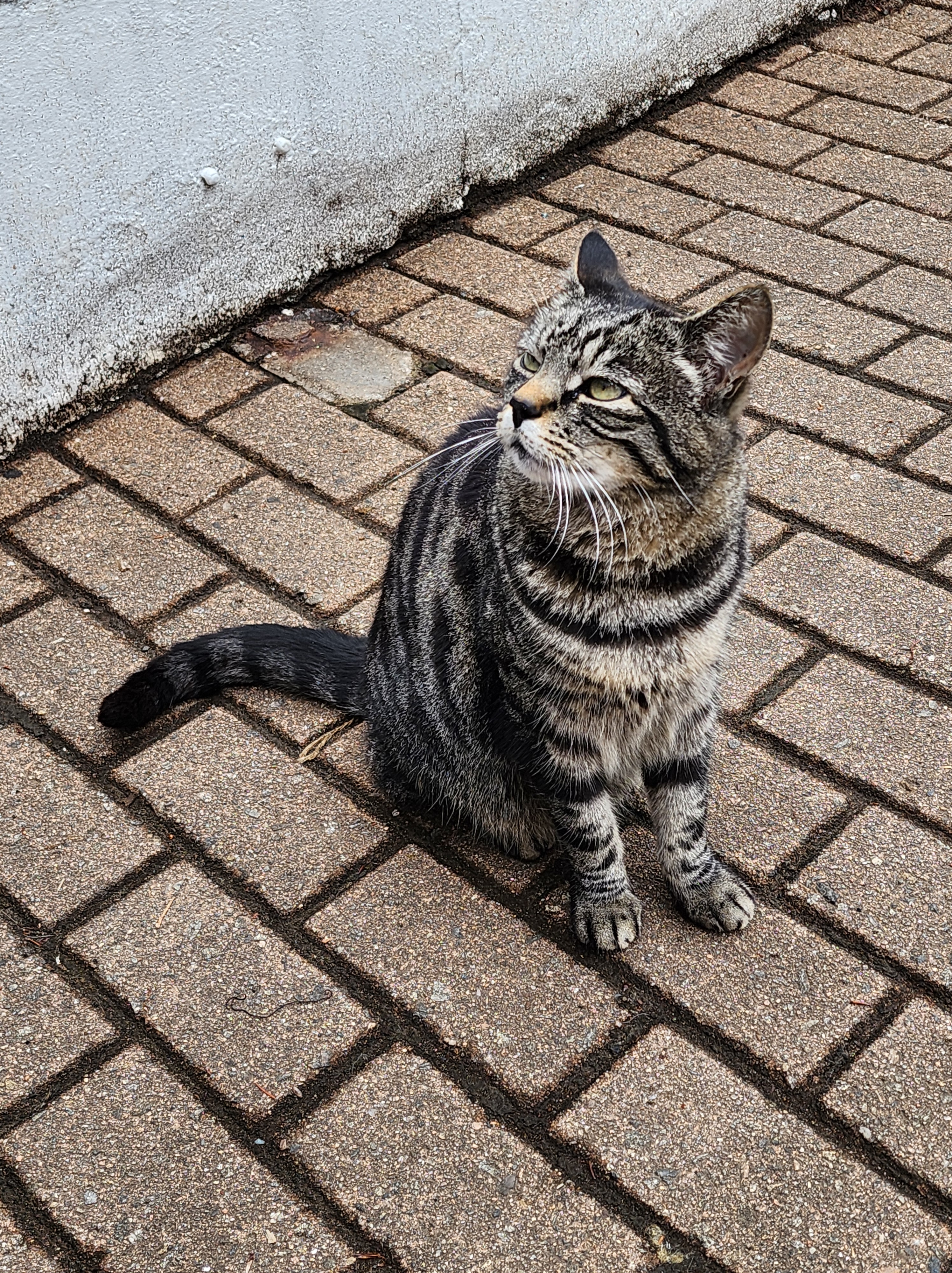
Turret the Cat

Towser the Mouser

Eventually the rain subsided somewhat as we turned around to get to the boat launch. I returned to the coach and we made our way to the last stop, Glenturret, apparently the oldest Scottish distillery, in Perthshire.  They don’t have an assured date, but they settled on 1763 based on archival research and a land deed.  Glenturret was unique because they have distillery cats, Glen (shy; I didn’t see him) and Turret (quite gregarious and affectionate).  A monument to Towser, the Guiness Book of World’s Record winning mouser, stands right as you are walking up a rise to go into the distillery.  Towser caught almost 29,000 mice in her lifetime.  Glenturret doesn’t have the mice problem it used to with the barley, so the cats are mainly decorative at this point, but I liked that they were there.

The smooth 7 Year

As for the whisky, I tried a dram of their Triple Wood whisky and their 7 year lightly peated whisky, which I liked very much, better than the Triple Wood, which I found a little harsh on the palate, even with its buttery notes.  The distillery tour guide told me that they are phasing out the peated whiskies because they were never but 10% of their business. I think part of that is the recognition that peat is a basically unrenewable resource—but sustainability aside, probably phasing out the peated whiskies mostly has to do with the fact that it doesn’t make money for Glenturret.  Another interesting thing about Glenturret is that it is half-owned by the Swiss company who also owns Lalique art glass.  I had noticed all the fancy glass bottles and the Lalique markers, and wondered.  The bottles are beautiful for sure. I would have liked to have checked out the Lalique Boutique but I didn’t have time.  Still, seeing the Lalique bottles for the special whiskies was impressive.  (So was the cost!)  Even though it wasn’t an arduous tour, I was tired by the time we came back to Edinburgh.  I think all the tramping in the rain did me in.
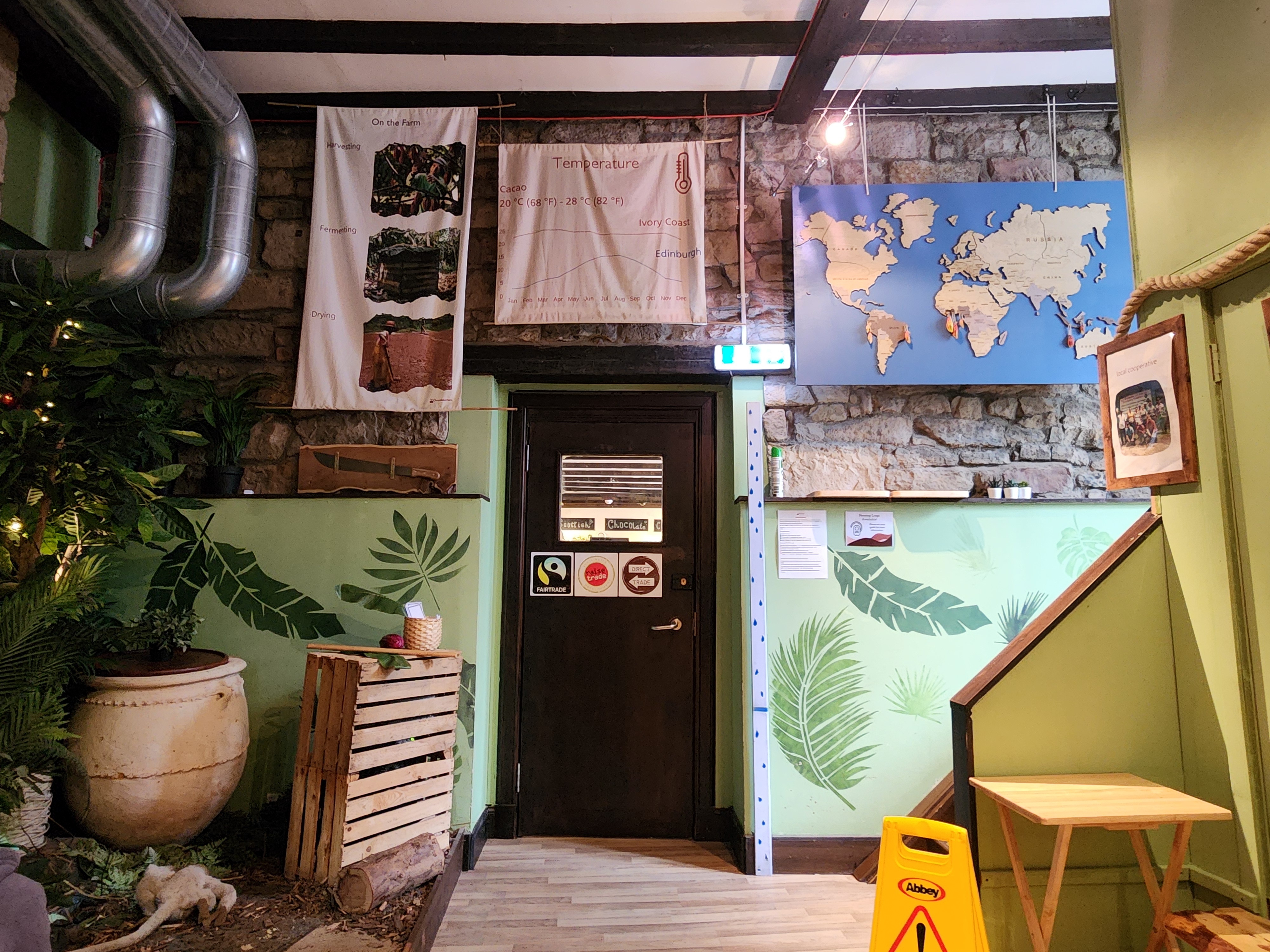
The Cacao Jungle Room at the Chocolatarium

The next day I went to the Edinburgh Chocolatarium, a little hidden hole-in-the-wall chocolate shop off the Royal Mile.  For £29, we could hear the history of cacao and chocolate making, taste several “flights” of chocolate from exotic places like Belize, San Tome, Colombia, and Ecuador, and make our own chocolate bar (mine was milk chocolate with candied ginger and candied orange rind). We drank a hot liquid chocolate made with oat milk that was so thick you could have spread it on a biscuit, as well as tried an Aztec chocolate drink that was made of cacao nibs (basically a macerated cacao bean), honey, water, and hot pepper.  It was as bad as you can imagine. Very gritty, and not very chocolatey.  And for this, they sacrificed 40 people a year to honor the gods who gave chocolate to the world—and 40 because there are an average of 40 beans inside a cacao pod, and 40 pods on a cacao tree.
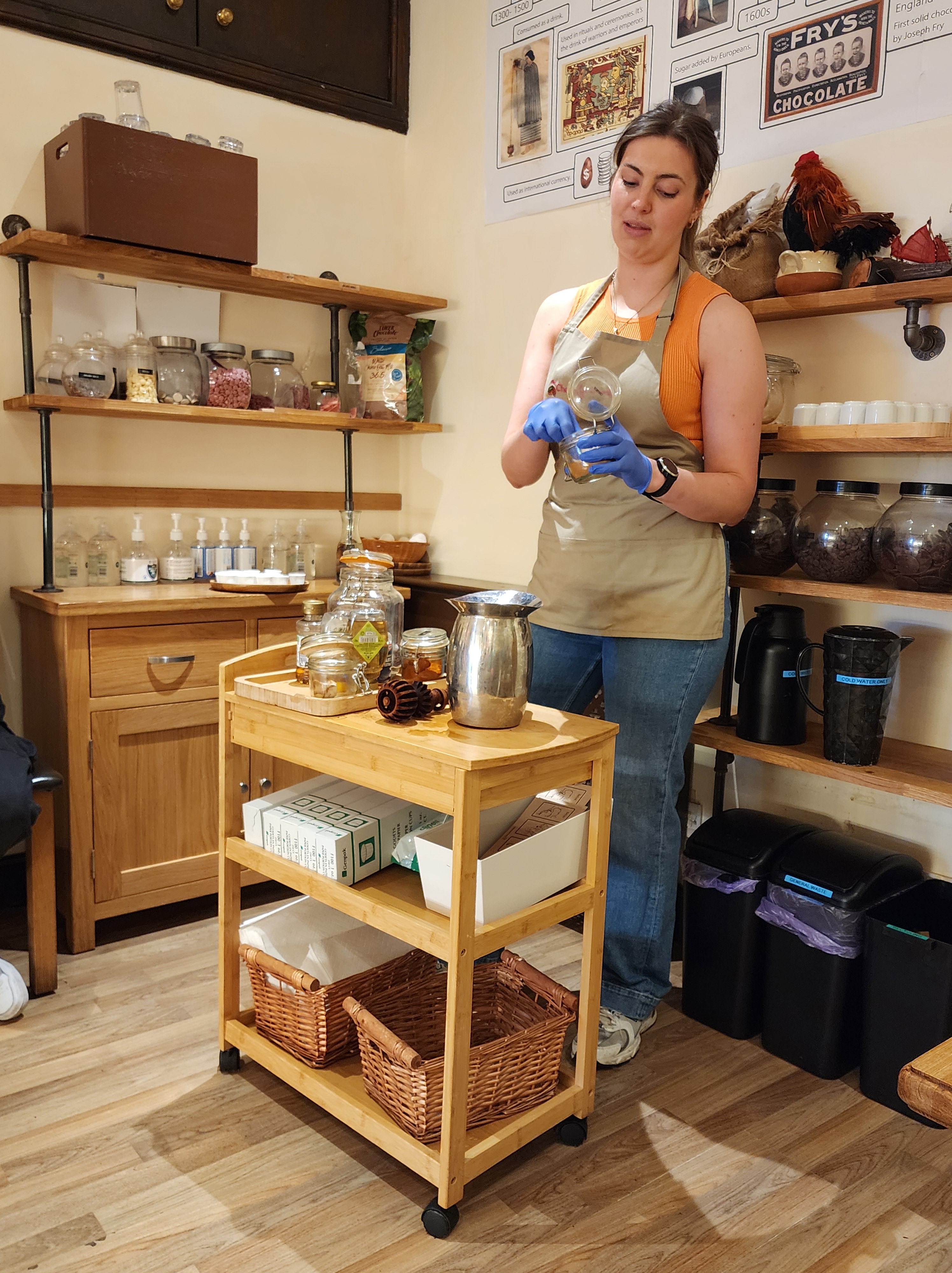
Our Chocolatarium tour guide making the heinous Aztec drink

After we drank the weird Aztec drink, we could try as many bits of chocolate as we wanted.  I had a flight of four—lemon poppyseed white chocolate, Vienna coffee chocolate, Cornish sea salt and lime, and Carrot Cake infused chocolate, and by then I was chocolated out.  A girl of maybe 11 or 12 tried over 20.  She never sat down.  (We were supposed to retrieve the chocolate from the jars, then bring four at a time to our seats.)  Not her though.  She just ate them straight out of the jars. She was a serious connoisseur—but I was surprised her mom didn’t tell her to quit grazing and settle down and let other people try some samples.  At the end, we picked up our chocolates and were led back into the store.  I would have been tempted to buy a bar of the lemon poppyseed, but the £6.50 pricetag stayed my hand.
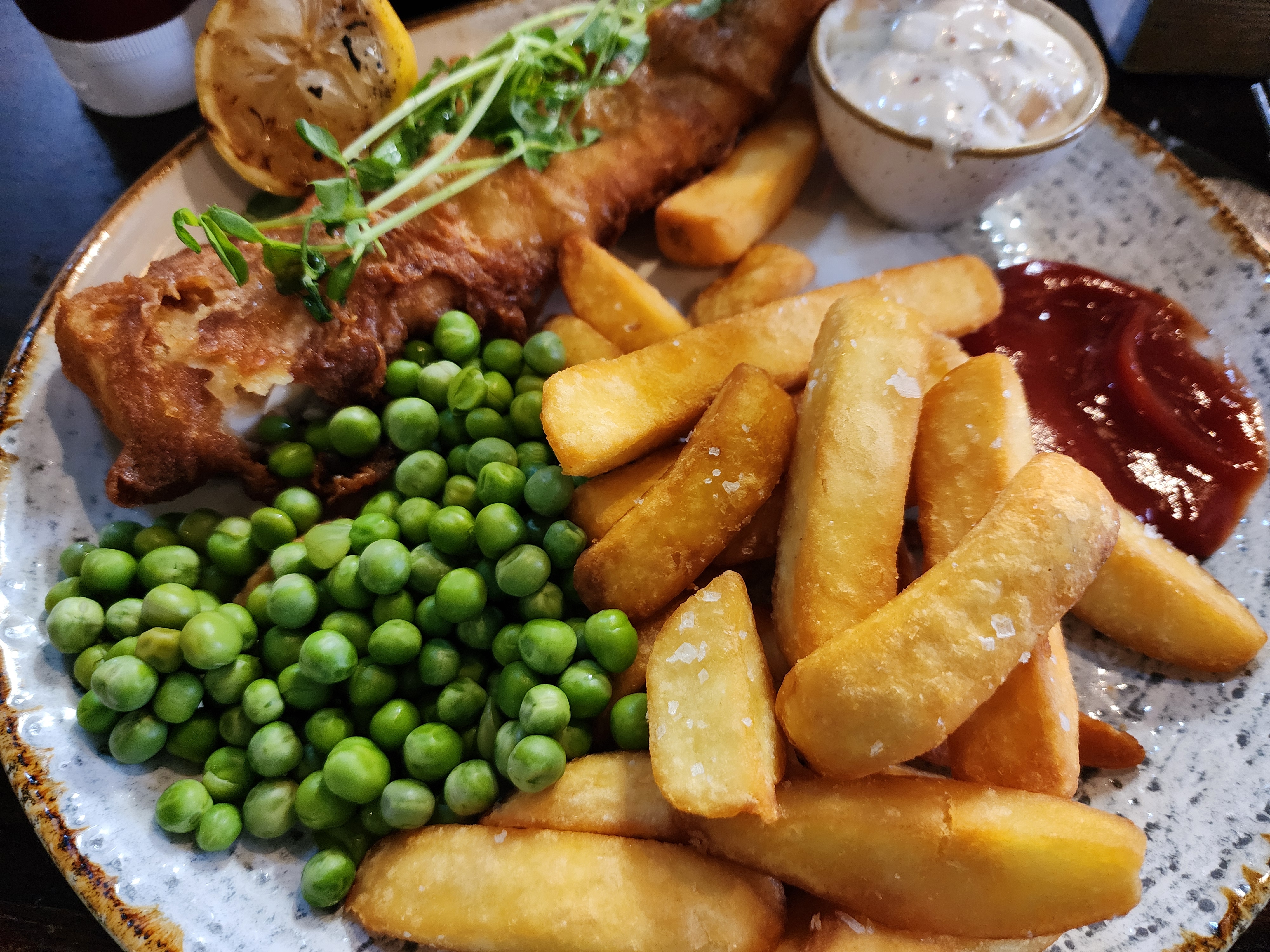
Lunch at the World’s End Pub

Then I somewhat enjoyed lunch at the World’s End Pub, which has been in business since the 1700s, when the wall to Edinburgh ended right beside the pub.  I had made a reservation reluctantly (because really, a reservation for a pub?), but I was glad I did, as they only have about 6 or 7 tables to dine at, and a steady clientele.  I tried their fish and chips, and while it looked very nice on the plate (accompanied by green peas, not at all mushy), it was surprisingly dry and tasteless.  The tartar sauce interested me because it wasn’t like tartar sauce at all—it was creamy like yogurt with something crunchy in it.  Maybe onions.  I am glad I actually went to the World’s End, since it is a tourist trap, but I wouldn’t go again.  The pursuit for Scotland’s best fish and chips continues.

At the end of the weekend I was bushed.  Still not over my cold, I rather wore myself out trying to squeeze all the goodness I could out of the days.  But it was a fun weekend.  I wish you had been there.
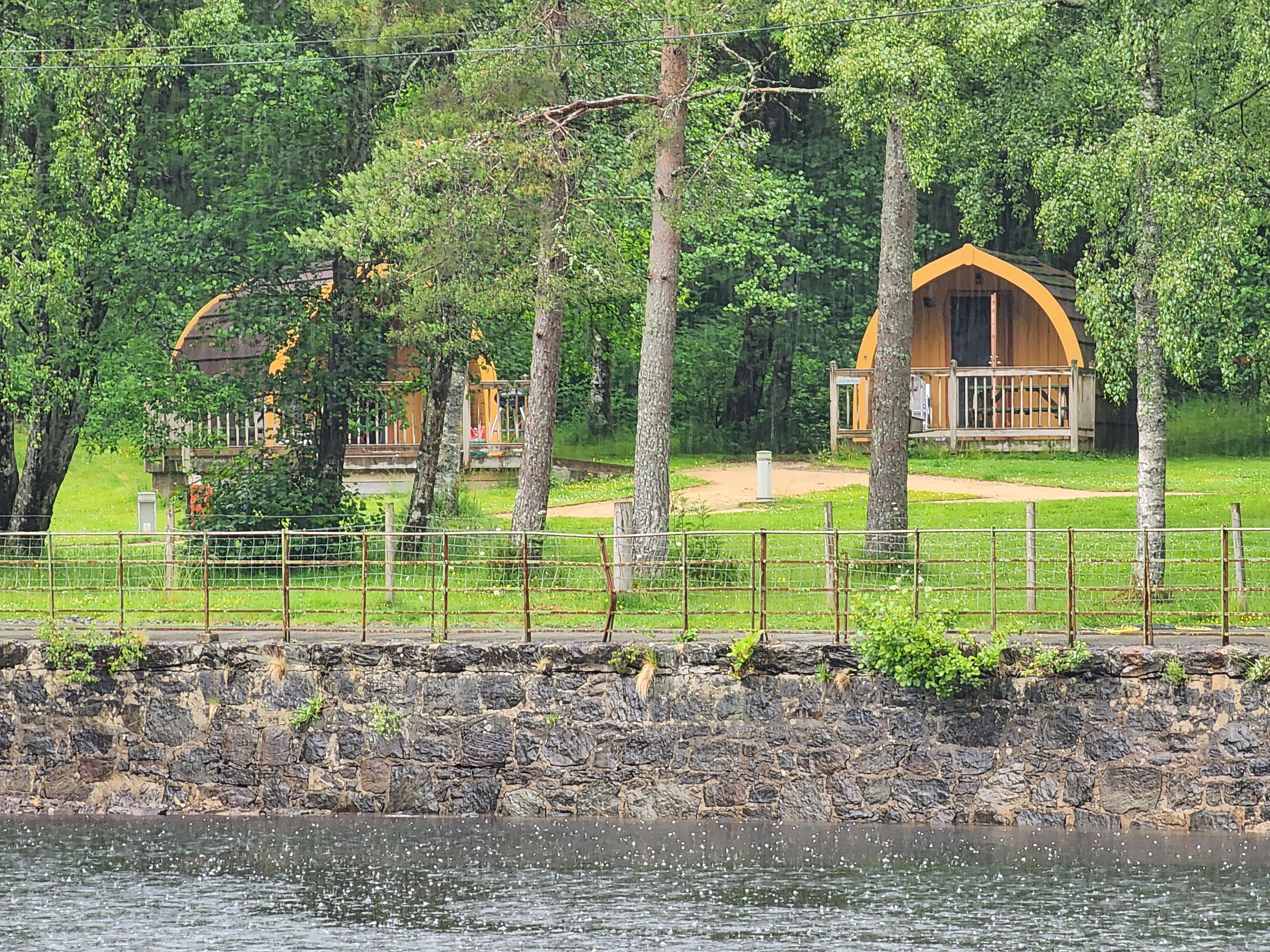
Yurts on Loch Katrine
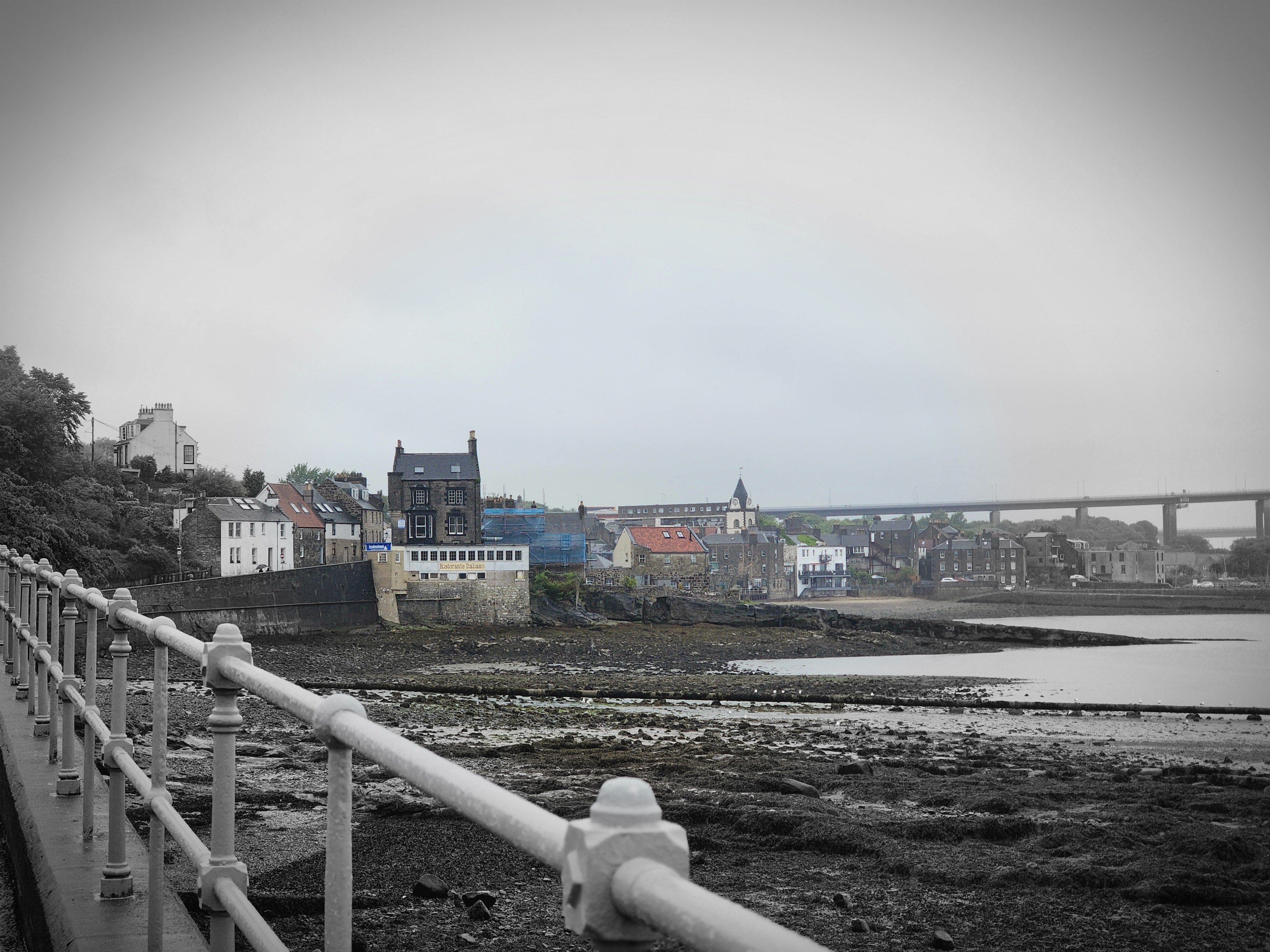
View from South Queensferry
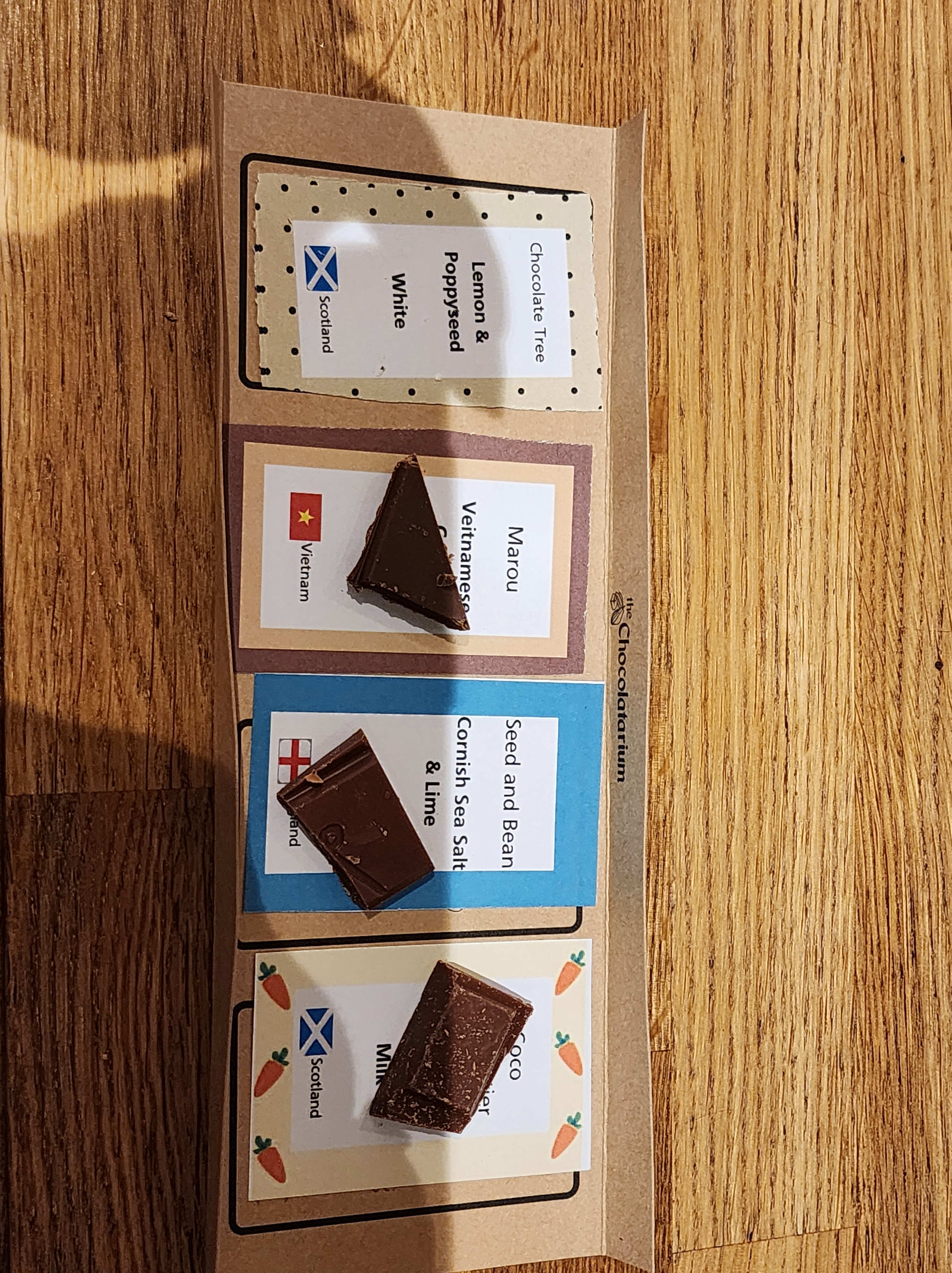
Chocolate flight

One of the toppings I thought about putting into my chocolate bar

A tube of liquid chocolate for the mold
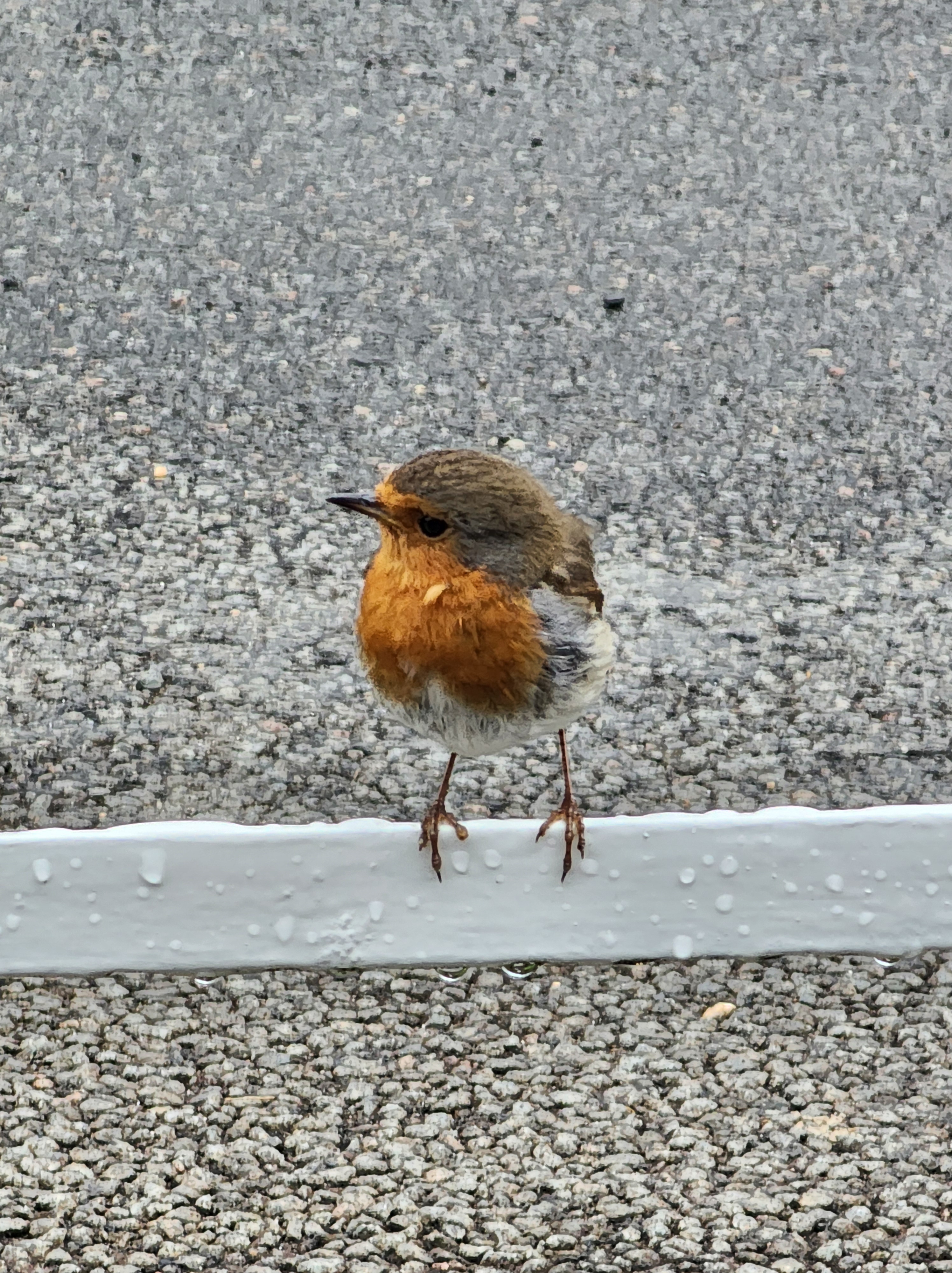
A wee sweet birdie

A view of Holyrood…do you see the plane?

Loch Katrine
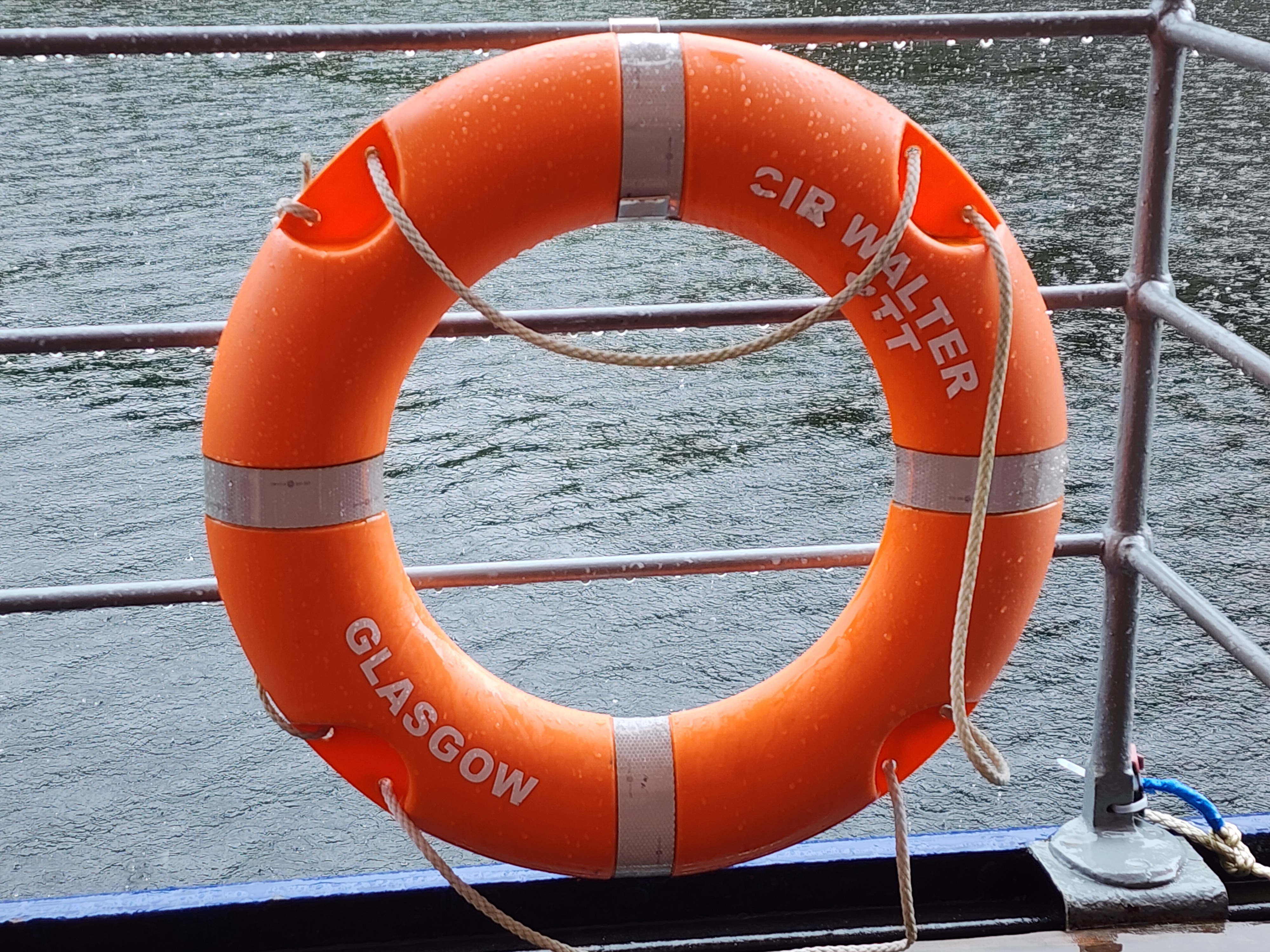
No one fell overboard, thank goodness

A pretty flower in the rain
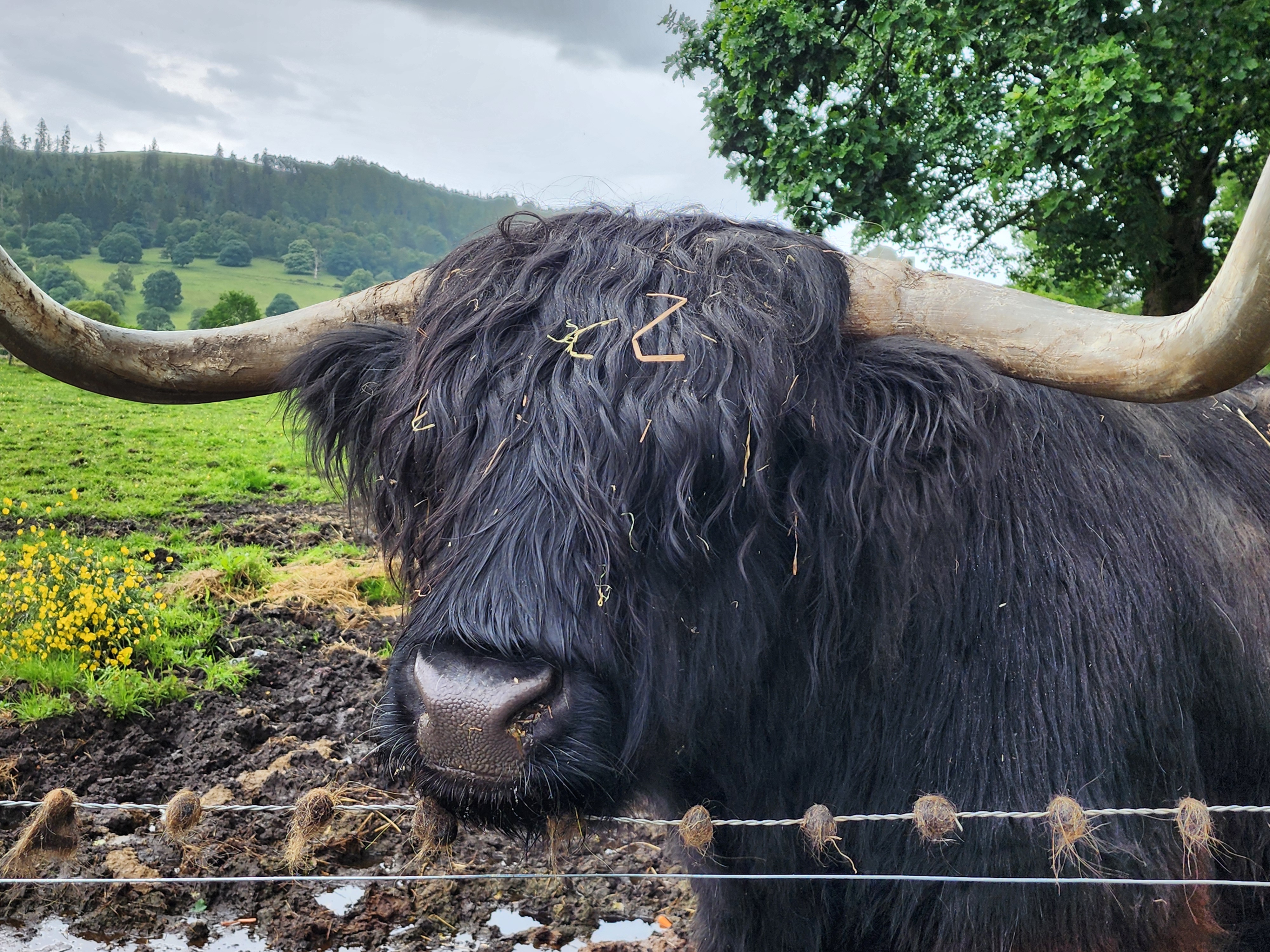
He looks sad, this sweet coo
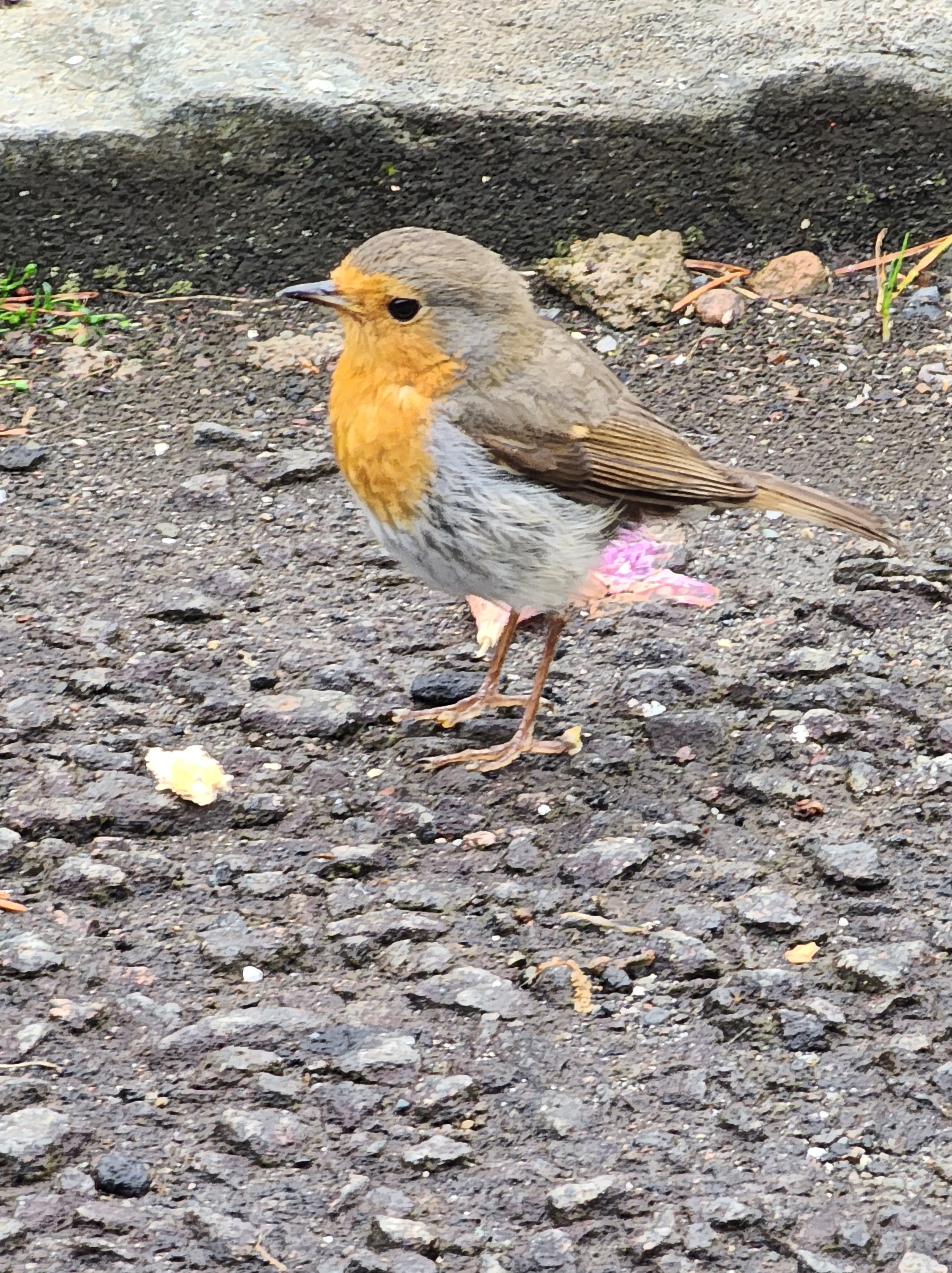
The wee bird again

The Glenturret mash tun

Boat launch
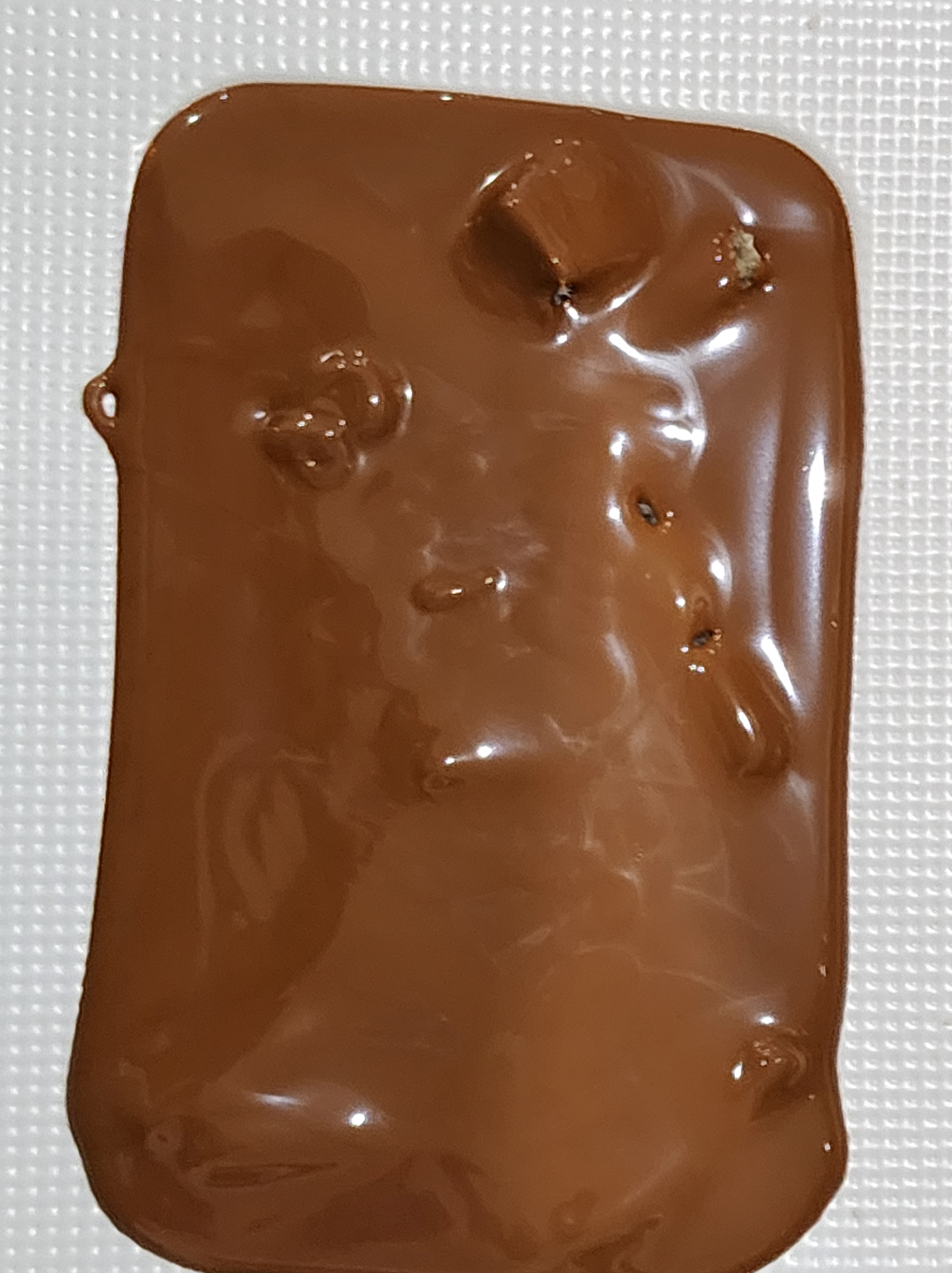
My candy bar cooling in the mold

Loch Katrine
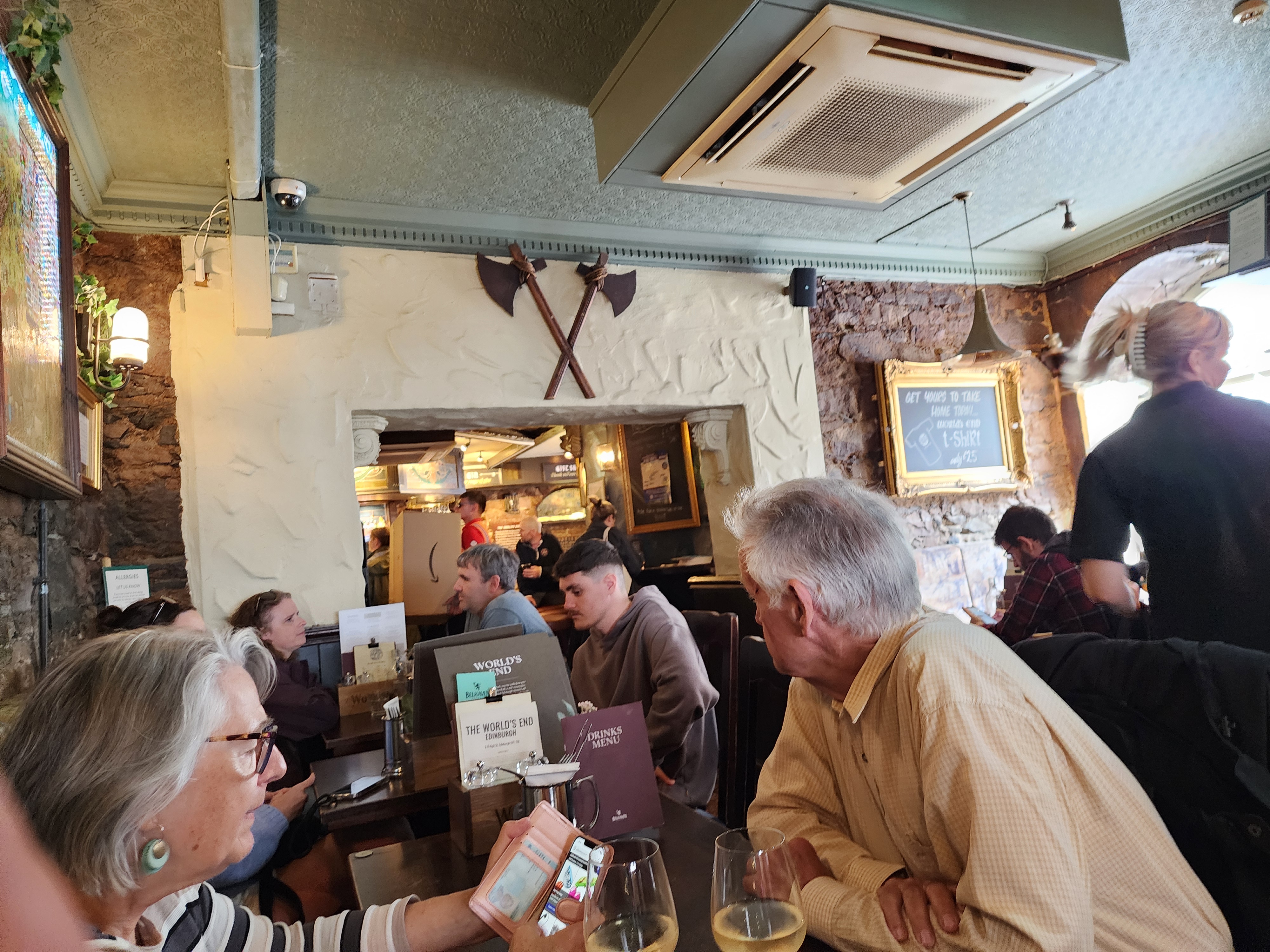
The two Aussies in the front of the picture talked to me all through lunch at the pub

On the deck of the Sir Walter Scott
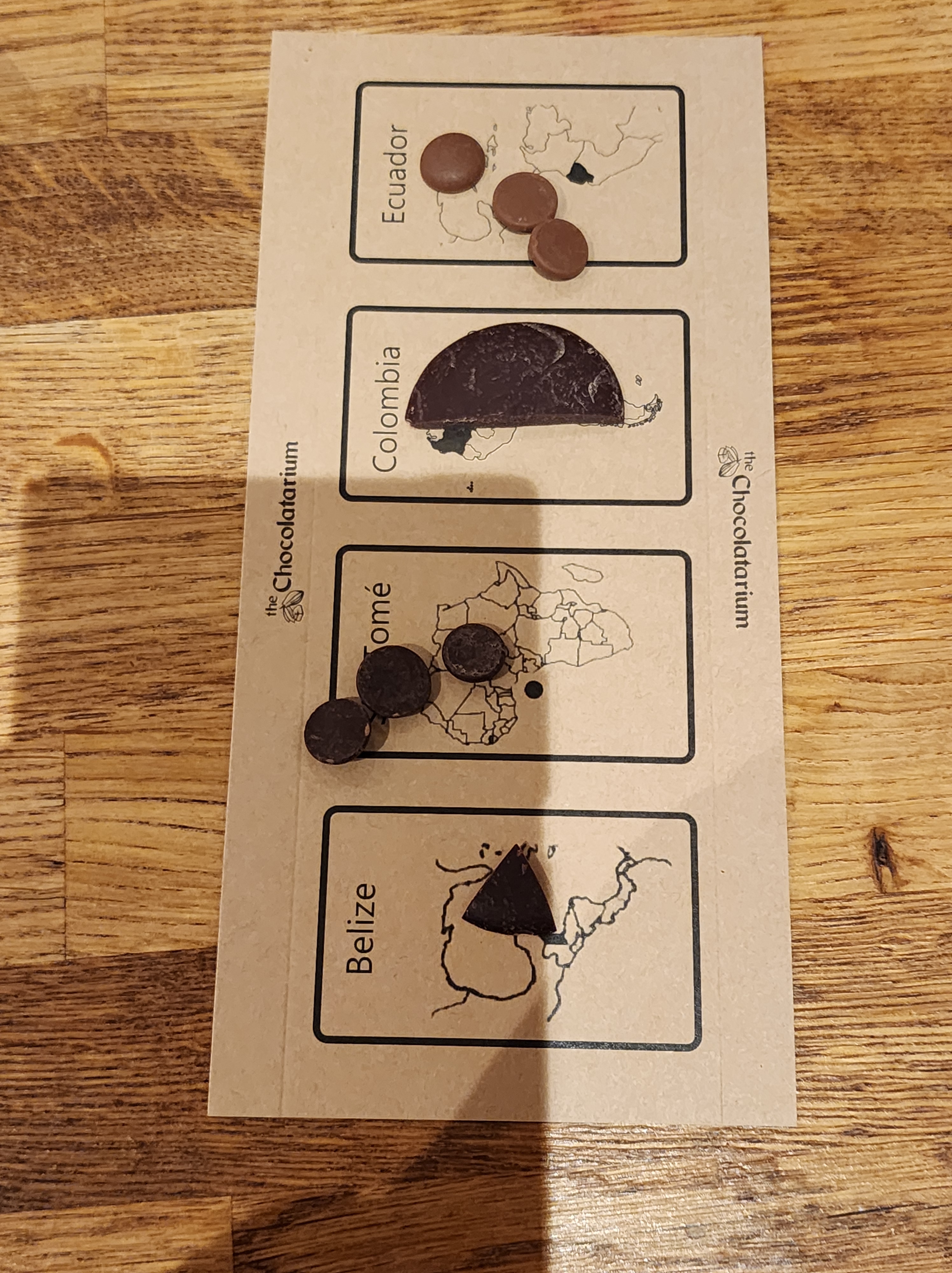
A second chocolate flight
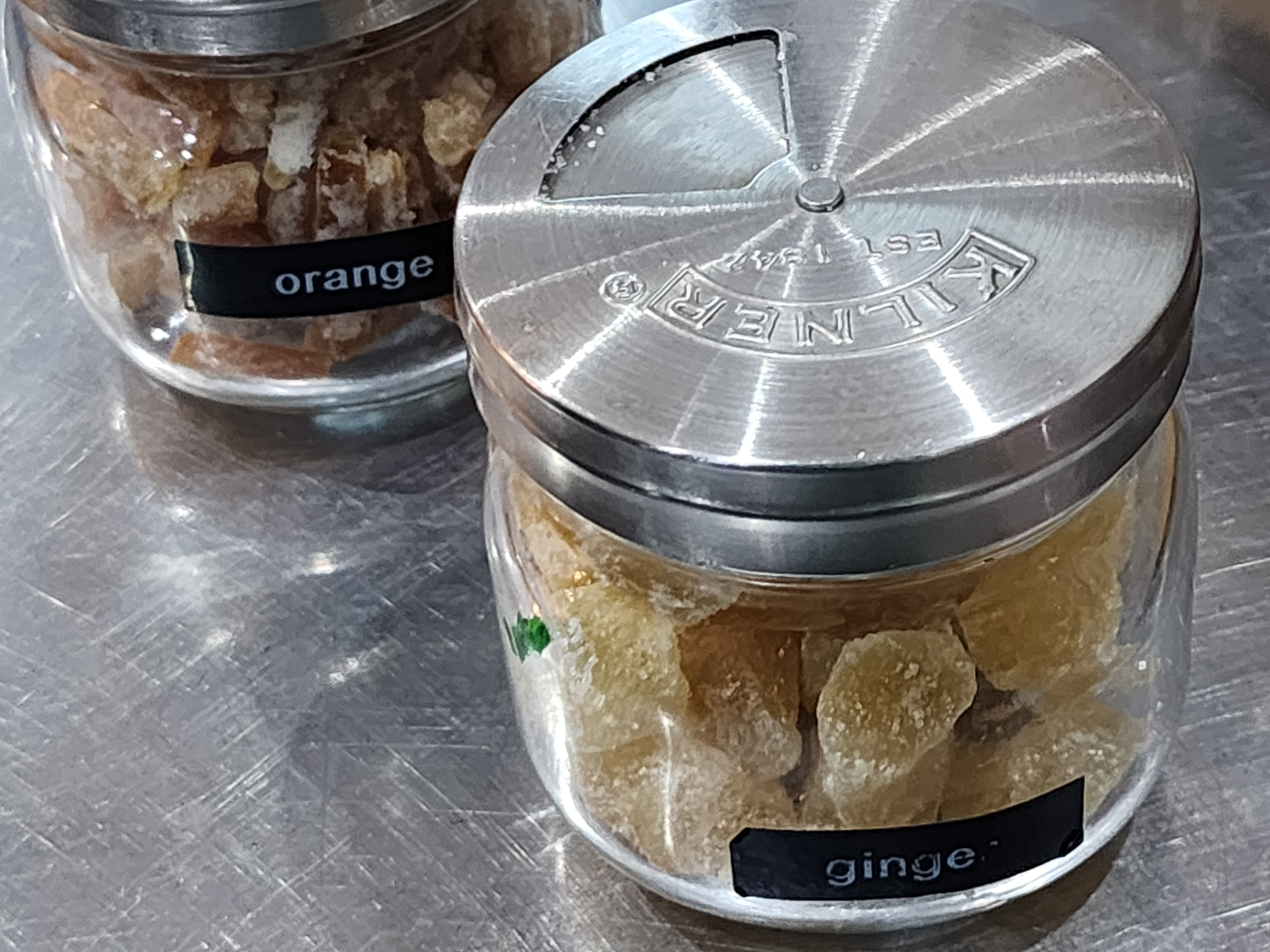
Orange rind and ginger for my candy bar
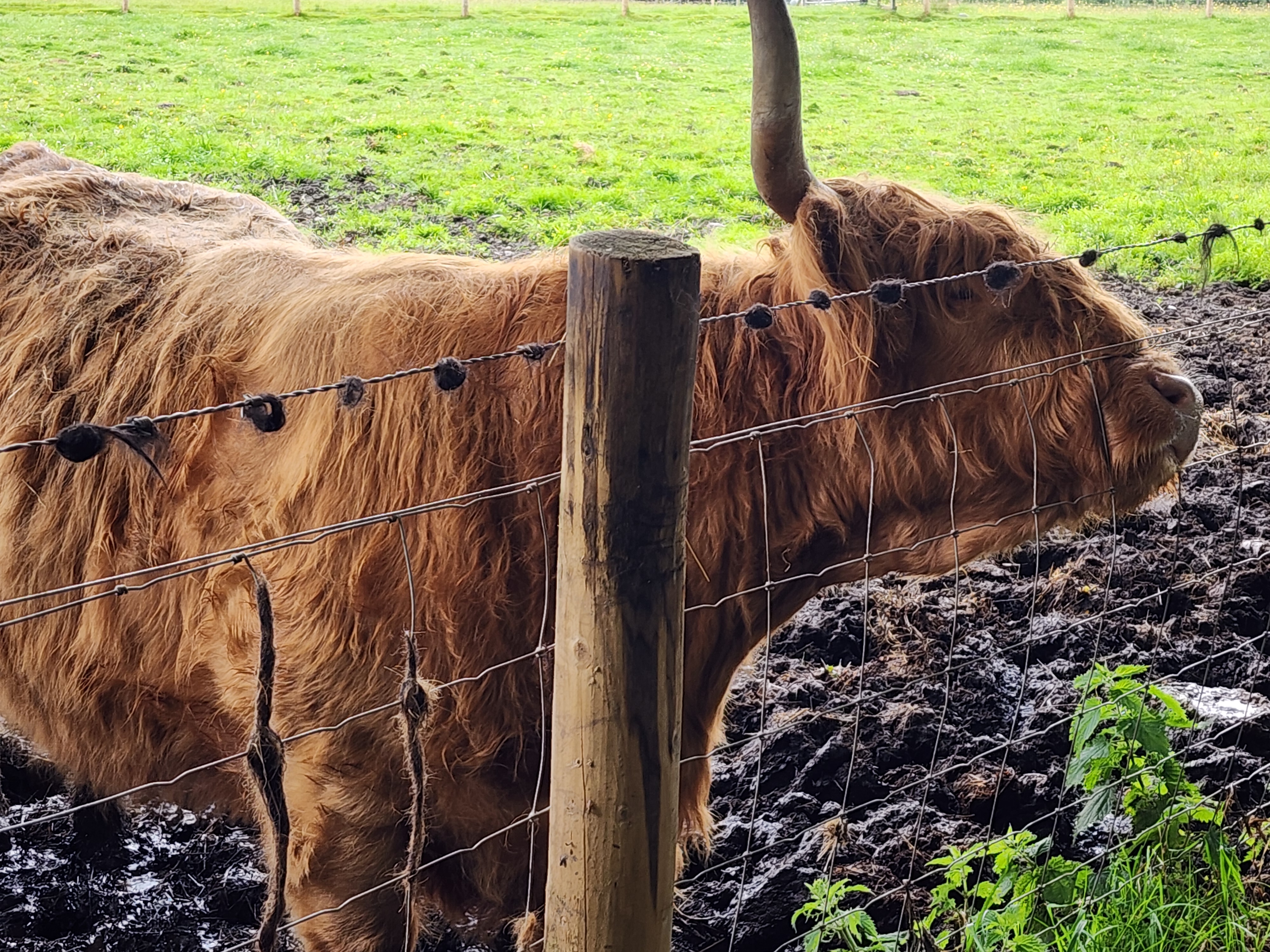
Another sweet coo

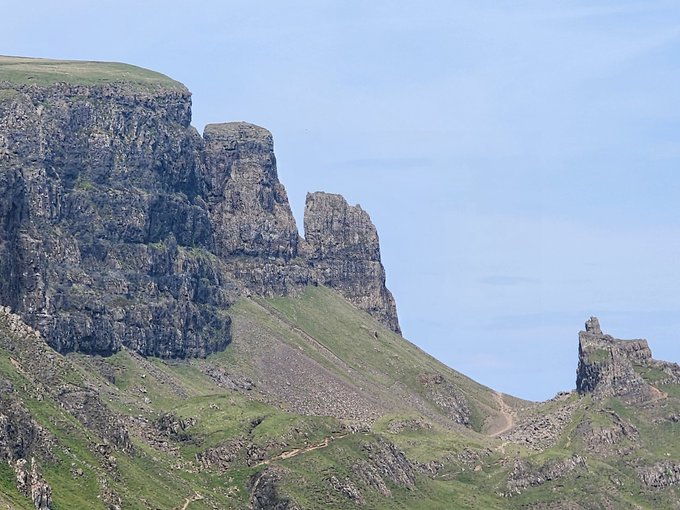
The Isle of Skye

Back in Scotland for another summer of teaching, I find I’ve settled in easily enough—I have a good sense of direction and I’m still on bus route 14 (though I’m further away from campus than I was last year), and every day I look out on the beauty that is Arthur’s Seat, a rock formation from an expired volcano.  I can’t complain too much, although my apartment is a bit of a disappointment, but I’m making do.

The Kelpies

A few weekends ago, I went on a tour of the Isle of Skye, which is the largest of the inner Hebrides islands.  What I didn’t know—and maybe, if I had bothered to look at a map I would have—is that Skye is basically part of the Highlands, but if possible, even more empty and scenic.  It took us all day to get there, and we made stops at Falkirk to see The Kelpies (I still love them!), then moved on to Loch Lubnaig, Glencoe, The Three Sisters (places I’d seen last year), a little chocolate shop in Glenshiel (I didn’t find anything I wanted to buy—mainly because I was too cheap), and a little bridge near the Red Cuillin and Black Cuillin (Munro mountains on the Isle of Skye).

The Three Sisters

Loch Lubnaig

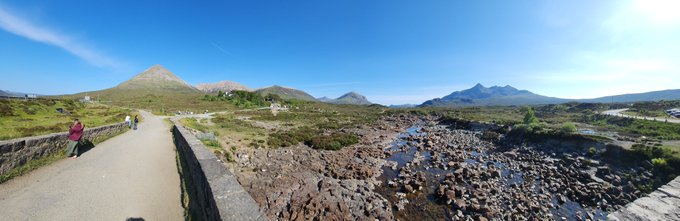
A panoramic view of the Cuillins

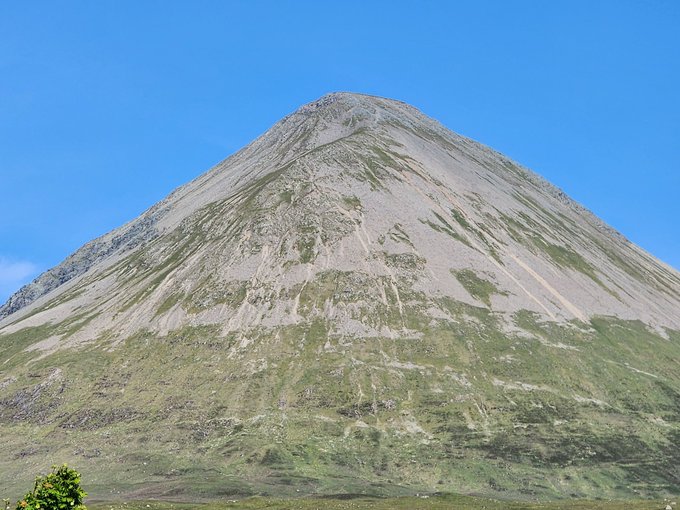
The Cuillins

Seeing the Highlands in the bright sunshine—as opposed to the mystique of clouds and mist—offers a surprisingly different insight into the view—you see all of the mountains, even to the very tops, and the sunlight brings out the details and relief of the mountain faces.  It’s a curious experience—because for instance, last year when I saw the Three Sisters, I saw them wreathed in mist and there was something gently oppressive about them.  In the sunlight they glow—the green so rich and thick upon them contrasting to the true azure of the sky.  It’s breathtaking.  It was warm, though the wind does blow fiercely through the glen.

Getting to the Isle of Skye (“Skye” means mist), you pass a few castles, including Eilean Donan (“the most beautiful castle in Scotland,” according to their guidebook), and go over a huge white bridge that was designed for the Royal Yacht Britannia to sail underneath.  Apparently, it only went underneath once, in 1995, and has since been retired as a tourist attraction in northeast Edinburgh. And once you’re actually on the island itself, you find the roads tend to be two-way, single lane roads, which is a bit hairy when your tour bus keeps pulling off at the “passing places” to let other cars go by, and there are huge drop-offs on either side of the roadways.  Our first stop on the island was to this bridge where we could stretch our legs and look at the Cuillins.

Black Cuillin

Red Cuillin

These mountains are Red or Black, depending on the kind of ash and lava the volcanos spewed millions of years ago. I liked the Red Cuillin because it looks really red (well, kind of rust red), but the Black Cuillin is dark and pointy and seems mysterious.  Both of these mountains are Munros, which means they’re Scottish mountains greater than 3,000 feet high.  (There are 282 such Munros in Scotland, and they get their name from the famous Scottish mountaineer, Sir Hugh Munro, who catalogued and climbed them. People who climb these Munros and “collect” them are called Munro-baggers.)  These Cuillins probably have an official name (Ben Something or Other), but I don’t know it, and a sign just referred to the Red Cuillin as Red Cuillin, and the Black Cuillin as The Cuillin.

We finally stopped for the night and I stayed at the Pier Hotel (a B&B) in the harbor, then got Fish and Chips at a chippy close-by.  I didn’t want to stink up my room with my dinner, so I sat out on a stone overlooking the harbor, feeding the gulls and a very annoying crow some chips, which they snagged in their beaks and flew off as if I were going to try to take them back.  I could have walked around the town of Portree but really I just wanted to get in bed and read.  So that’s what I did.

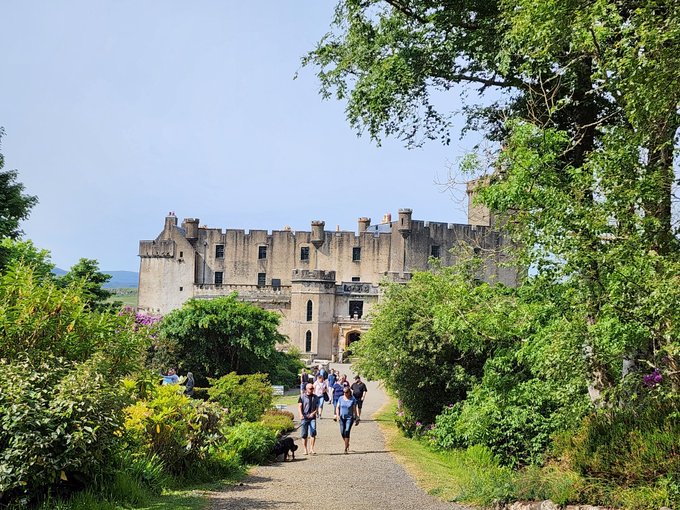
Dunvegan Castle

The next day we did a lot of driving around Skye on these tiny roads that jot across the glens and Highlands.  Some of us, including me, went to Dunvegan castle and gardens, whiles others went on a “difficult” hike.  Dunvegan is the clan seat of Clan MacLeod.  It dates from the 13th century but has been renovated and updated in the intervening years.  What we could walk through was limited—a bedroom, a parlor, a dining room, a library—but we weren’t allowed to take pictures of the inside.  There were lovely paintings on the wall of the various MacLeod families, as well as a painting of Samuel Johnson, the poet and playwright, who visited the castle at some point in his life.  The halls were crowded so I didn’t get as close to some things as I would have liked (for instance, the dinner ware and silver service), but what I saw of it was beautiful and tasteful.  Belowstairs, there were servants areas, like a sewing room, and a room where a video was running, telling about the history of the place, especially the Fairy Flag, which is this scrap of fabric said to be imbued with fairy magic.

The Fairy Flag, a prized possession of Clan MacLeod, with its lore centering on its being a gift to an infant clan chief, performed two miracles:  it saved the clan from starvation, making all the sick and thin cattle healthy and fat, and it helped during a military battle.  Apparently, the Fairy Flag has another miracle to perform, but Clan MacLeod has not needed to use it.  So instead it hangs proudly in place in the castle, though it’s not much to look at—a tattered thing of yellowed silk—that nevertheless is historic and interesting to see.

I wandered the gardens only a little—it was hot out and the midgies (irritating bugs, something like mosquitoes) were hungry.  But there were rhododendrons and irises aplenty and shaded walks throughout.  Mostly I wanted to look at the seals, but the seal boat wasn’t running.

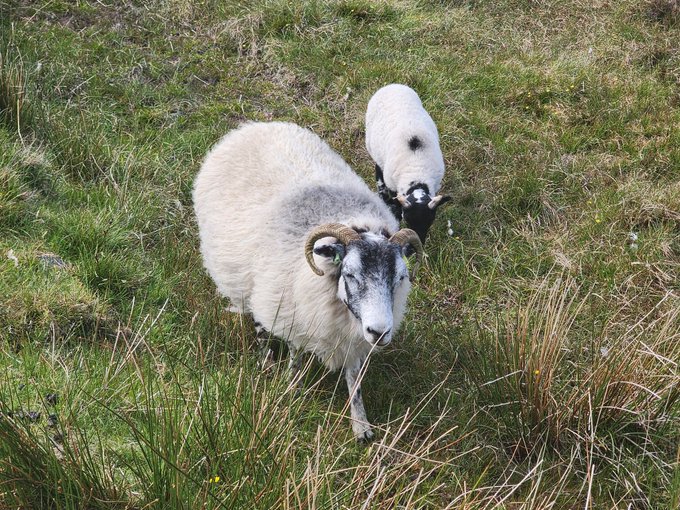
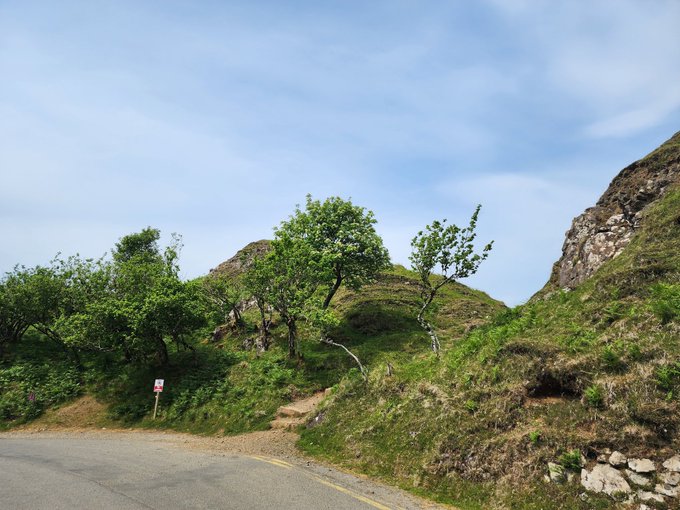
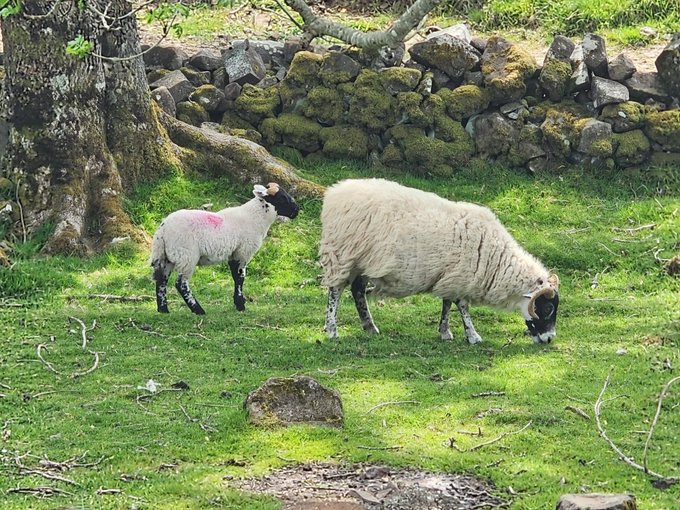
Later, we took a ride down to the Fairy Glen, but I couldn’t seem to take very good pictures there, almost as if the glen did not want to be photographed.  The Fair Folk must have been protecting their lair.  I did get some close encounters with sheep, and the land itself gently rolled, the bushes and trees curling in on themselves, but the little mounds where the fairies lived only came out blurry, so I tossed those pictures.  It was a nice walk through the glen, and I found a big rock to sit on for a bit.

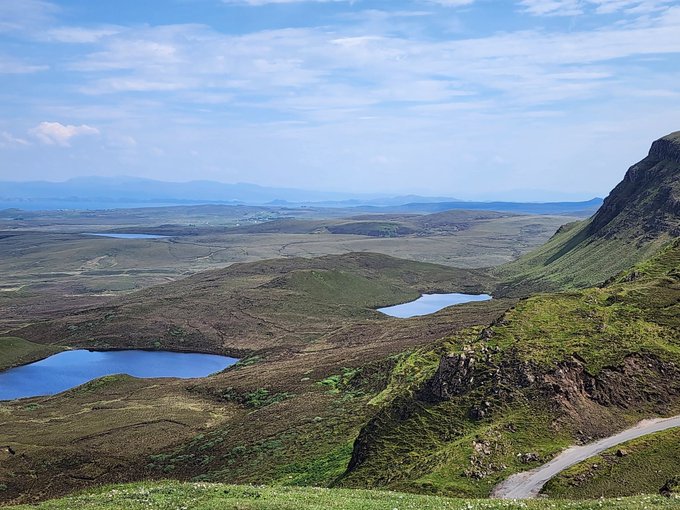
View from Cuith-Raing

View from Cuith Raing

Then it was on to Cuith-Raing, up in the mountains, where you could look down on a town on the Isle of Skye from a great distance and the landscape is rocky and green, with fantastic views wherever you looked.  Of course, it was really high up, so I stayed well-away from the edges.  And I called Mom because I was getting good reception. I just wished she had WhatsApp so I could have shown her the view.  Afterward, we stopped at a beach at An Corran, famous for its 19 dinosaur fossils, and then we drove along to see the Old Man of Storr, a rock formation that can be seen for miles, on the Trotternish peninsula.  There is a walk to go up to it, but apparently it’s two hours long, and it was not on our itinerary.

Eilean Donan Castle

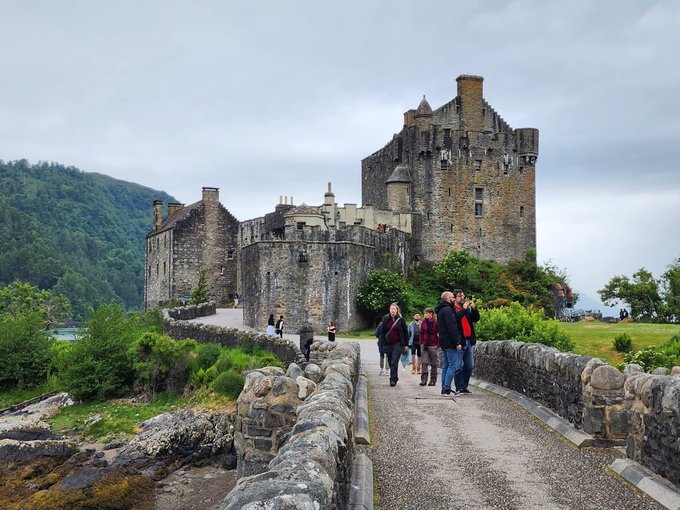
The last day was mostly dedicated tothe drive back to Edinburgh, but we did stop at Eilean Donan Castle, and you could cross to the island for £3, or you could go in for another £10 or so, so I just walked the grounds.  It was rainy and cold and gray—perfect weather in my opinion for poking around castle grounds and for imagining what it was like in its heyday. I suppose, that’s the kind of thing I—and everyone else—do whenever visiting Scottish castles—try to imagine what these behemoths were like when they first became inhabited.  And to wonder at the people who still own them and live there still. After a break for lunch in Loch Ness, and a stop to see some heilan coos at Taste of Perthshire, we made our way home.

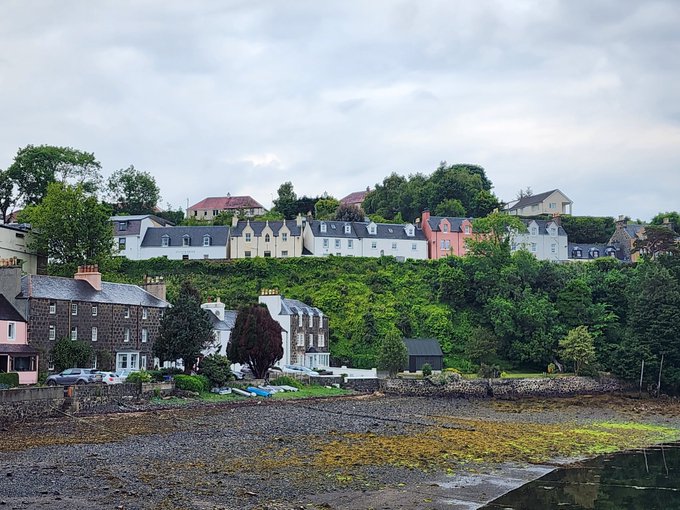
Harbor at Portree, Isle of Skye

Harbor at Portree

I liked the Isle of Skye but it’s fairly touristy and crowded—lots of shops which were closed by the time we got back to our respective hotels. The second night I stayed in Portree, I went to a different chippy shop for dinner (because I hadn’t made reservations anywhere and so there was no going to any of the fancy restaurants), and they were on a 40 minute wait (which I waited). But the town itself is pretty, with its brightly painted buildings surrounding the harbor, and lots of birds and boats wherever you look. I had always wanted to go to the Hebrides, and feel like the Isle of Skye is a good introduction to them.

Other photos

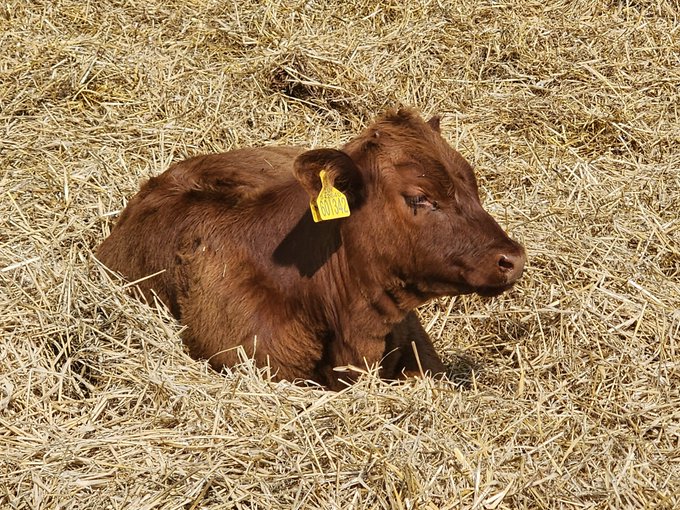
Baby Heilan coo

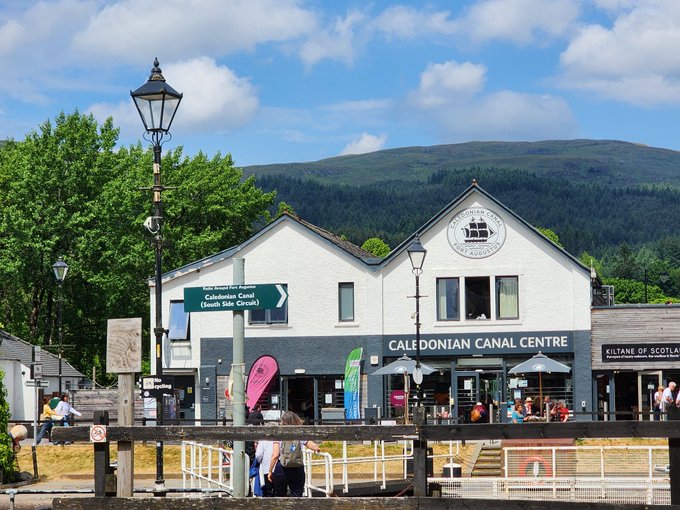
The canal that leads into Loch Ness

Heilin coo

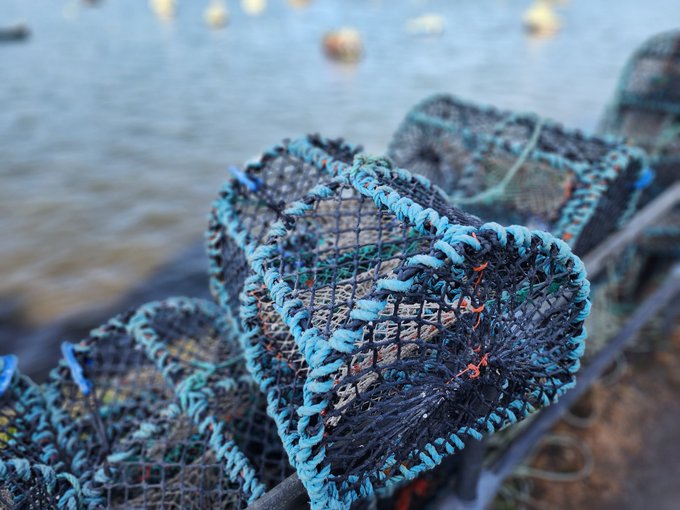
A lobster creel in Portree Harbor… I love the way the picture came out

A little bridge with Loch Ness in the background

Some friendly sheep

The Fairy Glen

Eilean Donan

Flowers at Dunvegan

Eilean Donan Castle

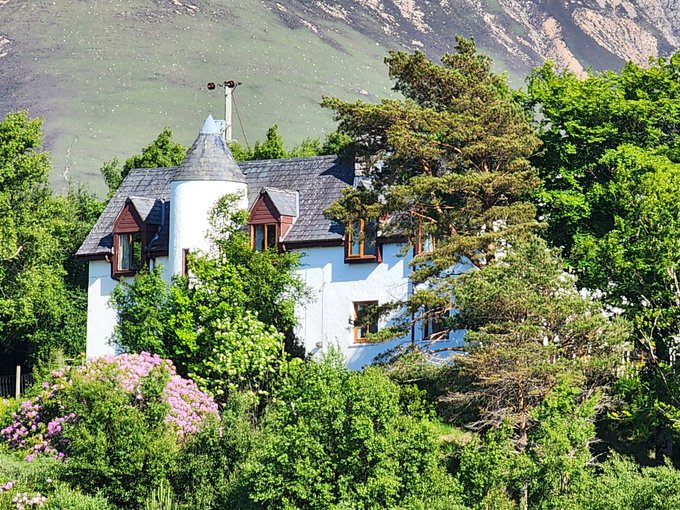
A house at Red Cuillin

Fairy Glen

Sheep at Fairy Glen

Weekend Sightseeing (Is Exhausting)

Portobello Beach

This weekend was a busy one for me—I packed a lot of living into two days.  On Saturday, I took a bus out to the seaside, specifically the Portobello Beach Promenade.  It was cold and blustery, but there were plenty of people (and dogs!) playing in the sand and several people had their feet in the water.  There was even a couple of lunatics up to their waists in the North Sea.  The temperature wasn’t quite 60, so I can only imagine how cold the water was.  They didn’t stay in the sea long.  (Not surprising).

The truest ambrosia

While I was there, I stopped at the Shrimpwreck for lunch, and tried a fish finger sandwich, made of battered fish, French fries (on the sandwich!), tartar sauce, and mushy peas (also on the sandwich!).  It was good.  And those of you who know me IRL will understand how thrilled I was to drink a Lemon Fanta, the drink I fell in love with when I went to Italy several years ago (and one that is not available Stateside).  It was a perfect lunch, accompanied by entertainment: the Portobello volunteer clean-up crew dancing to the B-52’s “Rock Lobster.”  One of them wore a crawfish “fancy dress” costume, with a placard that read “No Fear! Be queer!” on the back.  Another one of them wore striped pants, and had a red-painted face and dreadlocks.  Not exactly the colorful characters of a Venice Beach scene, but they definitely had a boardwalk vibe going on.

Altar at St. Mary’s Cathedral

Afterwards, I came back to the apartment for a few hours and rested.  (I don’t know about you, but every time I go to the beach—in any capacity—I get tired.  I wonder if it has something to do with the sea air.)  Then I took another bus ride to the vigil Mass at St. Mary’s Cathedral (since I knew I would be out all day Sunday, and I didn’t want to miss church). It is lovely inside, but not what I think of when I think of a cathedral—it was certainly more elaborately decorated than St. Columba’s from last week, but it isn’t stately in the way cathedrals usually are.  It’s like, if a typical cathedral is a thoroughbred, then St. Mary’s is a workhorse.  It gets the job done, but isn’t magnificent to look at.  It’s just a nice, big church.

The Kelpies, by artist Andy Scott

Sunday I walked down to Waterloo Place (just over the bridge from the Royal Mile) to take a sightseeing tour outside of the city.  The first—and best—thing we saw was The Kelpies monument, outside of Falkirk.  You can’t imagine the scale of these horse heads—they are massive, about 100 feet high, and made from steel.  I would have liked to have longer than 25 minutes to visit them, though, because that was hardly enough time to go to the bathroom, see The Kelpies and then duck into the gift shop.  I loved them at first sight.  Of course, folktale kelpies are horrible creatures who lure unsuspecting people to get on their backs and ride them into the ocean where the horses drown them and feast on their bones.  But these kelpies were certainly wonderful to look at.
Loch Lomond marina

The next thing we did was visit Loch Lomond, of the eponymous famous folksong, and the surrounding farmland was green and lush and dotted with white sheep like confetti.  I could have wished that the tour drove around the perimeter of Loch Lomond, but we were confined to a little bit of shore where the boats were tied up.  There was a path around the marina, which I walked some. Mostly I watched the ducks who were sunning themselves on the banks.  The loch was as picturesque as you can imagine—the beginnings of the Highlands in the background, the sun glinting off the water in golden waves, the boats floating gently around their anchors.  And the air was so fresh!

A mama sheep. Very ewe-nique.

Our next stop was for lunch in a little hamlet called Aberfoyle. At the café I ordered a cheese toastie (kind of like a grilled cheese but not exactly) and a bowl of carrot and lentil soup, heavy on the carrots. I chose to sit outside and people watch, although the people weren’t all that interesting. Their dogs were, though.

There was a sweet shop next door, and I bought a package of homemade butter shortbread that literally, deliciously disintegrated on your tongue.  And then I headed over to the big wool shop, and figured there would be too many things I’d want to buy inside (like yarn, which I have no room in my suitcase to take home), so I skipped it, and went around back where they kept some sheep. Their pens stank (as you might expect), but the sheep themselves looked so cute.  They got into a bleating contest—it reminded me of a sheep opera (because you know, that’s a thing) (it’s not really) (but it should be), as they each tried to outdo the other in their “singing.”  I really wanted to put my hand out to pet them—which we were allowed to do—but the caveat that “These animals bite” kept my hands firmly on my side of the fence.

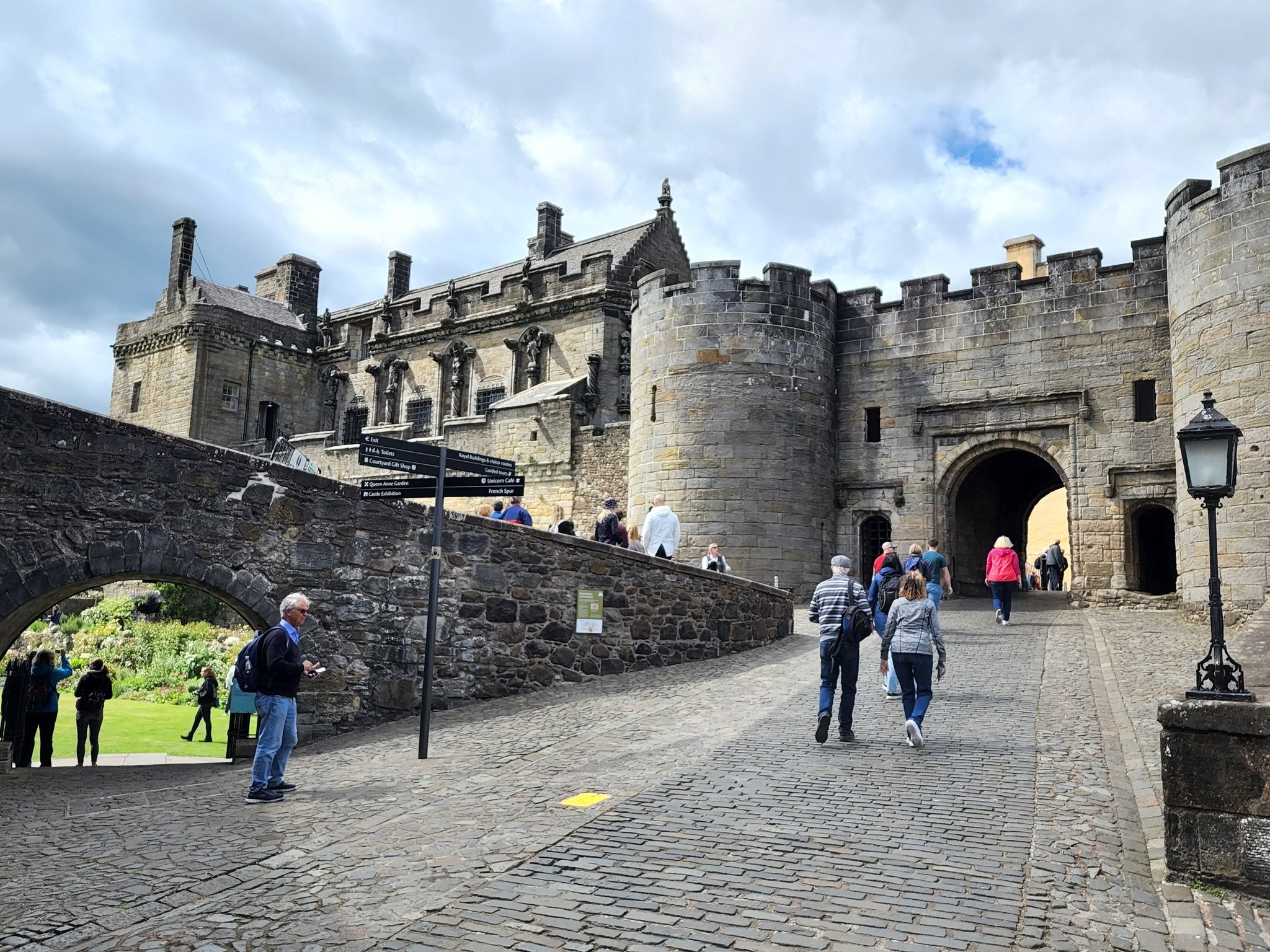
Stirling Castle

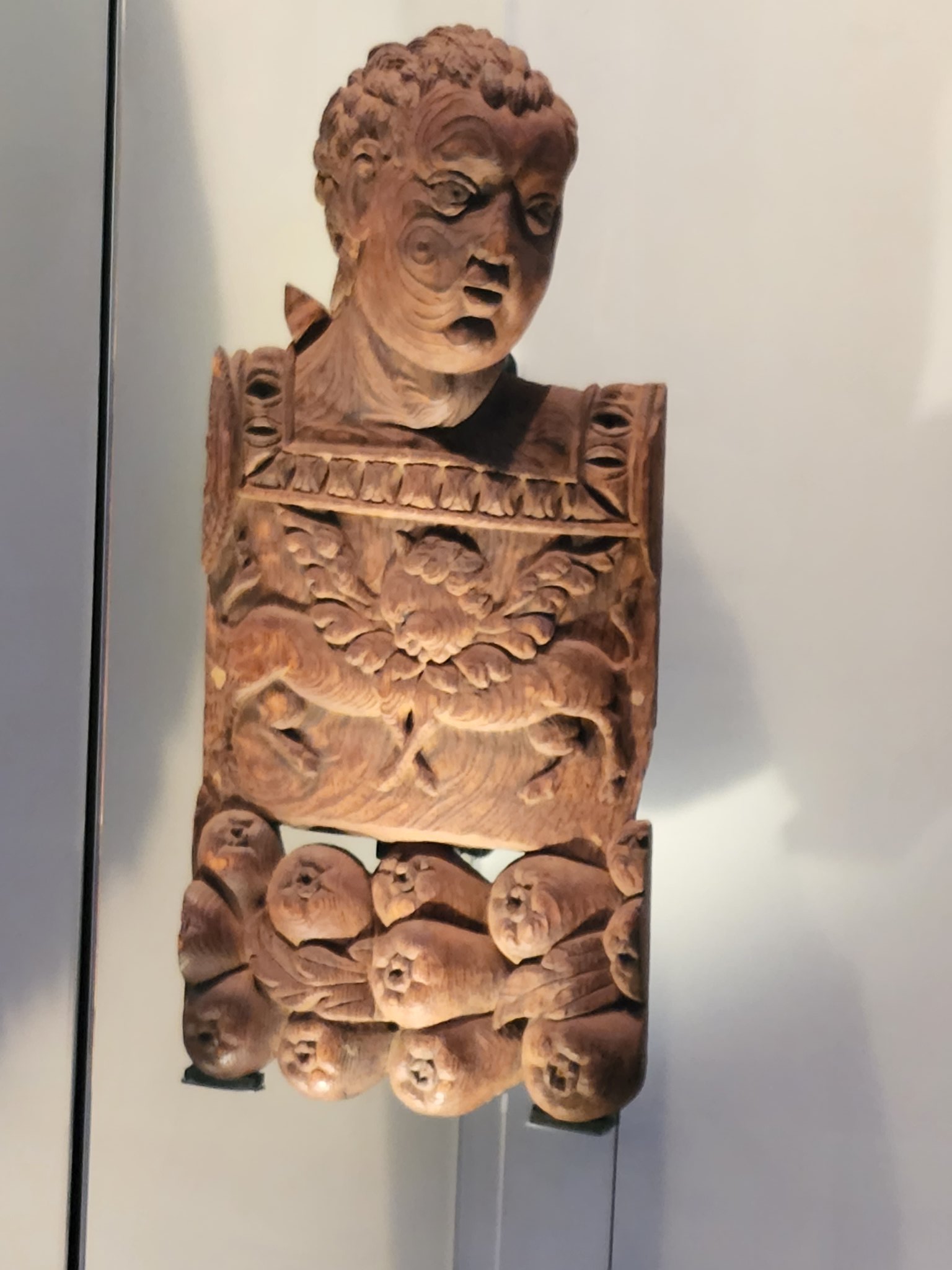
The awful Stirling Heads

Stirling Head art close up (yuck)

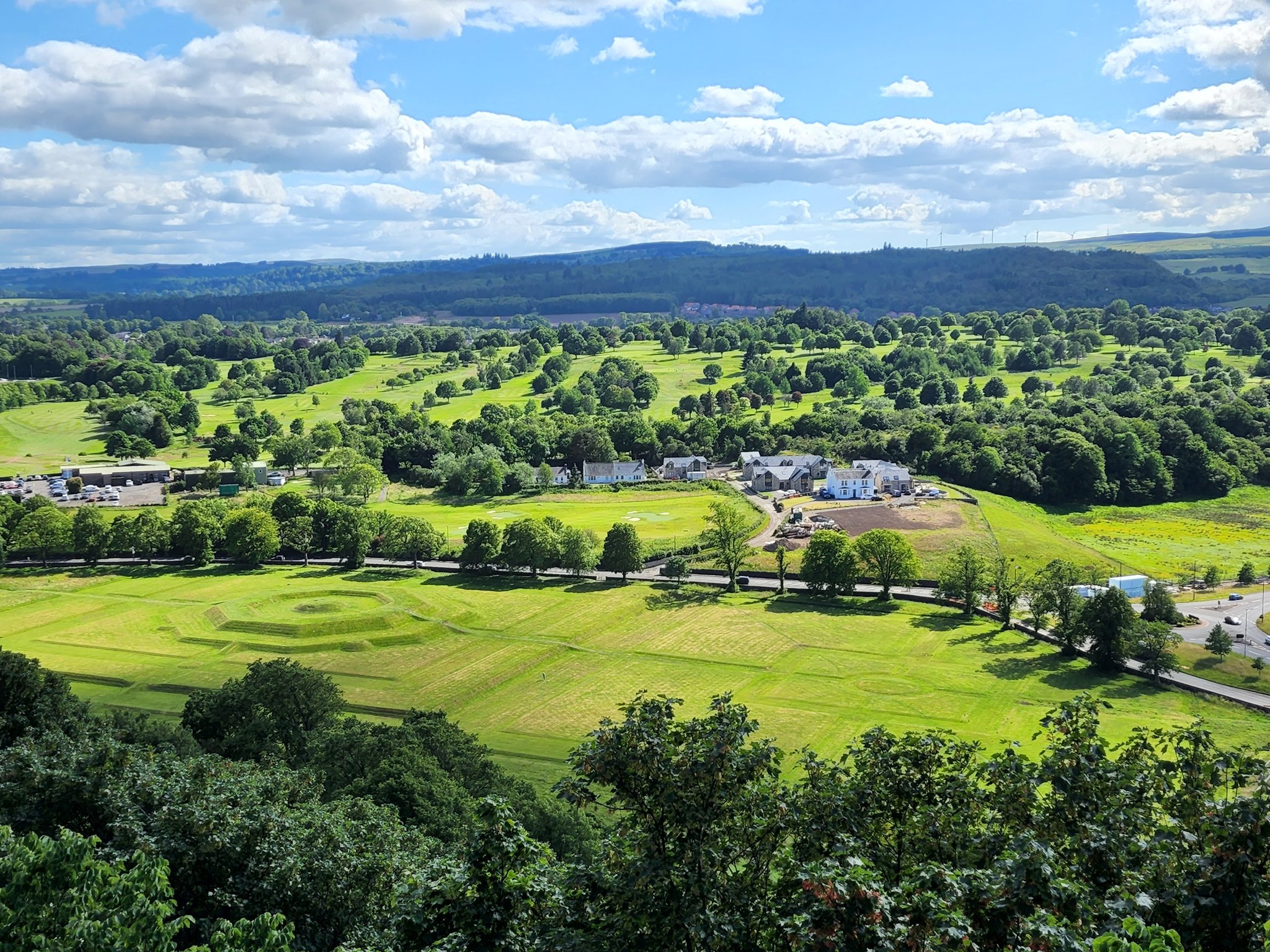
After lunch we headed to Stirling to visit Stirling Castle, the birthplace and home of King James VI.  I didn’t actually get to see the palace itself—I couldn’t figure out where it was—but I walked around the castle battlements, the dungeon, the chapel, the Great Hall, and the hall of the Stirling Heads, which are these large, wooden, medallion bust images of various people James wanted to commemorate.  And they were just horrible, creepy, weird pieces of décor, probably about 2-2.5 feet in diameter, and several inches thick. I know they served a purpose, but I really couldn’t get over how ugly they were.  I am probably revealing myself to be a philistine, but they were nothing like I was expecting. (They had really been talked up by a tour guide.) In my head I was imagining something magnificent; the reality was quite something else. But the castle itself was impressive with amazing views of the countryside from its sheer drops.  What was coolest about the castle was that Mary Queen of Scots was crowned there.  And, I think no matter who you are, Mary’s tragic life resonates.  At least, I always found her life story to be compelling, if sad. (I might actually have read her biography at some point, because I seem to remember a whole lot about her.)  Still, I didn’t need two hours at the castle, and wandered back to the garden to wait until it was time to get back on the bus and return to Edinburgh.

Castle gardens

I finally got home around 7 and I was exhausted.  The tour was longer than I was expecting.  I thought we’d be back by 5, but it was closer to 6:30; I should have taken a little nap on the bus (I usually take naps on Sunday), but I didn’t want to miss seeing any of the countryside. Just in case there was something amazing.  (I did get to see a glimpse of The Kelpies on the way back, so I count that as a win.)

I enjoyed the tour over all, but I was the only single traveler.  Everyone else had family or friends to visit things with, so I was kind of lonely.

Actually, if I were to complain about visiting Edinburgh at all, it would be because of how lonely I am.  Maybe I should pretend I am Mary Queen of Scotts in her prison cell; perhaps that would make the loneliness a little more bearable.  But even Mary had her little terrier dog for company.  I have no one.  (Weep, weep, sob, sob.)

Anyway, I hope you enjoyed all the pictures.

A view from Stirling Castle

Another view from the Castle