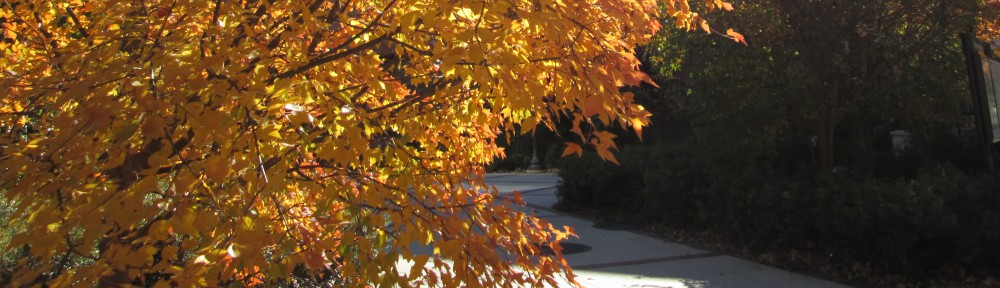
Back in Scotland for another summer of teaching, I find I’ve settled in easily enough—I have a good sense of direction and I’m still on bus route 14 (though I’m further away from campus than I was last year), and every day I look out on the beauty that is Arthur’s Seat, a rock formation from an expired volcano. I can’t complain too much, although my apartment is a bit of a disappointment, but I’m making do.

The Kelpies
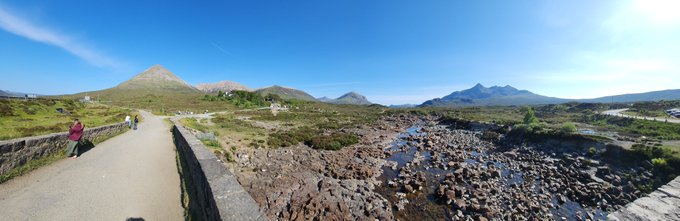
A few weekends ago, I went on a tour of the Isle of Skye, which is the largest of the inner Hebrides islands. What I didn’t know—and maybe, if I had bothered to look at a map I would have—is that Skye is basically part of the Highlands, but if possible, even more empty and scenic. It took us all day to get there, and we made stops at Falkirk to see The Kelpies (I still love them!), then moved on to Loch Lubnaig, Glencoe, The Three Sisters (places I’d seen last year), a little chocolate shop in Glenshiel (I didn’t find anything I wanted to buy—mainly because I was too cheap), and a little bridge near the Red Cuillin and Black Cuillin (Munro mountains on the Isle of Skye).

The Three Sisters

Loch Lubnaig
The Cuillins
Seeing the Highlands in the bright sunshine—as opposed to the mystique of clouds and mist—offers a surprisingly different insight into the view—you see all of the mountains, even to the very tops, and the sunlight brings out the details and relief of the mountain faces. It’s a curious experience—because for instance, last year when I saw the Three Sisters, I saw them wreathed in mist and there was something gently oppressive about them. In the sunlight they glow—the green so rich and thick upon them contrasting to the true azure of the sky. It’s breathtaking. It was warm, though the wind does blow fiercely through the glen.
Getting to the Isle of Skye (“Skye” means mist), you pass a few castles, including Eilean Donan (“the most beautiful castle in Scotland,” according to their guidebook), and go over a huge white bridge that was designed for the Royal Yacht Britannia to sail underneath. Apparently, it only went underneath once, in 1995, and has since been retired as a tourist attraction in northeast Edinburgh. And once you’re actually on the island itself, you find the roads tend to be two-way, single lane roads, which is a bit hairy when your tour bus keeps pulling off at the “passing places” to let other cars go by, and there are huge drop-offs on either side of the roadways. Our first stop on the island was to this bridge where we could stretch our legs and look at the Cuillins.

Black Cuillin
Red Cuillin
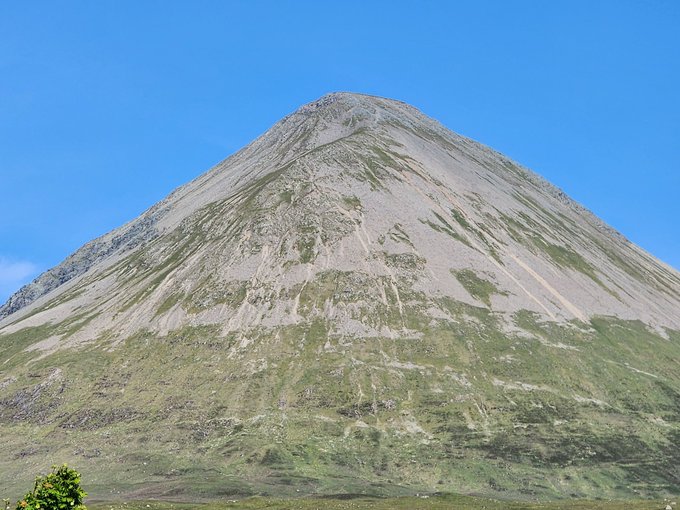
These mountains are Red or Black, depending on the kind of ash and lava the volcanos spewed millions of years ago. I liked the Red Cuillin because it looks really red (well, kind of rust red), but the Black Cuillin is dark and pointy and seems mysterious. Both of these mountains are Munros, which means they’re Scottish mountains greater than 3,000 feet high. (There are 282 such Munros in Scotland, and they get their name from the famous Scottish mountaineer, Sir Hugh Munro, who catalogued and climbed them. People who climb these Munros and “collect” them are called Munro-baggers.) These Cuillins probably have an official name (Ben Something or Other), but I don’t know it, and a sign just referred to the Red Cuillin as Red Cuillin, and the Black Cuillin as The Cuillin.
We finally stopped for the night and I stayed at the Pier Hotel (a B&B) in the harbor, then got Fish and Chips at a chippy close-by. I didn’t want to stink up my room with my dinner, so I sat out on a stone overlooking the harbor, feeding the gulls and a very annoying crow some chips, which they snagged in their beaks and flew off as if I were going to try to take them back. I could have walked around the town of Portree but really I just wanted to get in bed and read. So that’s what I did.
Dunvegan Castle
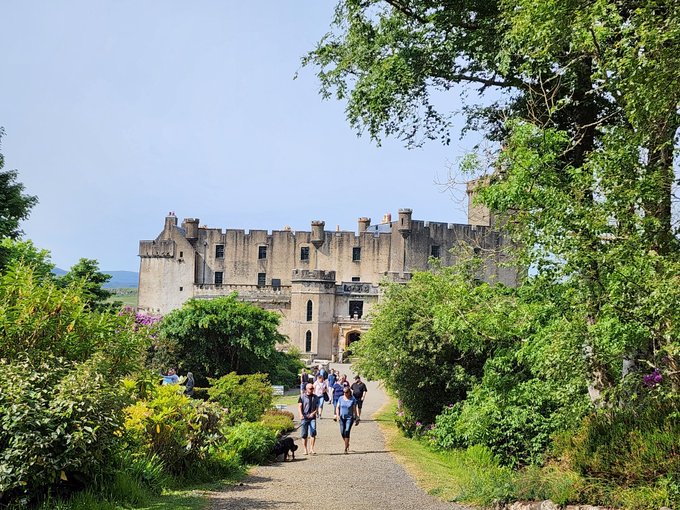
The next day we did a lot of driving around Skye on these tiny roads that jot across the glens and Highlands. Some of us, including me, went to Dunvegan castle and gardens, whiles others went on a “difficult” hike. Dunvegan is the clan seat of Clan MacLeod. It dates from the 13th century but has been renovated and updated in the intervening years. What we could walk through was limited—a bedroom, a parlor, a dining room, a library—but we weren’t allowed to take pictures of the inside. There were lovely paintings on the wall of the various MacLeod families, as well as a painting of Samuel Johnson, the poet and playwright, who visited the castle at some point in his life. The halls were crowded so I didn’t get as close to some things as I would have liked (for instance, the dinner ware and silver service), but what I saw of it was beautiful and tasteful. Belowstairs, there were servants areas, like a sewing room, and a room where a video was running, telling about the history of the place, especially the Fairy Flag, which is this scrap of fabric said to be imbued with fairy magic.
The Fairy Flag, a prized possession of Clan MacLeod, with its lore centering on its being a gift to an infant clan chief, performed two miracles: it saved the clan from starvation, making all the sick and thin cattle healthy and fat, and it helped during a military battle. Apparently, the Fairy Flag has another miracle to perform, but Clan MacLeod has not needed to use it. So instead it hangs proudly in place in the castle, though it’s not much to look at—a tattered thing of yellowed silk—that nevertheless is historic and interesting to see.
I wandered the gardens only a little—it was hot out and the midgies (irritating bugs, something like mosquitoes) were hungry. But there were rhododendrons and irises aplenty and shaded walks throughout. Mostly I wanted to look at the seals, but the seal boat wasn’t running.
Later, we took a ride down to the Fairy Glen, but I couldn’t seem to take very good pictures there, almost as if the glen did not want to be photographed. The Fair Folk must have been protecting their lair. I did get some close encounters with sheep, and the land itself gently rolled, the bushes and trees curling in on themselves, but the little mounds where the fairies lived only came out blurry, so I tossed those pictures. It was a nice walk through the glen, and I found a big rock to sit on for a bit.
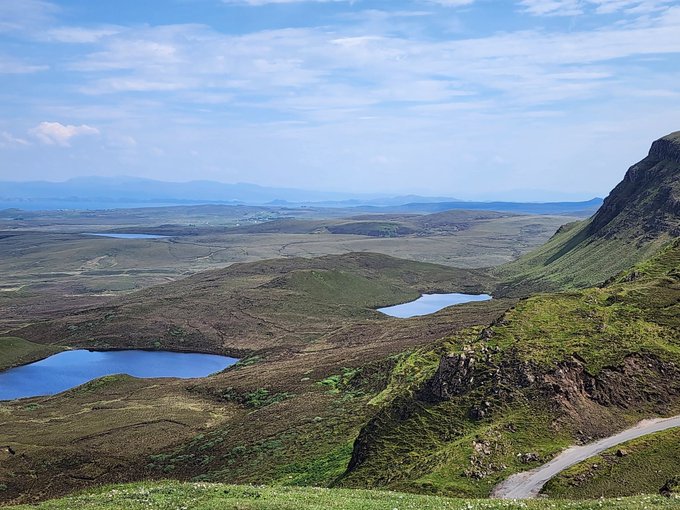
View from Cuith-Raing
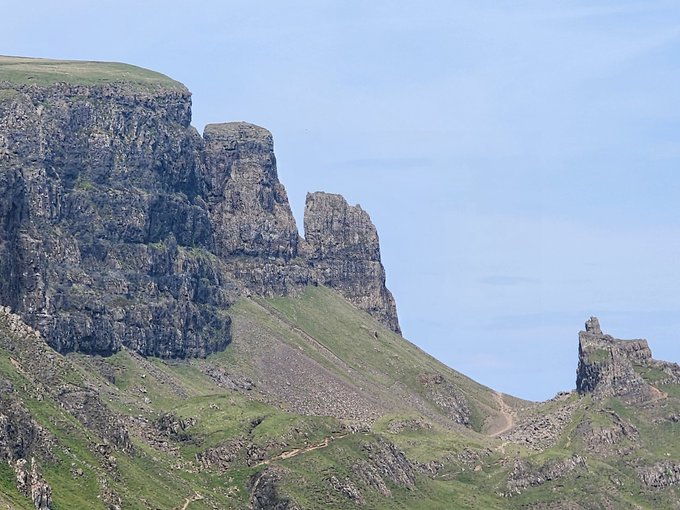
View from Cuith Raing
Then it was on to Cuith-Raing, up in the mountains, where you could look down on a town on the Isle of Skye from a great distance and the landscape is rocky and green, with fantastic views wherever you looked. Of course, it was really high up, so I stayed well-away from the edges. And I called Mom because I was getting good reception. I just wished she had WhatsApp so I could have shown her the view. Afterward, we stopped at a beach at An Corran, famous for its 19 dinosaur fossils, and then we drove along to see the Old Man of Storr, a rock formation that can be seen for miles, on the Trotternish peninsula. There is a walk to go up to it, but apparently it’s two hours long, and it was not on our itinerary.

Eilean Donan Castle
The last day was mostly dedicated tothe drive back to Edinburgh, but we did stop at Eilean Donan Castle, and you could cross to the island for £3, or you could go in for another £10 or so, so I just walked the grounds. It was rainy and cold and gray—perfect weather in my opinion for poking around castle grounds and for imagining what it was like in its heyday. I suppose, that’s the kind of thing I—and everyone else—do whenever visiting Scottish castles—try to imagine what these behemoths were like when they first became inhabited. And to wonder at the people who still own them and live there still. After a break for lunch in Loch Ness, and a stop to see some heilan coos at Taste of Perthshire, we made our way home.
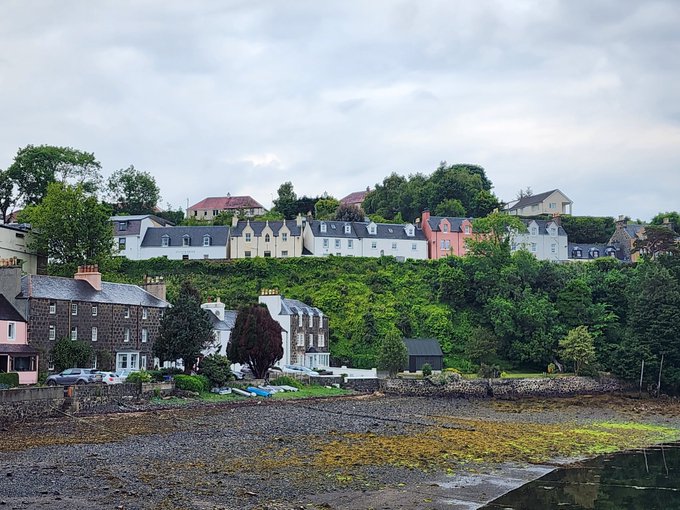
Harbor at Portree, Isle of Skye

Harbor at Portree
I liked the Isle of Skye but it’s fairly touristy and crowded—lots of shops which were closed by the time we got back to our respective hotels. The second night I stayed in Portree, I went to a different chippy shop for dinner (because I hadn’t made reservations anywhere and so there was no going to any of the fancy restaurants), and they were on a 40 minute wait (which I waited). But the town itself is pretty, with its brightly painted buildings surrounding the harbor, and lots of birds and boats wherever you look. I had always wanted to go to the Hebrides, and feel like the Isle of Skye is a good introduction to them.
Other photos
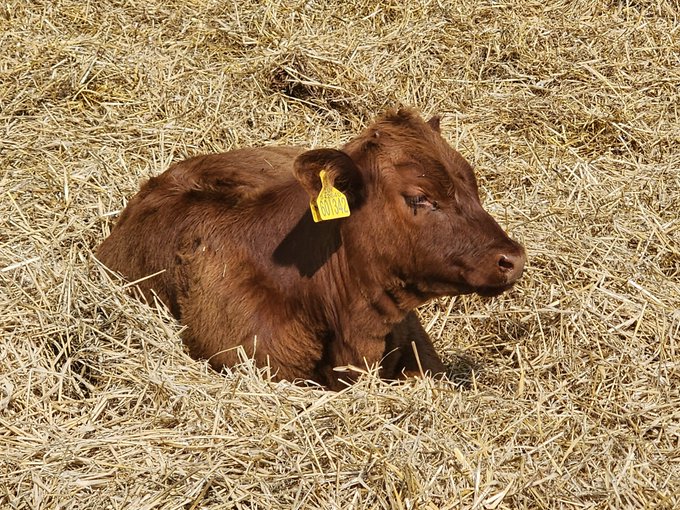
Baby Heilan coo
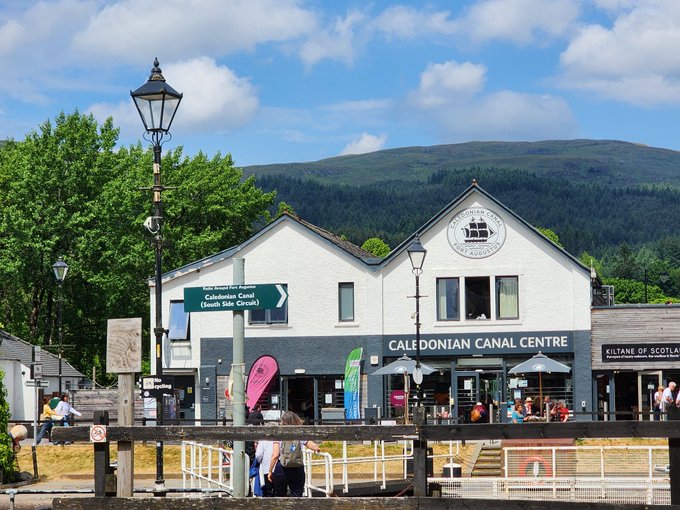
The canal that leads into Loch Ness
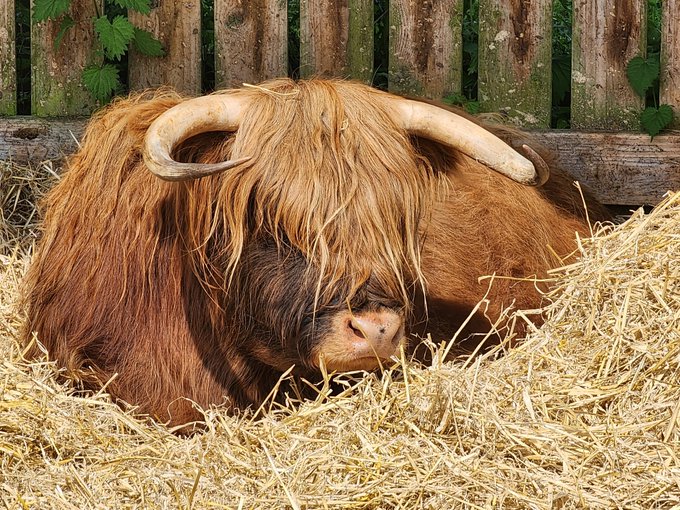
Heilin coo

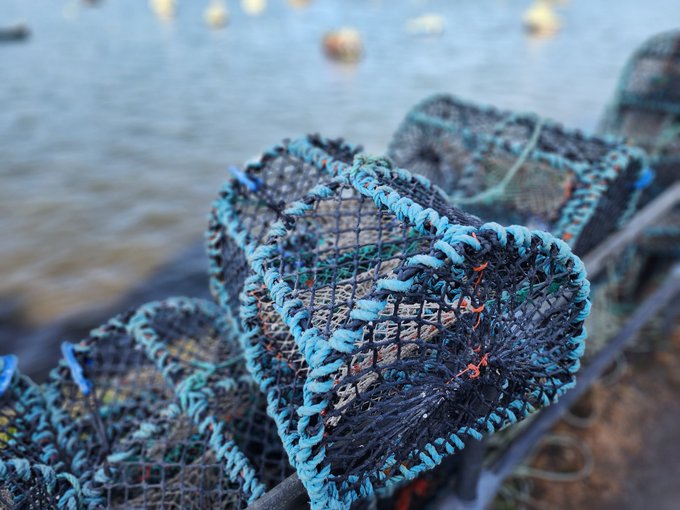
A lobster creel in Portree Harbor… I love the way the picture came out

A little bridge with Loch Ness in the background
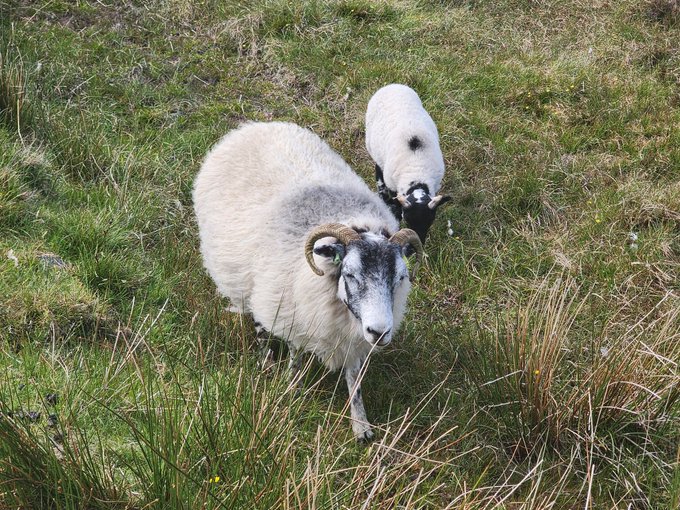
Some friendly sheep
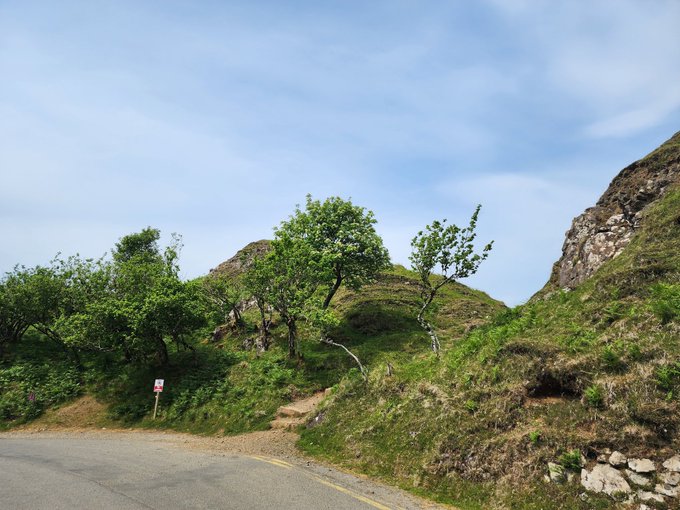
The Fairy Glen
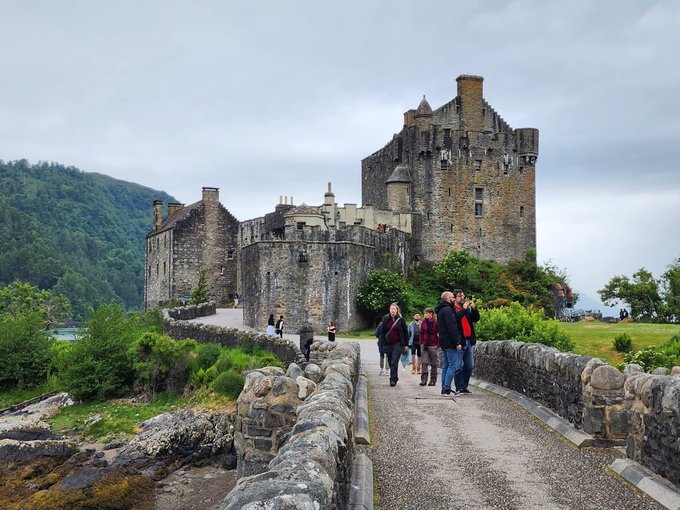
Eilean Donan

Flowers at Dunvegan

Eilean Donan Castle
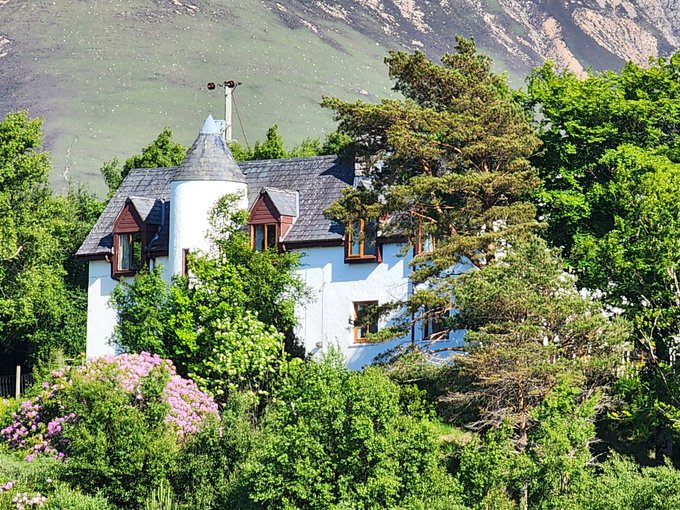
A house at Red Cuillin

Fairy Glen
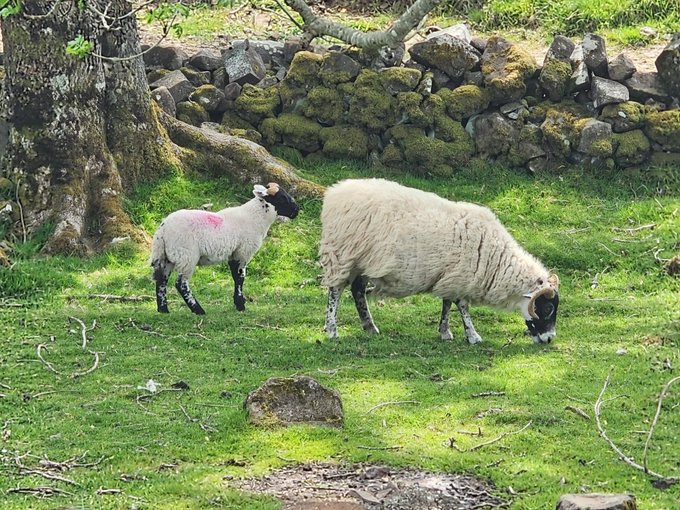
Sheep at Fairy Glen
 JC Reilly: Poeta Venum