Dispatch from Edinburgh #4–Islay and the Whisky Coast

Three years ago, I went on a Speyside whisky tour—it was the first time I had ever tasted whisky, and I was a total n00b about it.  But after the tour, I realized that I liked whisky and could see drinking it on occasion—especially on a cold, dreary night that would remind me of Scotland.  I realized too that I didn’t like peated whisky, because the smoky flavor reminded me too much of lapsang souchon tea which to my mind, is an abomination in the tea world.  So I knew going on a tour to Islay (pronounced EYE-lah) and the whisky coast would be problematic—because all of the distilleries over there produce peated whiskies.  I was prepared not to like anything. But that’s not what happened, fortunately.

We started our tour by driving west and a bit north, through the Trossachs and past Loch Lomond.  We stopped in Callender, which is little more than a high street but is known to be the “Gateway to the Highlands” since it is just south of the dividing line between the Lowlands and the Highlands. I bought an airy loaf of cheddar jalapeño bread at Mohr, a local bakery, for a snack, but then we were off again.  The West Highlands are are not nearly as dramatic as the eastern Highlands, but they are still quite beautiful, and while I had traveled the roads through them before, I was still glad to be able to see them again.

View from Oban harbor

Norries fish and chips…mmm

We stopped for lunch in Oban (“Gateway to the Isles”), which is a little sea resort town I’ve been to before, back when I went to the Isle of Mull (I think).  Anyway, I went to Nories for fish and chips and then walked along the streets to visit the Oban Chocolate Company, which I remembered from the last time I was in Oban—it was packed with people getting coffees and hot chocolates and candy bars.  I picked out a few truffles including a dark passionfruit crème, a chili “chuffle,” a ginger ganache cup, a whisky truffle, and a toffee orange truffle, which I saved for later. Then I walked to the harbor and took some pictures. There were people playing with their dogs on the beach, but it was rather cold to my mind and I wondered what is it about dogs that they love to go into water—especially freezing water!

Kilmartin grave stone

The bus picked us back up and then we continued on to Kilmartin Glen to look at some standing stones and to take a rather long walk to see some cairns.  Somehow I don’t have any pictures of this; I’m not sure why—it’s not like me.  Maybe something happened with the camera.  But they were fine, as far as standing stones go—they were sort of in the middle of a field so I had to be careful of sheep pellets.  But I enjoyed the walk, even though my foot was hurting.  Still I was glad to get back on the bus.  Later we stopped at a little church in Kilmartin with gravestones from the 1300s-1500s, whose carvings were faint now, but still cool.  And then we headed down to Kennacraig so we could board the ferry.  It was a long ferry ride (and damp, so damp)—maybe two hours—but as always I remained outside to take in the air, hoping to see some whales or dolphins.  (I saw neither.)

When we arrived in Bowmore, I was ready to get to our residence—it turned out to be a kind of cottage attached to the Bowmore distillery (est. 1779) called the Old Bakery.  Everyone else (I didn’t get their names)—the Norwegians, the Brazillian, the the New Yorkers, the very friendly Japanese couple, and the father and son from Maine—gathered in the dining room to chat after dinner, but I was ready to get into bed, even though it was pretty early.  Still, I went over to the Co-Op to get some cheese and crackers for dinner (since I hadn’t made any dinner reservations), and a two-liter of Coke Zero to make sure I got my caffeine over the next few days. Then I settled in for the night, enjoying my black-out curtains (which I don’t have at my place in Edinburgh), and I slept well, even though I was in a tiny twin bed.
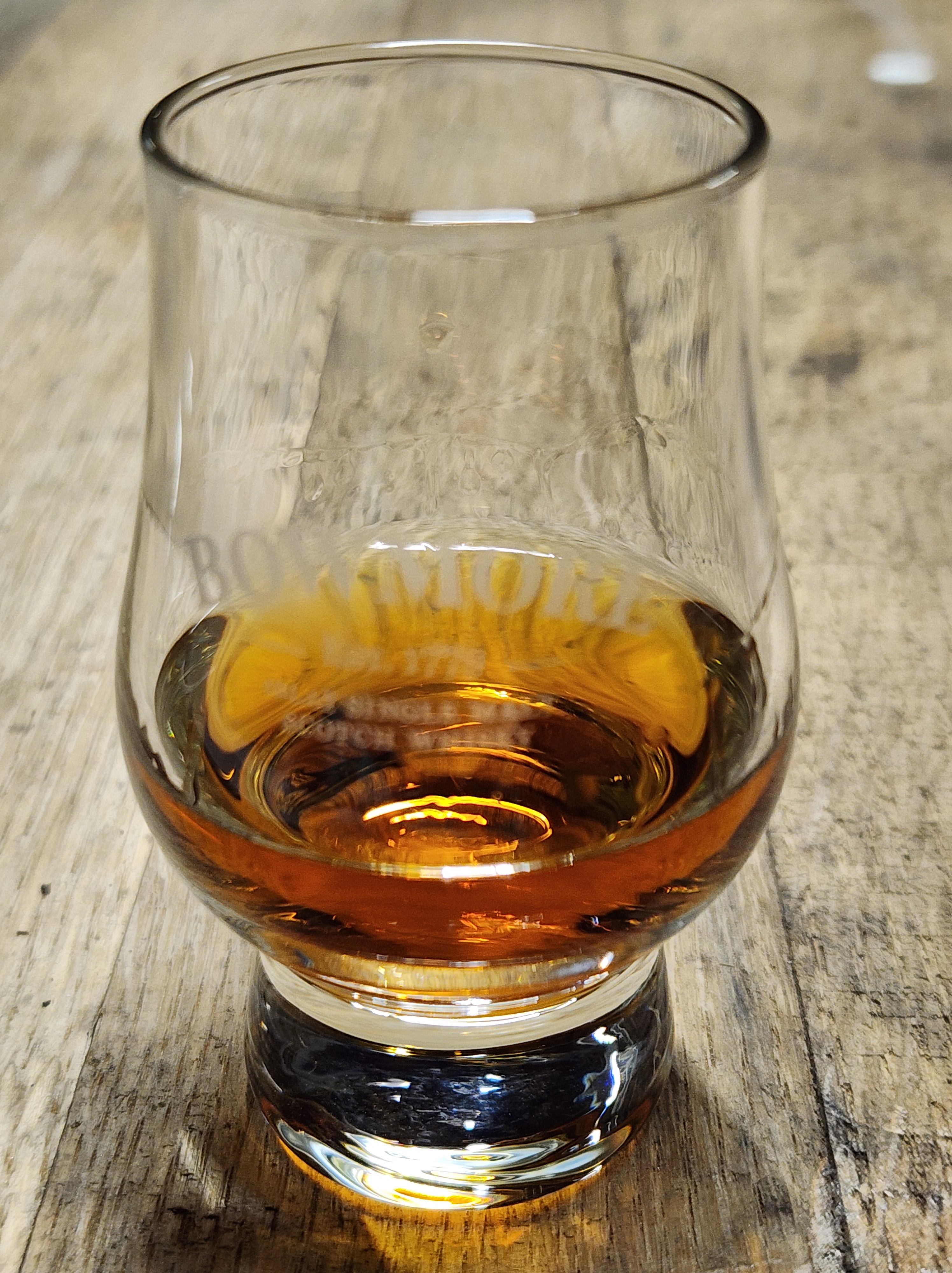
A Bowmore dram, bourbon cask

After breakfast the next day, we all walked over to the Bowmore distillery for our tour. I knew what to expect, because I’d been to distilleries before obviously, but it was interesting because we actually got to see the barley on the malting floor (where the barley begins to germinate).  That was new to me. The tour guide encouraged us to touch it, and he didn’t seem to mind walking on the barley (which I did not do—because, hello, shoes aren’t clean!).  He took us to see the wash backs, the mash tun, and the stills, and then to a room where the casks were stored where we enjoyed a taste of whiskies.  We tried the 2012 Bourbon Cask whisky first, with a 53.5% alcohol content, and it was dark amber and pretty peaty.  Next we tried the 2010 Oloroso Sherry Cask, with a 54.6% alcohol content.  Then we went into the bar where they gave us another whisky (although I didn’t see the bottle), as well as pairing chocolate, and a tiny dram of Bowmore 18 year to take with us.

Kilchoman spirit
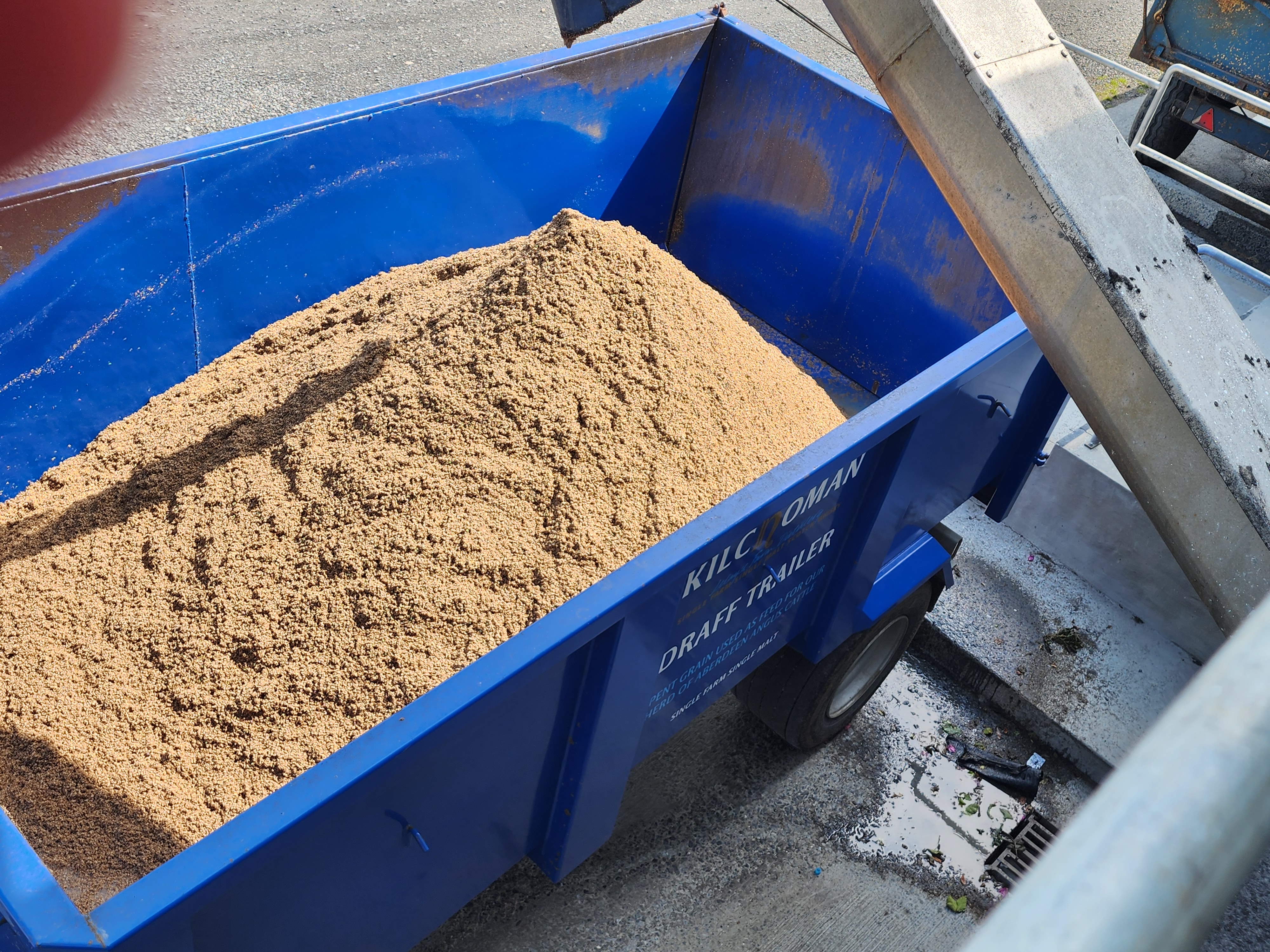
Draff cart

Our next distillery was Kilchoman, which has only been in operation for 20 years because the proprietor just apparently decided he was going to start a distillery.  We got to see the same kind of operation, but it was cool that the proprietor himself gave us the tour, and we had whisky tastings at various stops throughout.  We even had a nosing glass on a lanyard to drink from, which was very convenient.  One of the things we got to try was “spirit”—that is, un-aged liquor right from the still. And it was delicious—super sweet, basically it was alcoholic sugar water (63.5%). It’s the aging that makes it whisky.  But it was definitely interesting to drink.  And one of the things we learned there is that nothing goes to waste.  After the barley is used for the whisky, it’s still usable; it still has proteins and nutrition, so there’s a conveyor belt which moves the barley into a large cart, and then the barley, called “draff,” is sold as animal feed.  I don’t believe they charge a lot for the draff—in a way, it’s a chance for the distillery to give back to the farmers who live on Islay and who help raise the barley.
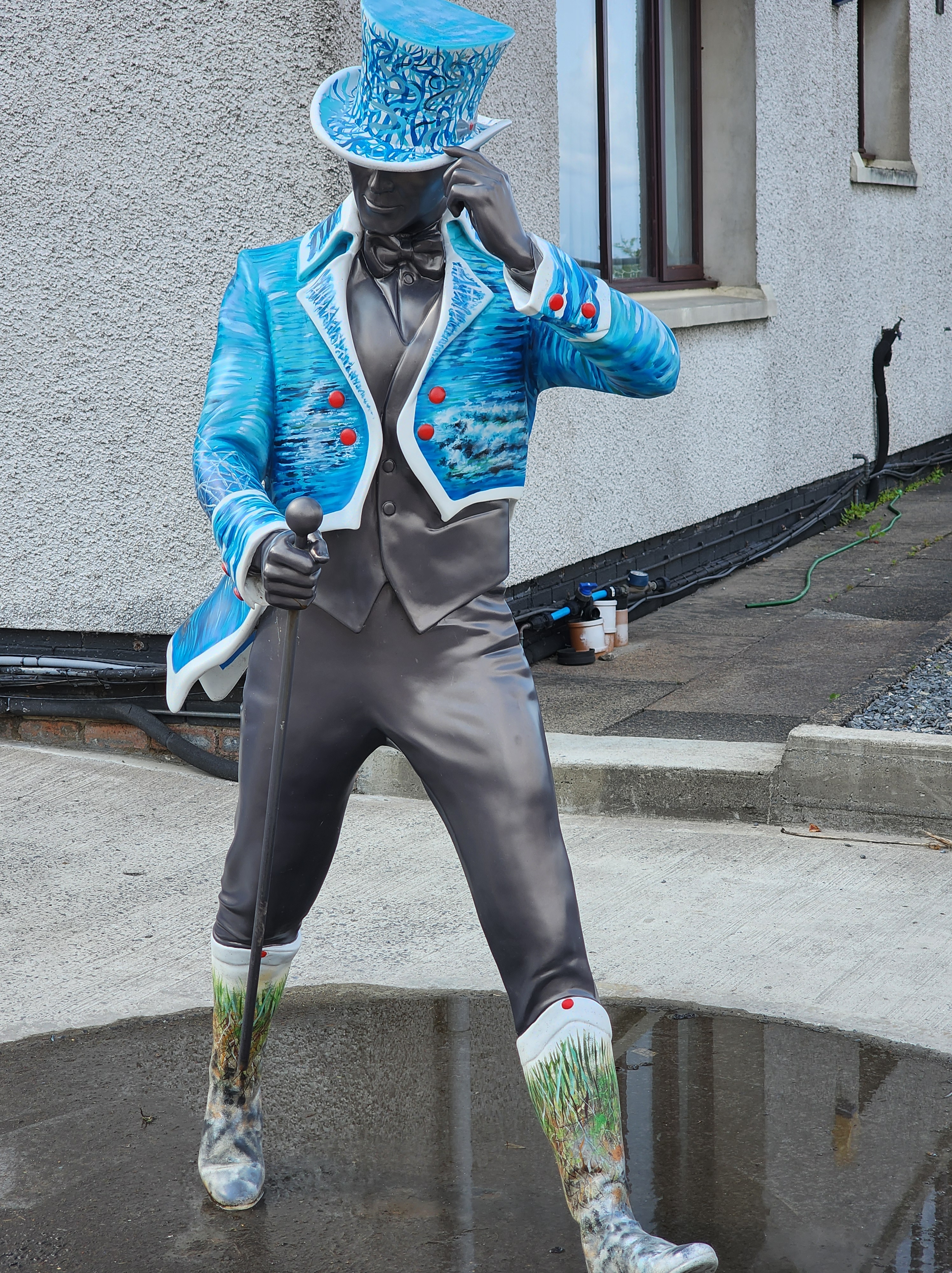
The Johnny Walker dude

After Kilchoman, we went to Caol Ila (pronounced Cull-EE-lah), on the east coast of Islay, owned by Johnny Walker (like Cardhu in Moray, Scotland, is a Johnny Walker distillery) which was just a whisky stop (I just got a Diet Coke because after five or six drams, I was pretty pickled already). The driver, Robbie, was very kind and because I was walking with my cane, he said he’d meet us down below in the disabled parking area to get us after our visit to the distillery.  Everyone except the Brazillian met up there.  Apparently, he hadn’t heard that we were going to meet there.  We saw him walking on the long path upward, so Robbie said we’ll just get him at the top of the path.  But in the interim, the Brazillian thought, I’ll go down and meet them.  So we were up at the top waiting for him, and he was down at the bottom waiting for us.  So we drove back down to the bottom but the Brazilian walked back up to the top.  It was some Keystone Cops hilarity happening. We must have done this dance a couple more times, and I said to the tour group, we’d lost him to the Angel’s Share, which made everyone laugh.  (The Angel’s Share is how much whisky evaporates each year that a whisky is in the cask.) Finally, Robbie walked down by himself and got the Brazilian.  It was pretty funny, this back-and-forthing—although I suppose it loses something in the translation.

Then we went to Bunnahabhain (pronounced Bunna-HAY-ven) for a whisky tasting—these were unpeated whiskies (2022 Abhain Araig, 2012 Olorosso Bott, and something that looks like Toiteach a Dila; it’s handwritten, not very clearly, although the 46.3% notation was clear), and they were very nice.  I took a taste, but I didn’t drink them up because I would have collapsed on the floor. I wanted to buy a bottle for C, but then I remembered two things:  1) he wanted a peated whisky and 2) how the hell would I get a bottle home?  Anyway, I didn’t buy one—and they were crazy expensive anyway—like £79 for a tiny bottle.

Seriously, they look like boobs. (Jura island)

Across from the distillery was the isolated island of Jura (only 300 inhabitants), which, in my mind looked like a couple of boobs (what can I say, maybe I’m a 12-year old boy) instead of mountains. It was a lovely day, especially compared to the day before which was so wet and dreich.  I found myself after the tasting just looking out on the water and the beach and enjoying the fresh sea air.

Kildalton High Cross

The next day, we hit up three more distilleries. But before we did that, we stopped at the Kildalton High Cross, which was carved in the 700’s, and according to the sign is “one of the finest and most complete early Christian crosses in Scotland.” It’s a tall Celtic cross, maybe twice as tall as a person, and it’s next to the roofless ruins of a church.  It’s beautiful, and the carvings are in great shape, not worn smooth at all.  There was a little donation box asking for money so I dropped in a pound, and a sign saying to leave the gate shut to keep out the sheep.  But obviously someone had left it open recently, due to all the fresh sheep pellets in the grass.

After that little diversion, we were off to Ardbeg distillery, on the south coast of Islay. Our tour guide was this snarky Gen-Z-er who was very knowledgeable about the whisky process, and her name was Jura, after the island. Taking guests on tours was her summer job, she told me, as she was attending a university on the mainland (I think).  The whisky was good, but I thought Kilchoman was better.  There was a walk to some old ruins, but my foot was killing me, so I just sat in the peaty grass for a while and took a little walk towards the cliffs.  Next door was Lagavulin distillery, and we stopped in for a bar visit.  I was parched, and got both a sparkling water and a pink fancy passionfruit whisky cocktail that was delicious but maybe not worth £8.  The Norwegian men got a flight to share—it was like a top tier flight because it wound up being over £120, and they didn’t blink an eye.  Granted they got some snacks too and cocktails for their wives, but still it was an impressive amount of money to drop for five drams of whisky.

Laphroaig sea sign–it’s big so ships delivering barley can see it in the mist.

The last stop was Laphroaig (pronounced La-FROYG); the New Yorkers were looking especially forward to going there, as it’s the husband’s favorite whisky brand.  Laphroaig began in 1815 when the sons of a farmer decided to make whisky on the Campbell estate.  What was interesting was that one of the brothers emigrated to Australia, and the other brother drowned in a vat of burnt ale. (I’m not sure how you burn ale, but that’s what the sign said.) His son inherited the distillery at age 11, but since he was underage, the manager of the Lagavulin distillery ran it.  But when the son had grown, he ran it until his death.  Thus was the early history of Laphroaig. But another cool fact about the whisky was that during American Prohibition, the Feds were persuaded that Laphroaig was medicinal, so people could totally buy it and drink it.

The Laphroaig flagship whisky–the one to try!

After our tour, the guide let us choose 3 among 7 different whiskies to try.  My choices included the 10 year Cask Strength, the 10 year Sherry Oak Finish, and the quintessential 10 year aged in ex-bourbon barrels, the Laphroaig flagship whisky. The regular 10 year was pretty good; I didn’t care for the Sherry finish, which is surprising, since I usually appreciate the sweetness of sherry cask whiskies.

Islay is lovely, like all of Scotland, but there’s not much here besides sheep and distilleries. I was glad I went, and glad I could try so many different drams, but I think I was a little disappointed overall.  I really had hoped that somehow, Stewart, the tour guide on the Speyside trail a couple of years ago, could have been our guide this time—that would have been magic.  He really enjoyed whisky, and I didn’t get the feeling that Robbie cared one way or the other.  I also felt like for Robbie, this was just a tour, whereas for Stewart, whisky was a passion, and making people love whisky was also a passion. But you can’t pick your tour guides, and it was nice to see a new part of Scotland. And it was nice to find out that peated whiskies are good too; I guess they are an acquired taste. Which I acquired.

The Kilmartin church

Kilmartin church
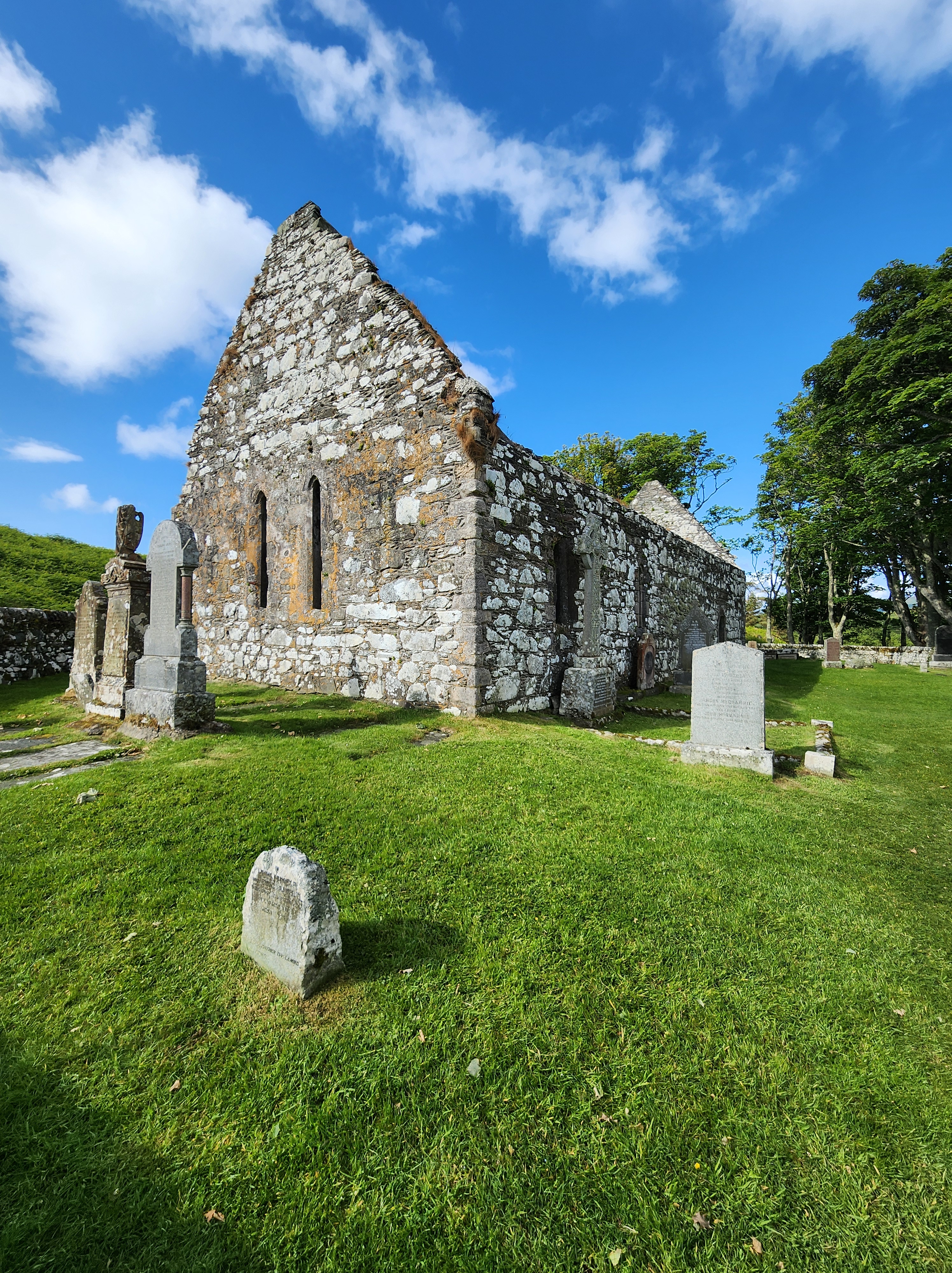
Kildalton church–I really like the composition here.
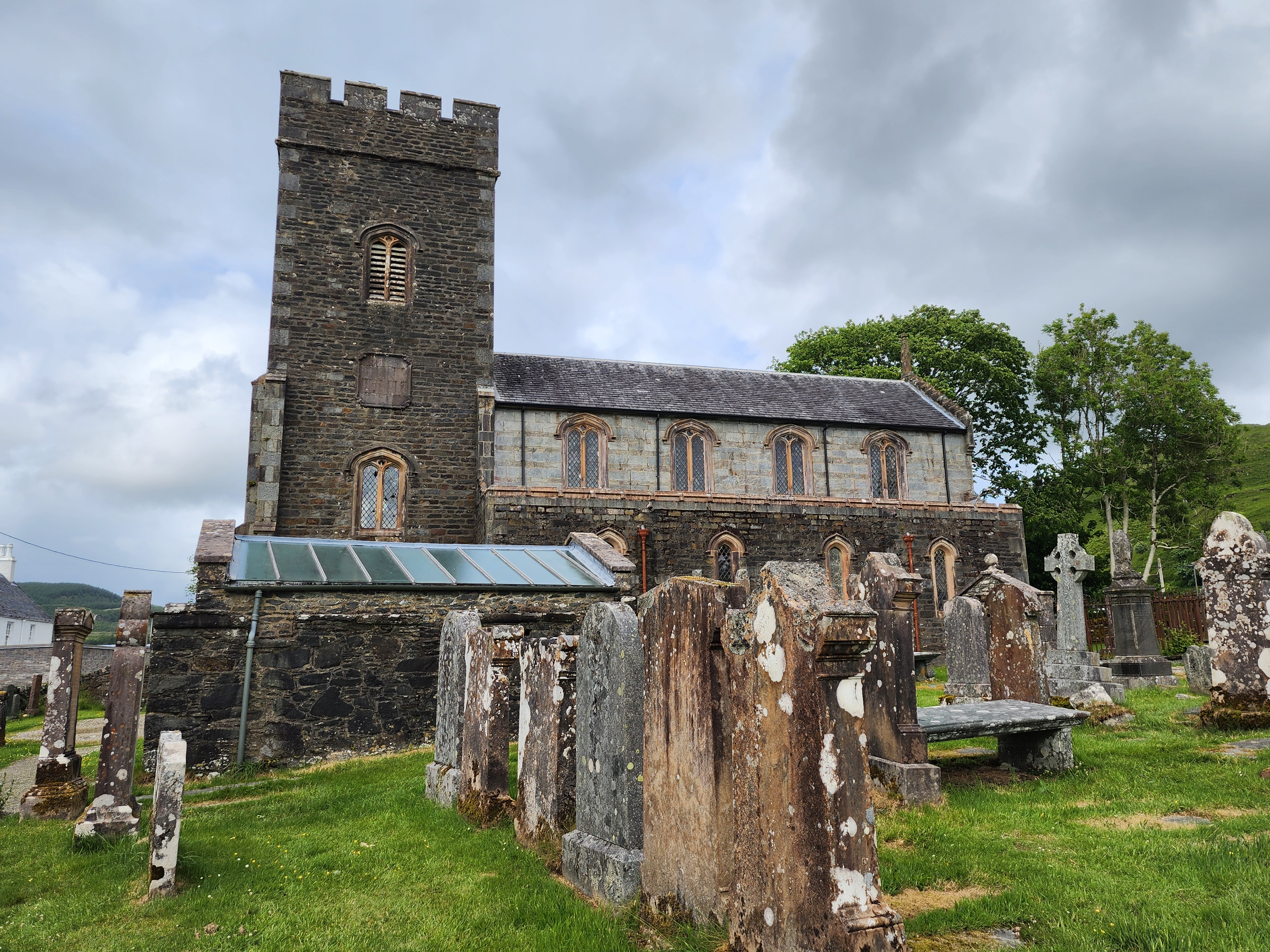
Kilmartin church

Kildalton church

Old gravestones at Kilmartin church

Lagavulin distillery
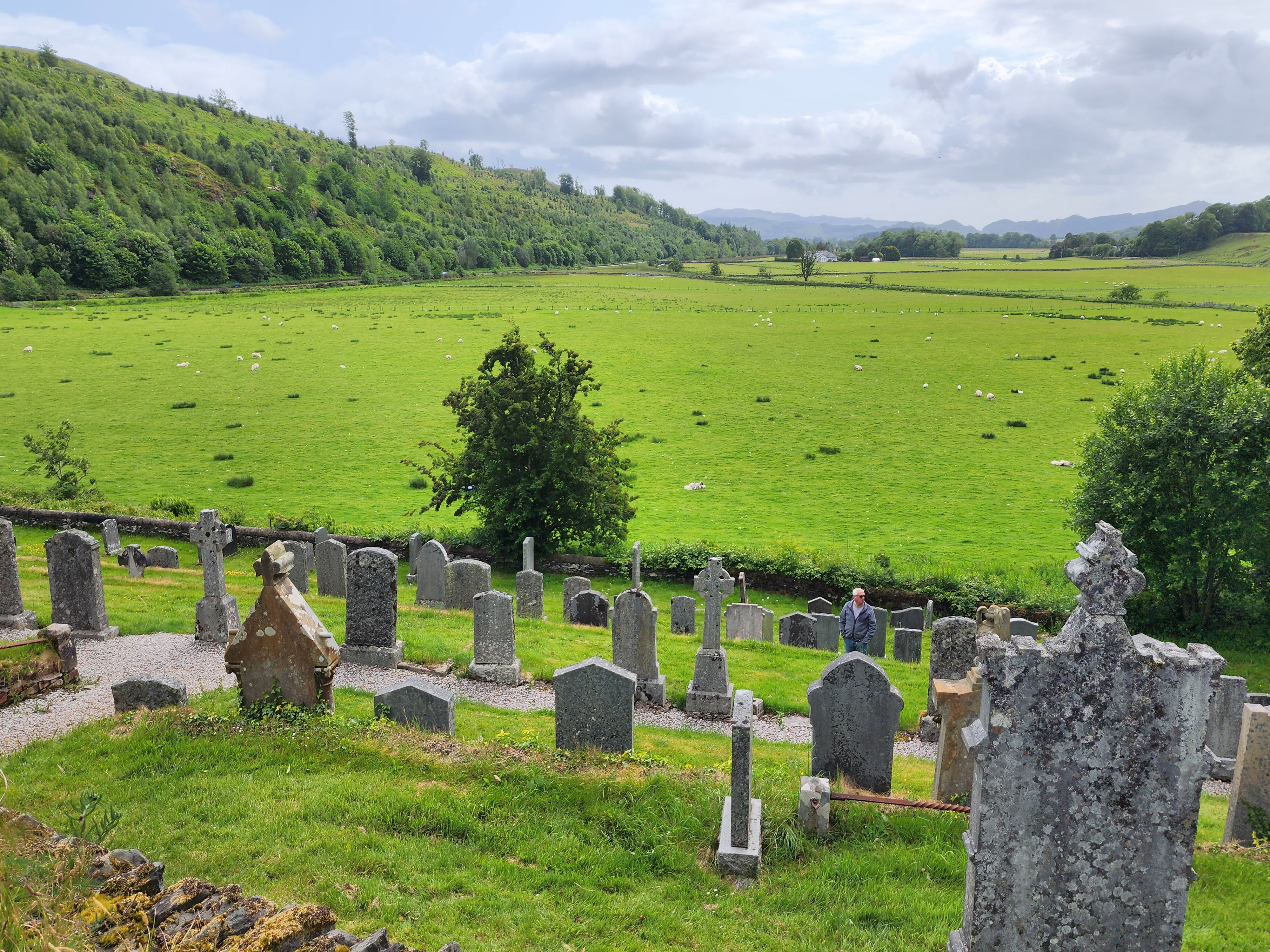
More old graves at Kilmartin
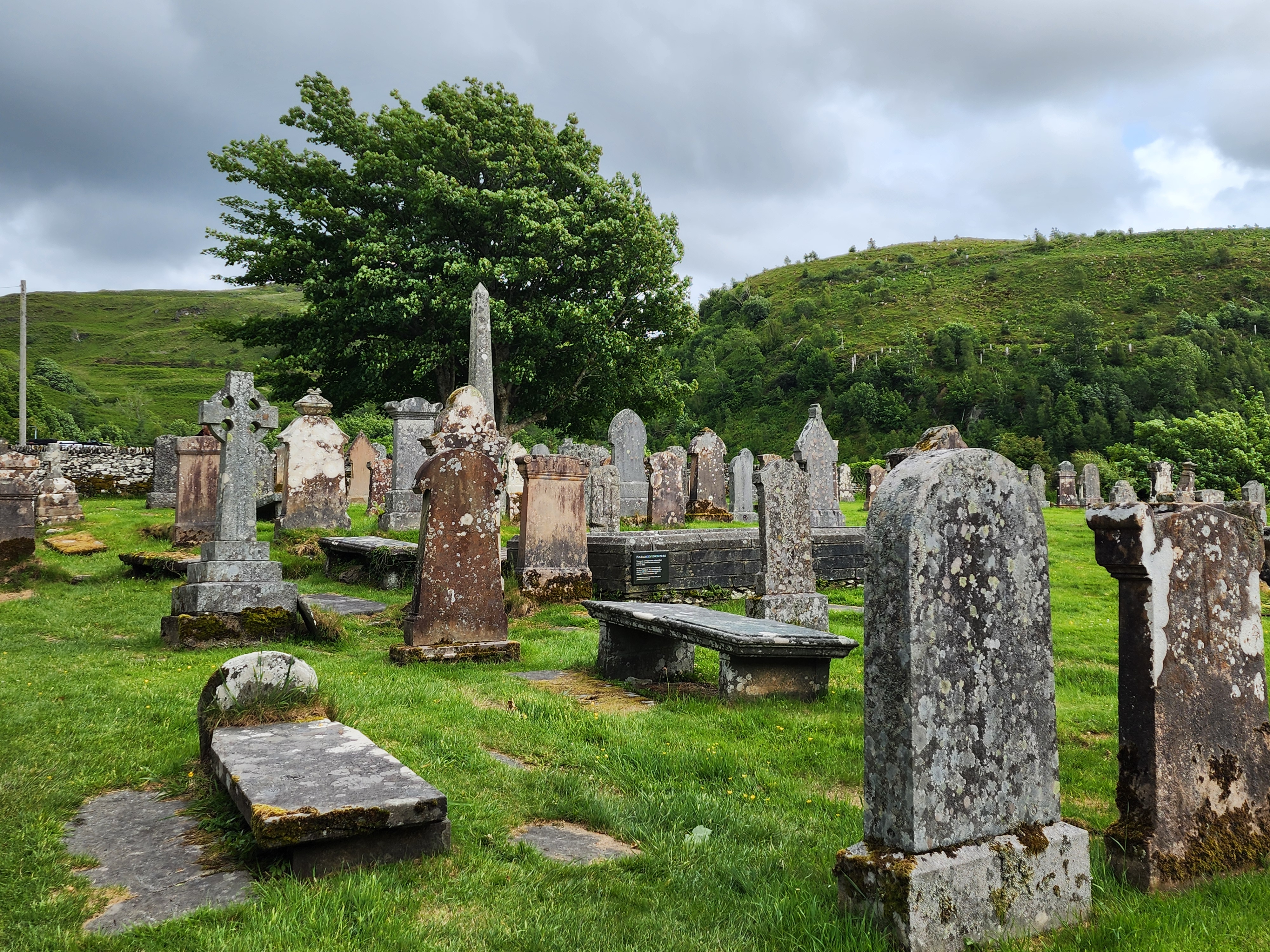
More graves at Kilmartin. I don’t know why I took so many pics of them.

These really old graves from the 1300s were in a protected shed.
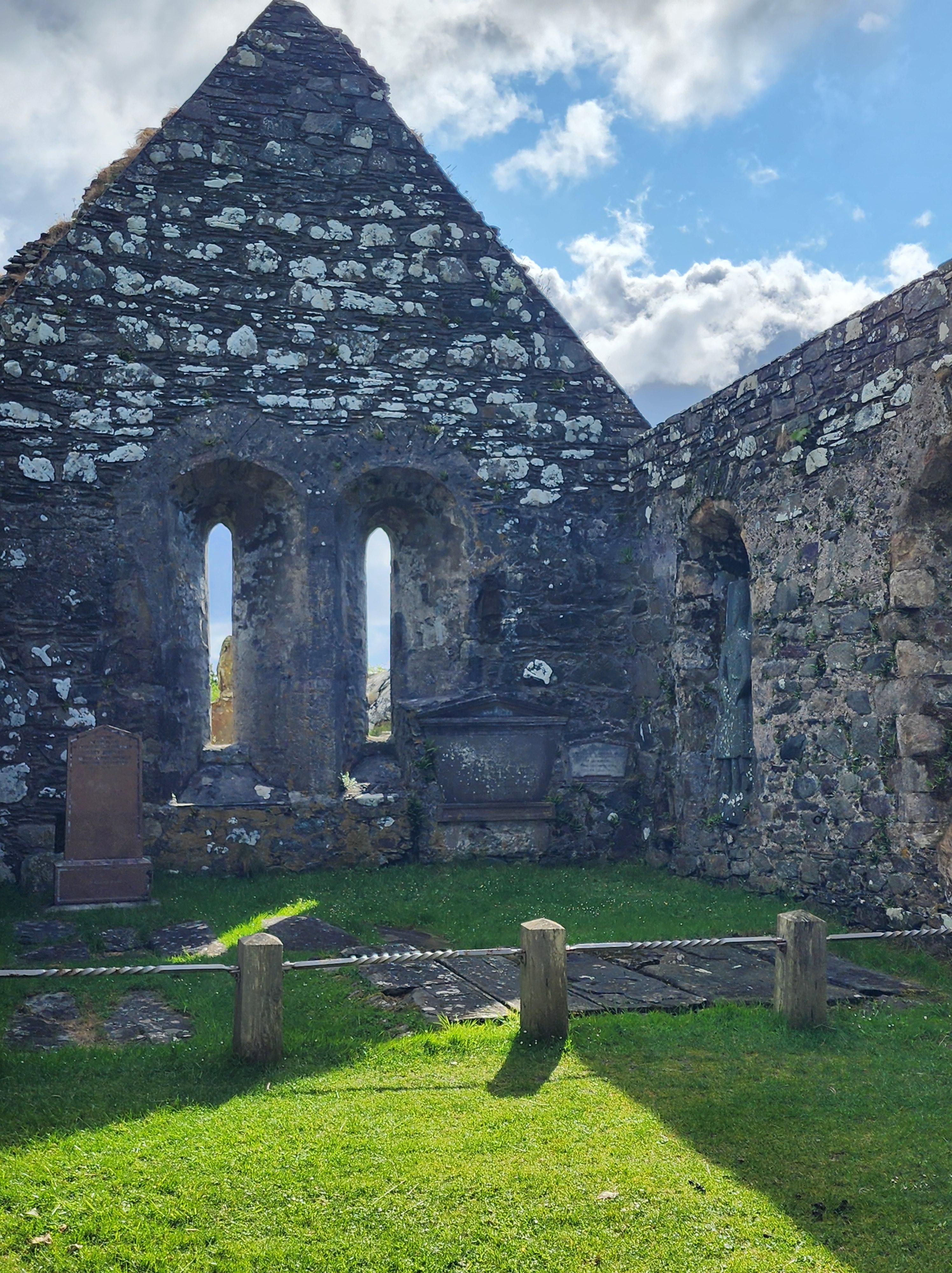
Kildalton church
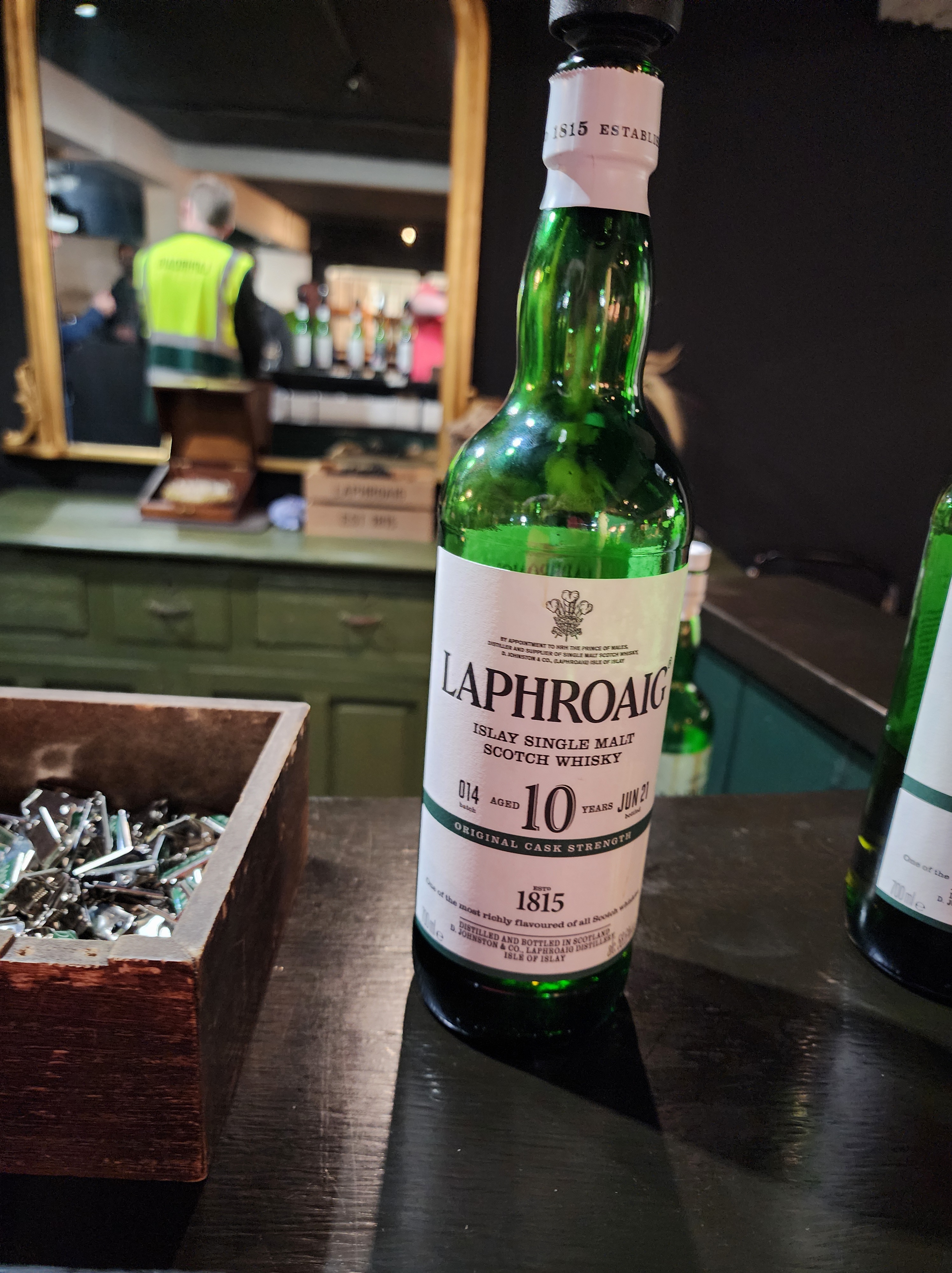
Laphroaig cask strength–it was pretty strong.
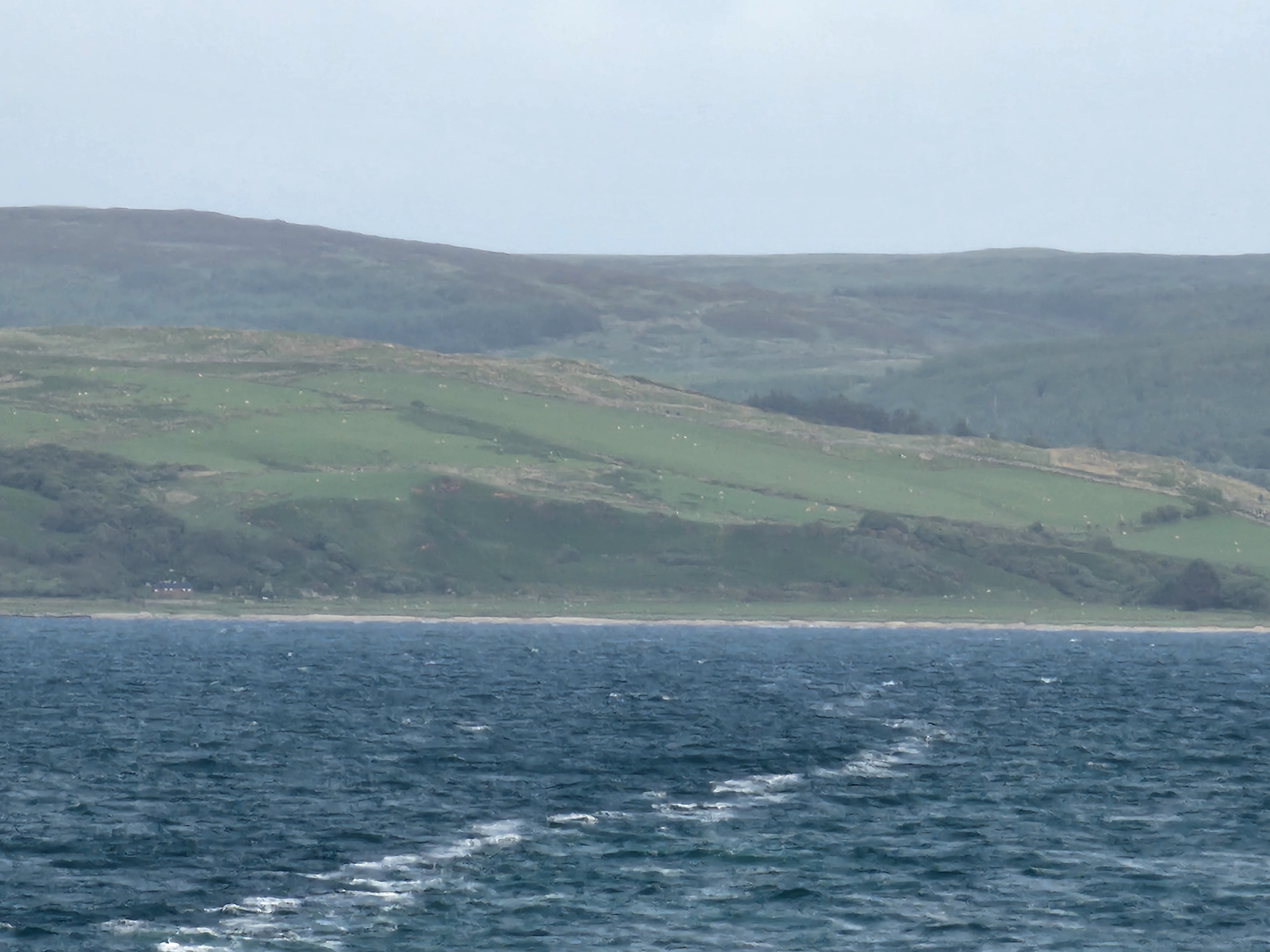
On the ferry

Caol Ila whiskies. I stayed away because I would have been drunk off my ass.

Kildalton High Cross… with people for scale.

Kildalton Cross with the Norwegians

The malting floor at Laphroaig
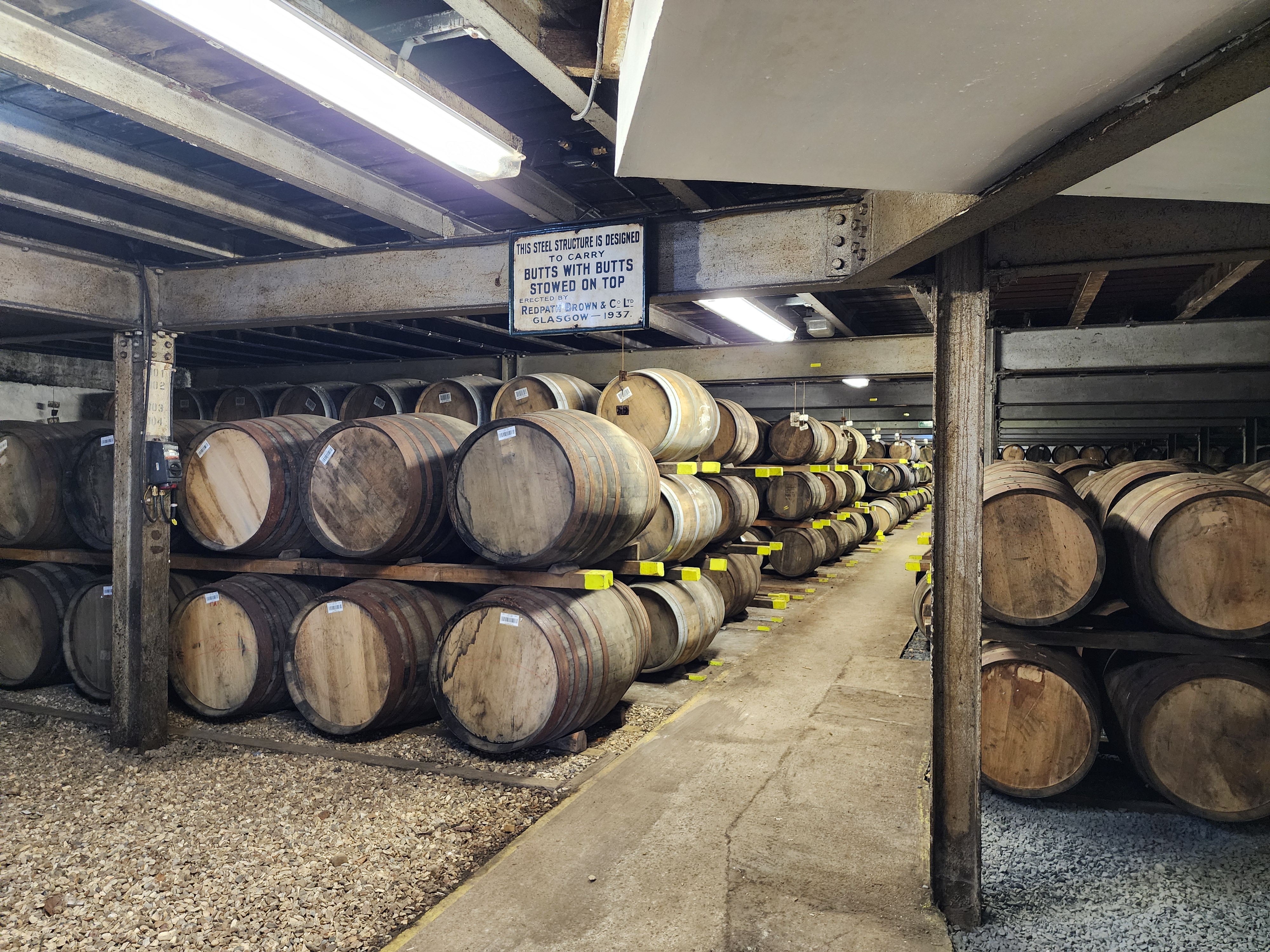
This pic reminds me of the end of Indiana Jones, where the Ark gets put in with thousands of other boxes. There were 100s of barrels here.

Me on the CalMac ferry
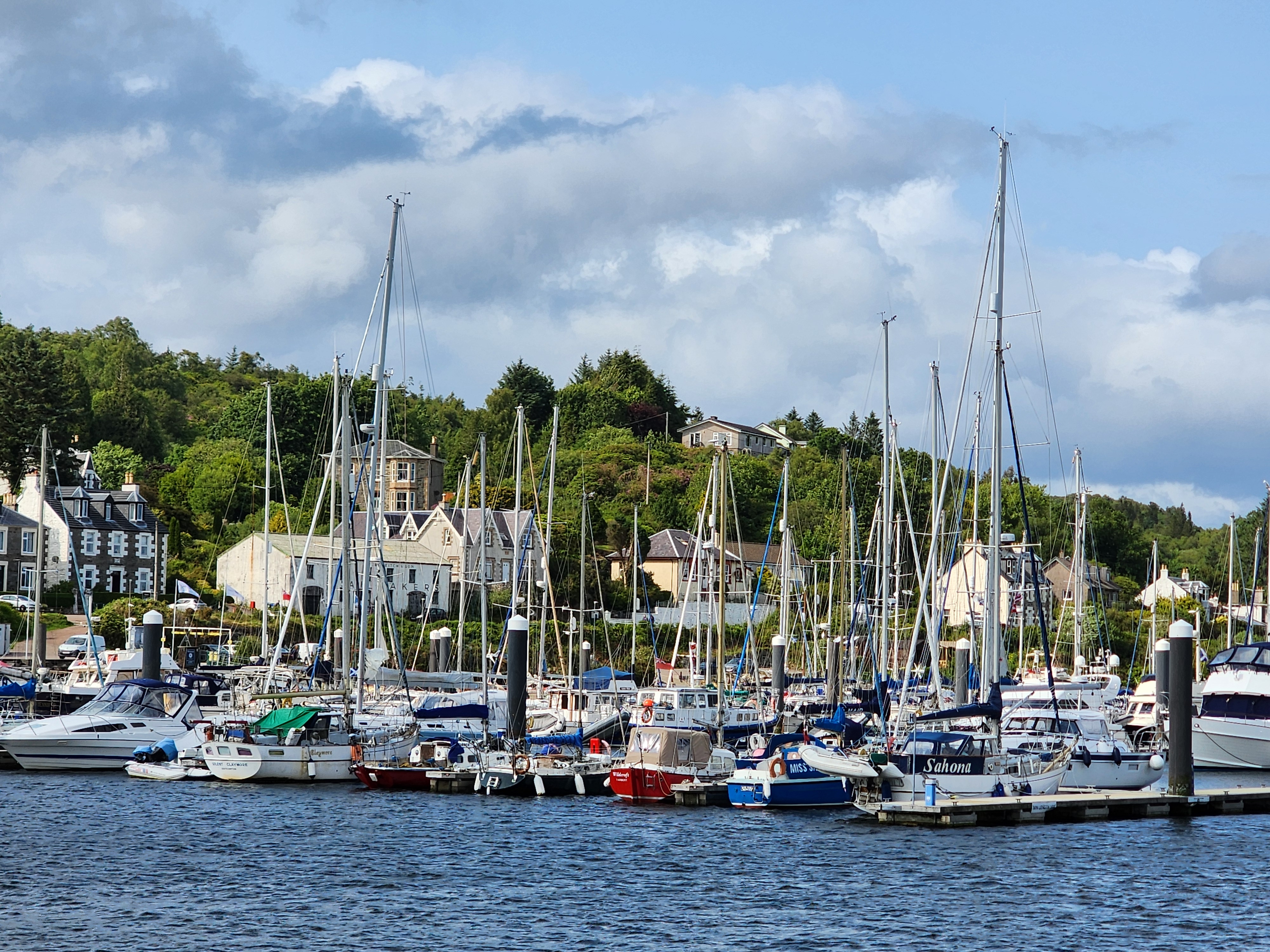
Oban harbor

Oban harbor

I feel like my Dad would like this pic of the Oban harbor. That dark sky meant some serious rain.
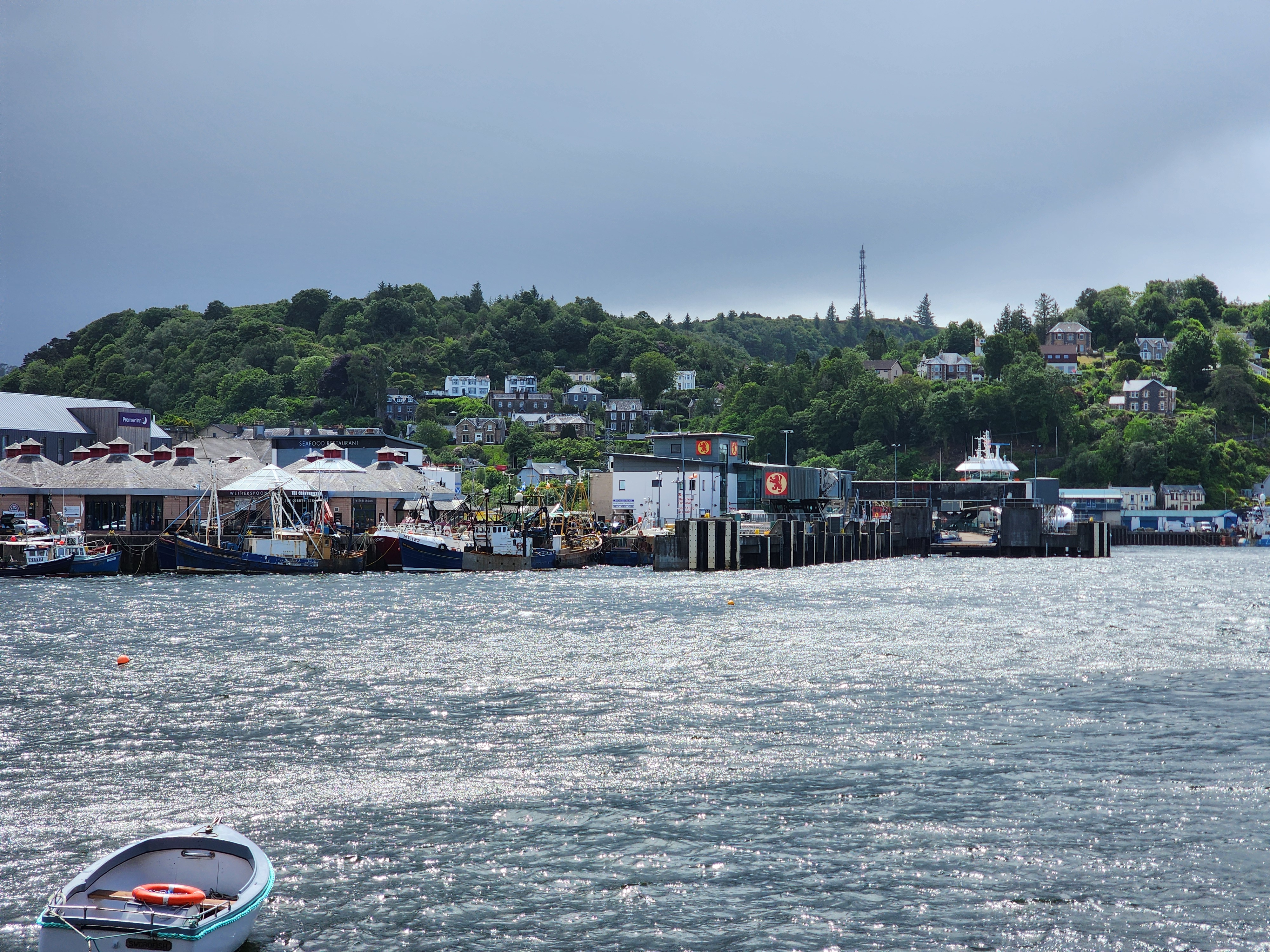
Oban harbor

Oban harbor
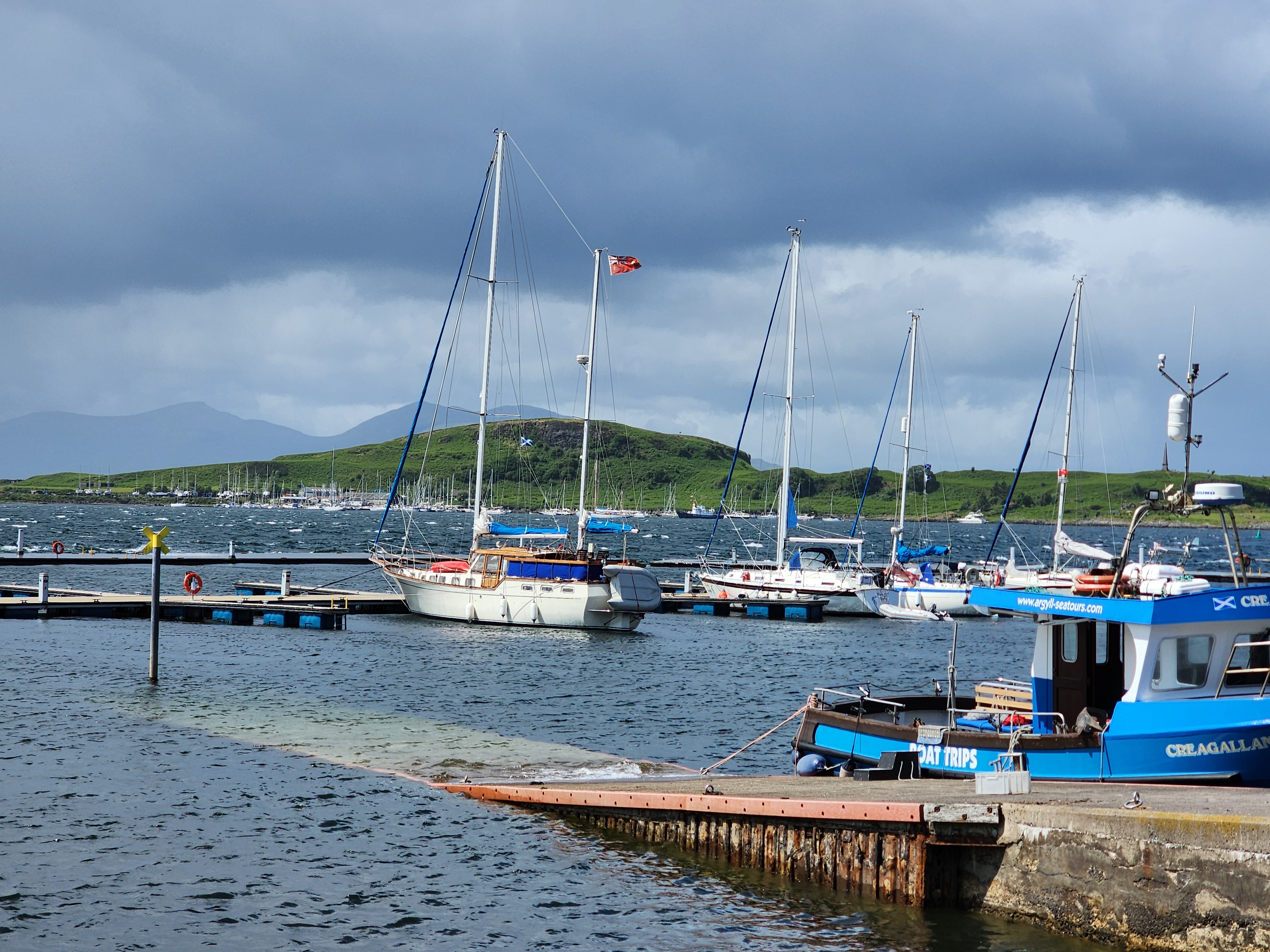
Oban harbor ramp

Old castle ruins near Lagavulin distillery

Hotel on the Oban harbor high street

Laphroaig peat oven–it was surprisingly small.
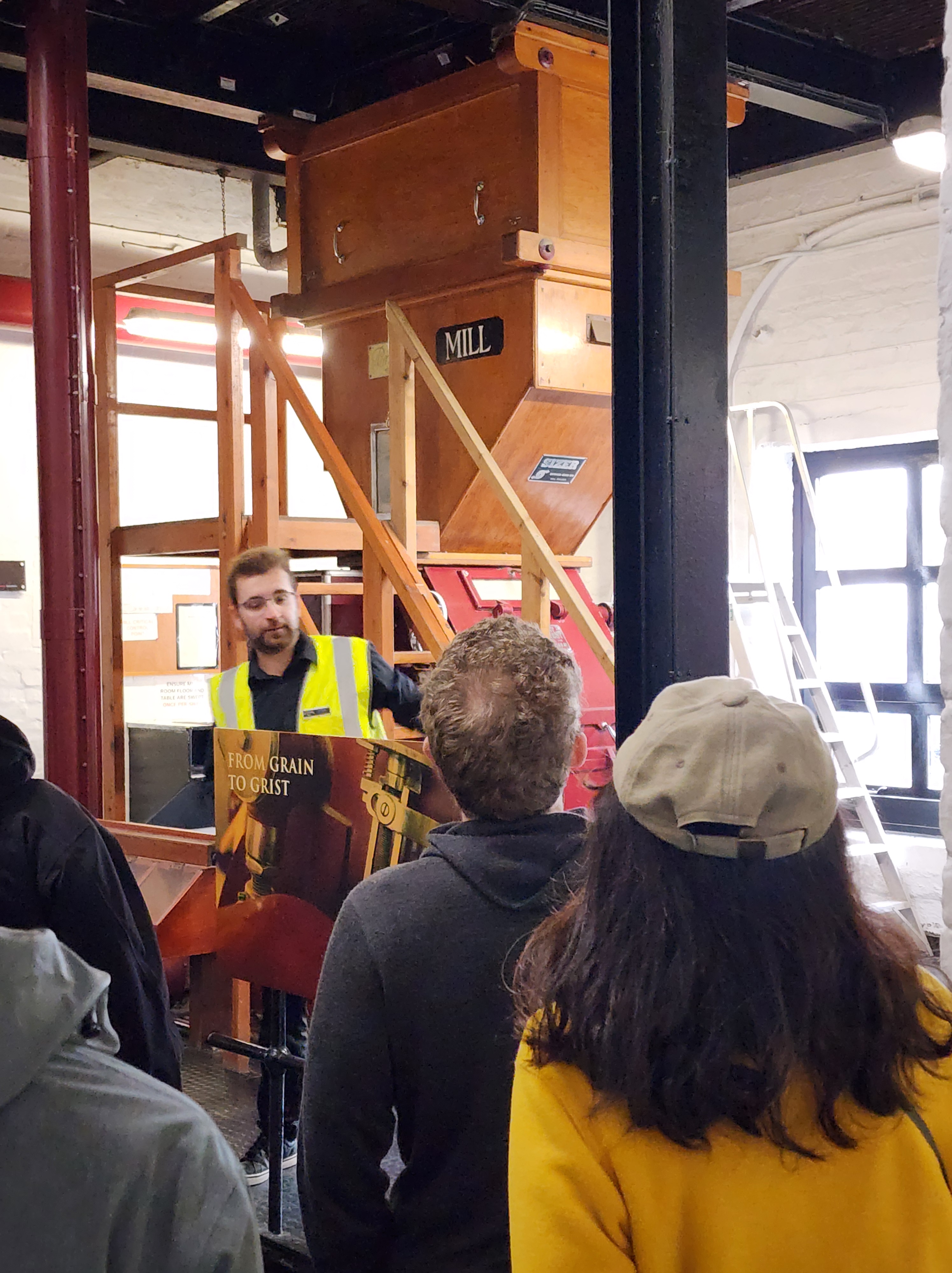
Bowmore mill–the mills across Islay were all made by the same manufacturer, and so hardy that they’ve lasted over 150 years.  They never break down, and the company went out of business because they never had to repair the mills!
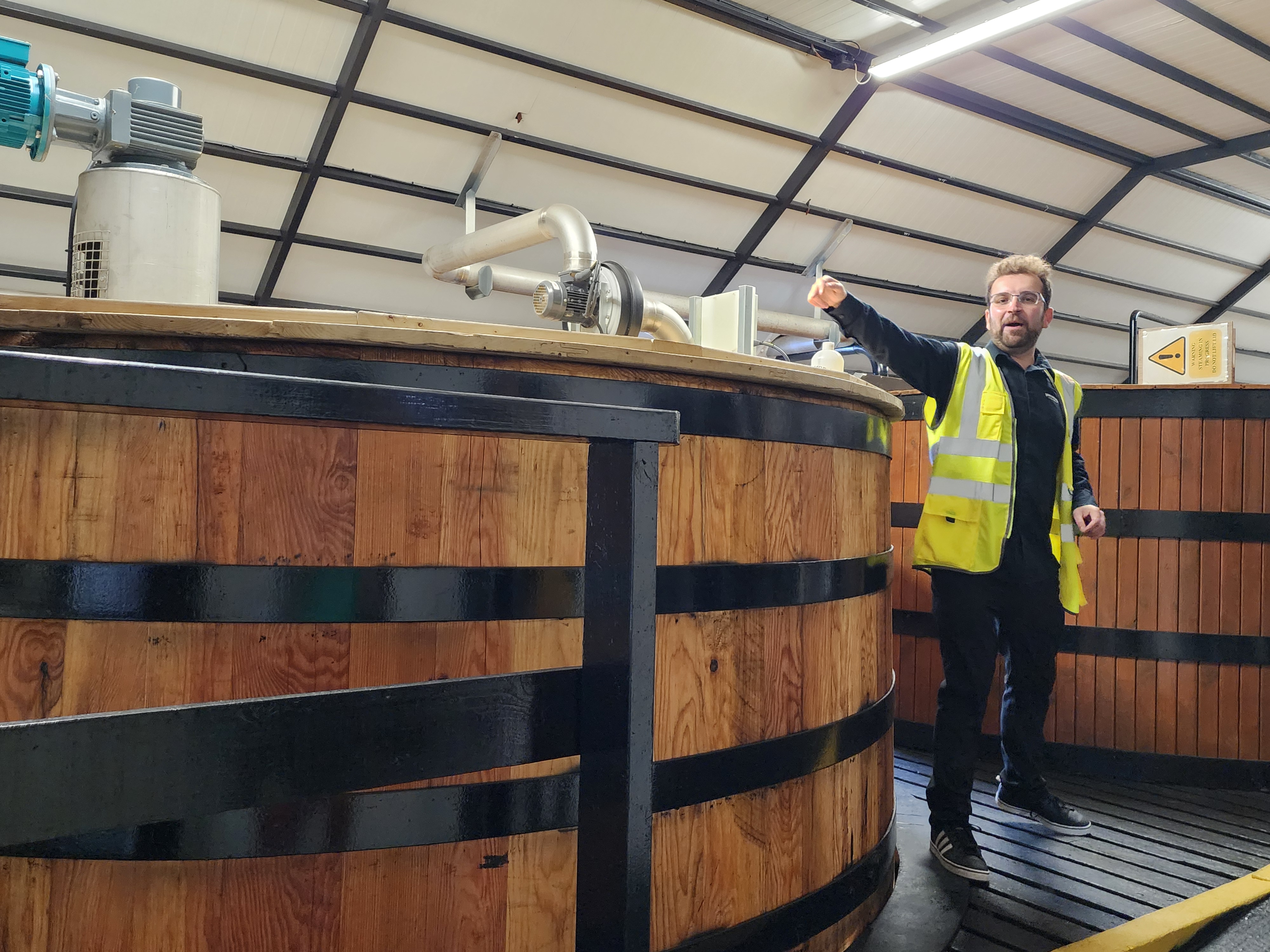
Bowmore wash back (where the barley water ferments)

Get these mountains a bra, for heaven’s sake.
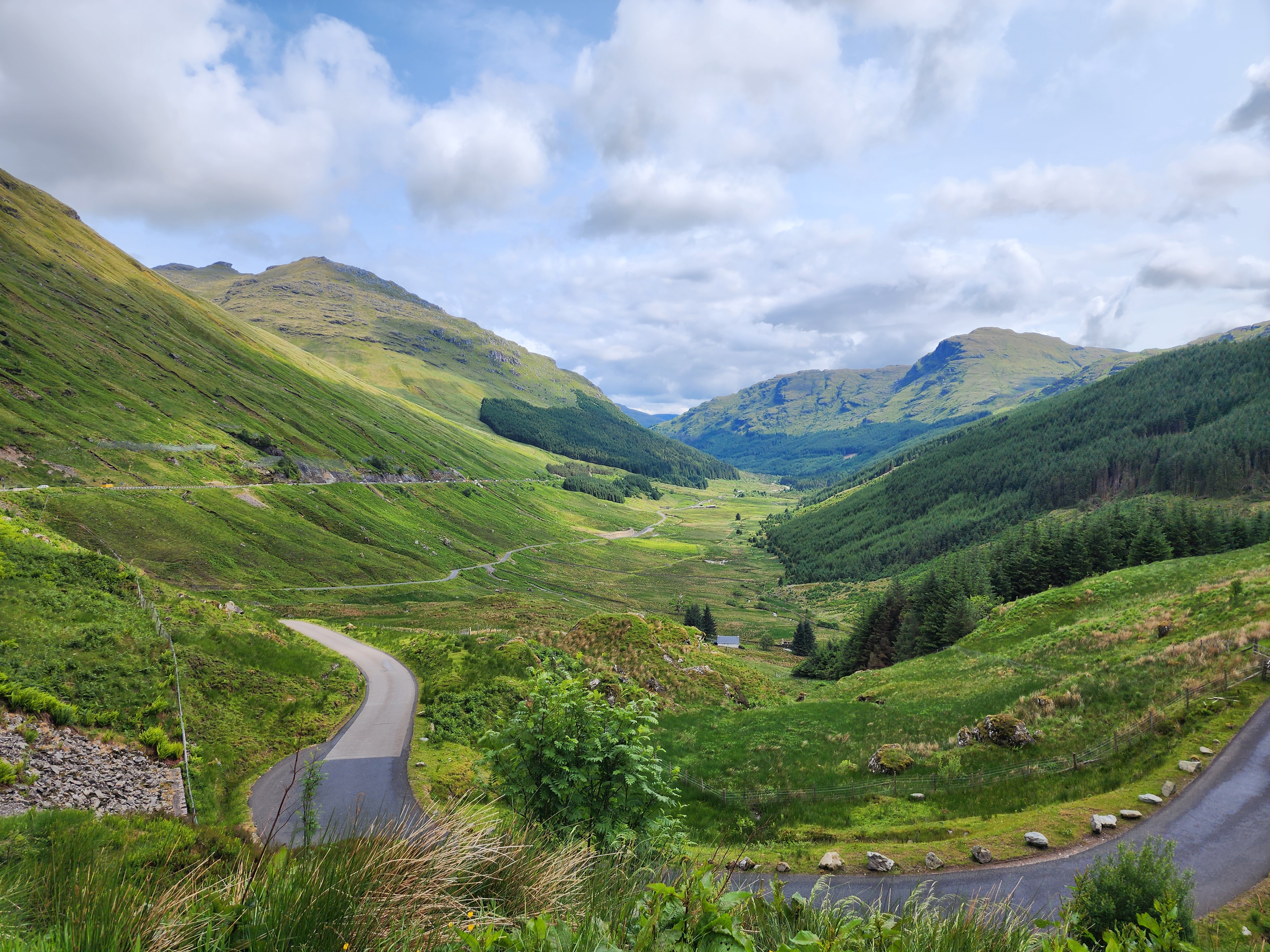
On the way home we stopped at the “Rest and Be Well” glen.

In Inverary, on the way home, I had lunch at the George Hotel. It was mediocre.

The 3 flags flying over Laphroaig–yes, Japan has a big interest in the distillery.

The different grain sizes once they go through the mill
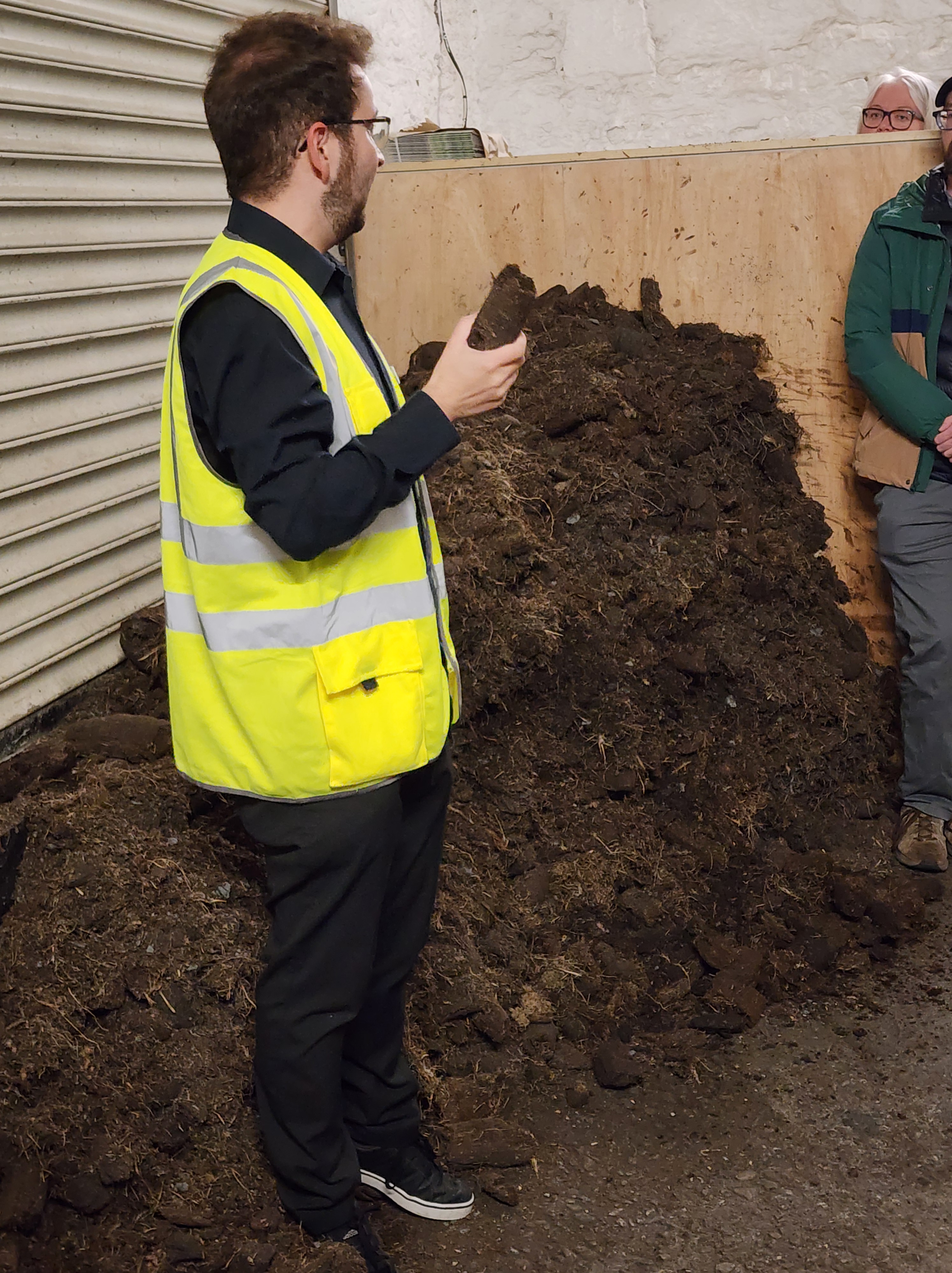
Bowmore guide next to a peat pile
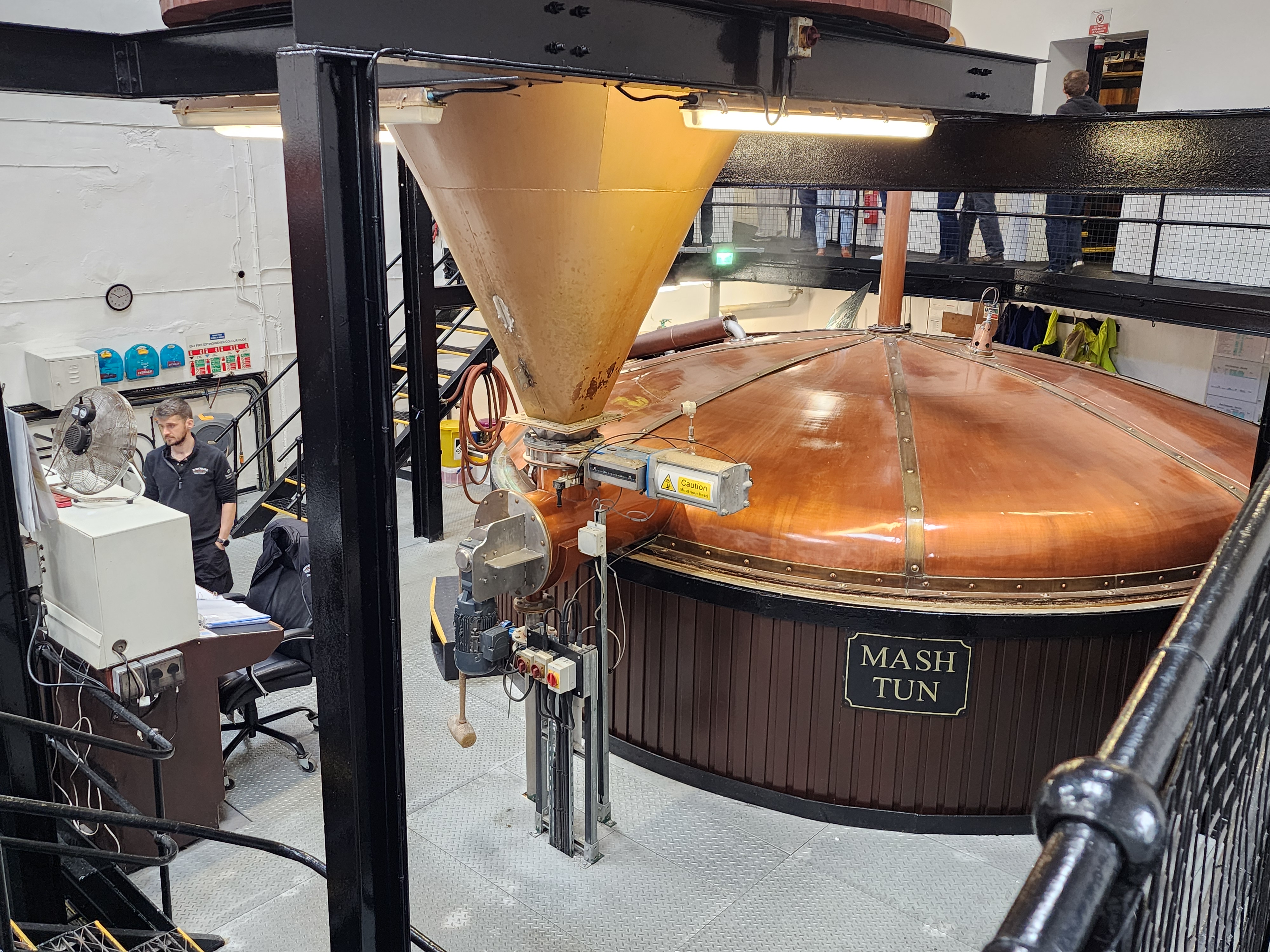
Bowmore mash tun (where the malt gets mashed)
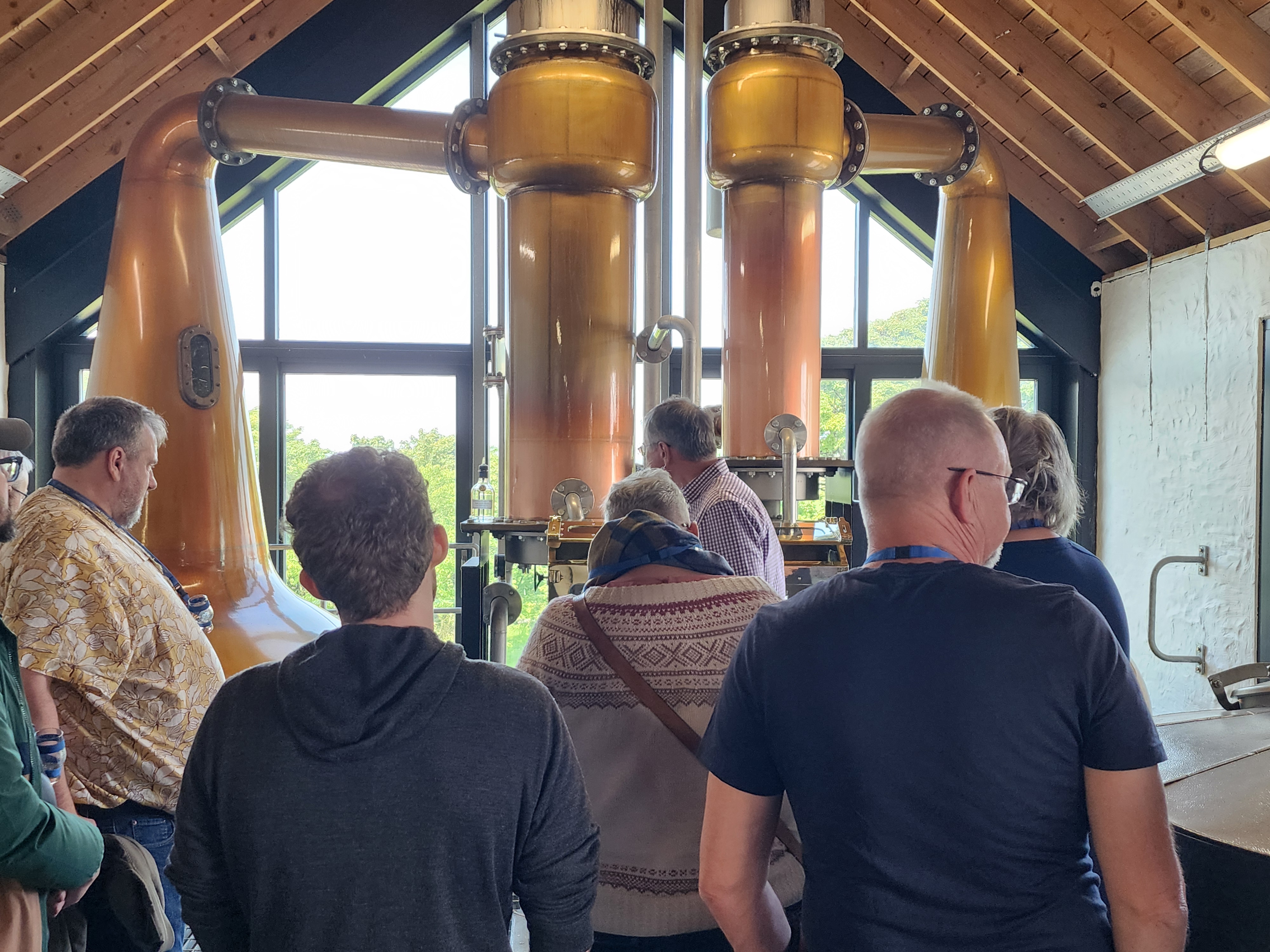
Kilchoman stills

Scotland 3.0

Now that it’s past my birthday—in other words, half-way through May—I’m feeling the nervous energy of going back to Scotland this summer.  There’s so much to do to get ready—laundry, packing, teaching prep, laundry (did I mention that already?) and so much on my mind.  As much as I enjoy being in Scotland, which truly feels like a second home, there are adjustments to be made—in temperament, in expectations, even in time management—and it’s hard leaving my life in Georgia.  I’ll miss C, I’ll desperately miss my cats, and I’ll miss my very American creature comforts (like pizza and a king bed).  And while the compensations are many, it’s hard being absent from my everyday life for two months. I can hear some of you say, “Oh poor JC, how hard it is for you to live in a beautiful country full of culture and mystic mountains and men with sexy accents, you poor dear.” Well, I did say there are compensations, after all.

This time I’m teaching only memoirs/ nonfiction.  In the past, I’ve taught memoir, fiction, and poetry (to greater or lesser success) but I’ve revised what I want students to do for a big project this time around.  I want them to write their own travelogue, specifically about Scotland.  They will be reading Jackie Kay’s Red Dust Road, Kathleen Jamie’s Findings, Robert McWilliams The Kiss of Sweet Scottish Rain:  a Walk from Cape Wrath to the Solway Firth, and for a dash of fun, Sam Heughan’s and Graham McTavish’s Clanlands: Whisky, Warfare, and a Scottish Adventure Like No Other.  The authors are two actors in the Outlander show, and while it’s not AMAZING literature, it’s definitely charming and gives a different perspective on Scottish life. 

Hopefully my students will look past the fact there’s a lot of reading (though it’s not hard) and just allow themselves to get sucked into the stories that are being presented. I also thought only having them have to read 4 books instead of 6 or 7 as I have done previously might allow them to go deeper into the material. We’ll see.  (I am afraid they—and I!—might get bored droning on about the books for 5-6 days at a stretch, but hopefully we can co-create knowledge that we’re all interested in.)

I have been reading other books for insight.  I read (most of) Sally Huband’s Sea Bean:  a Beachcomber’s Search for a Magical Charm: a Memoir, which is about a woman who searches the beaches of the Shetland islands for useful detritus, specifically sea beans, which are seeds of large plants that have drifted across the ocean. Finding one is, apparently, quite a prize, especially if you can get it to grow. I’ve just gotten to the part where she starts discussing how much plastic washes up on shore, which breaks my heart to think about those relatively pristine islands being befouled by floating garbage/ plastic.  But I chose not to have the students read this book because it wasn’t—if you’ll forgive me—Scottish or memoirish enough.  And it’s also very slow.  But I’ve certainly enjoyed learning about the Shetlands, and I hope to finish the book soon. 

Another book I’ve been working my way through is Lochs & Legends:  A Scotsman’s Guide to the Heart of Scotland, by Andy the Highlander (Andrew McAlindon, with Lily Hurd) which is kind of an armchair history of Scoland.  It’s light but informative.  Finally, I picked up Scotland: The Story of a Nation by Magnus Magnusson, but let’s be honest, it’s thick and I’ve only been using it as a doorstop. I need to actually crack open the spine and read some of it.  (But it’s thicccc with four C’s!) I do like to give a mini lecture on Scottish history at the start of the class, and I got this book to help me do that.  I swear I’ll start reading it ASAP.  Maybe tomorrow, in other words.  (Haha.)  I do have other notes on Scotland prepared, but I did think this book would add some richness to my knowledge—of course, I should have been reading it all along.  Mea culpa.

Truly, I am looking forward to my third summer in Scotland, and I hope to do a few new-to-me activities, like go to the Writers’ Museum, visit St. Giles’ Cathedral (and this time actually going in instead of hemming and hawing about spending £5 for the entrance fee), maybe take a Ghost Tour, and finally, finally, finally take one of the double-decker tour buses around the city.  (I keep saying I’m going to do that, then I never do.) I also thought about going to Surgeon’s Hall, especially because Kathleen Jamie writes an essay about it in Findings, but honestly, I’m too afraid of being squicked out. (I do have a low tolerance for yuck… even if it would be intellectually interesting and teach me a lot about the history of medicine.)

Anyway, I promise you lots of pictures and lots of reporting on my visit… one more thing I have to add to my never-ending list of things to do in the coming weeks! (Oh dear!)

My Last Scottish Tour

I wanted to get in one last tour before I flew back to Atlanta, and had been eyeing the trip to the Ayrshire Coast, featuring Burns country and a trip to Culzean (pronounced “Cul-ayne”) Castle.  But it left from Glasgow, and that extra step—going to Glasgow—is what had prevented me from going on the tour any earlier. Did I really want to get up at the crack of dawn and catch a train?  But I put on my big girl panties and took the express to Glasgow for one last adventure.

I had picked up a sandwich and a pain au chocolat at Sainsbury’s for breakfast and walked to the Buchanan Bus Station and found a seat.  The pigeons were interested, and I can’t help it, I threw bread to them—they’re experts at looking so hungry.  But then they frenzied all around me, stepping on my shoes, flying onto my legs, flying to the garbage bin right at elbow level, trying to cadge some food.  One pigeon even perched on my index finger (until I shook it off) and another flew at my head!  The other people in the waiting area were as amazed (and frightened) as I was. What is it about pigeons that they attract as well as repel?  They are kind of charming, but maybe it’s the old idea that they carry disease. (Gross–I just Googled the diseases pigeons carry.  Why did I do this?)  But I kept feeding them as I waited for the bus to arrive.

And when it arrived, who should be our driver, but good ol’ Stewart! I was so happy to see him yet again, and the feeling was mutual.  The tour was small—there were only seven of us: four people from Australia (two were sisters, though one lives in Berlin), a couple from Aberdeen, and me. We bonded pretty quickly, but then Stewart is good about making everyone feel welcome and comfortable. I knew that it would be a wonderful day.

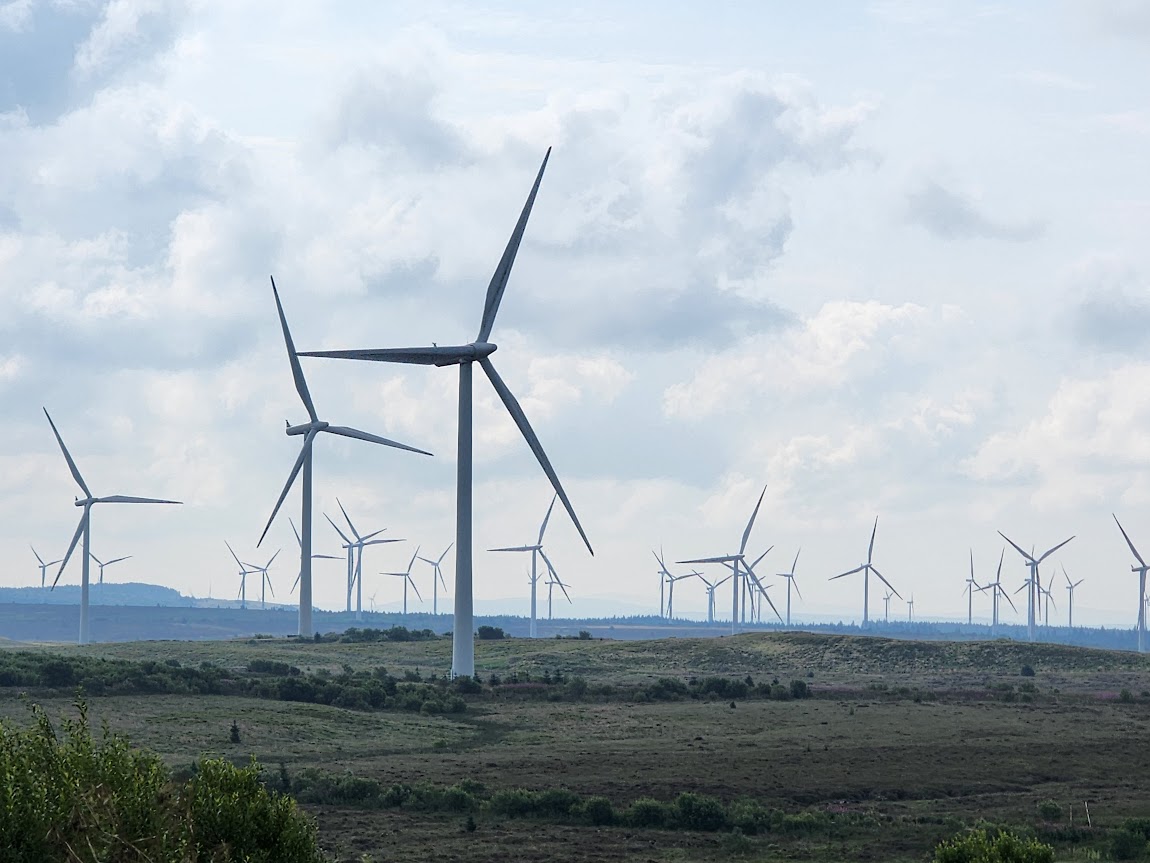
Whitelee Wind Farm

Our first leg of the journey saw us at the Whitelee Wind Farm, on the Eaglesham Moor, about 9 miles outside of Glasgow.  It was an unexpected stop, but something about all the wind turbines, with their graceful lines, and blowing blades, was compelling to watch.  The wind farm has 215 such turbines, with the capacity of 540 megawatts of power, and it’s the largest on-land wind farm in the UK.  It was a chilly and somewhat drizzly morning, so we all went inside to the coffee shop, and sat and chatted for half an hour over a cup of hot chocolate, until it was time to head out.  I would have liked a little time to visit the wind science museum, but it was also nice just to visit with the other people on the tour.  Sometimes it’s ok to forego museums.

Culzean Castle–I love how this picture came out.

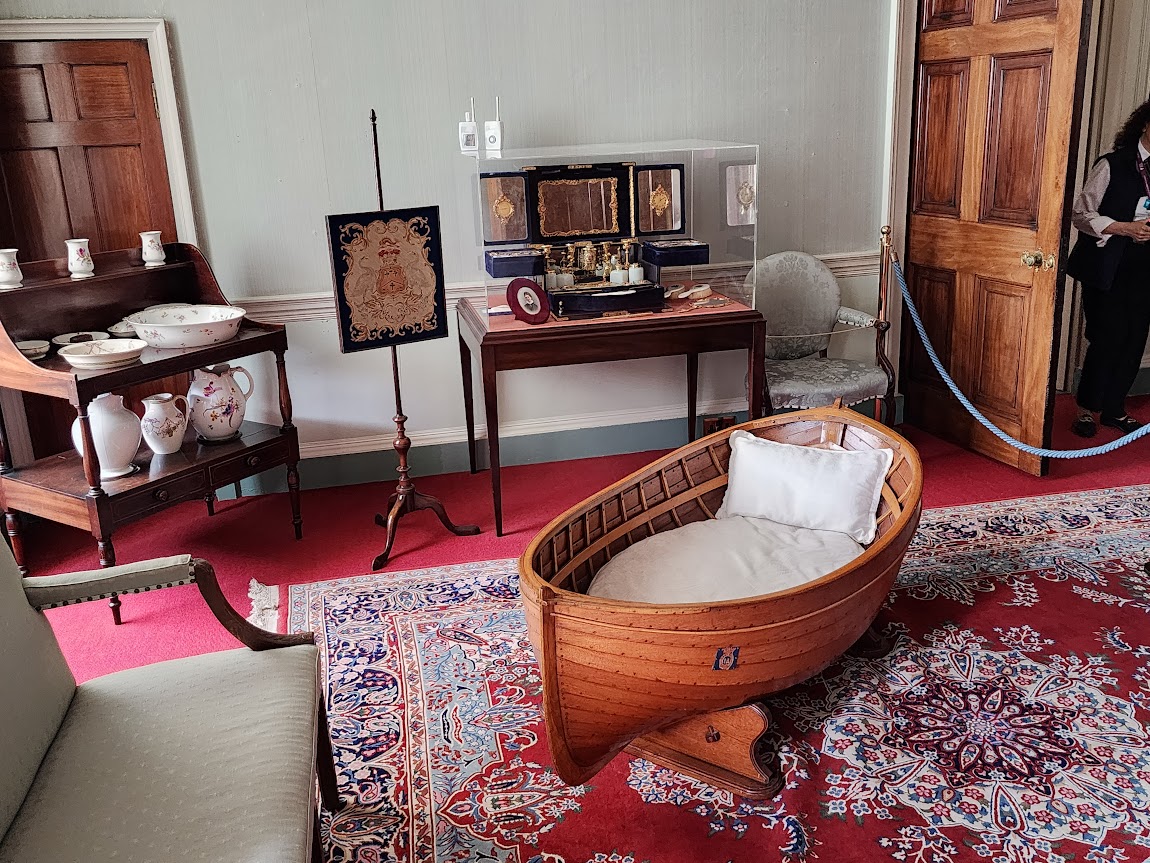
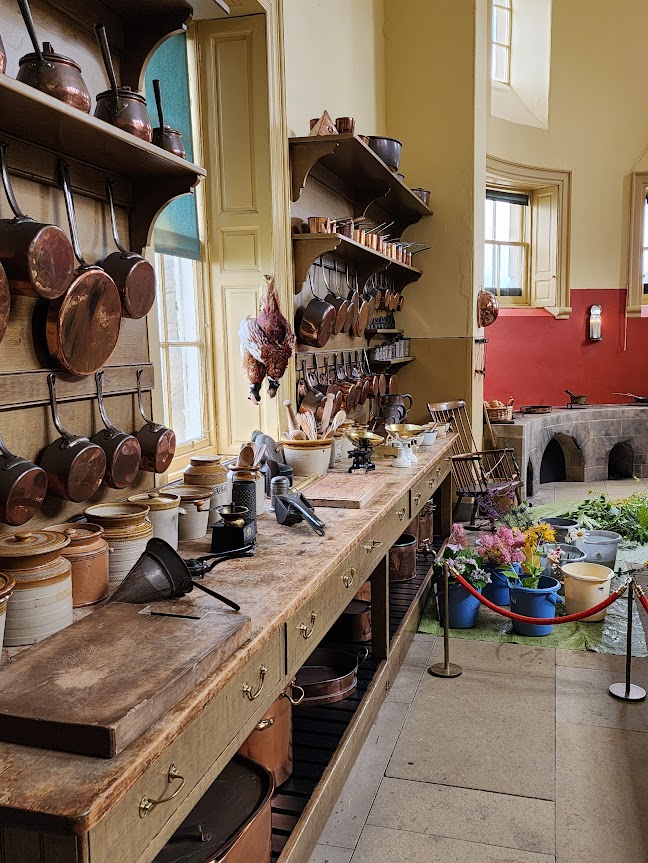
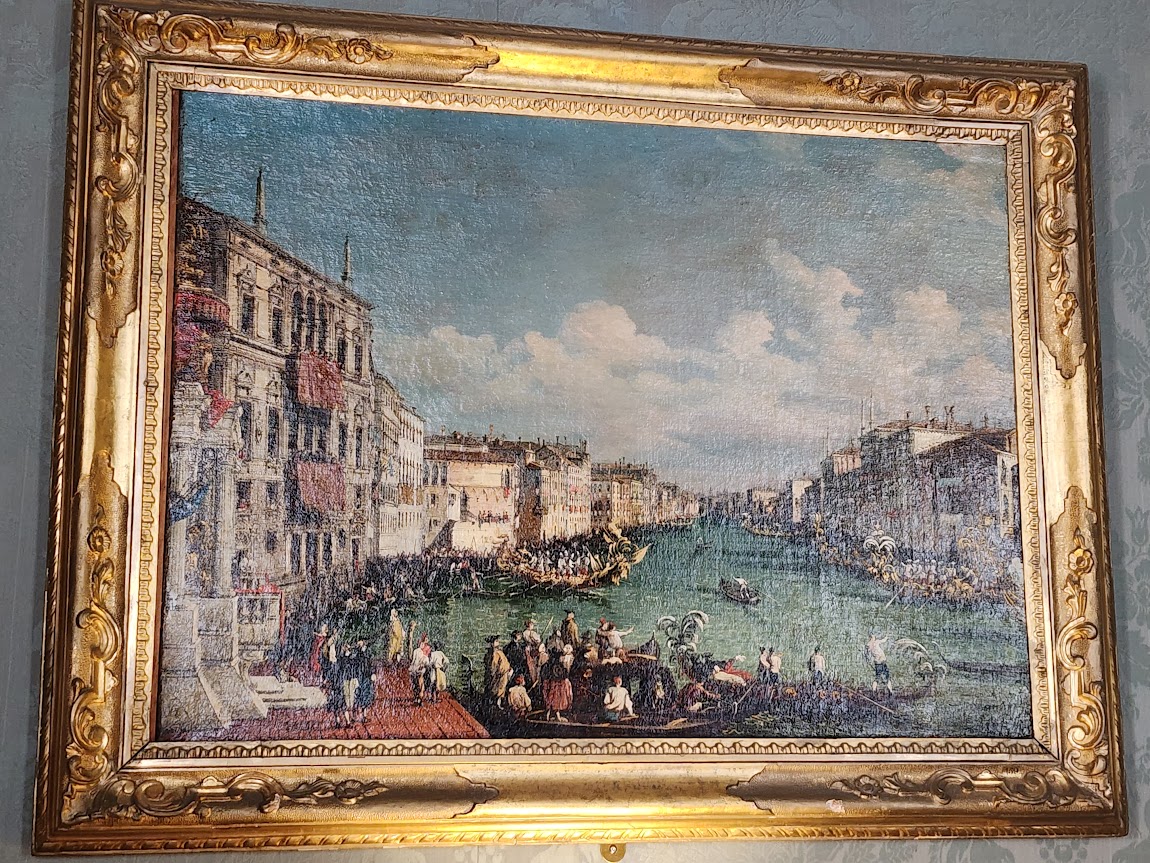
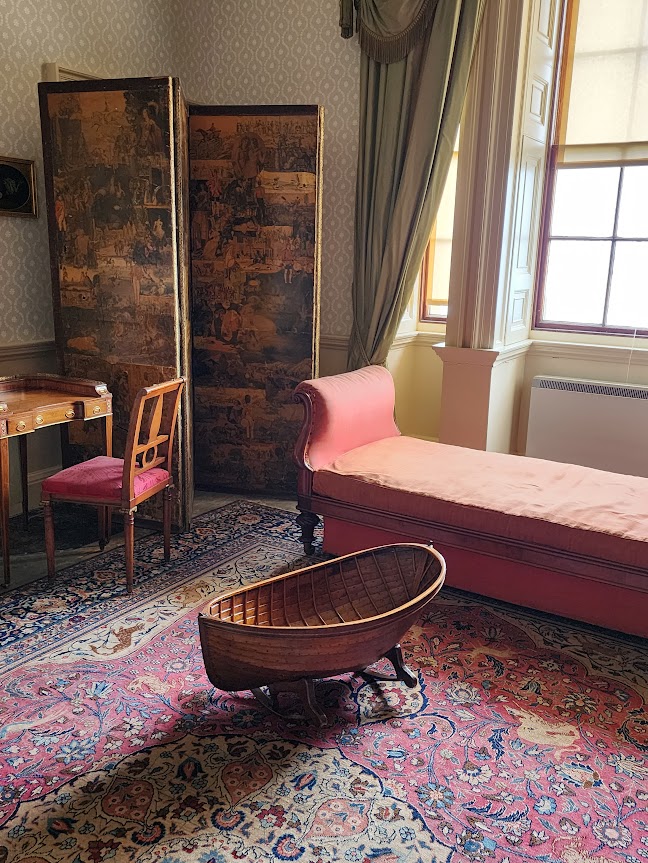
Our next stop was Culzean Castle, home of Clan Kennedy (and later President Eisenhower, who was gifted the top floor), and fortunately, the drizzle had stopped.  The sun even popped out a little, making the Firth of Clyde (which feeds into the Irish Sea and backs up to the castle) seem bluer.  There was a bit of a walk through the woods from where Stewart dropped us off but it was pleasant, and when I got to the castle itself, I took a few moments to look out on the Firth and admire the soft waves.  The castle, which dates from the late 1700s, had a proscribed path to follow for touring, which took us through dining rooms and bedrooms and sitting rooms and even a room decorated entirely with pistols and other weapons—like, thousands of them.  (Turns out it’s the armory.)  Of course, the rooms were finely-appointed, with rich red carpeting and bedspreads, and paintings everywhere, including what I’m sure is a Canaletto painting of Venice.  The castle also had a couple of bedrooms with cradles made to look like small boats.  The kitchen was a bright yellow, and led out to a tiny gift shop where (of course) I bought a guide to the castle.

Outside the castle, I walked through the gardens which were nice, but not overly impressive.  They had a great lawn though, and I could imagine someone setting up lawn tennis there.  People walked their dogs and one family seemed to be fighting and shouting at each other in Portuguese, I thought, never mind that I was sitting on a bench seat and couldn’t help but to listen in. I wondered what they could be arguing about.  It seemed like the father was impatient with his younger son, the same younger son that was being bullied by the elder son.  Their mother was shouting at her husband to quit shouting at the kids (I presumed).  But eventually, they slipped past the wall to the garden and I had peace again.  But I was getting hungry, so I made my way back to the main entrance, where there was a café.

My lunch was comprised of “creamy macaroni cheese” (they don’t say macaroni AND cheese in Scotland, I’ve noticed), chips (fries), and a little salad.  I don’t really understand why you’d serve a starch with a starch side, but the chips and entrée were tasty, and the salad was small but good.  Afterwards, I poked around the gift shop but didn’t see anything that spoke to me, and I met up with the Australian sisters and we chatted some more.  They were eating jellybeans.

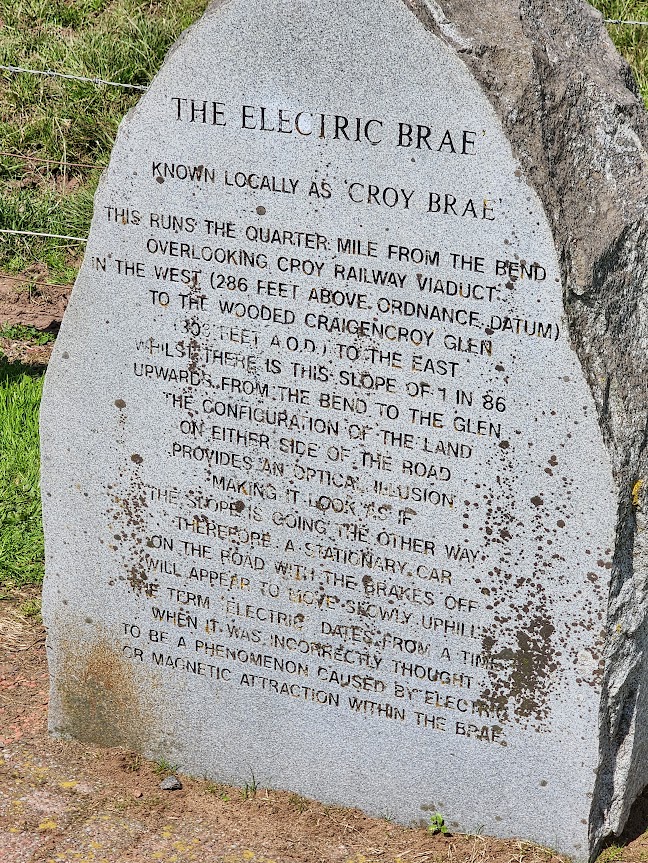
Stewart and the others arrived, and we got back on the bus and did a little touring.  We drove past Trump Turnberry Golf Course and gave it a universal Boo! And then we drove on something called the Electric Brae (known locally as “Croy Bray”), a stretch of road that appears to be going uphill, but is actually going downhill. (A “brae” is a slope, declivity, or hillside, according to the dictionary.) Stewart got out some water and demonstrated:  he poured the water on the ground, and it looked as if it were traveling upwards on the ground, instead of downwards. I took a picture of the sign, but for ease of reading, this is what it says (punctuation mine):

“This runs the quarter mile from the bend overlooking Croy Railway Viaduct.  In the west (286 feet above ordinance datum) to the wooded Craigencroy Glen (303 feet AOD) to the east whilst there is this slope of 1 in 86 upwards from the bend to the glen, the configuration of the land on either side of the road provides an optical illusion making it look as if the slope is going the other way.  Therefore, a stationary car on the road with the brakes off will appear to move slowly uphill.  The term “Electric” dates from a time when it was incorrectly thought to be a phenomenon caused by electric or magnetic attraction within the brae.”


Dunure Castle

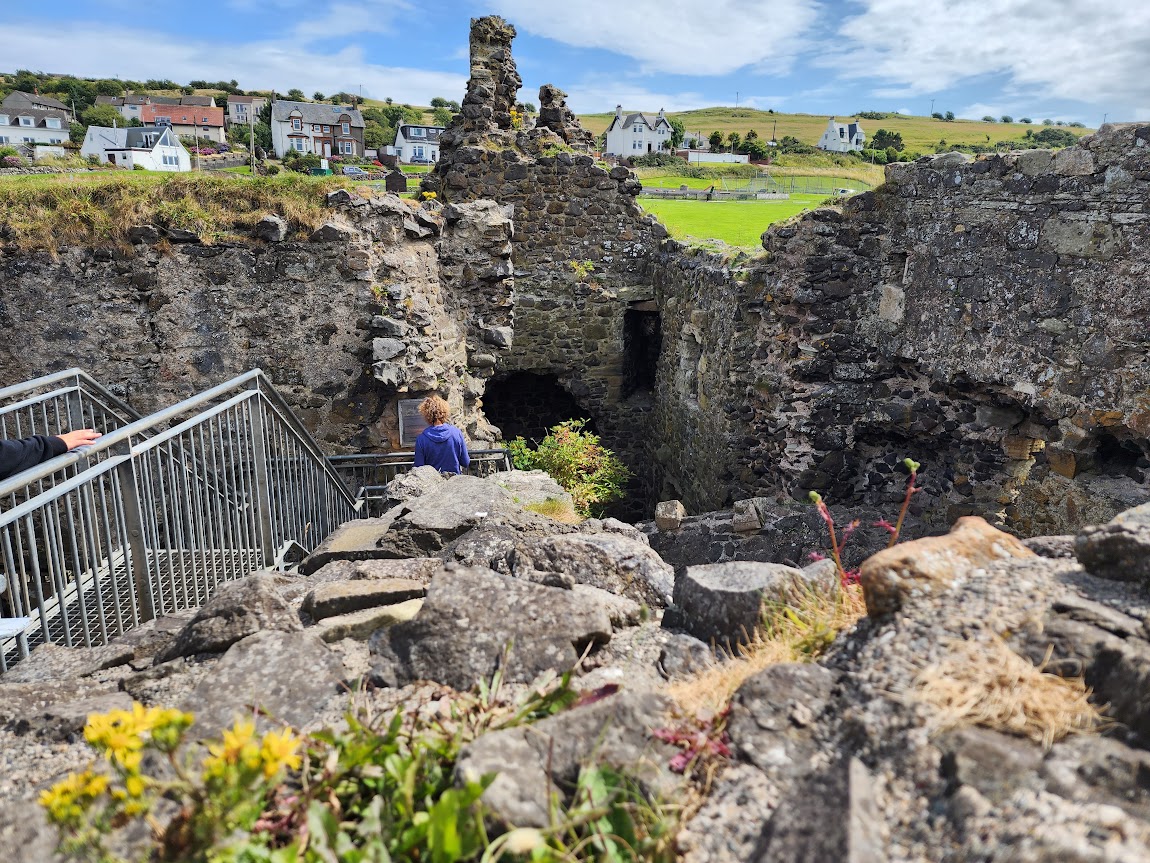
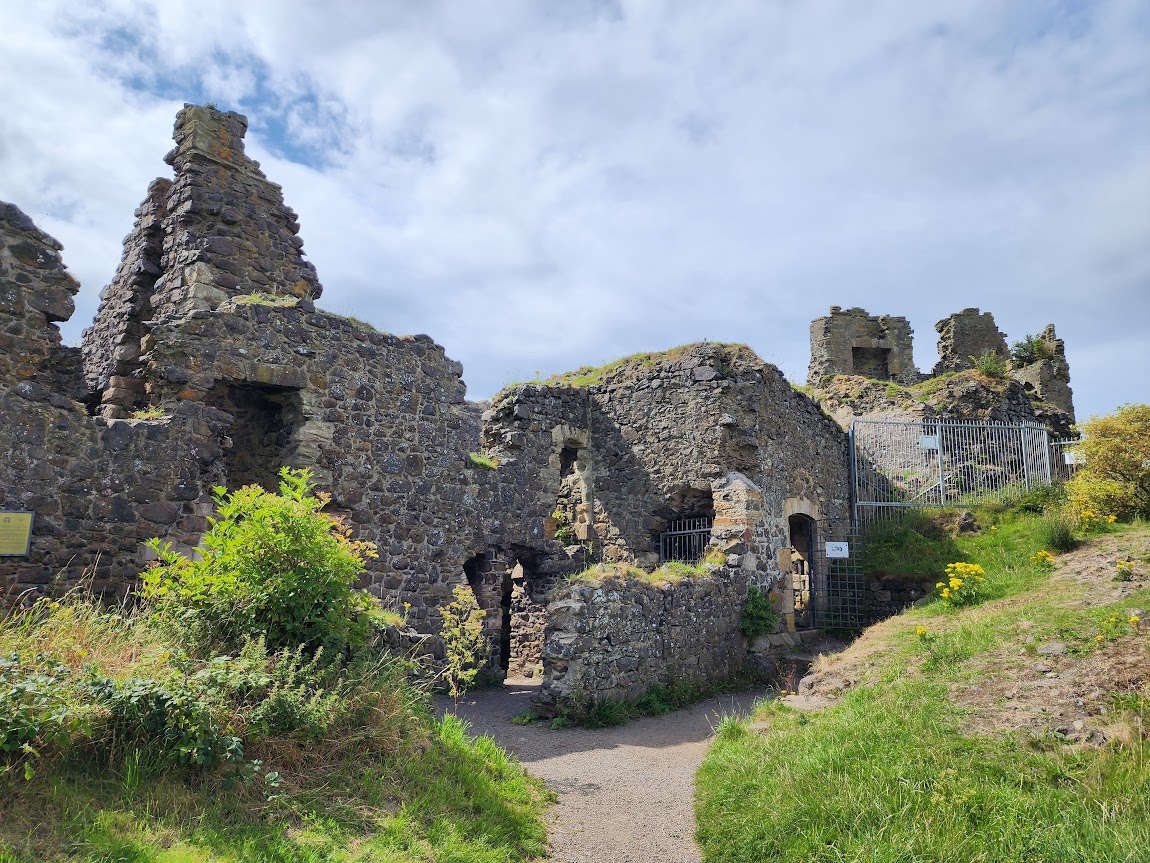
Then we made our way into the town of Dunure (which sort of rhymes with—ahem—manure), to poke around the ruins of Dunure Castle, which dates from the 13th century.  There’s not much left—a keep, some outer walls, and a beehive shaped dovecote (or “doocot”) which appears well-liked by pigeons and gulls.  I climbed the stairs to the top to look out on the sea, and passed a fenced-off part of the castle, where an empty whisky bottle lay in the dirt and rocks.

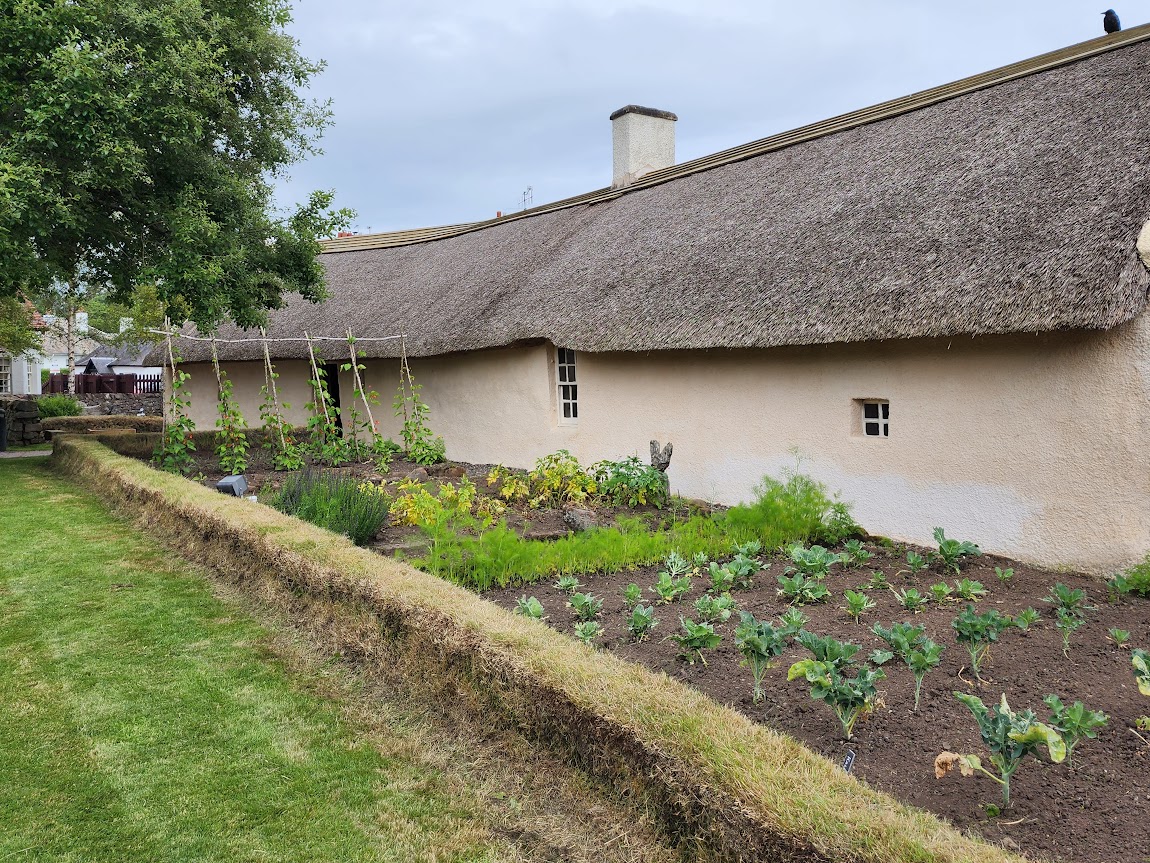
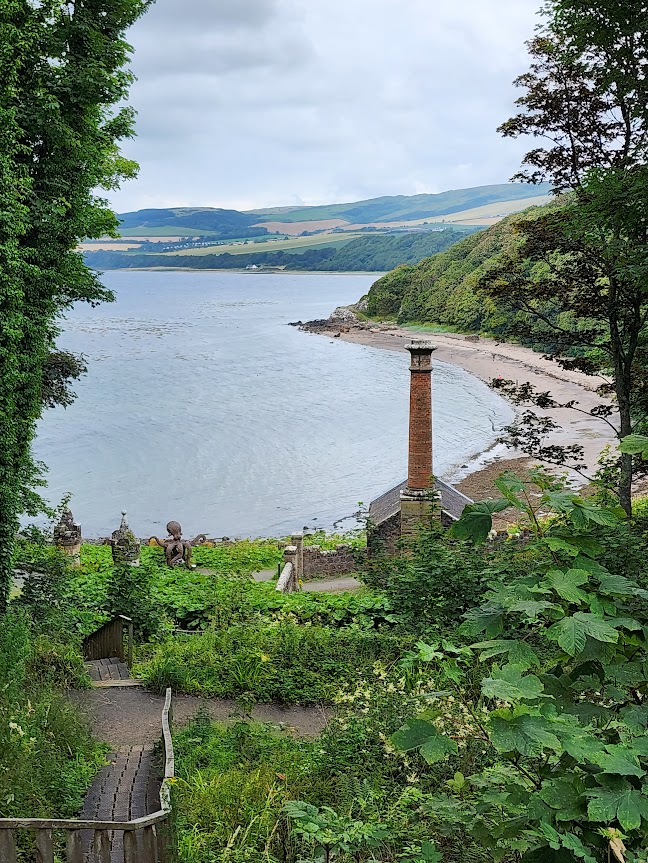
Burns Cottage with vegetable garden

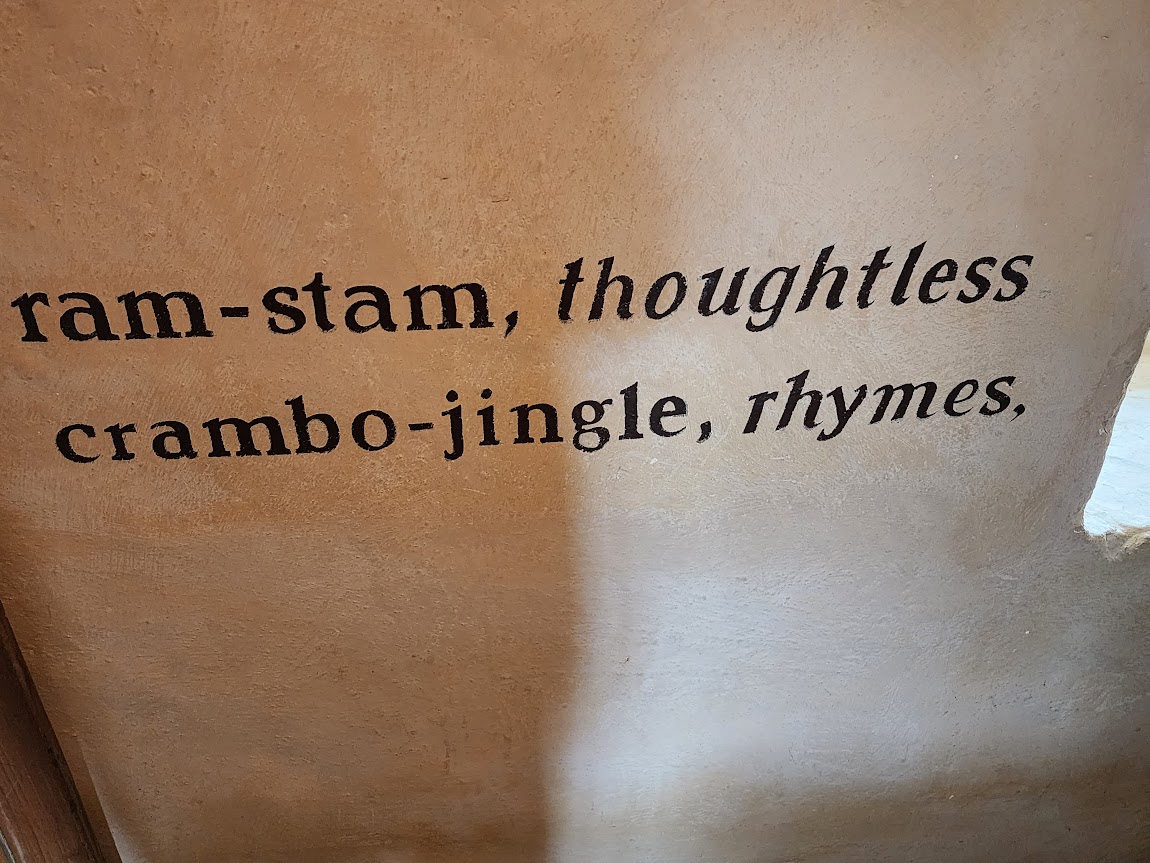
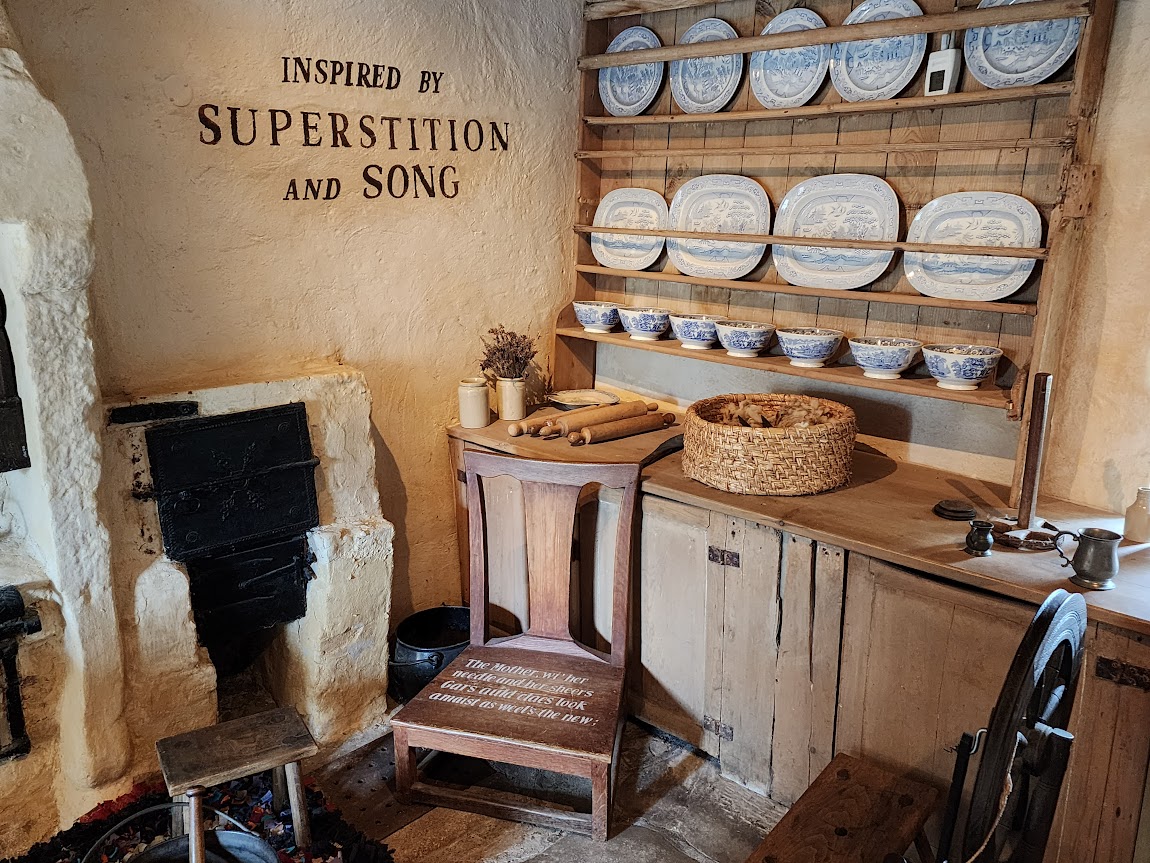
Afterwards, we were off to auld Rabbie Burns’ cottage and museum. We passed by Brig o’ Doon (the bridge over the river Doon), making me think of Brigadoon, the 1954 movie with Gene Kelly and Van Johnson). We listened to “Tam o’ Shanter” on the way—I think I understood maybe 20% of what was said!  The cottage was a long, cream-colored building with a thatched roof.  It was quite dark inside, but all around the walls were words that Burns had used (or made up?) in his poetry.  One wall reads, “This cultivated the latent seeds of Poesy” from a letter (I presume) from Burns to Dr. John Moore, in 1787. Part of the cottage would have housed smallish animals—goats and chickens, maybe sheep—part was an area for a butter churn and other household tasks.  There was also a kitchen with a tiny baby bed constructed into a wall.  I wasn’t sure where the adults slept.

On the Poet’s Path, a bronze mouse

The Robert Burns’ Birthplace Museum was a twelve-ish-minute walk away on the “Poet’s Path,” so after looking at everything in the cottage, I headed there. A few statues stood along the way, representing images from his poems, including a large mouse from “To a Mouse,” and a bench with “The Twa Dogs” (Caesar and Luath).  The museum, when I got there, was also decorated on the outside with Scottish language words that Burns had used.  Inside, again, the room was dark, to preserve the pages of books, ephemera, and portraits of Burns and his family.  To my mind, the room was too dark, so that you had to struggle to read the information cards on the wall, but it was kind of nice to see how appreciated Burns is, not just in Scotland but internationally (on display were copies of his work in Polish and Russian and maybe Chinese).  It does my poet-heart good to see another poet so beloved… even if that other poet writes in an almost unintelligible language (to English ears, anyway).

When I was finished with the museum I stopped in the giftshop and bought a couple of things, including a copy of “Tam o’Shanter,” thinking if I could see the words I could maybe figure out what is being said, a dictionary of Scottish words, and (of course) a museum guidebook.  Then I went to the café and drank a mint lemonade and ate a raisin shortbread (very tough).  And by then the museum was closing, and it was time to ride back to Glasgow.

Stewart very kindly dropped me off at the Queen Street station, and I promised that I would see him again next year (assuming I go back to Scotland to teach).  Then I caught my train and headed back to Edinburgh.  A delightful tour overall.

More photos

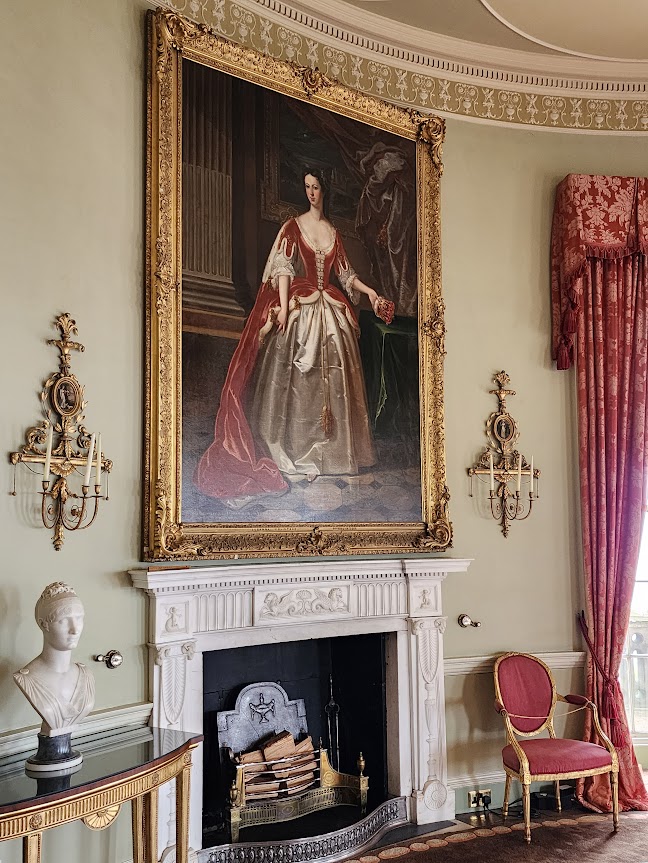
A graceful lady, Susanna, Countess of Eglington in the Culzean Castle Round Drawing Room

Twa Dogs 1–Caesar

Twa Dogs 2–Luath

The Meeting of Burns and Captain francis Gros, by Robert Scott Lauder (1789)

Twa Dogs bench

Culzean Castle Entrance and Armory

Painting of Culzean Castle, but no identification card

Scottish words in the Burns cottage

The Birth of Burns, by James Fillans (1836)

The Haggis Feast, by Alexander Fraser (ca. 1840)

Dunure castle from the inside, looking down on the kitchen?

Dunure Castle

Dunure Castle, closer up

Dunure Castle and walls

Culzean Castle up-close

The Electric Brae explanation stone

Culzean Castle LIbrary/reading room

Culzean Castle dressing room

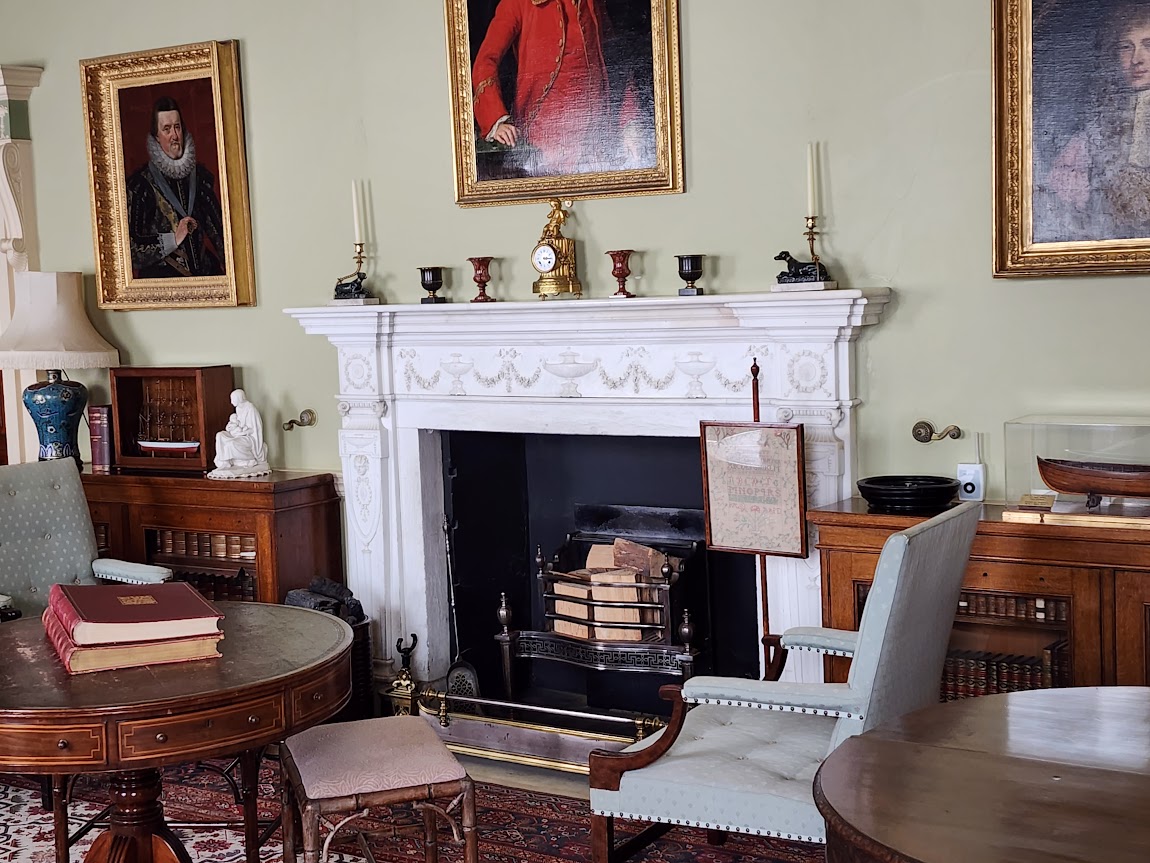
Culzean Castle parlor

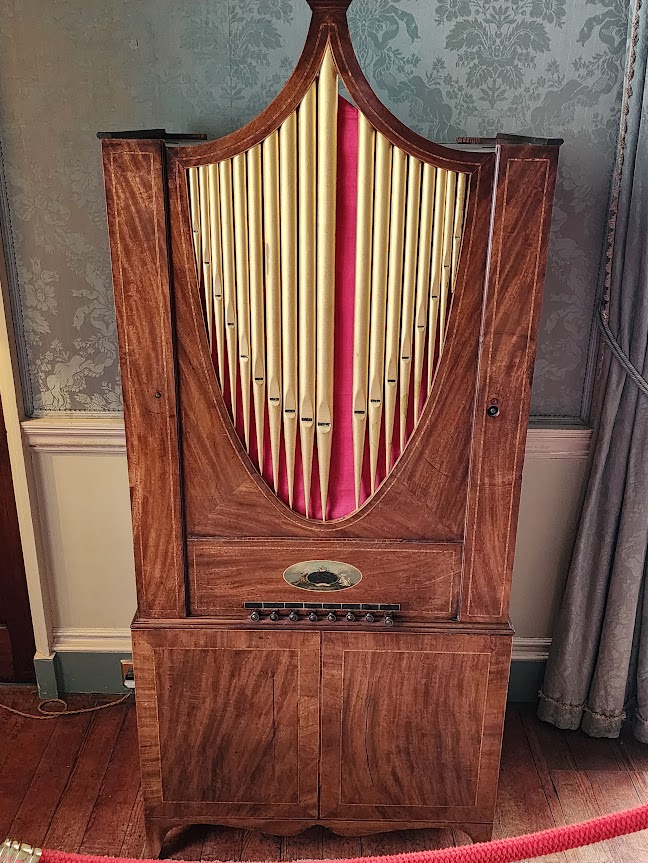
Culzean Castle pipe organ?

Culzean Castle Long Drawing room

Culzean Castle nursery

Culzean Castle kitchen

A Canaletto of Venice (I think) in the Blue Drawing Room

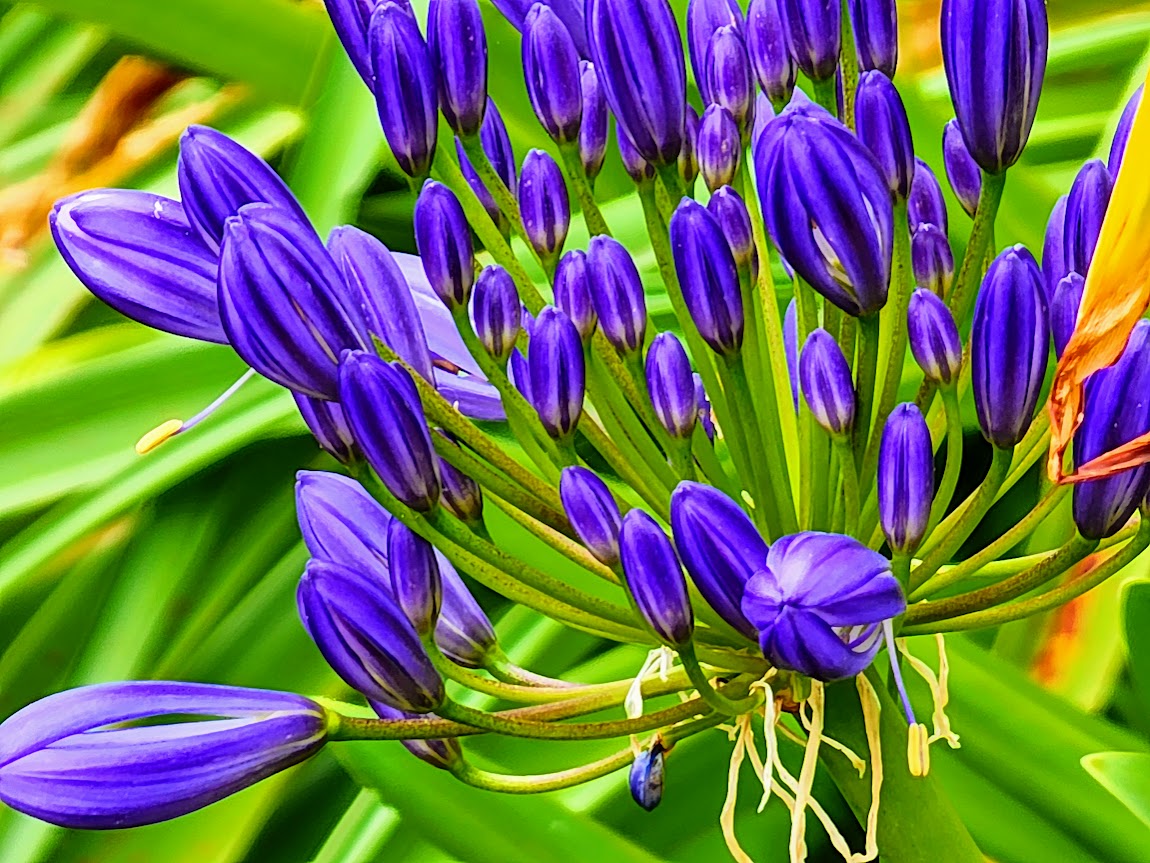
A purple flower in the garden at Culzean Castle

Culzean Castle grounds

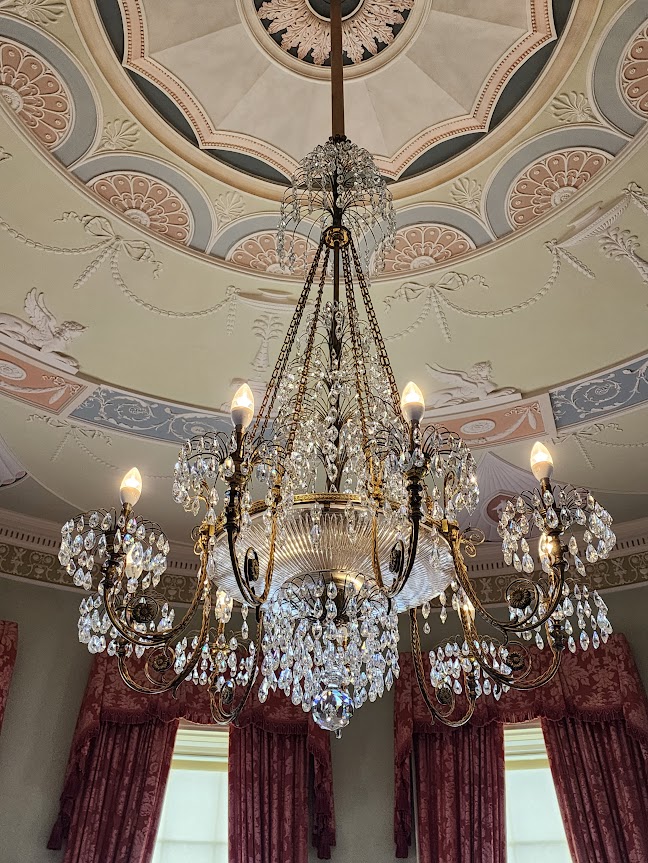
Culzean Castle chandelier in the round drawing room

Culzean Castle walls

Culzean Castle day room

Culzean Castle grounds–I can’t remember if this is the gardener’s shed or the smoke house. It sort of seems like it would be a smoke house.

Culzean Castle State Bedroom

Culzean Castle State Bedroom fireplace

Robert Burns’ cottage kitchen

Robert Burns cottage dining room

Auld Rabbie Burns statue

Robert Burns’ cottage wall

Robert Burns cottage household activities room

Entrance to all grounds of Culzean Castle

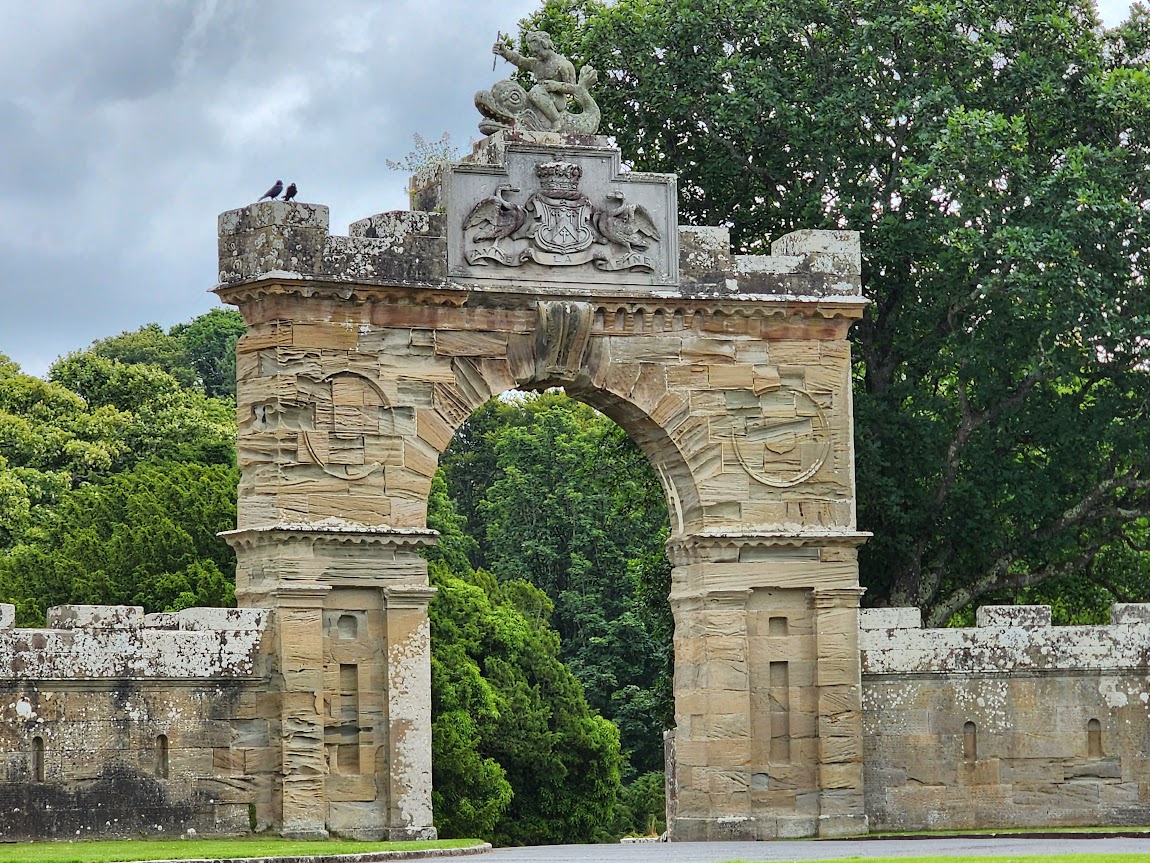
The Ruined Arch to the viaduct to Culzean Castle

Ayreshire Coast/ Irish Sea

The Christening dresses of the Burns’ family in the “bedroom”

Outside of the Burns cottage

Some bawdy fun advice for men

Silver Rain Was Falling Down Upon the Dirty Ground of London Town*

Virginia Woolf said, “The streets of London have their map, but our passions are uncharted.  What are you going to meet if you turn this corner?” I will tell you what I met:  a new friend.  What I mean is, I felt like I fit in right away. London may have been a city for 2000 years, but to me it was all brand new, and seeing it for the first time is like when you’re 16, and you see a handsome boy and know that you are intrigued.

London intrigued me as soon as I stepped off the train from Edinburgh into King’s Cross St. Pancras Station, where a woman was singing opera to the backdrop of a piano right there in the terminal.

I caught the Tube to Victoria Station.  It was hot, the air stale as bad breath, and so many bodies packed on the subway train I wondered how they could all fit.  A person tripped over my bag and then apologized to me with a very curt, British “Sorry!” and then ignored me as I mumbled “No worries!” I had about six stops to go, and enjoyed the voice-over announcements telling me to “mind the gap.”  A couple of stops after I got on, a middle-aged American couple boarded, the woman looking rather pained and nervous, and her husband a bit aggrieved.  She kept saying, “I don’t think this is the right train,” and he kept replying, “Maybe you’re right.”

So one ugly American to another, I said, “Where are you going?”

“We want to go to Victoria Station.”

“Oh, but you’re fine then.  This train goes to Victoria Station.”

“Are you sure?”

Reader, I wasn’t sure initially which is why I missed the first train that got to the track as I did, but there was a very convenient listing of the stops on the wall tile after the train departed, so I knew that the second train I boarded was going in the right direction.

“Oh, yes, quite sure.”

“Thank you so much. Everything is so confusing here.”

When we arrived at Victoria Station, everyone piled off the train and made their way out into the late afternoon.  Google’s map directions bewildered me a little bit, but I wandered the way it suggested, and I managed to get to my AirBnB, a single room in an apartment about 10 minutes away.  The room was nothing special, but the bed was so much better than where I was staying in Edinburgh, so I was perfectly comfortable.  I thought about going out for dinner, but the truth was, the first class coach on the train down from Scotland fed us a chalkwater trout supper with broccolini and couscous (free!), plus an apple tart, so I wasn’t overly hungry.  But I was tired after teaching and travel, so I settled down into my room and read for a few hours.

The next day, I had great plans to wake up early to go exploring, but instead I slept in. (Traveling always takes it out of me.)

I made my way to the Victoria Coach Station to catch a 1:00 bus tour around the city which would culminate in a cream tea service at Harrod’s.  I arrived at the station, and waited patiently to be called to my bus, but even though the sign said “Afternoon Tea Tour” the people managing the tour called it a “Vintage Tour” so I never got on and they left without me!  I had asked twice at the gate if this was the tea tour and was told, “No, you must be thinking of another company.”  But I insisted it was a Premier Tour (she was wearing a Premier Tours outfit) and she just blew me off—even though I saw an old-fashioned double-decker bus out in the lot.  What was I supposed to do?  I called the tour company and complained.

The lady on the other side of the phone was very British, efficient and helpful.  She put me on hold and I waited.  Eventually she told me that if I made my way to Buckingham Palace by 1:45, I could pick up the tour there.  It was 1:25.

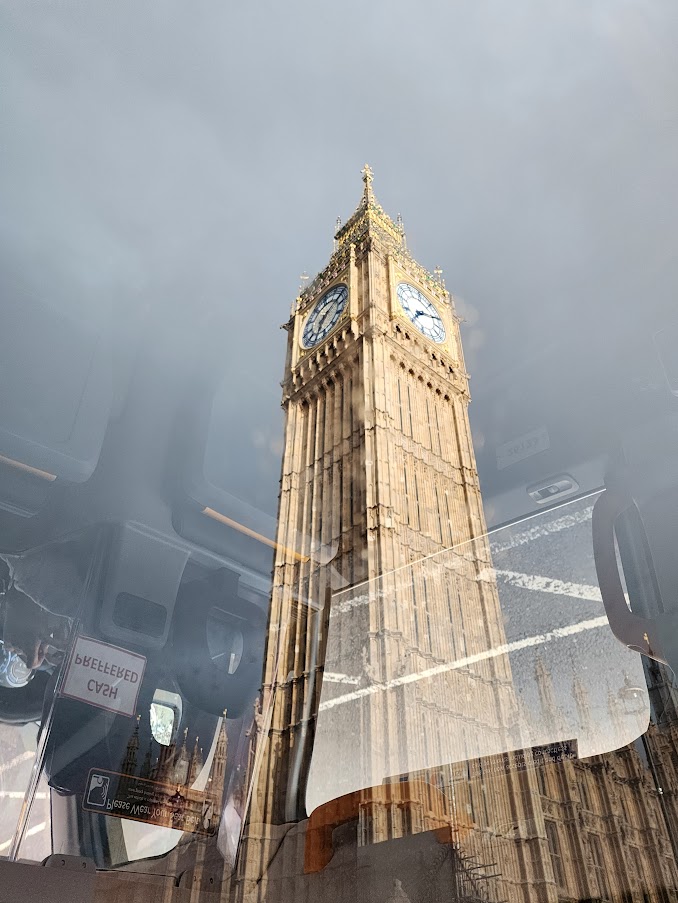
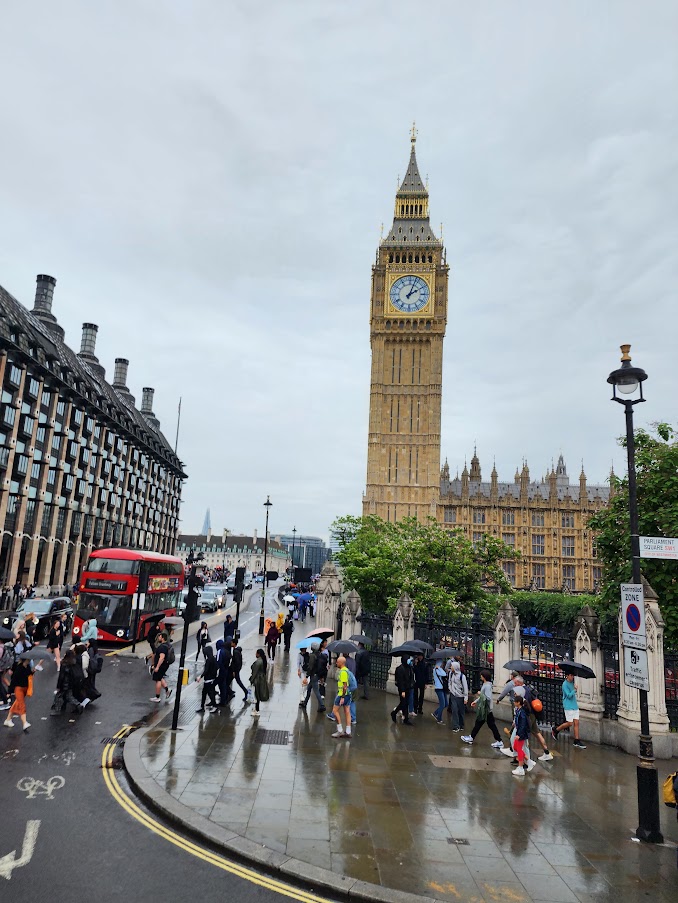
Big Ben from inside a taxi

I raced to Buckingham Palace, after walking three blocks the wrong way.  I saw the same bus parked at the curb, and some people I had seen at the bus station so I knew I was in the right place—but I was also annoyed that I had received bad information from the woman at the gate and had missed a good bit of the tour.  Still, once there, I happily climbed up to the top so I could see the sights a little better, even though it was drizzly.  (Of course I was wearing my “mac.”)

A lion at Trafalgar Square

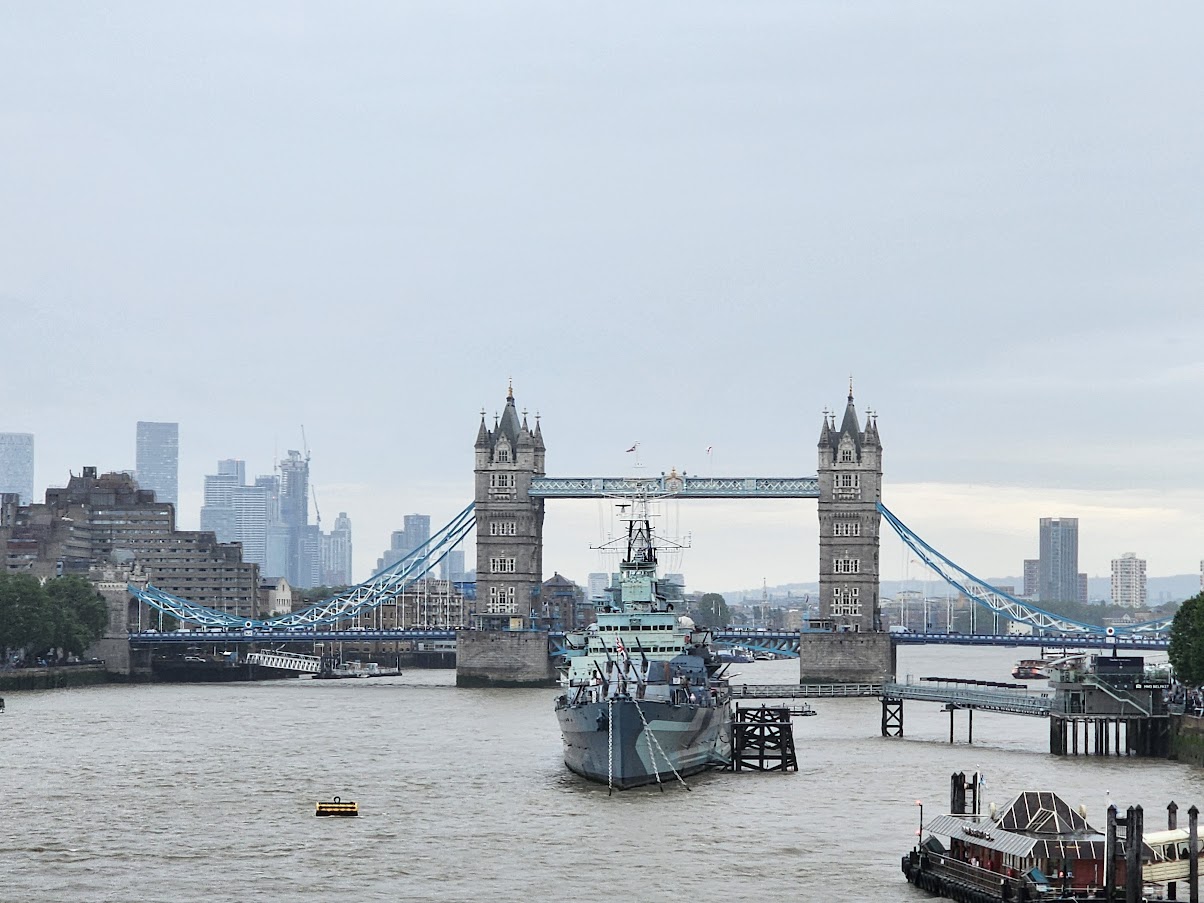
London did not disappoint, despite the rain.  I saw places that I’d only seen in films, but places I had always wanted to see in real life.  There was Trafalgar Square, and Piccadilly Circus, and the Houses of Parliament and Big Ben.  There was the Thames and London Bridge and the Tower Bridge and the Tower of London.  We got off our bus at the Tower of London, and by then I was soaked through because the rain had grown serious, but I did not mind.  I was in London!

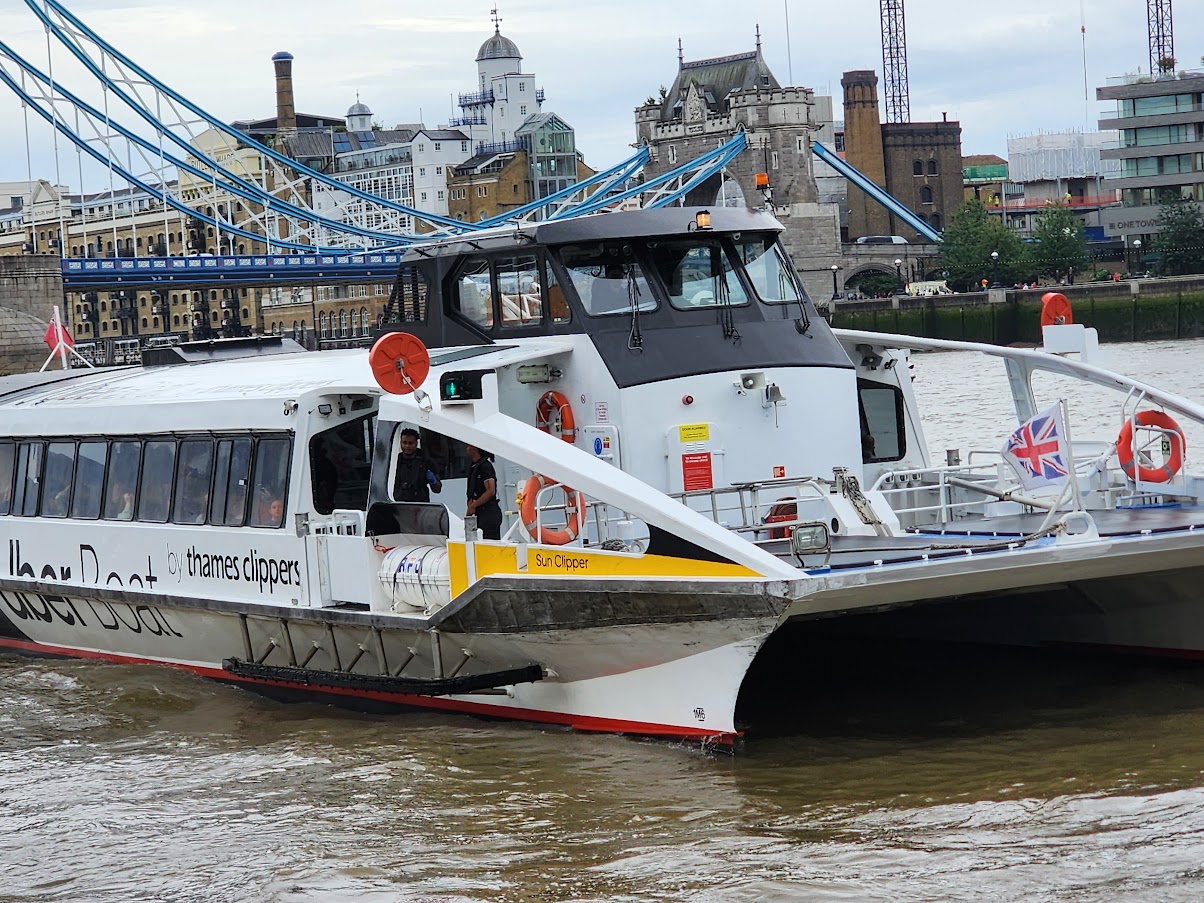
Our Thames river boat

The next part of the tour included a boat ride on the Thames for about 30 minutes, where we went under many of the cities bridges, including the Tower Bridge, the London Bridge, the Westminster Bridge, and the Millenium Bridge.  I enjoyed the boat ride a lot and the guide was very knowledgeable about various sights and offered suggestions of places to eat, and places to avoid because of pickpockets.  We all disembarked at the London Eye where several people were going, while a few of the rest of us waited again for the tour bus to pick us up to take us to Harrods.

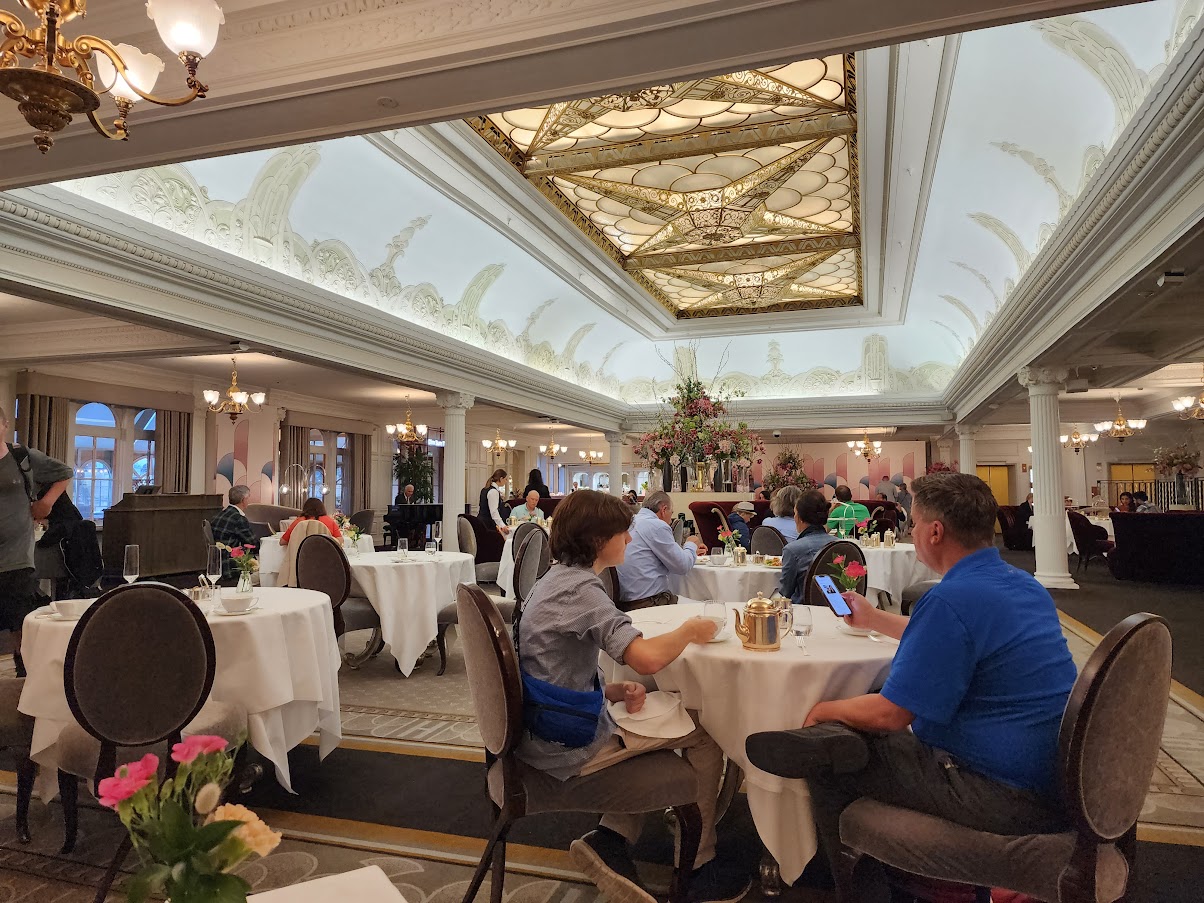
Harrods table service

Harrods Tea Room

Meanwhile, I kept glancing at my watch because the tour was only supposed to go to 4, and it was already 4:35, and I was worried that the cream tea at Harrods would make it difficult to get back to the room to change for the theater which I had plans for later that evening. Traffic was awful, with the rain, and had been so earlier, which is why we were running so late.  When we finally got to Harrods Tea Room, it was 5:20, and all I could think was “Curtain’s at 7:30!  Curtain’s at 7:30!”  But I knew that I had to adjust my plans, and enjoyed a beautiful afternoon tea of 2 scones (one fruit, one plain), and raspberry and cherry jam, and homemade butter (which may supposed to have been clotted cream but it had turned to butter), and tea with milk and sugar, and a glass of Prosecco.  I enjoyed every sip and bite in elegant surroundings, with heavy damask drapes and beautiful, heavy utensils and bright, shiny tea service.  The piano player played songs by Wham and Queen as I tucked into my tea.  And even though I was worried about being late to the theater, I decided to just savor my meal and not worry so much.

Wyndham’s Theatre featuring Oklahoma!

It was a little after 6 when I left the tea room and made my way back out to the street.  I would have loved to have looked around Harrods, and would have had the time had our tour not run so late, but I did get to pass through the jewelry department and was enchanted with all the ice.  And fortunately, there were taxis right outside.  I had to wait behind an entourage of  six beautiful Middle Eastern women, who looked as though they had bought out the store, but I caught a taxi to the Wyndham’s Theatre in the West End and we poked through traffic, finally arriving at 10 to 7.

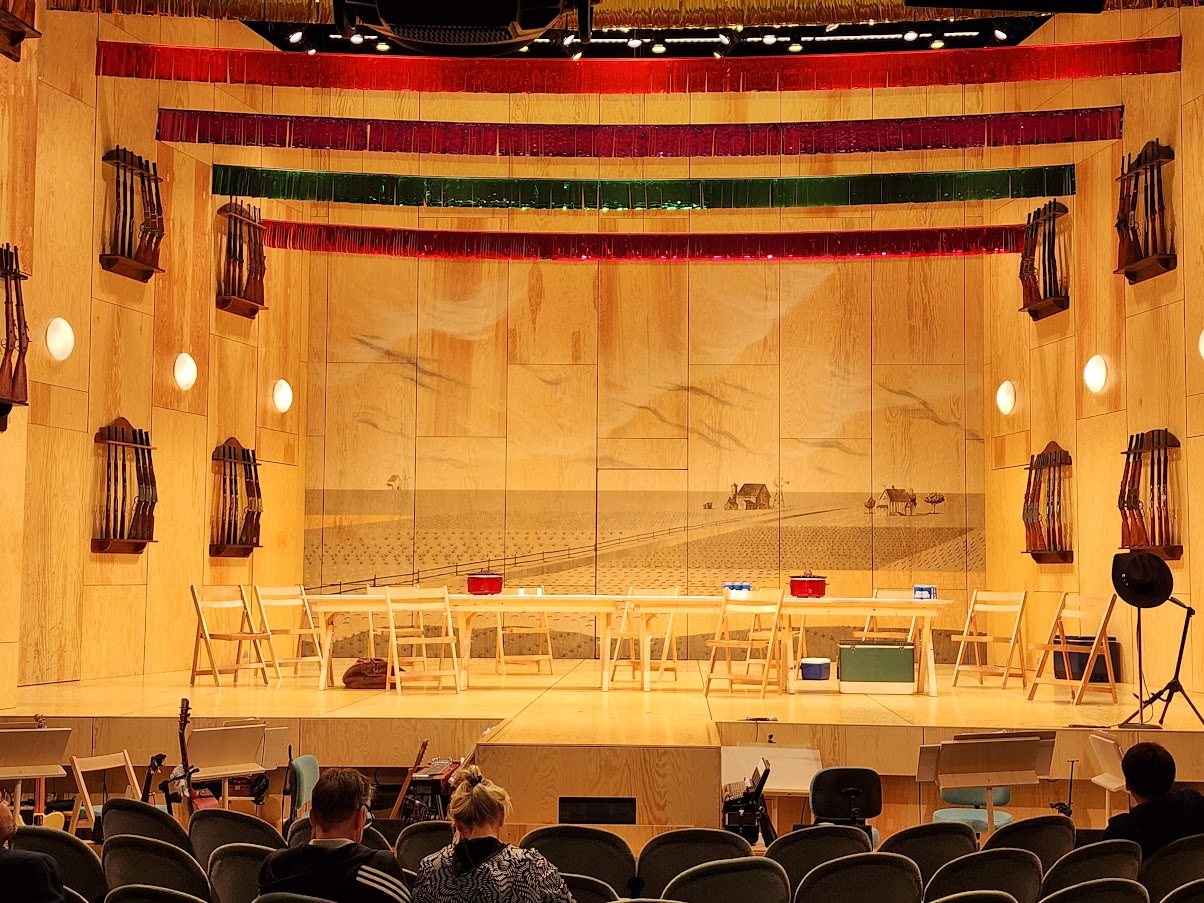
Wyndham’s Theatre stage

It was Oklahoma! like I’d never seen it. The reviews called it “sexy.” The theater itself was cozy and small, and the stage was a simple set up of chairs and tables and Curly began to sing “Oh! What a Beautiful Mornin’” on his own guitar.  He sang beautifully, even if his guitar playing was only so-so,  Of course, when I had bought the tickets back in April, I thought I was going to see Arthur Darvill play Curly—I had loved him on Legends of Tomorrow, and he was the only good thing about stinking Amy Pond on Doctor Who, so I was a little disappointed that the character had been recast, but the actor who played him, Sam Palladio, was great.  And Laurey was great.  But it was a weird staging, especially with the “Dream Ballet” which included a filmed section of the dancer’s face, I suppose imagining Laurey’s life if she were to be with Jud, and  the scene in the smokehouse, pitch black, and then a filmed section of Jud’s face, as “Pore Jud is Daid” is sung.  And then at the end, when Curly kills Jud, it’s not by stabbing but by gun, and I mean the stunt blood went everywhere, all over Curly’s suit and Laurey’s wedding dress.  It was a little gratuitous.  But overall, the songs were wonderful and I really had a good time. I had a really good seat too—row J, seat 14, right in the middle (but also, on the aisle, because there’s a break in the seating).
I caught a cab home (like the earlier cab to the theater, this one was pricey), and fell asleep almost right away.  I wanted to be refreshed for my plans for the next morning—the British Museum.

I trekked back over to Victoria Station, after getting an iced latte from Café Nero, taking a different walk from the one I had done previously, and caught the 18 bus to Museum Street.  A lady got on the bus after me and asked me if this was the bus to the museum, and I said yes.  (I must look approachable, since other people in London were asking me for directions!)  When we got off the bus, she got out Google maps and we walked together to the entrance to the museum—where the queue was huge but fast moving, especially because we both already had our tickets.  When I got inside, it was overwhelming.  And I was starving, not having had anything to eat since the cream tea the afternoon before.  I went to the British Museum’s pizzeria and got a pizza with mushrooms, artichoke hearts, and onions.  The bread was very good—chewy but well-baked.  The sauce and cheese disappointed me a bit but beggars can’t be choosers and all that.

The British Museum

When I was done, I walked through Ancient Greece and then Ancient Egypt, which is what I really wanted to see, because I love me some mummies, but the building became so crowded I started to get claustrophobic.  I found an upper gallery with new acquisitions and gazed at a map of Venice from 1500 for a while, then I wandered around and looked at the collection and then called Mom for half an hour.  By then I had calmed down a bit, and made my way through some of the China exhibit, and then I went to the gift shop and outside into the windy, sprinkly London air.  I could have looked at more art, but I really felt oppressed by all the bodies visiting the exhibits, so I figure if I go back to London some day, I will go see different rooms.  I took the 18 bus back to the station, and went to the room for a refreshing nap.

Inside the Barbican Theatre

Of course, I didn’t plan to nap as long as I did; I had intended on getting some dinner somewhere before I went to the Barbican Theatre to see A Strange Loop, but I overslept. Meanwhile, there were outages on the Tube; the Circle Line had seen some questionable behavior on the tracks (apparently, someone got down on the tracks for some reason?), and was running on a delay.  But “delay” is a polite word for “clusterfuck” because it got later and later and later, and no Circle line train ever appeared.  At 6:50, I left the Tube and went outside to find a cab, because it was clear that the train just wasn’t running, and I didn’t want to be late for curtain.  Fortunately, A Strange Loop started at 8.

£40 poorer, I arrived at the spectacular Barbican Centre.  I had seats up in one of the balconies, but ushers were trying to fill the orchestra seats, so I was given a “producer’s complimentary upgrade” to an orchestra seat.  Then I waited for the show to begin. Meanwhile they were playing terrific music on the overhead speakers, but Shazam couldn’t figure out any of the songs.  (Ugh.) I thought some of the songs might have been Liz Phair, but I wasn’t sure.  Anyway,  we were waiting and waiting and finally they announced there were technical difficulties, and the show would start late.  Like 8:30 late.  The show began with real energy and humor but in the end, it was not for me.  I found the singing wonderful, but what they were singing about was awful, hateful, depressing stuff, and the main character (who I also think was the writer?) was so degraded and humiliated as a plot device that the show was just painful to watch.  I kept waiting for intermission, because I was going to duck out and save myself, but there wasn’t any.  Also, I appeared to be the only person in the audience who hated the show—because everyone else gave it a standing O.  I wanted something light and happy and that was not was A Strange Loop was about.

When the show was over and I could make my escape, I looked for a taxi but unlike the night before, there weren’t any around.  I started walking, following the other theater-goers, feeling cold with the wind and a little sorry for myself, but remembering I had seen a Barbican Tube station, and hoping that if I went that way I could figure out how to get back to the apartment.  Fortunately, a taxi whipped by and stopped, and I was thrilled.

The driver, Johnnie, was curious about what I had seen, where I was from, and where I was going.  I told him about living in Atlanta and he butted in and said, “Pardon me, but I heard Atlanta was a shithole.”  I just laughed out loud because I did not expect such a comment.  I tried to enumerate some of Atlanta’s better qualities, but that’s hard to do when you live in a city you basically hate. (Sorry Atlantans!)  Anyway, the drive back was full of such pronouncements.  “Asshole tourists!” he cried when a bunch of drunks practically stepped out in front of him.  “Stupid maniac drivers!” he yelled when a bus dared get too close  “Get the fuck out of my way!” he yelled at a bicyclist. Then— “Ever been to San Francisco?”  “Yes,” I said.  He never stopped talking, and while I didn’t mind the “conversation,” I might have enjoyed the trip back a little more if I could just focus on the beautiful skyline, with the pinky-purple light of the London Eye at the center of it.

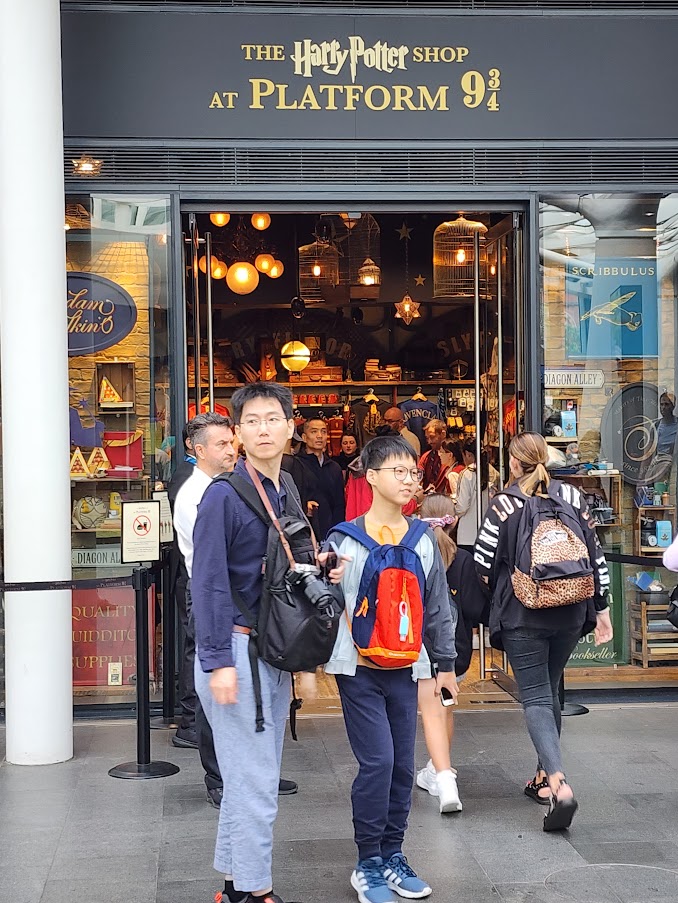
Harry Potter Store

The next morning I headed back to Edinburgh, but not before stopping for a falafel sandwich for breakfast and visiting the Harry Potter Store at Platform 9 ¾ which was right there in King’s Cross Station.  (Somehow I’d missed it when I was there before.)  There was a queue to get in, and the store, all things considered, was pretty small,  but there was some really cool stuff there.  If I had wanted to blow a lot of money, I could have, gearing myself up in Ravenclaw regalia.  But I satisfied myself with the one thing I wanted:  a Marauder’s Map scarf, which I can’t wait to wear when it’s scarf-weather again.  And then I got on my train (sadly, not a first class coach this time), and rode back to Edinburgh, with a golden retriever named Chilla in the seat across the aisle.

10/10 would definitely go again.

More Photos

Chilla the Doggo

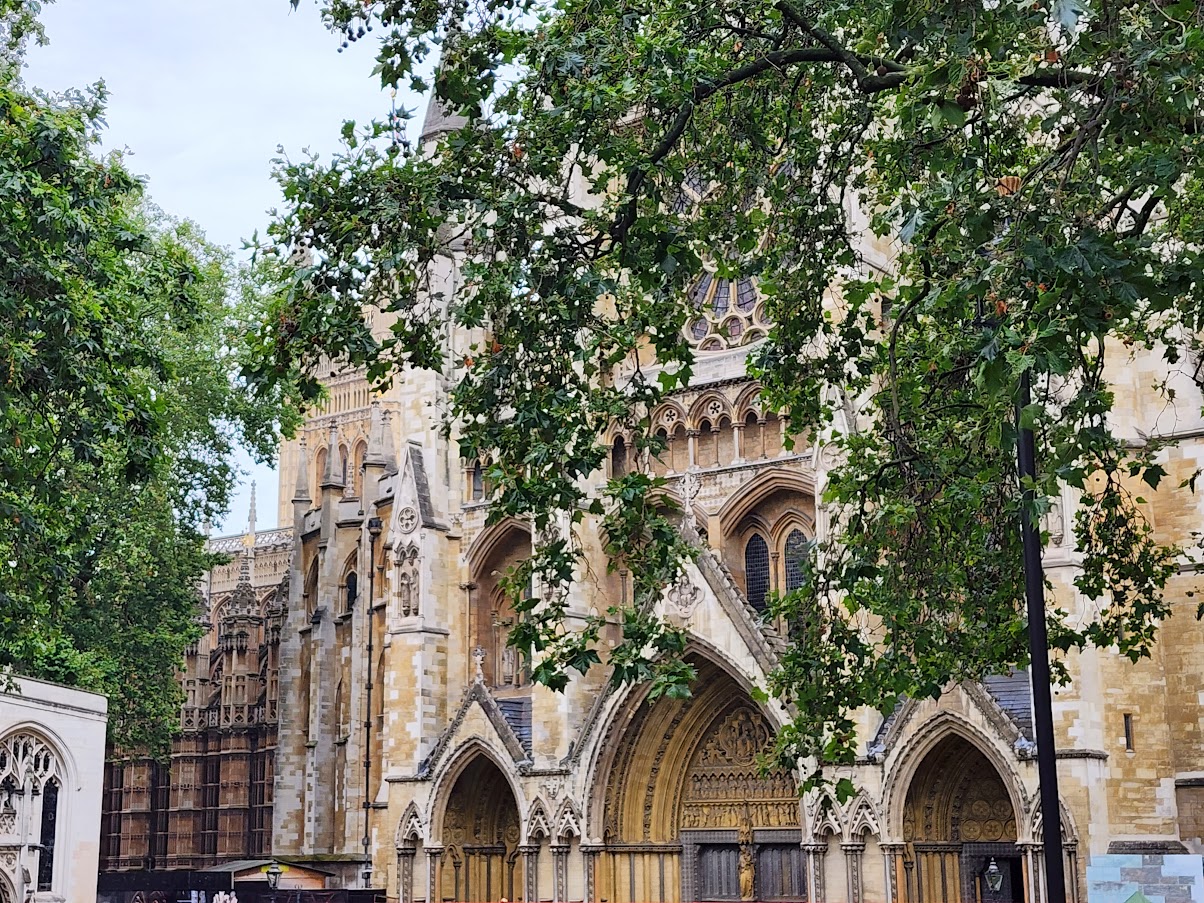
Westminster Abbey

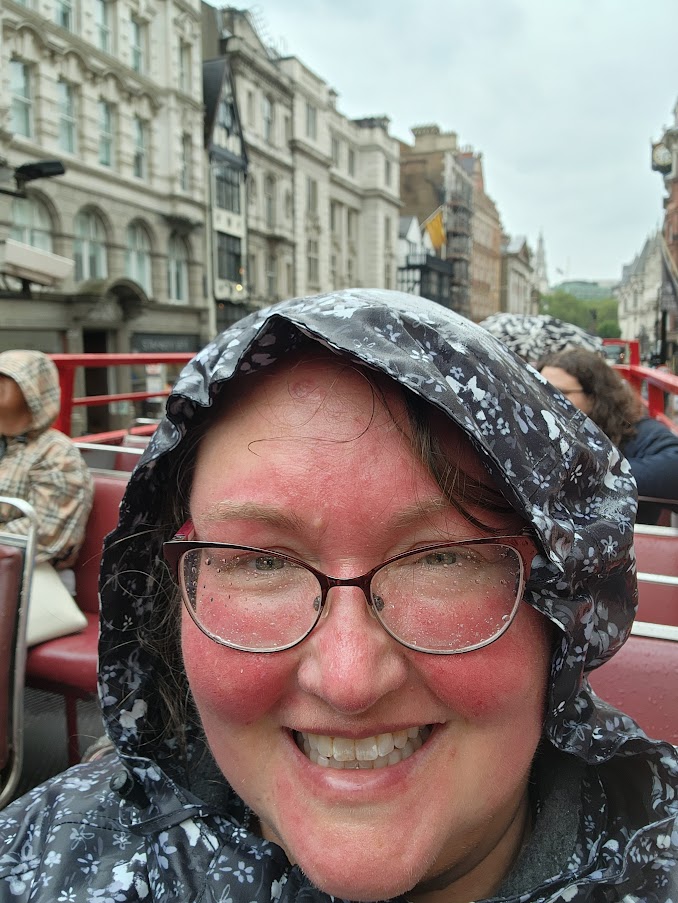
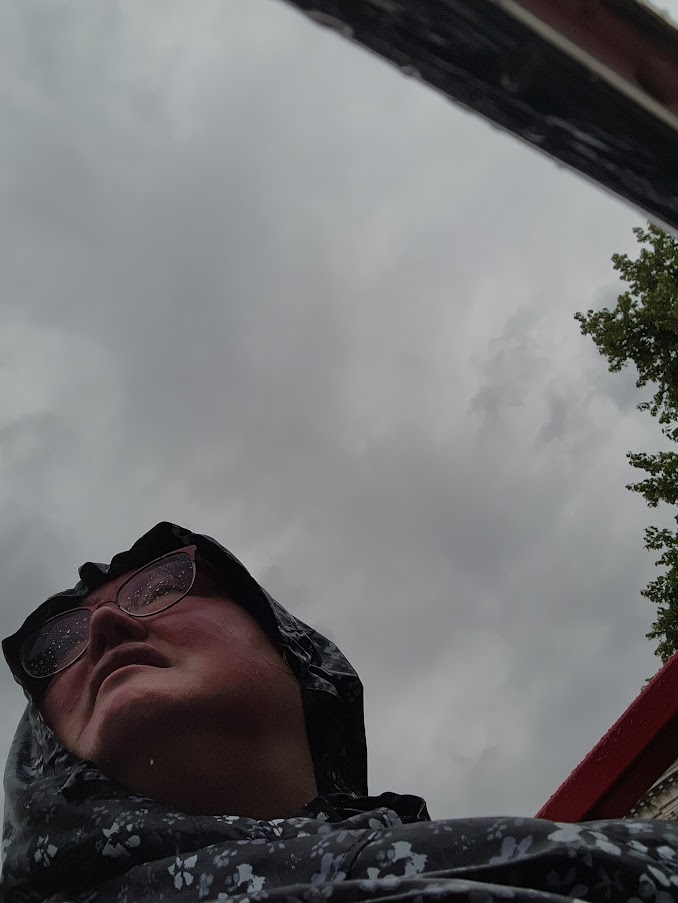
A very rained-on selfie

View of the Thames

Trafalgar Square

The Courts of Justice

Temple Inside the British Museum

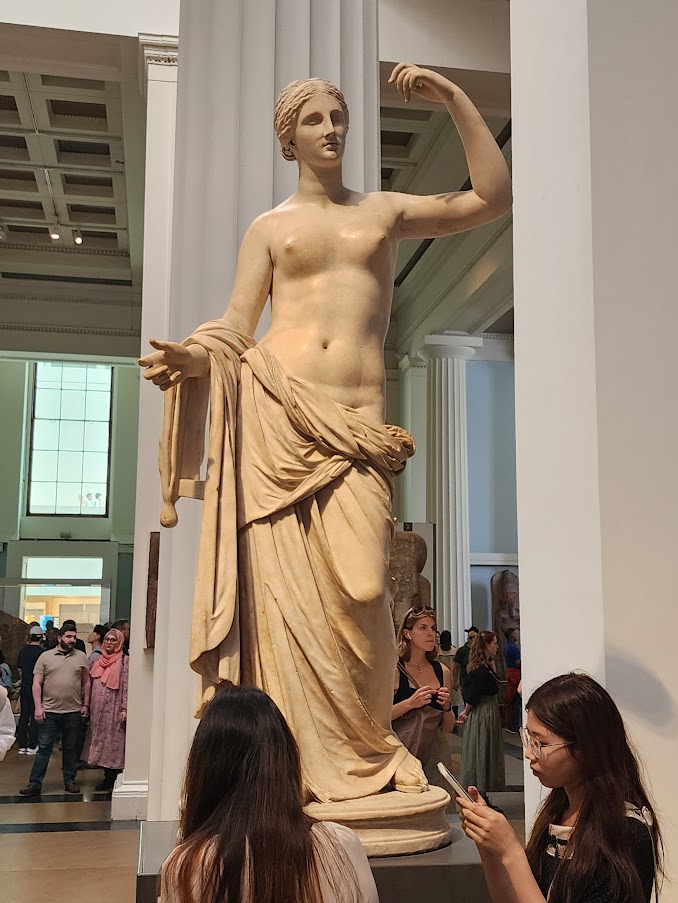
A random Greek lady

“Bohemian Rhapsody” on the piano is…interessting.

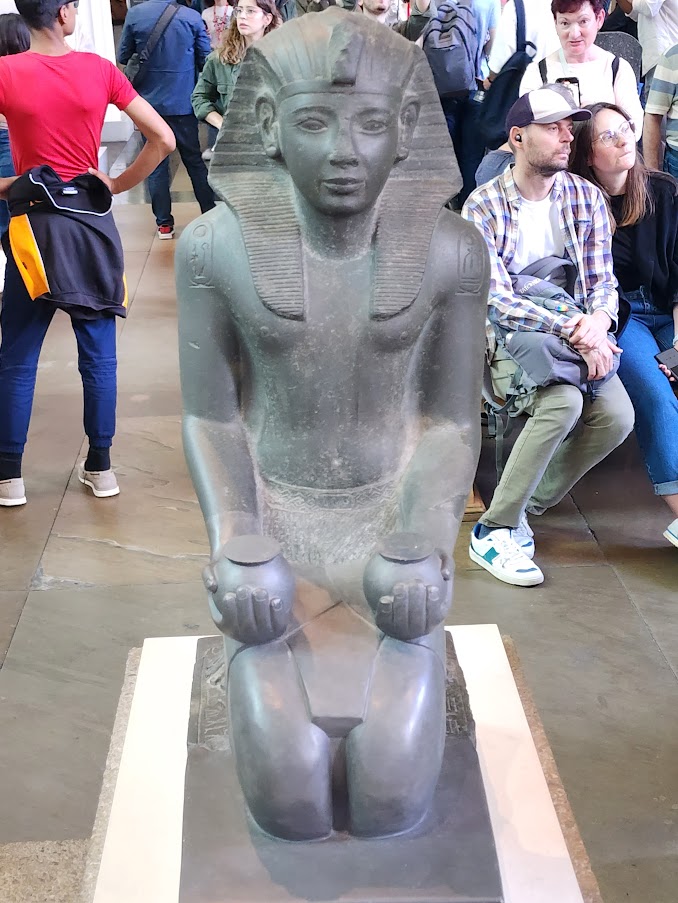
An Egyptian ram

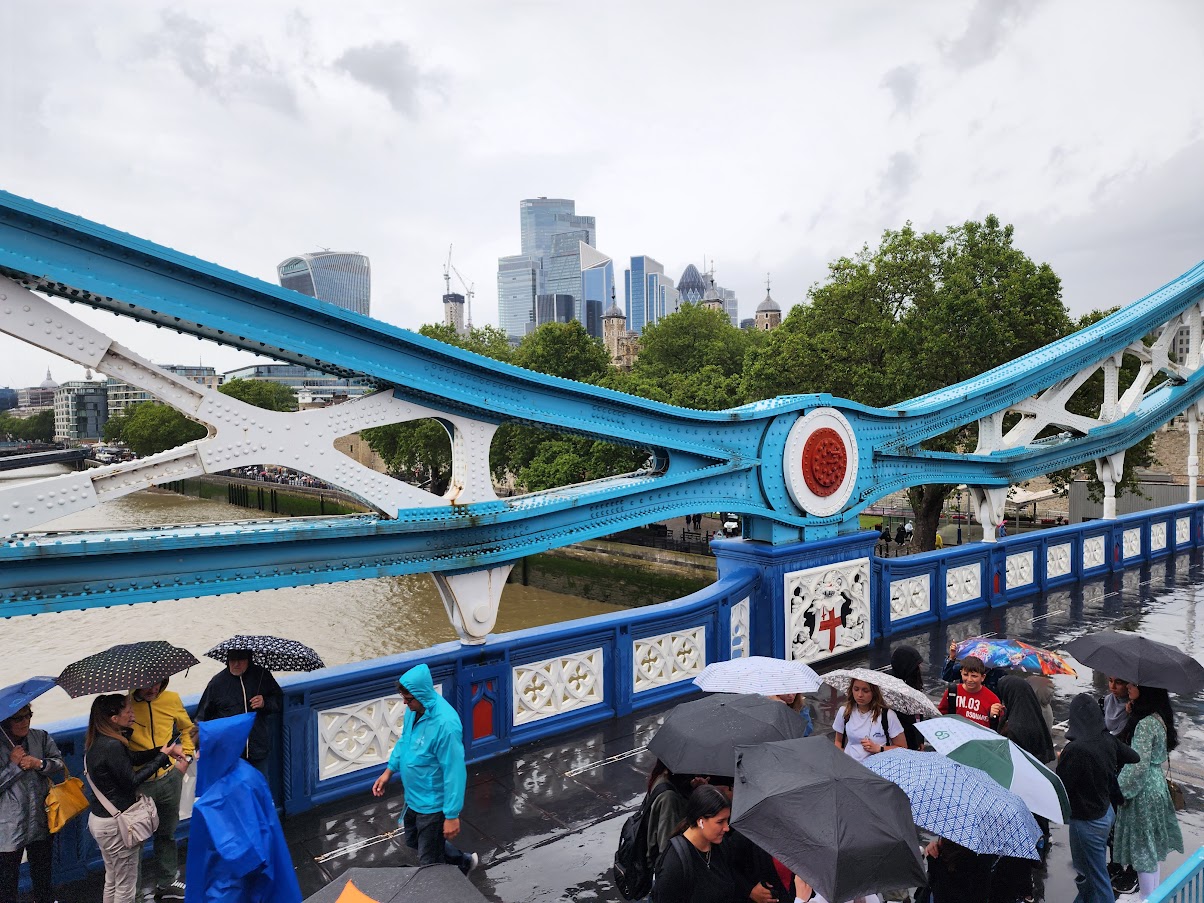
On the Tower Bridge

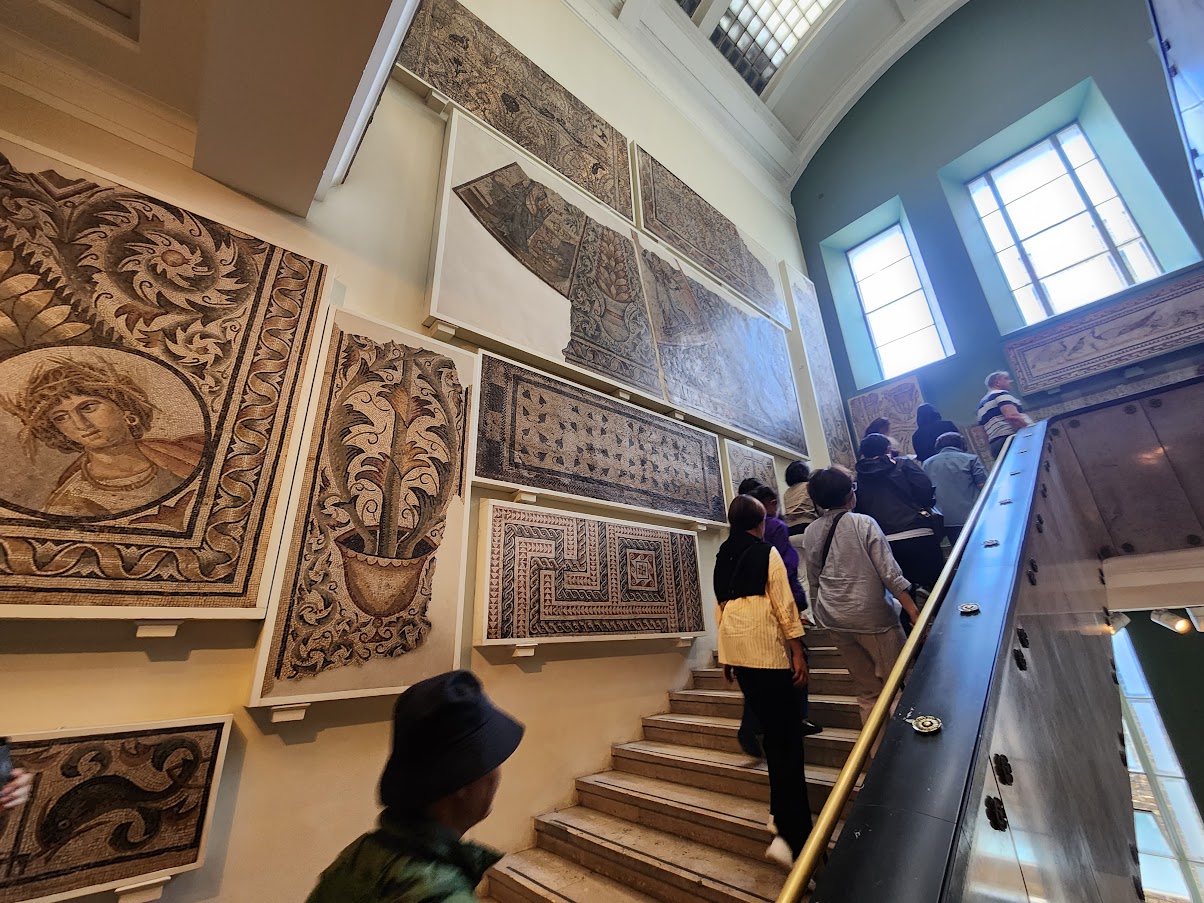
Mosaic wall in the British Museum

Going under London Bridge

London Bridge Hospital undergoing renovations

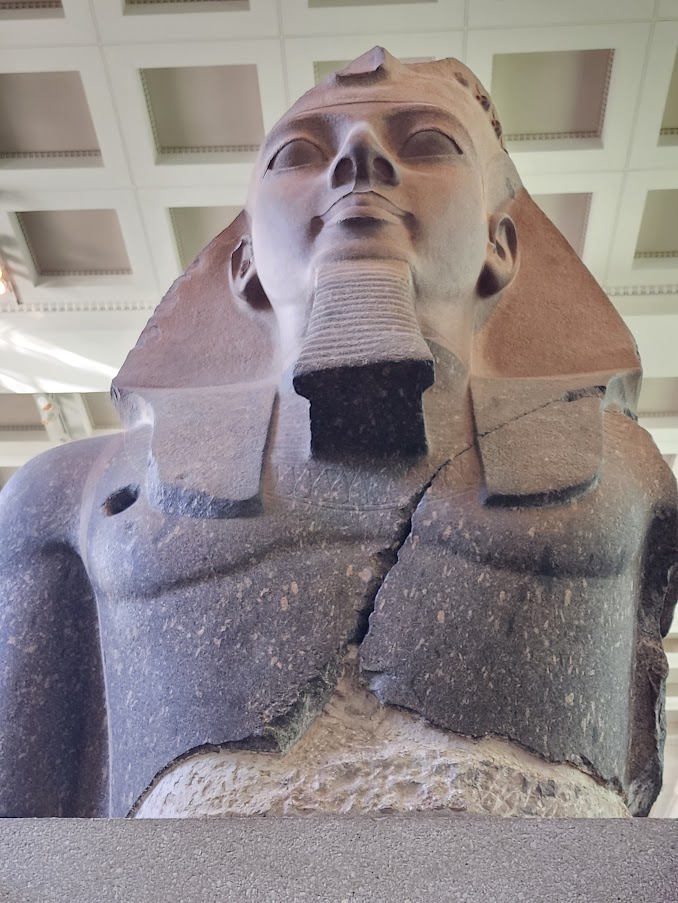
King Ramesses II

Large Chinese incense burner

View of the Globe Theatre from inside the boat

Big Ben

Inside the British Museum

Cat mummies at the British Museum

More cat mummies

British Museum courtyard

A Chinese decorated wall

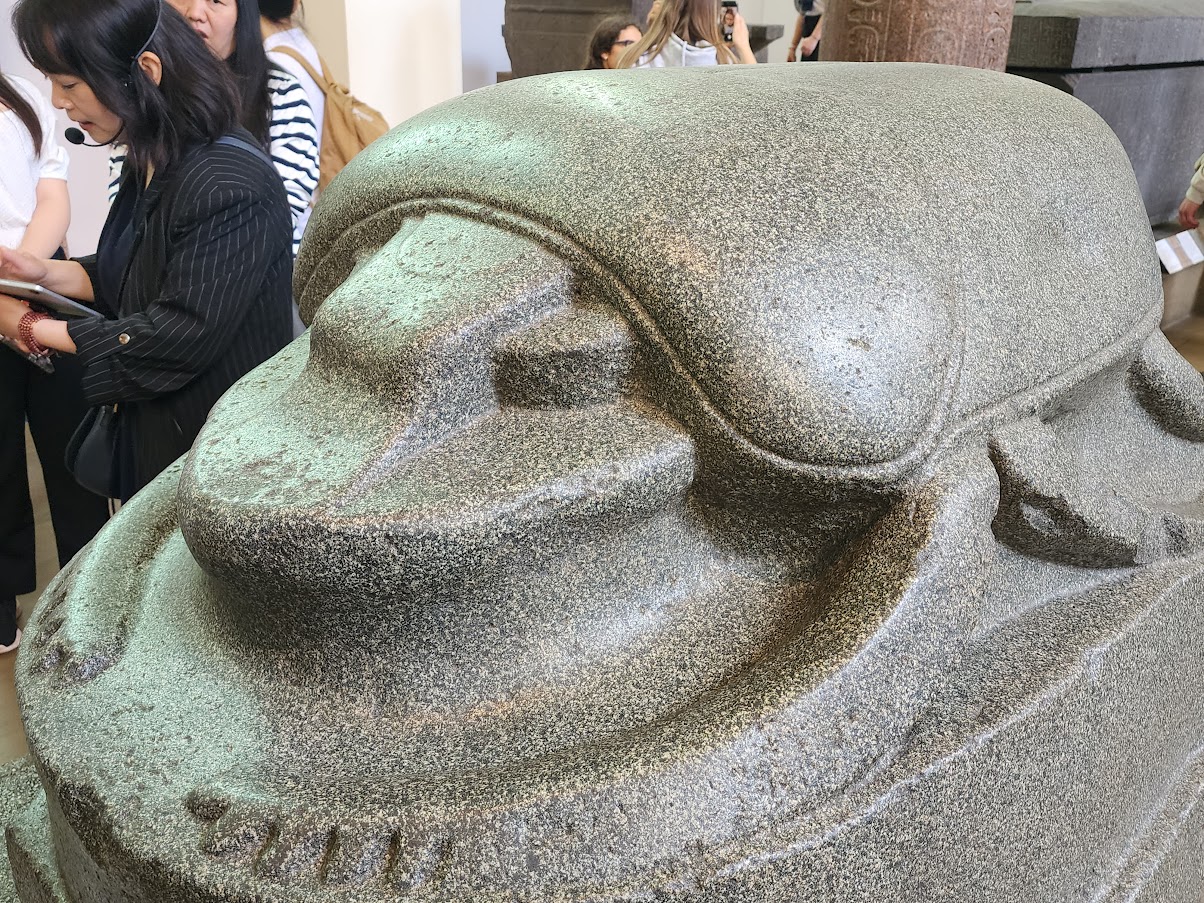
Colossal Scarab

Another view of the Colossal Scarab

Funerary statuettes

Greek redware urns

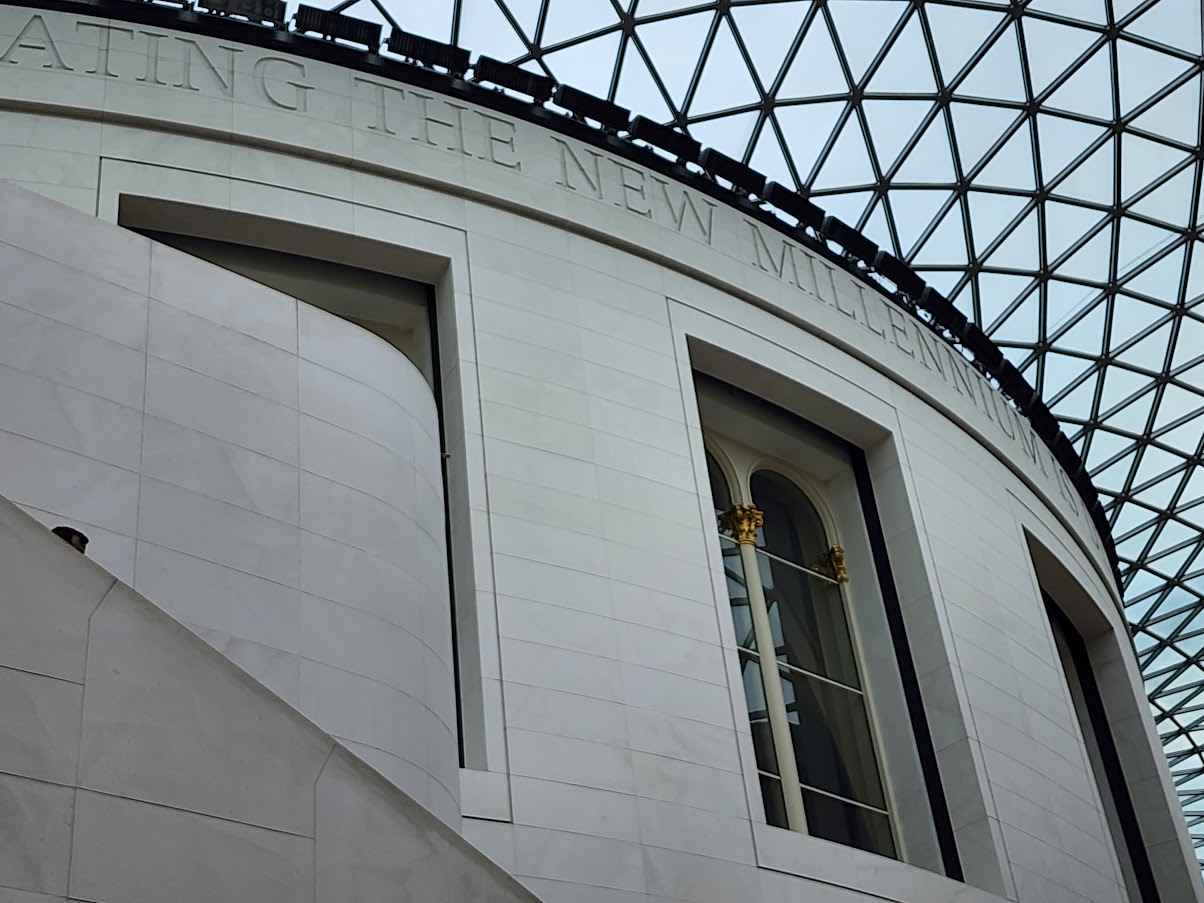
British Museum dome

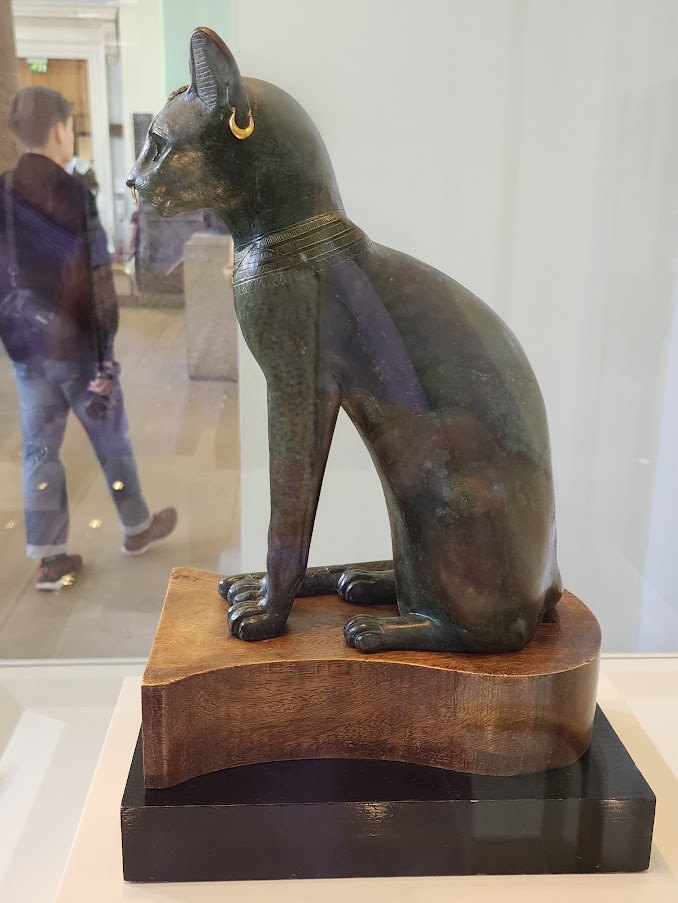
Egyptian cat figurine side view

Egyptian cat figurine front view

Egyptian statue

Egyptian statue

Across from the Tower of London

A cool clock I saw hanging off one of London’s buildings

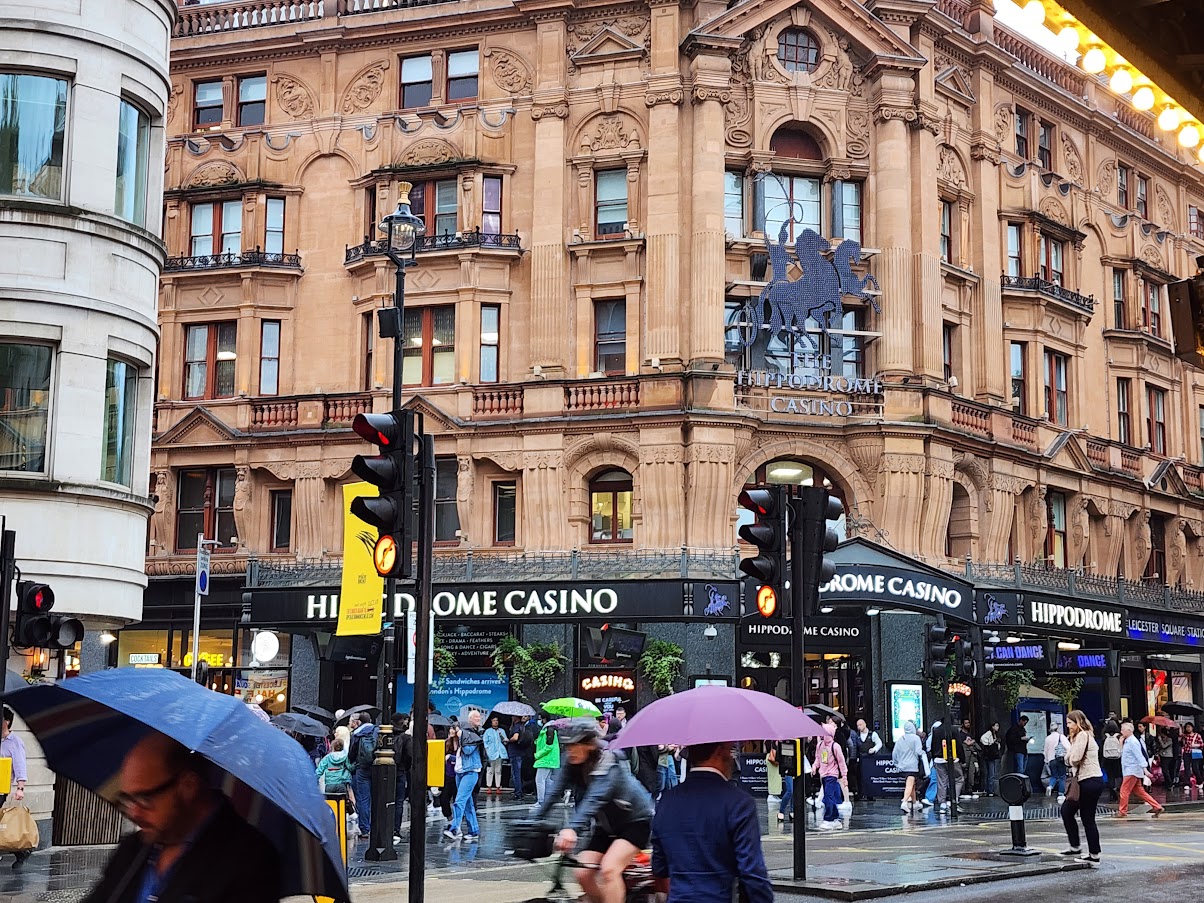
Across from Wyndham’s Theatre

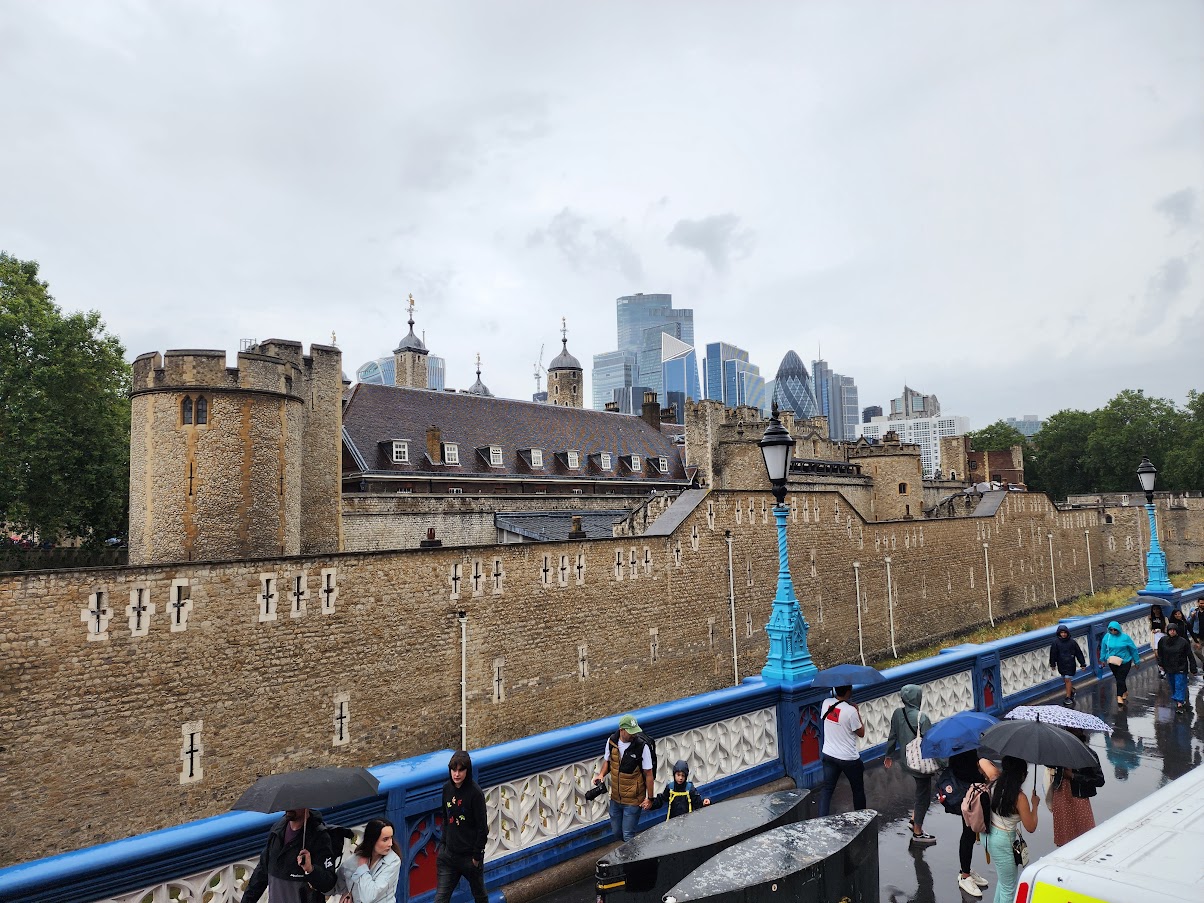
The Tower of London

The Tower of London

An accidental selfie

The Tower Bridge

The London Eye

The Tower Bridge

Queen Hathor

London’s Egg Building, aka “The Gherkin”

Amitabha Buddha

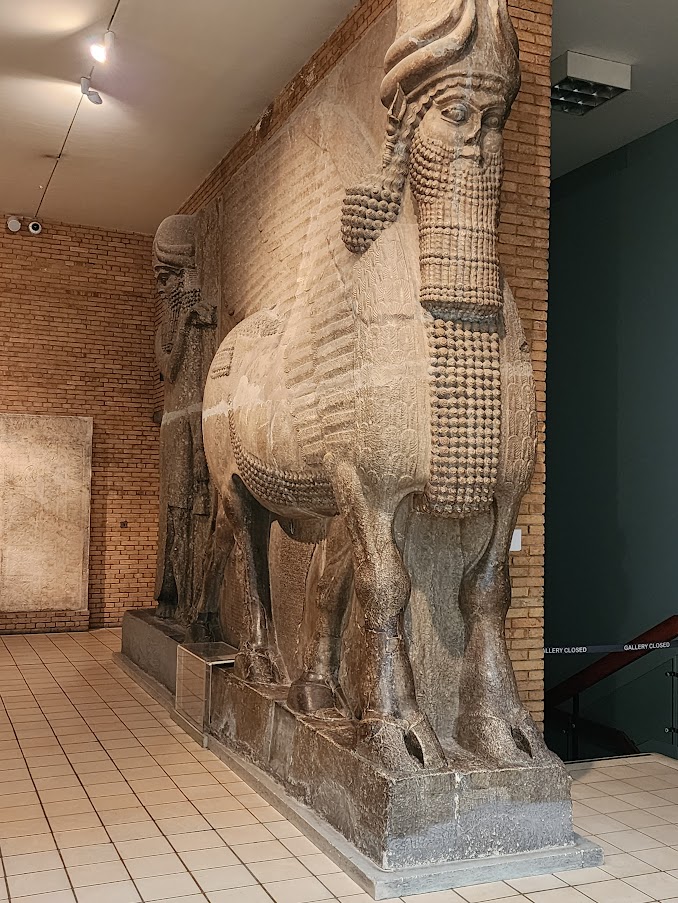
Khorsabad, the Palace of Sargon

Palm-leaf column of King Ramesses II

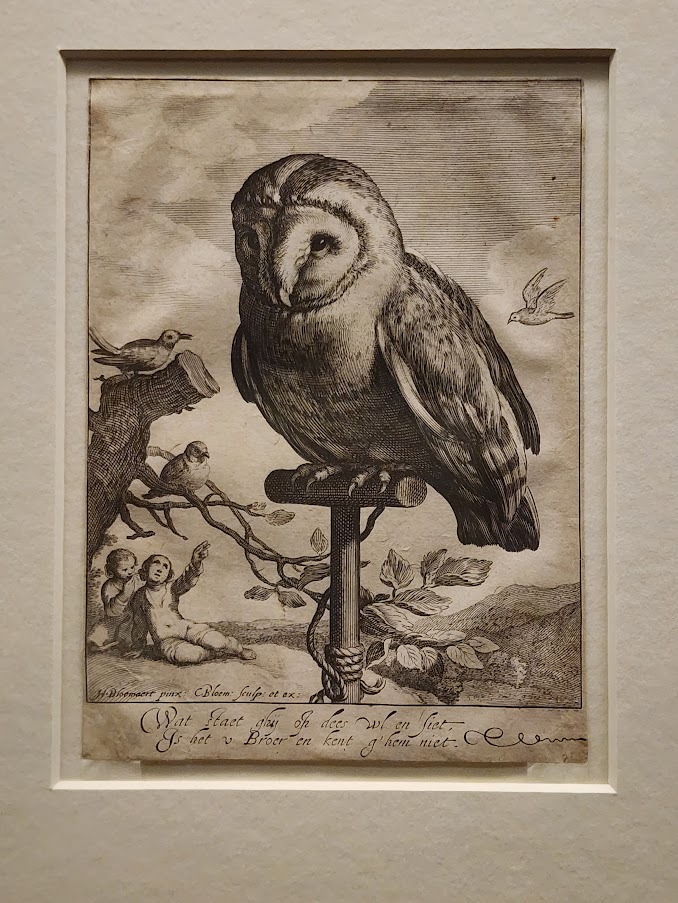
Cornelis Bloemaert, Owl on a Perch (1625)

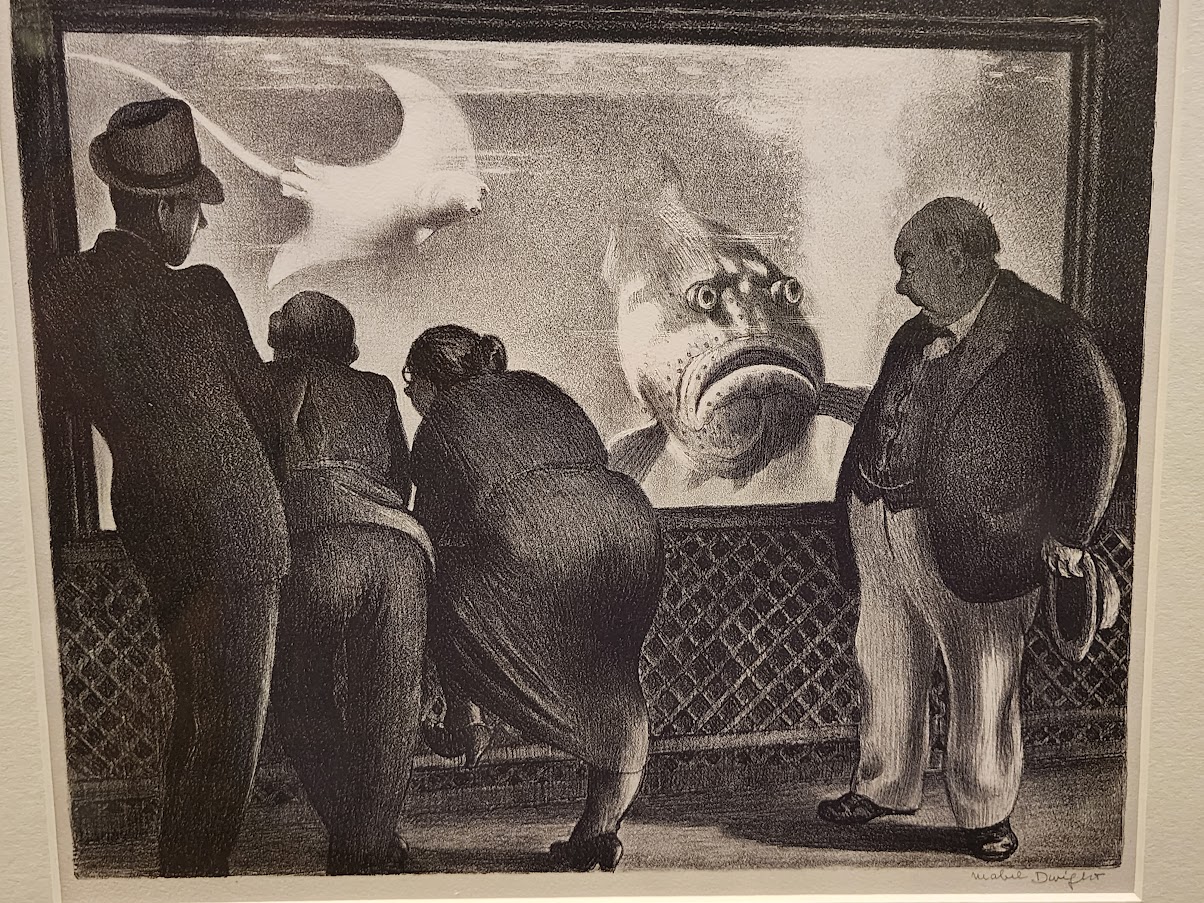
Mabel Dwight, Queer Fish (1936)

*Note:

The title of this blog post is a lyric from Paul McCartney & Wings’ song “London Town.”

Oh,Venice, Mi Manchi

Underneath day’s azure eyes,
Ocean’s nursling, Venice, lies—
A peopled labyrinth of walls,
Amphitrite’s destined halls,
Which her hoary sire now paves
With his blue and beaming waves.

—from P.B. Shelley’s “View from the Euganean Hills”

I’ve been dreaming about Venice off and on for the last several weeks (in between dreams about houses missing an outside wall, pun-offs with Bob Wood—not as funny as it sounds, btw—or reading books with weird languages in them).  It’s almost strange how Venice has crystallized into this mythic place in my mind—and I want so much to go back there, and enjoy it in a way I didn’t enjoy it two years ago.  Like I really want to get lost there for maybe 3 weeks—but this time, I’d have my phone and a good map and I’d be on my own time table, and so it would be a controlled “lost”—I could explore at my will, and learn the city at my own pace, and see all the art (that I didn’t see before), and find interesting little alleys (that I didn’t have to map in my notebook so I could find my way back out of them), and visit the churches and the gardens and the other islands and the shopping districts (that I had to skip).  I just didn’t have that time before.

(To wit:  think about how the first day I was there was a complete wash, stranded as I was in the airport; the second day, I stayed in bed trying to recover from the emotional trauma of first day as well as from jet lag, and I was completely money-less except for maybe like €3 [which I spent on 2 cans of ambrosia of the gods Lemon Fanta] because I needed to find a bank—so that was 2 days out of 6 down.  And then of course I was there for work, and I was on someone else’s schedule.)

By the end of that week, I was finally getting a feel for the city, and could make my way around with some autonomy—and then, hello, I had to leave.  But it was in those last couple of days that I fell in love with Venice and realized that there’s a Venice book in me (right?  all the writers who’ve been to Venice—Shakespeare, Henry James, the Romantics, plus gobs of others—fall in love with the city and thinks there’s a book in them about it), but I really need to get back in that milieu and absorb the rhythms and sounds and textures of the place to be able to write it.  Or at least to write it with some authenticity, with the flavor of presence, and not just the hazy taste of memory.

I want to experience some of the touristy things—like take a gondola ride or visit the Peggy Guggenheim museum—and drink Aperol in every bar, and walk until I’m so tired all I can do is stumble upon little out-of-the way cafes and write for a couple of hours before I’m ready to walk back home.  That would be my dream:  to go back there (not in high summer—maybe, February, when it’s cold and rainy, the off-season for cruise ships—such weather would not deter my enthusiasm at all) and write and write and write and eat and drink and write.  There’s a reason that staying in Venice was an expected stop on the Grand Tour for like centuries—because it’s a capital of culture (yes, yes, dead, white, male, upper class, Eurocentric culture—spare me the lecture), and putting yourself in that space, away from your home space, gives you a different perspective on the world.  Maybe not a big difference in perspective—it’s still Western, it still has wi-fi—but it certainly influences your thought patterns.  It’s certainly also influenced my writing—and I keep coming back to writing those little prose poem/ memoir hybrid pieces (like the one I was nominated for a Pushcart for).  I have a number of them.  I think there are more inside me though.  Another trip to Venice would coax them out, I bet… (Haha.)

Speaking of things (roundabout) Venetian, I have to go to AWP’s annual chaos of a conference at the end of the month in Los Angeles as part of my new duties for The Atlanta Review.  I do not look forward to the conference; it’s gargantuan, spread out over multiple hotels, full of 50,000 writers (and that’s not my usual hyperbole) rushing to panels and readings (and apparently, I’m reading too—so great, now I have to figure out what the hell to read)—but I hope that I can get out to Venice Beach (or Santa Monica) for a little bit of time.  I need to see the ocean up close and personal, because it’s been a while (at least 14 years since I’ve seen the Pacific).  And Venice Beach, for all the times I’ve visited, always amuses me.  It’s quirky and endearing and strange, and I dig that.  Again, like so much of my time in L.A. in past, I will be sans auto, so not sure how I’ll get out there.  And a $60 taxi ride wouldn’t be my first choice for transportation, much as I’d like to go… But I’ll figure that out when I get there.  Who knows, maybe I’ll write a few Venice Beach poems.  That could be interesting.
As for Venice, Italy, I’ll get back there some day.  My book will still be waiting for me to write it.

grand canal image 06.24.14

A picture I took, maybe of the Grand Canal (I can’t remember), June 24, 2014.