
Saturday the 14th was a soggy mess. All of Edinburgh had as many puddles as umbrellas and lots of damp, sour faces. But not mine. I thrive in the rain. I had lined up the Scottish Highlands Sail, Bike, or Trail Experience (all new for 2025), which would take me to see Loch Katrine, a place I have not been before. What? A place in the Highlands I have not yet seen? Could this be true? It was!
Surprisingly, I had the tour to myself. There were two other folks registered, but they canceled—probably because of the weather. That suited me just fine, because it gave me the chance to pick any seat on the bus I wanted, window or aisle. Also it was nice not to have to wait on stragglers who come to the bus late from outings. And also, I think it spoiled me a little, which was nice.

The Forth Rail Bridge in the rain
The tour began with a close-up of the red Forth Bridge that I had only seen from a distance before. The misty, dreich weather only enhanced its beauty, making it easy to imagine that I’d gone back in time and was seeing the bridge for the first time. There used to be a ferry from this point in South Queensferry over to Fife, to allow the pilgrims in St. Margaret’s time to travel (early 11th century; in fact, St. Margaret was the one who made the ferry free). But now there’s only this rail bridge, an icon of the late 19th century, considered one of Scotland’s greatest man-made wonders. Of course there are other bridges nearby, the 1964 bridge and the 2017 suspension bridge, but it’s the 1890 Forth bridge that has the allure and history, and is a World Heritage site.
The beauty of having a tour to oneself is that the tour guide can dispense with some of the cheesy patter and really only tell you things you want to know. I think it helped that I mentioned I’ve been on about a dozen Rabbie’s tours over the years and could practically tell all the Scottish jokes and history right along with the tour guide. He appreciated this comment, because he told me more tailored stories and we could talk about the sights with more depth. For instance, we talked about the making of the Kelpies and why they were situated on the little river where they stay (because that area was known for its iron works), and they were based on the Clydesdale horses that pulled the wagons that held the iron. He told me about the legend of the Kelpies too, but I already knew it. (In case you don’t know the Kelpies legend, they were demon horses that came out of the sea, so beautiful that anyone on the beach would feel compelled to touch or ride the horse. But, beware! As soon as one touched the horse, one would be stuck fast, and the horse would return to the water, dragging the hapless victim to his or her death.)
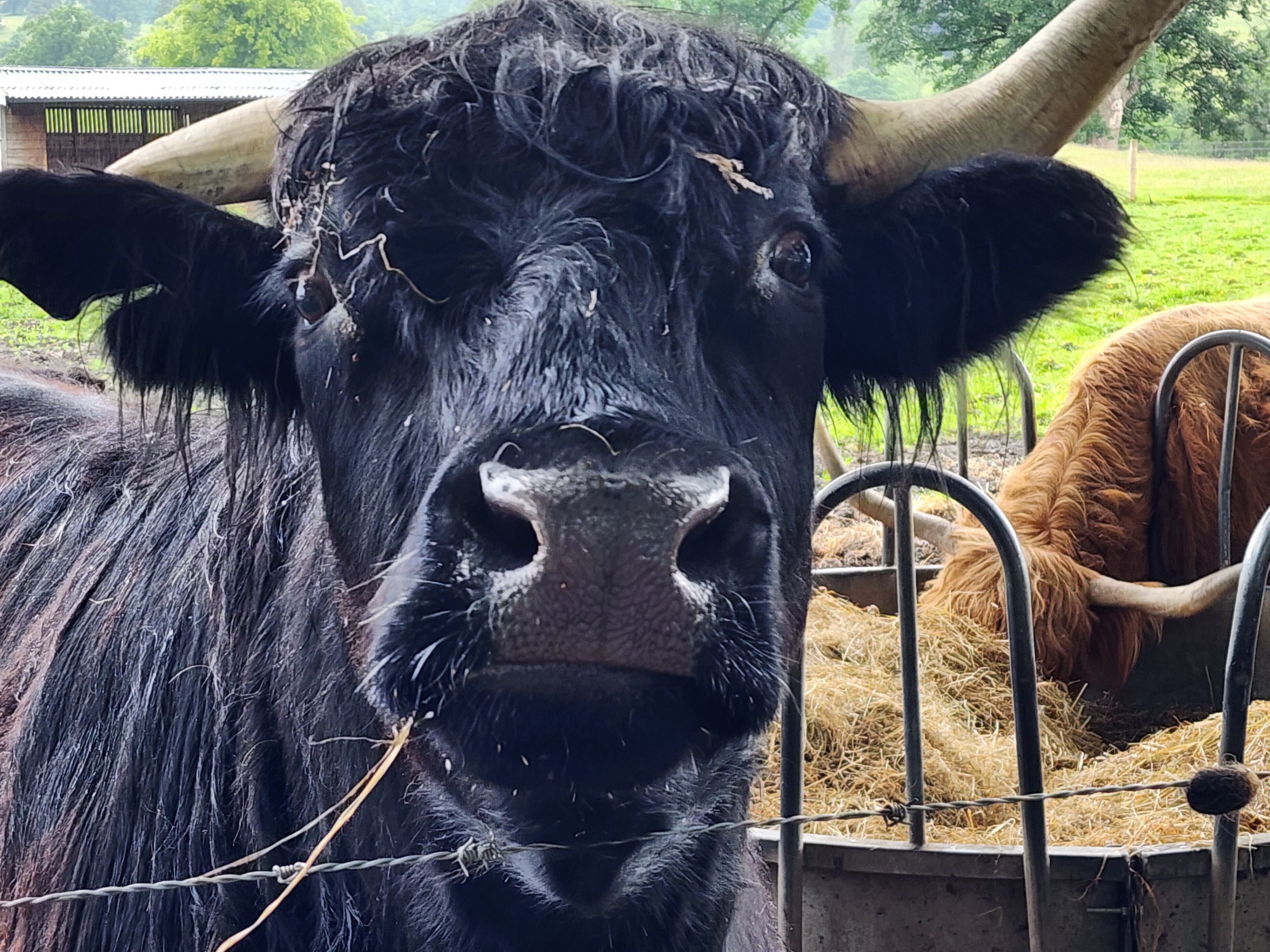
Gentle Heilan Coo!
We drove along the motor way, with yellow weather warnings periodically showing up on the signs alerting us to heavy rain (as if we couldn’t tell), but then we turned off onto two-lane roads and started our climb toward the mountains. Because there was only me, he made a surprise extra stop at a woolen mill where some Heilan Coos waited patiently in the rain for photos and food. For a £1 you could purchase a bag of carrots, raw potato, and other goodies for the cows, and they would take the food right from your hand with a wet sweep of their huge black tongues. I am sure they are used to standing in the rain, bedraggled and sad-looking, but I felt a little bad for the cows. They liked the veggies though and I was delighted to give them to the cows.
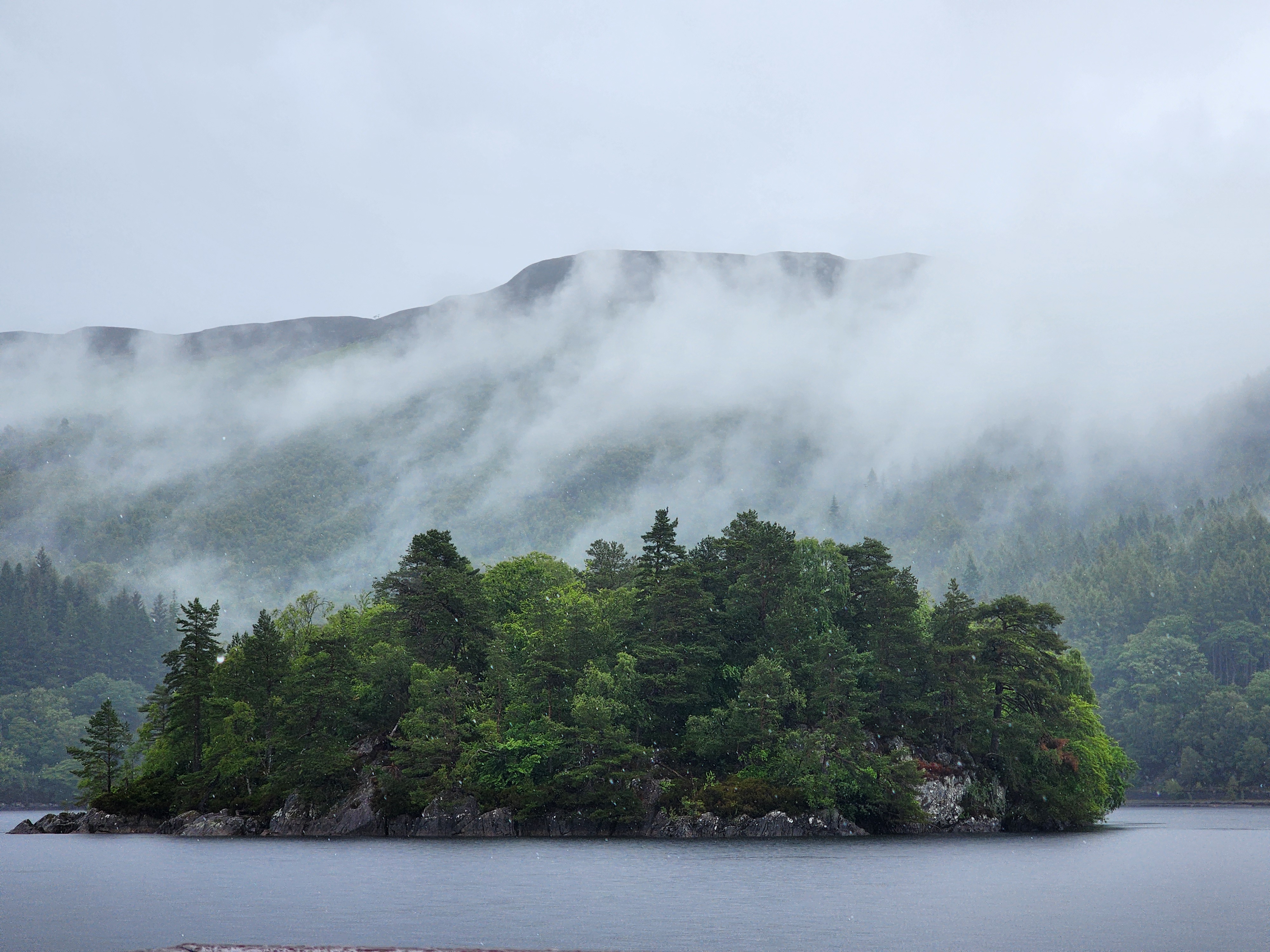
Misty Loch Katrine
Our next stop was Loch Katrine, a huge reservoir that serves Glasgow for its water needs. The loch was deep in the Highlands somewhere, up a twisty, windy road that was so narrow the tour guide asked me not to speak to him so he could concentrate on the drive. I was glad that I wasn’t the one driving—some of the turns were hairpin, and almost 90 degrees at points. Maybe on a day it wasn’t raining like hell, the road would be less treacherous, but it felt pretty scary and I thought he took the drive too quickly. But we arrived more or less in one piece, though I was a bit frazzled.
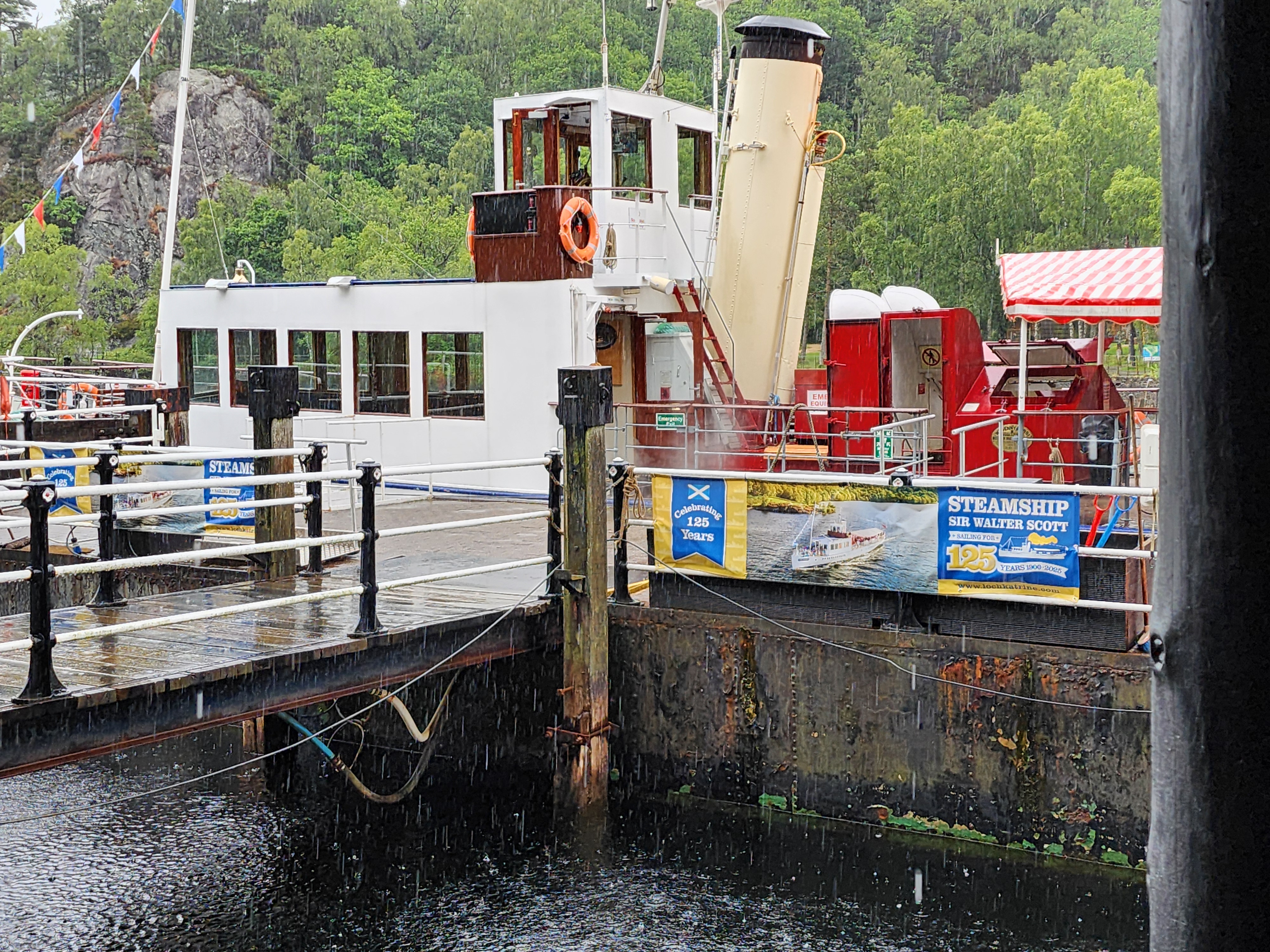
The Sir Walter Scott… if you look close you can see the rain
Had it not been raining, I might have done some walking along the trails that led away from the boat launch. There was a walk that went past some yurts that I was interested in looking at, but I really just wanted to get out of the rain. I got lunch in the little café—to-mah-to pepper soup and an egg salad sandwich on wheat, which was more lettuce than anything else. The boat ride wasn’t until one, so after lunch I called Mom on the area’s sketchy wifi to catch up with her. (She was fine.) The boat ride was on the Sir Walter Scott, a steam engine boat celebrating its 125th anniversary. There were 41 passengers for our boat ride, but I was amazed to hear that back in the day, even up to the 1950s, the ship carried up to 500 people. I can’t imagine how 500 people could fit on the ship—we were cozy at 41. The Captain made a joke that people are “wider” now and so it would be a lot harder to fit 500 on the deck. What he didn’t say was where the 500 people would be going.

Another misty view of Loch Katrine
The rain pelted down and the deck was damp and cold but the ride itself was pleasant—the mountains were hiding in low clouds, and the loch splashed and wavered as the boat steamed its way through it. The Captain was full of cheery chat, among which included the fact that no sheep graze in the mountains surrounding the loch because diseased sheep made runoff into the loch, and poisoned the water…not so good for Glasgow.
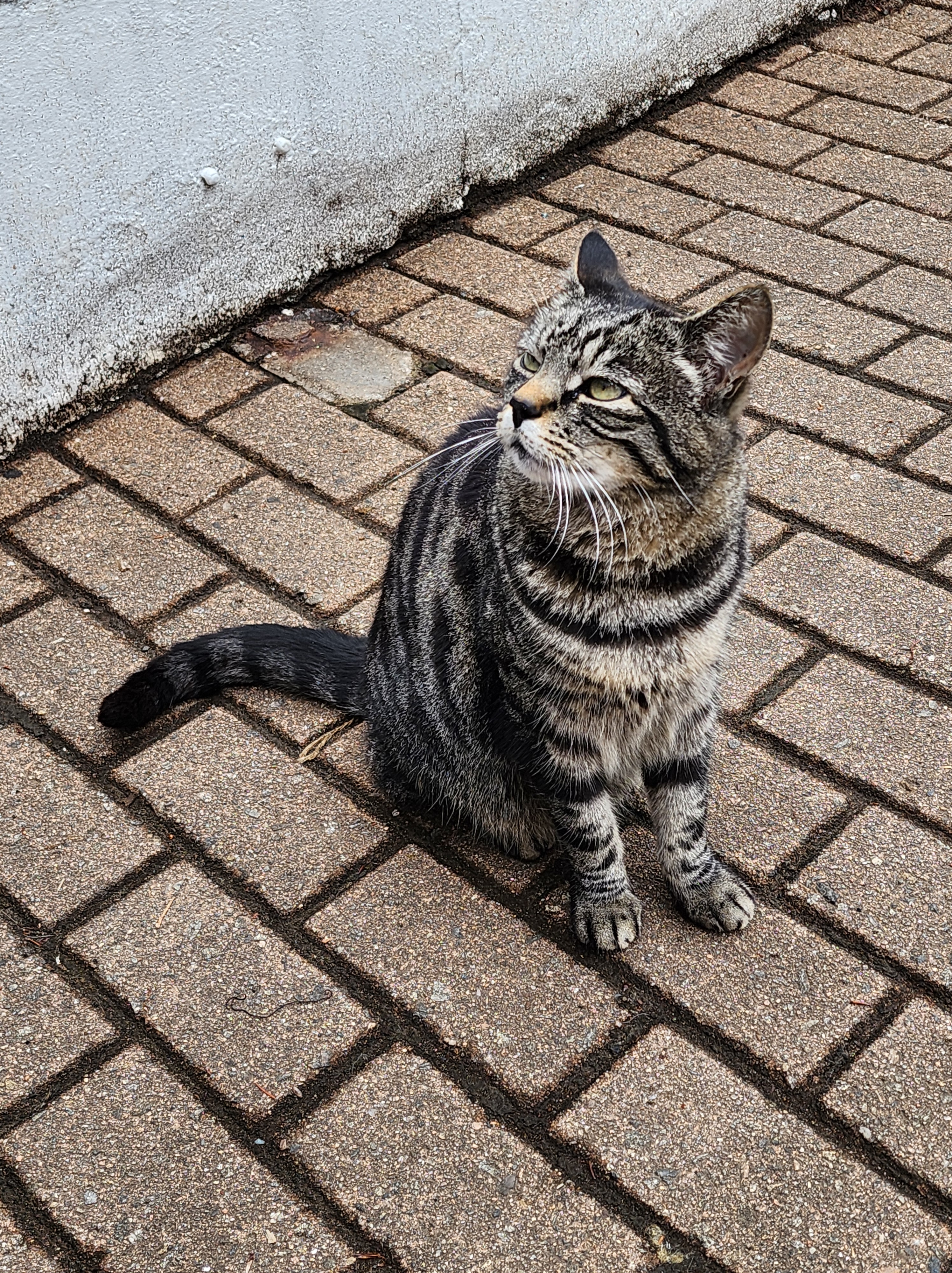
Turret the Cat

Towser the Mouser
Eventually the rain subsided somewhat as we turned around to get to the boat launch. I returned to the coach and we made our way to the last stop, Glenturret, apparently the oldest Scottish distillery, in Perthshire. They don’t have an assured date, but they settled on 1763 based on archival research and a land deed. Glenturret was unique because they have distillery cats, Glen (shy; I didn’t see him) and Turret (quite gregarious and affectionate). A monument to Towser, the Guiness Book of World’s Record winning mouser, stands right as you are walking up a rise to go into the distillery. Towser caught almost 29,000 mice in her lifetime. Glenturret doesn’t have the mice problem it used to with the barley, so the cats are mainly decorative at this point, but I liked that they were there.

The smooth 7 Year
As for the whisky, I tried a dram of their Triple Wood whisky and their 7 year lightly peated whisky, which I liked very much, better than the Triple Wood, which I found a little harsh on the palate, even with its buttery notes. The distillery tour guide told me that they are phasing out the peated whiskies because they were never but 10% of their business. I think part of that is the recognition that peat is a basically unrenewable resource—but sustainability aside, probably phasing out the peated whiskies mostly has to do with the fact that it doesn’t make money for Glenturret. Another interesting thing about Glenturret is that it is half-owned by the Swiss company who also owns Lalique art glass. I had noticed all the fancy glass bottles and the Lalique markers, and wondered. The bottles are beautiful for sure. I would have liked to have checked out the Lalique Boutique but I didn’t have time. Still, seeing the Lalique bottles for the special whiskies was impressive. (So was the cost!) Even though it wasn’t an arduous tour, I was tired by the time we came back to Edinburgh. I think all the tramping in the rain did me in.
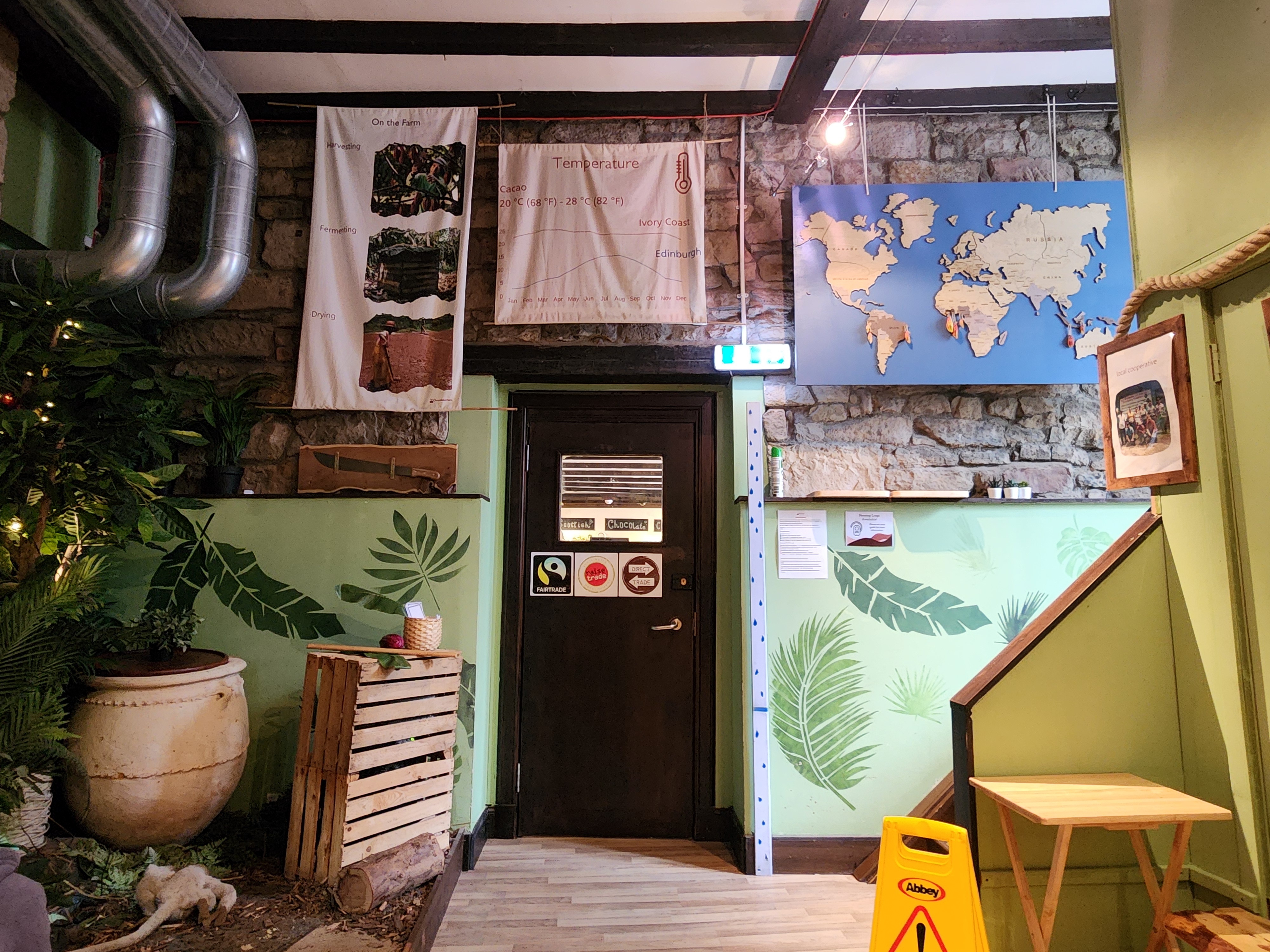
The Cacao Jungle Room at the Chocolatarium
The next day I went to the Edinburgh Chocolatarium, a little hidden hole-in-the-wall chocolate shop off the Royal Mile. For £29, we could hear the history of cacao and chocolate making, taste several “flights” of chocolate from exotic places like Belize, San Tome, Colombia, and Ecuador, and make our own chocolate bar (mine was milk chocolate with candied ginger and candied orange rind). We drank a hot liquid chocolate made with oat milk that was so thick you could have spread it on a biscuit, as well as tried an Aztec chocolate drink that was made of cacao nibs (basically a macerated cacao bean), honey, water, and hot pepper. It was as bad as you can imagine. Very gritty, and not very chocolatey. And for this, they sacrificed 40 people a year to honor the gods who gave chocolate to the world—and 40 because there are an average of 40 beans inside a cacao pod, and 40 pods on a cacao tree.
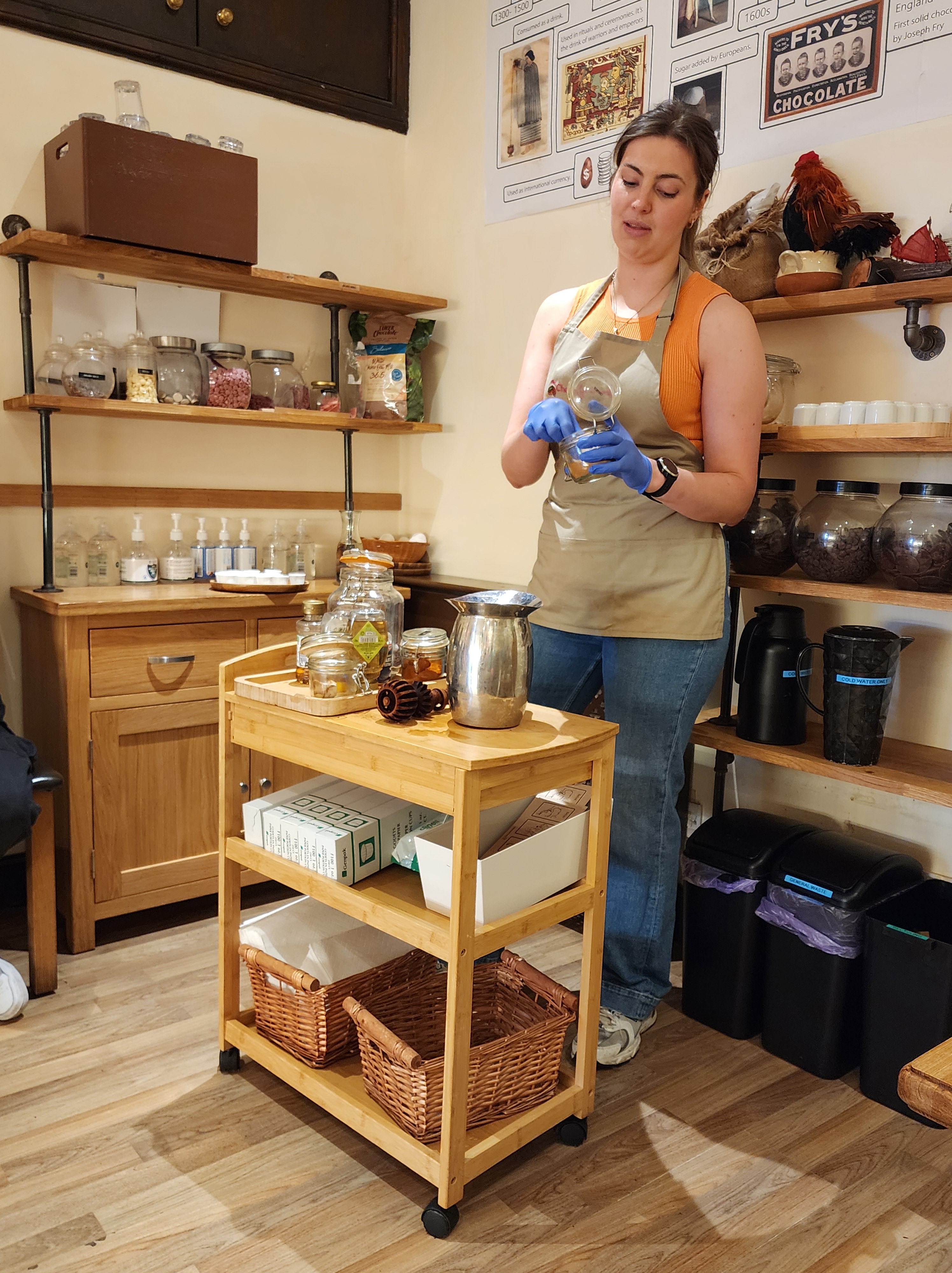
Our Chocolatarium tour guide making the heinous Aztec drink
After we drank the weird Aztec drink, we could try as many bits of chocolate as we wanted. I had a flight of four—lemon poppyseed white chocolate, Vienna coffee chocolate, Cornish sea salt and lime, and Carrot Cake infused chocolate, and by then I was chocolated out. A girl of maybe 11 or 12 tried over 20. She never sat down. (We were supposed to retrieve the chocolate from the jars, then bring four at a time to our seats.) Not her though. She just ate them straight out of the jars. She was a serious connoisseur—but I was surprised her mom didn’t tell her to quit grazing and settle down and let other people try some samples. At the end, we picked up our chocolates and were led back into the store. I would have been tempted to buy a bar of the lemon poppyseed, but the £6.50 pricetag stayed my hand.
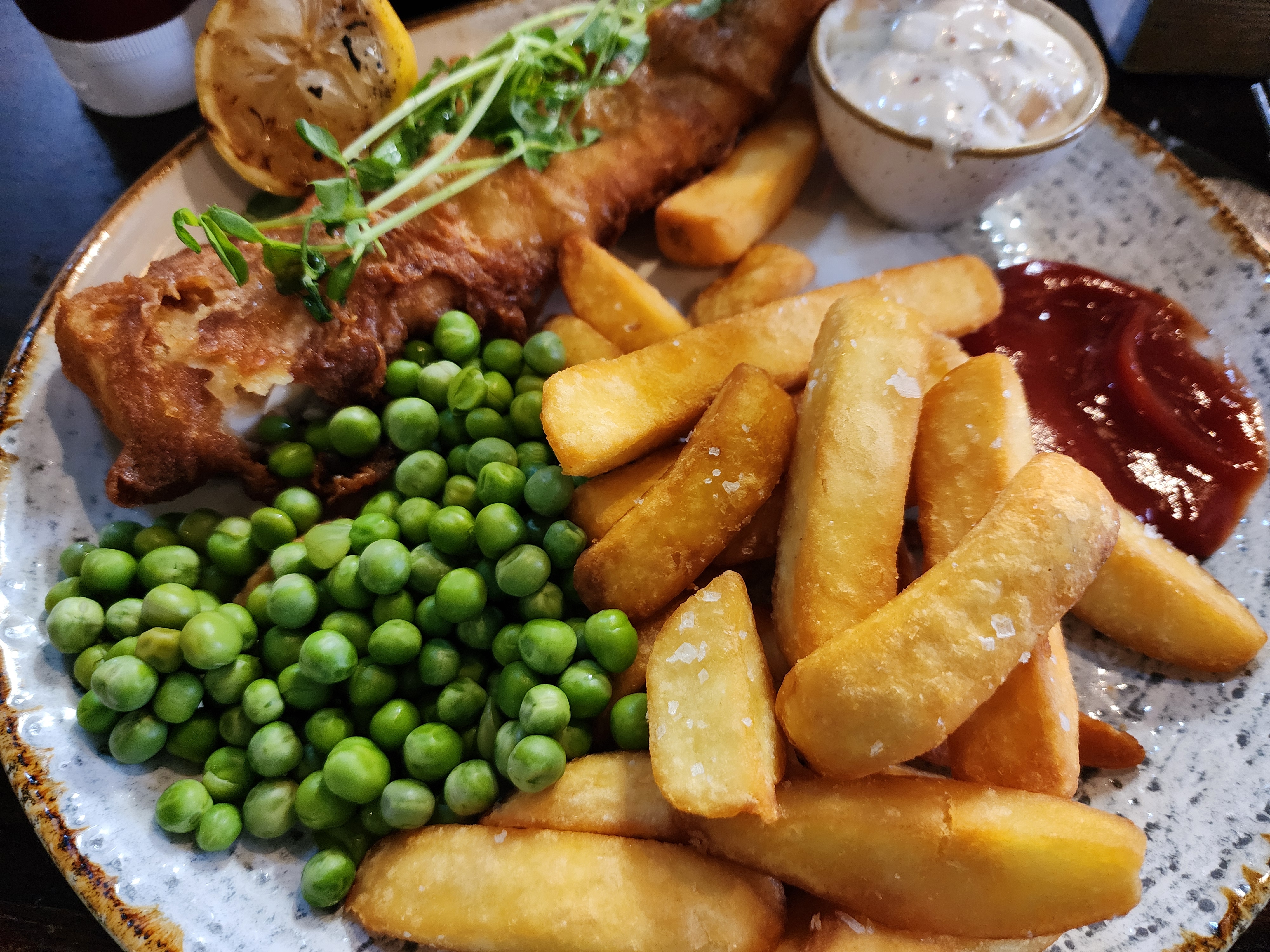
Lunch at the World’s End Pub
Then I somewhat enjoyed lunch at the World’s End Pub, which has been in business since the 1700s, when the wall to Edinburgh ended right beside the pub. I had made a reservation reluctantly (because really, a reservation for a pub?), but I was glad I did, as they only have about 6 or 7 tables to dine at, and a steady clientele. I tried their fish and chips, and while it looked very nice on the plate (accompanied by green peas, not at all mushy), it was surprisingly dry and tasteless. The tartar sauce interested me because it wasn’t like tartar sauce at all—it was creamy like yogurt with something crunchy in it. Maybe onions. I am glad I actually went to the World’s End, since it is a tourist trap, but I wouldn’t go again. The pursuit for Scotland’s best fish and chips continues.
At the end of the weekend I was bushed. Still not over my cold, I rather wore myself out trying to squeeze all the goodness I could out of the days. But it was a fun weekend. I wish you had been there.
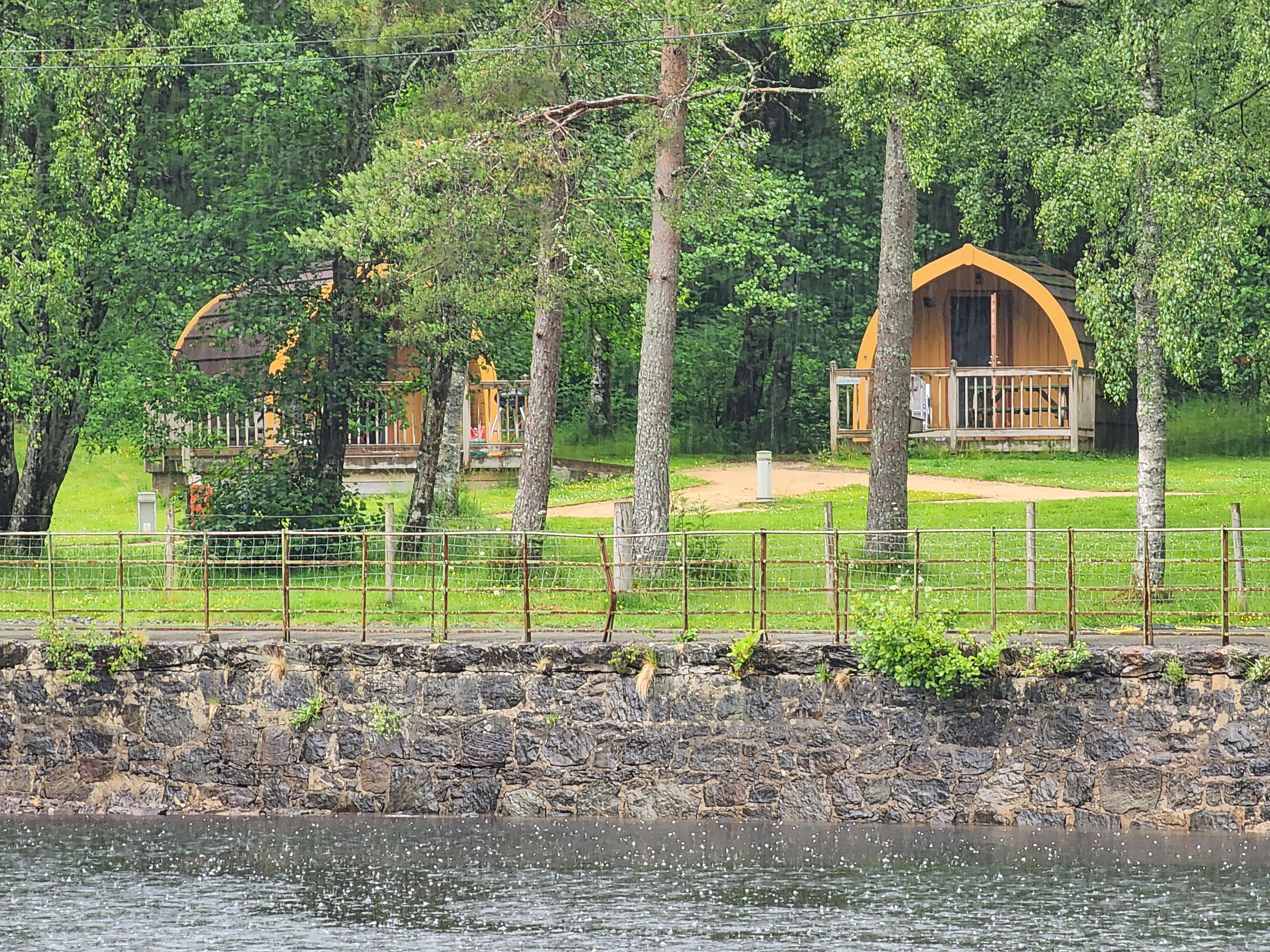
Yurts on Loch Katrine
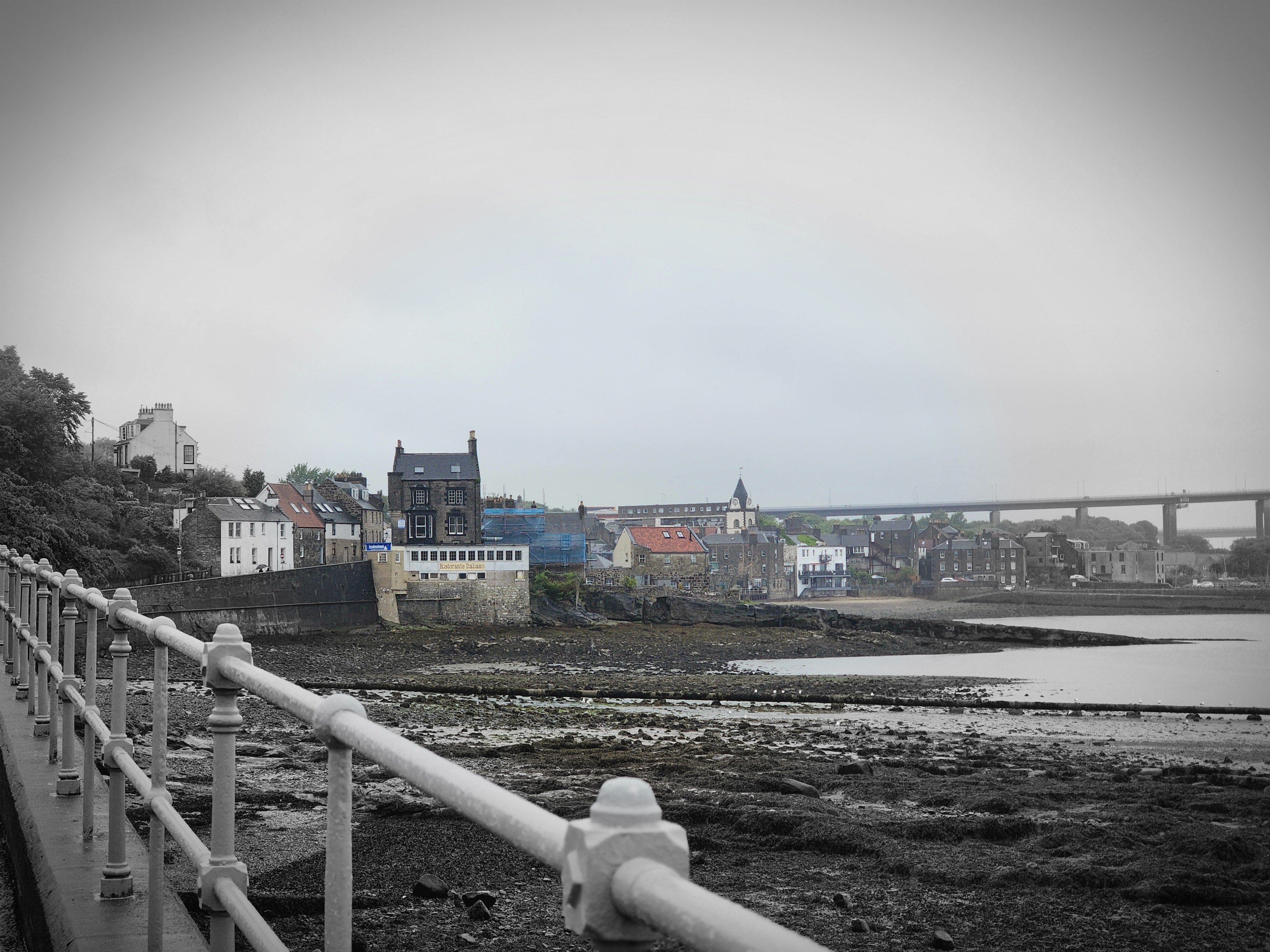
View from South Queensferry
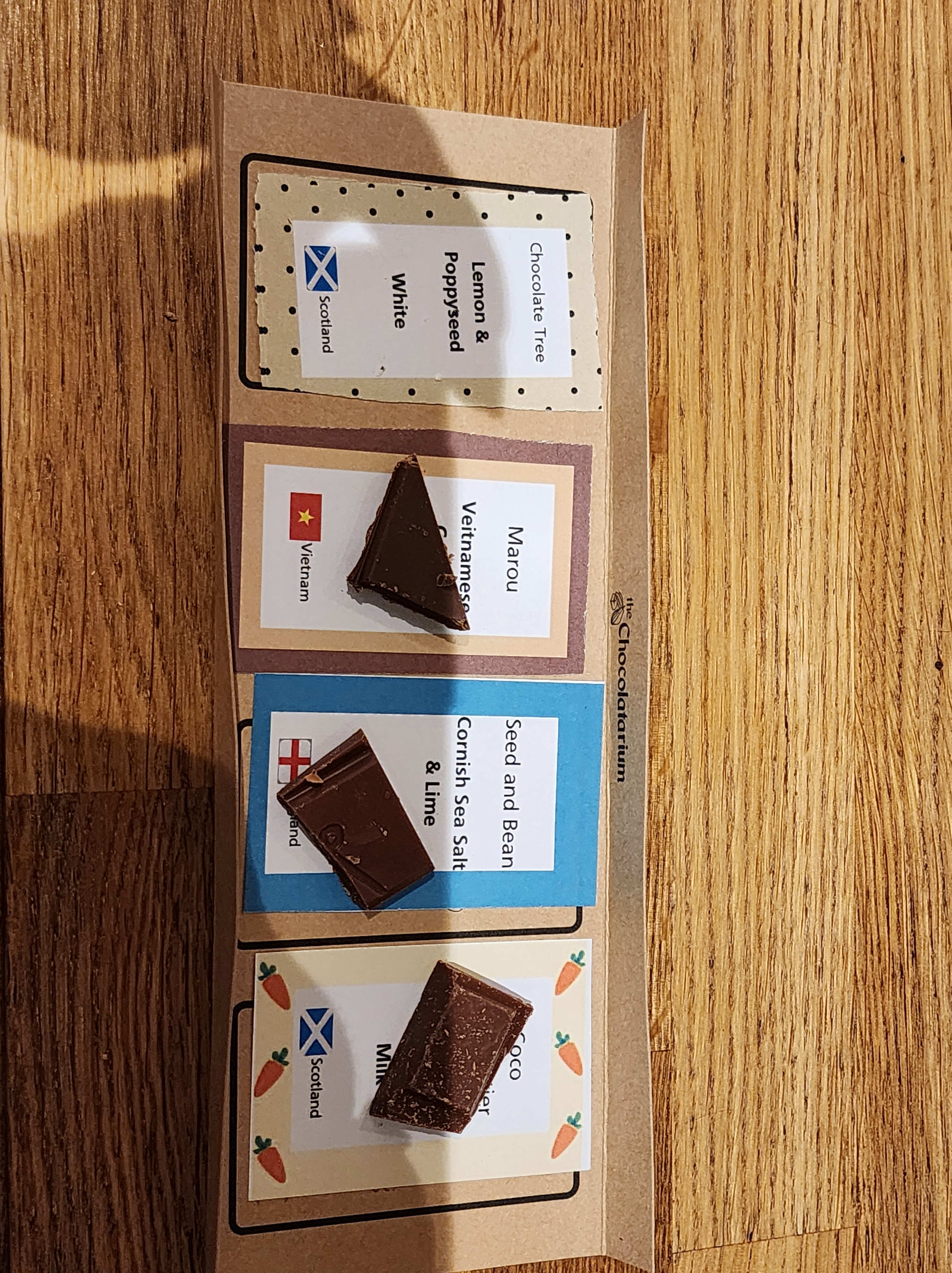
Chocolate flight

One of the toppings I thought about putting into my chocolate bar

A tube of liquid chocolate for the mold
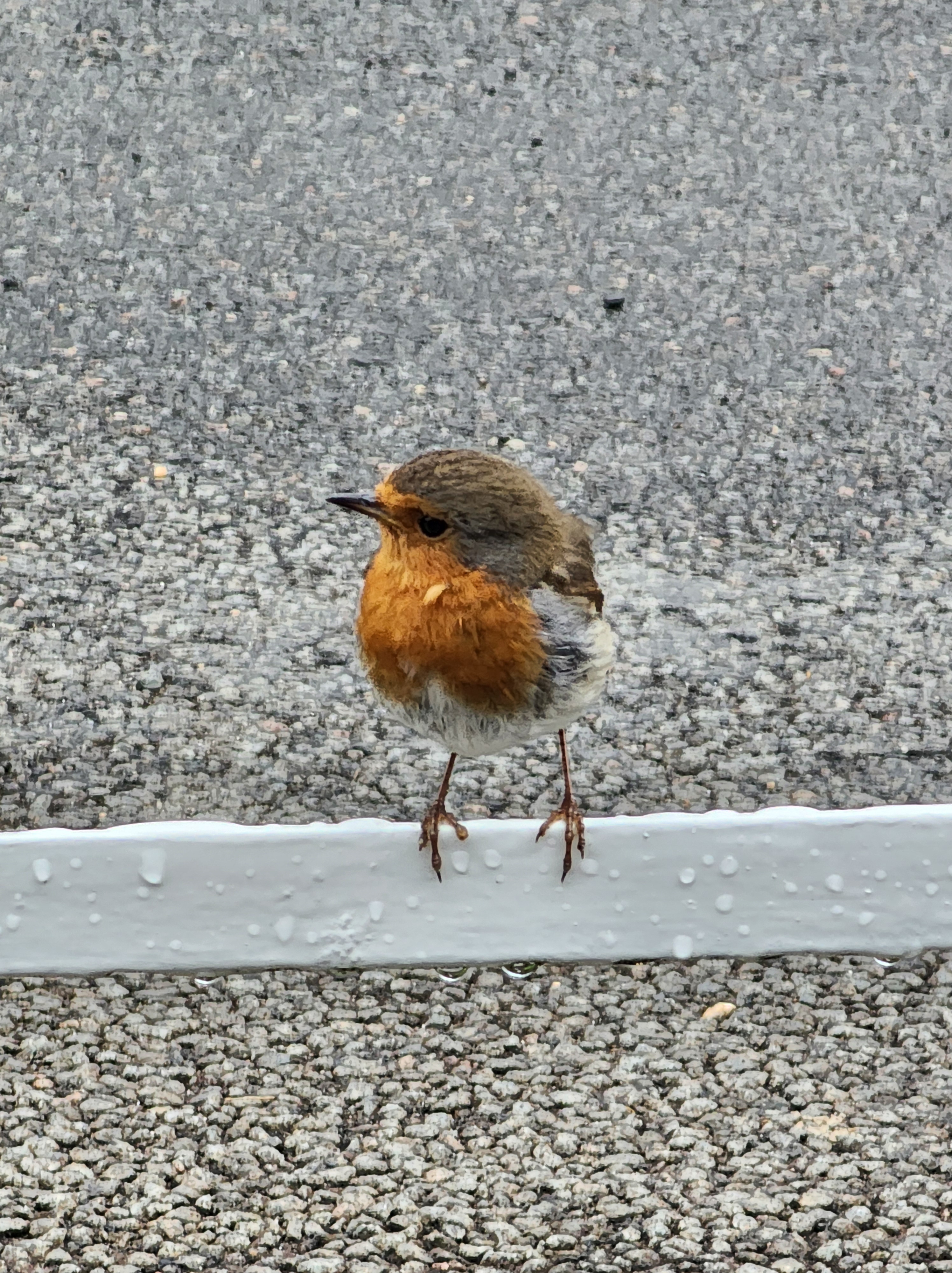
A wee sweet birdie

A view of Holyrood…do you see the plane?

Loch Katrine
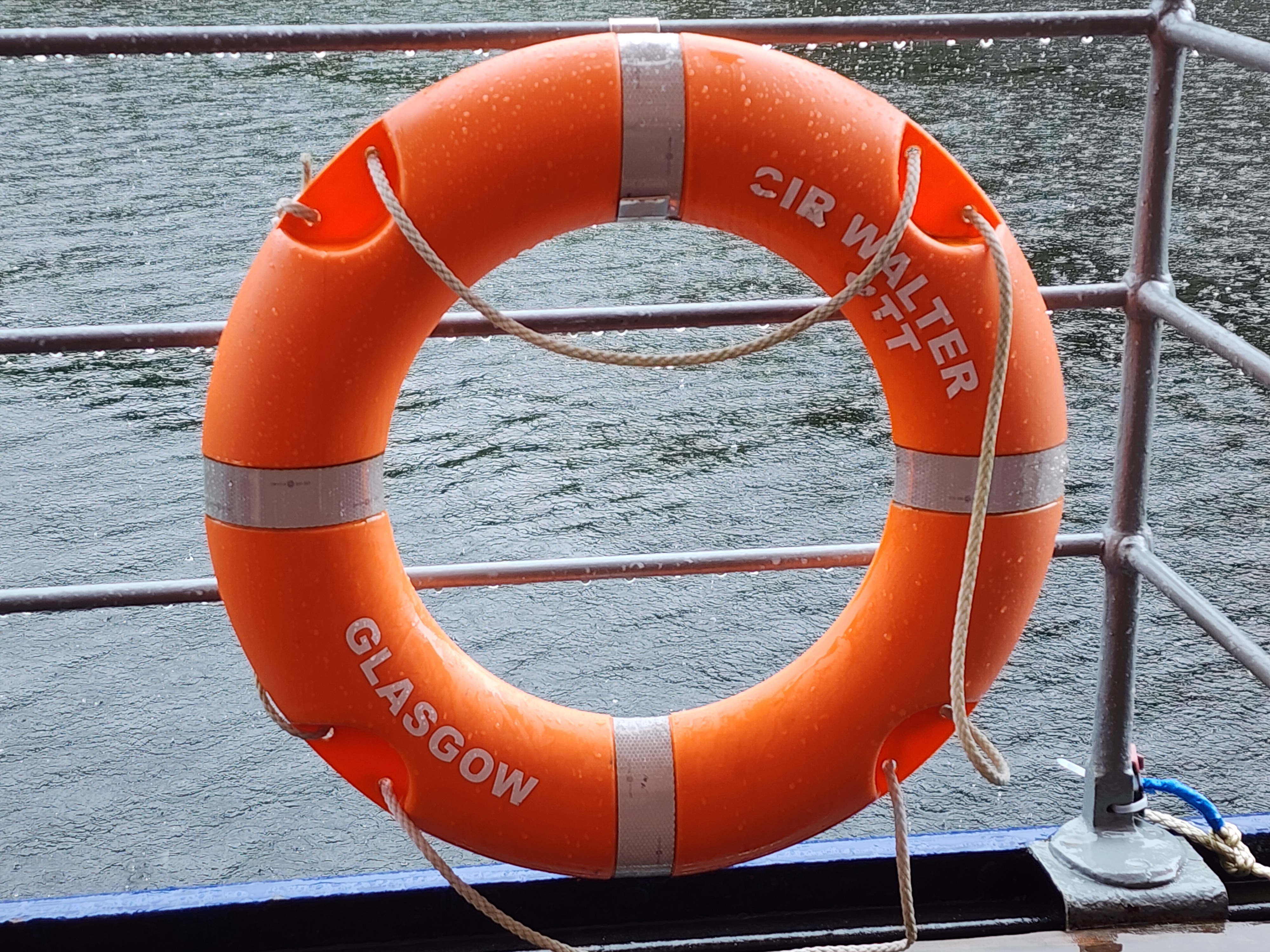
No one fell overboard, thank goodness

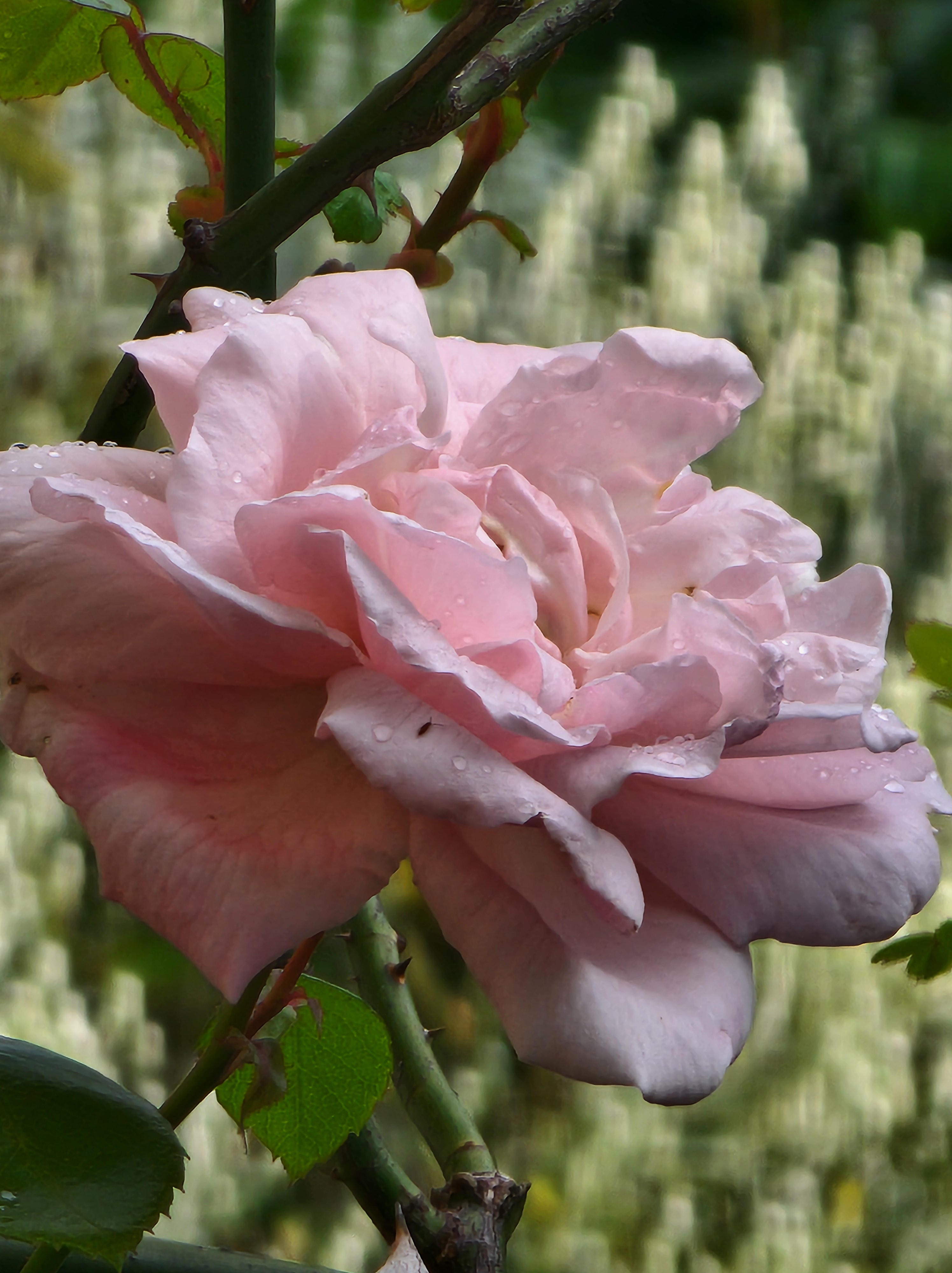
A pretty flower in the rain
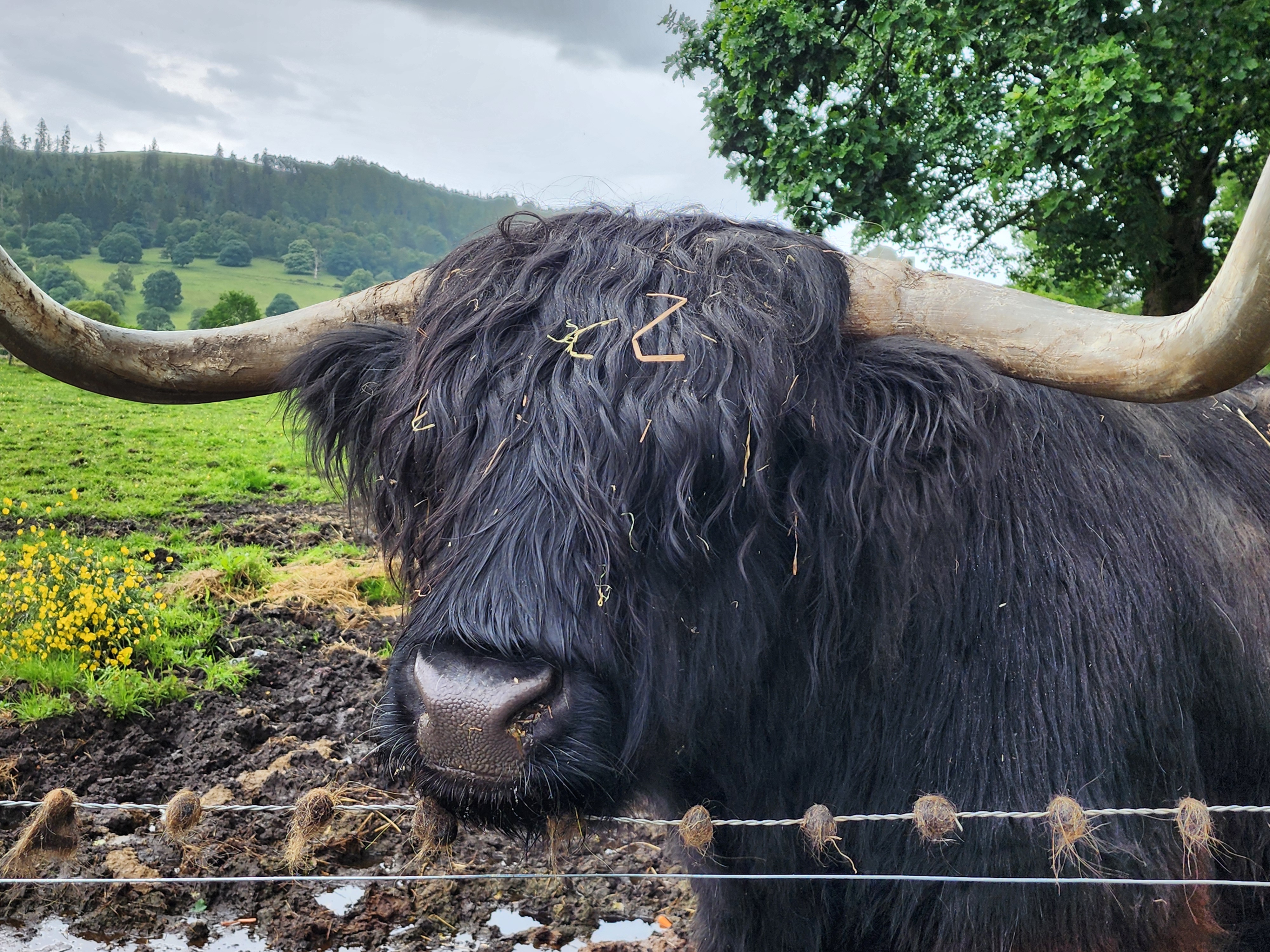
He looks sad, this sweet coo
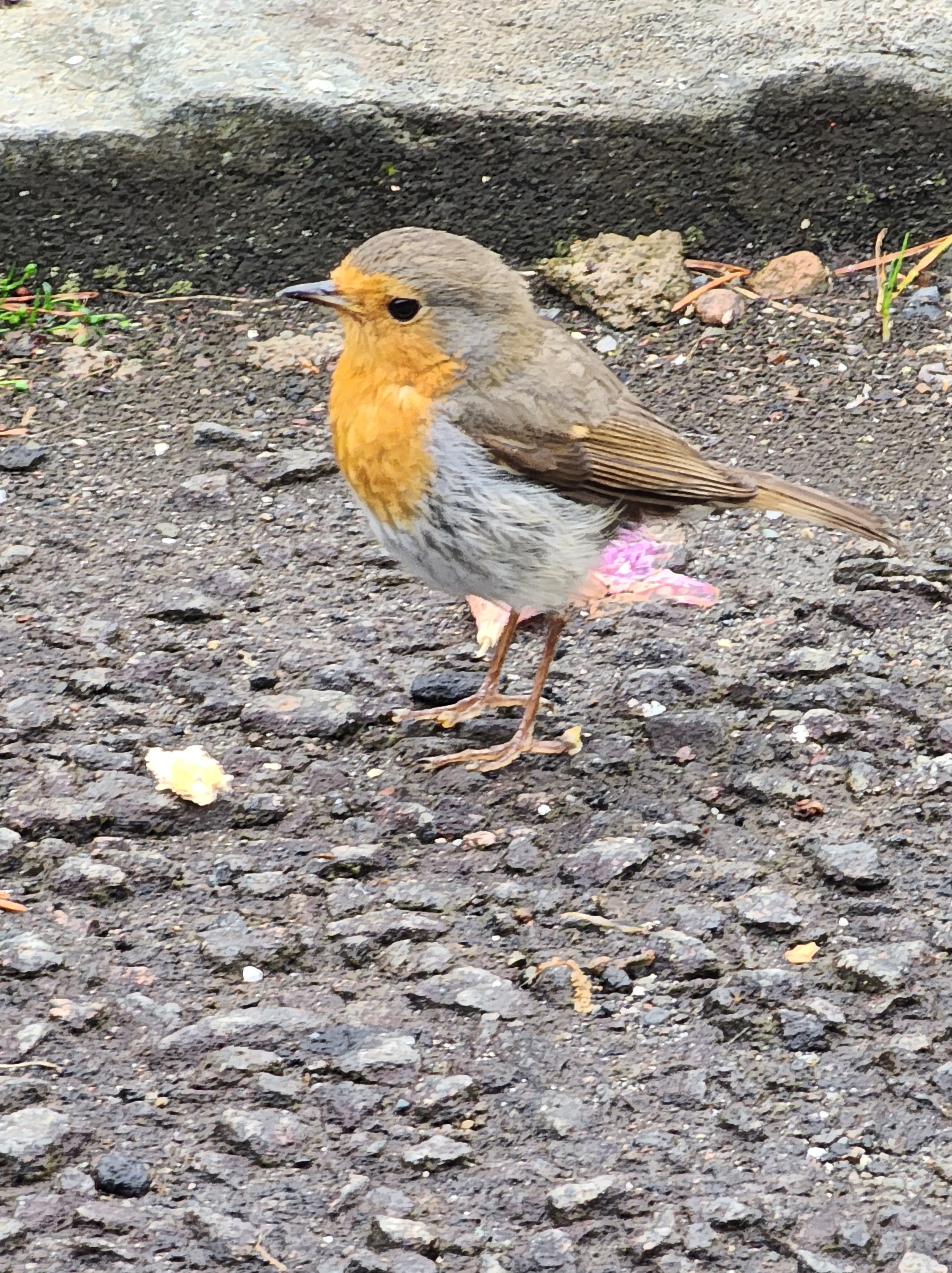
The wee bird again

The Glenturret mash tun

Boat launch
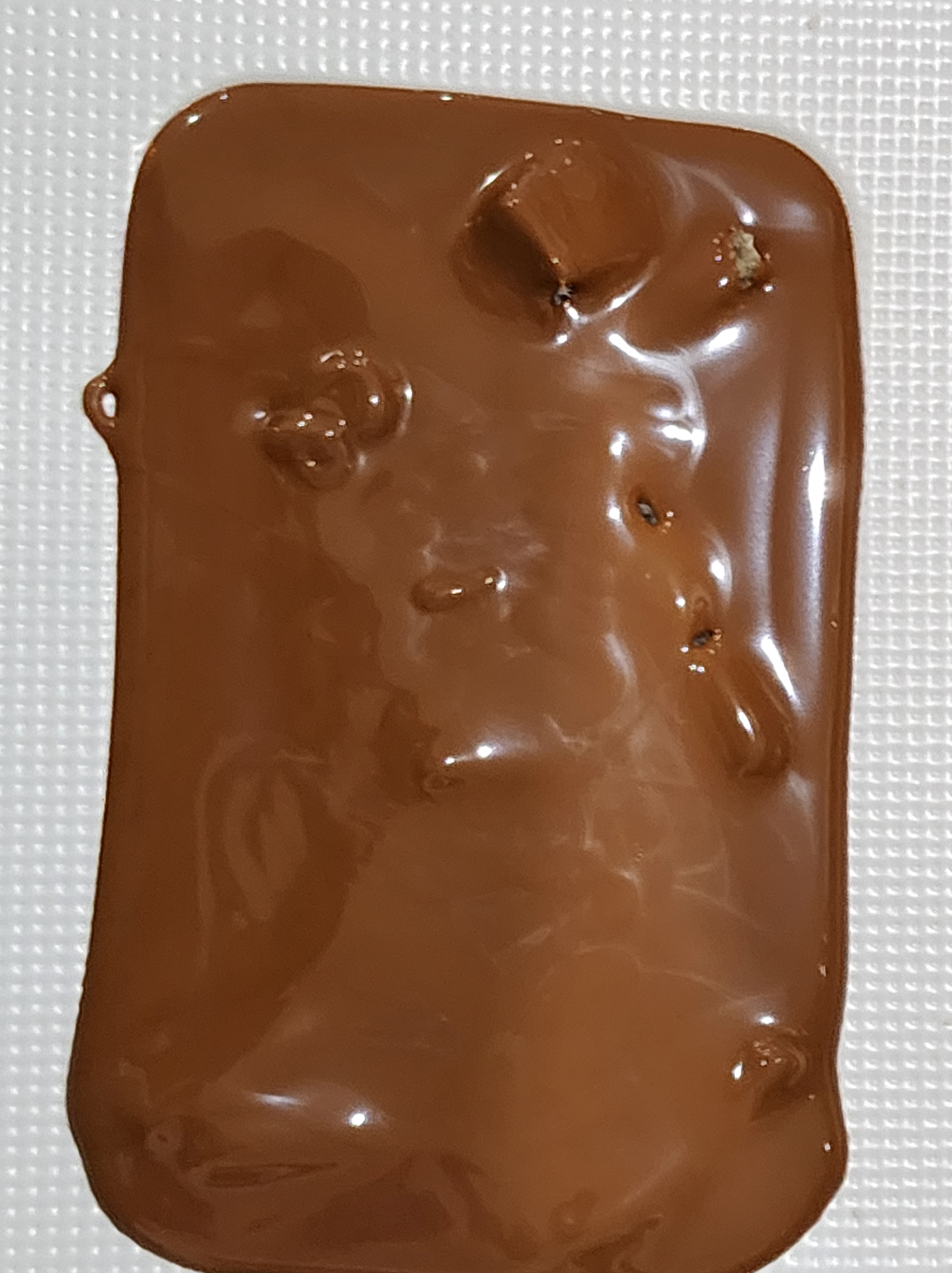
My candy bar cooling in the mold

Loch Katrine
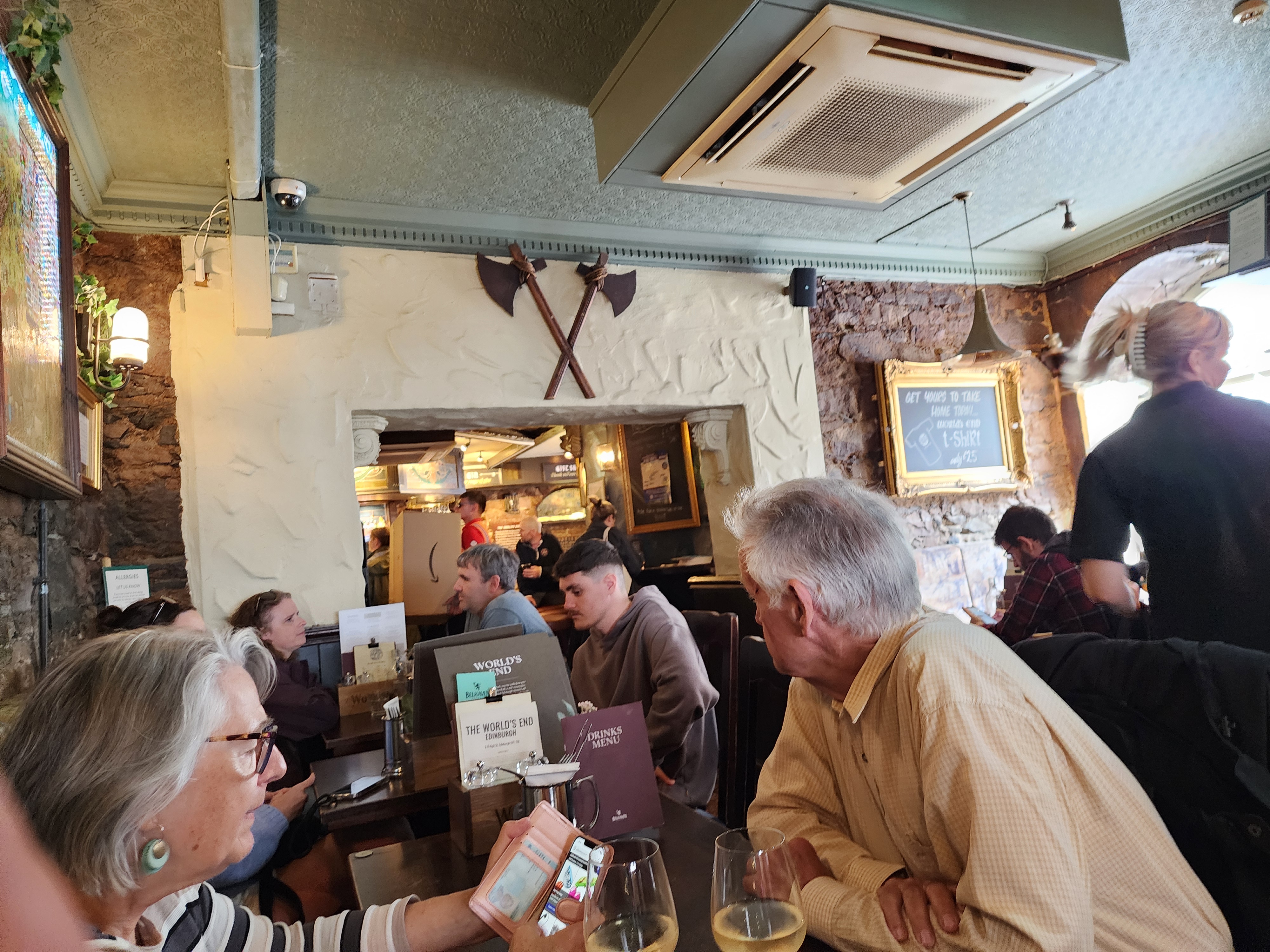
The two Aussies in the front of the picture talked to me all through lunch at the pub

On the deck of the Sir Walter Scott
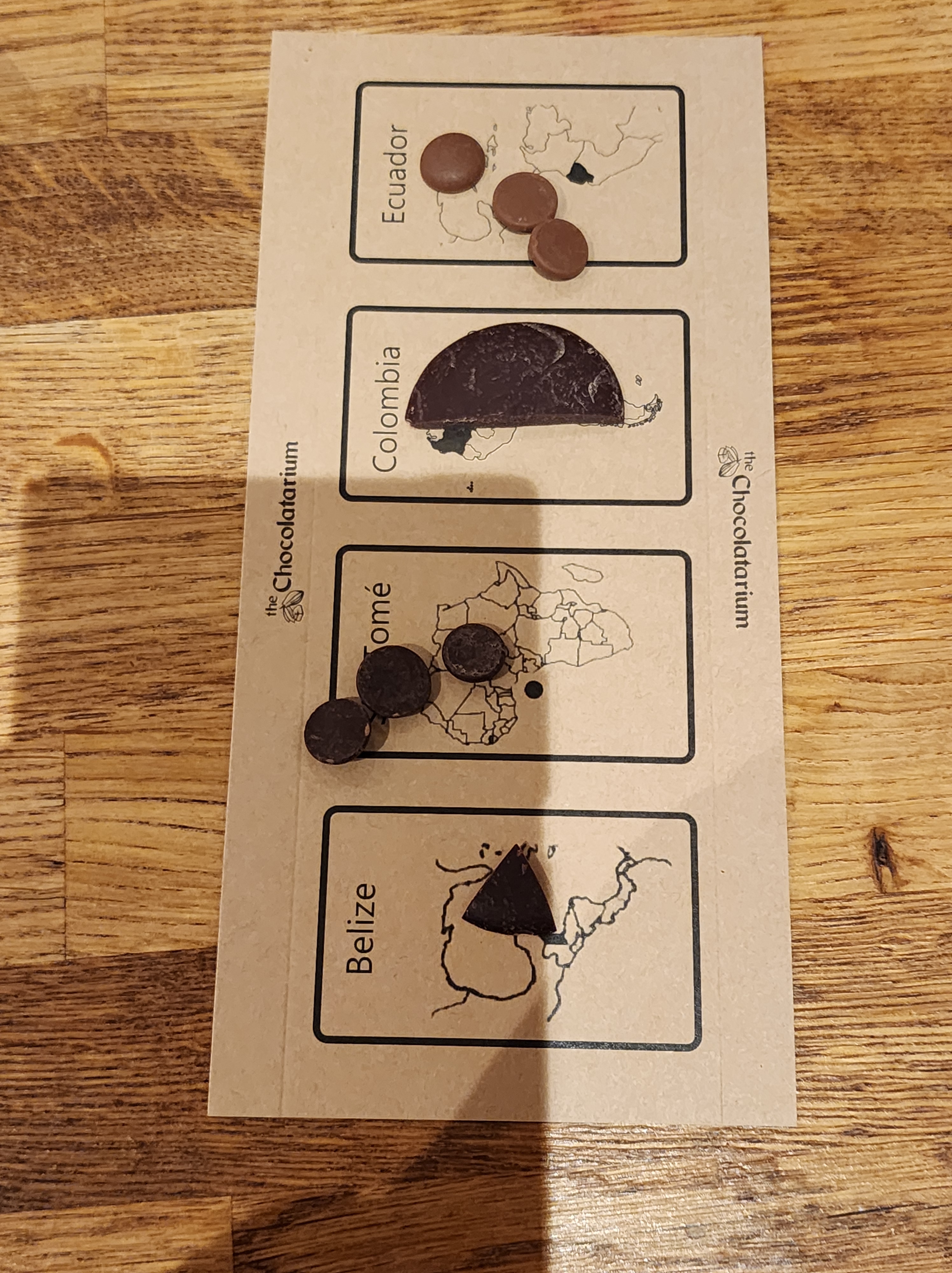
A second chocolate flight
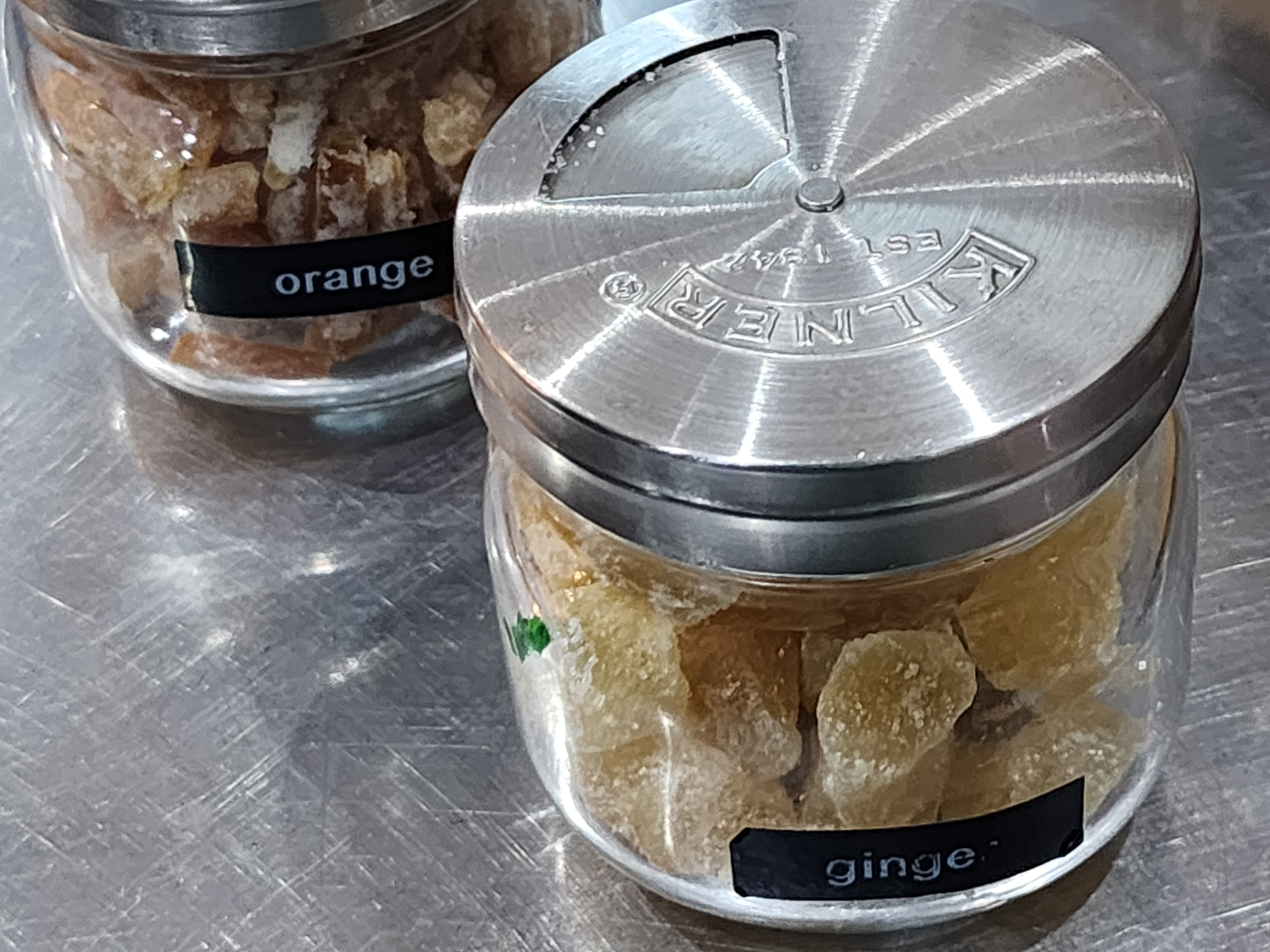
Orange rind and ginger for my candy bar
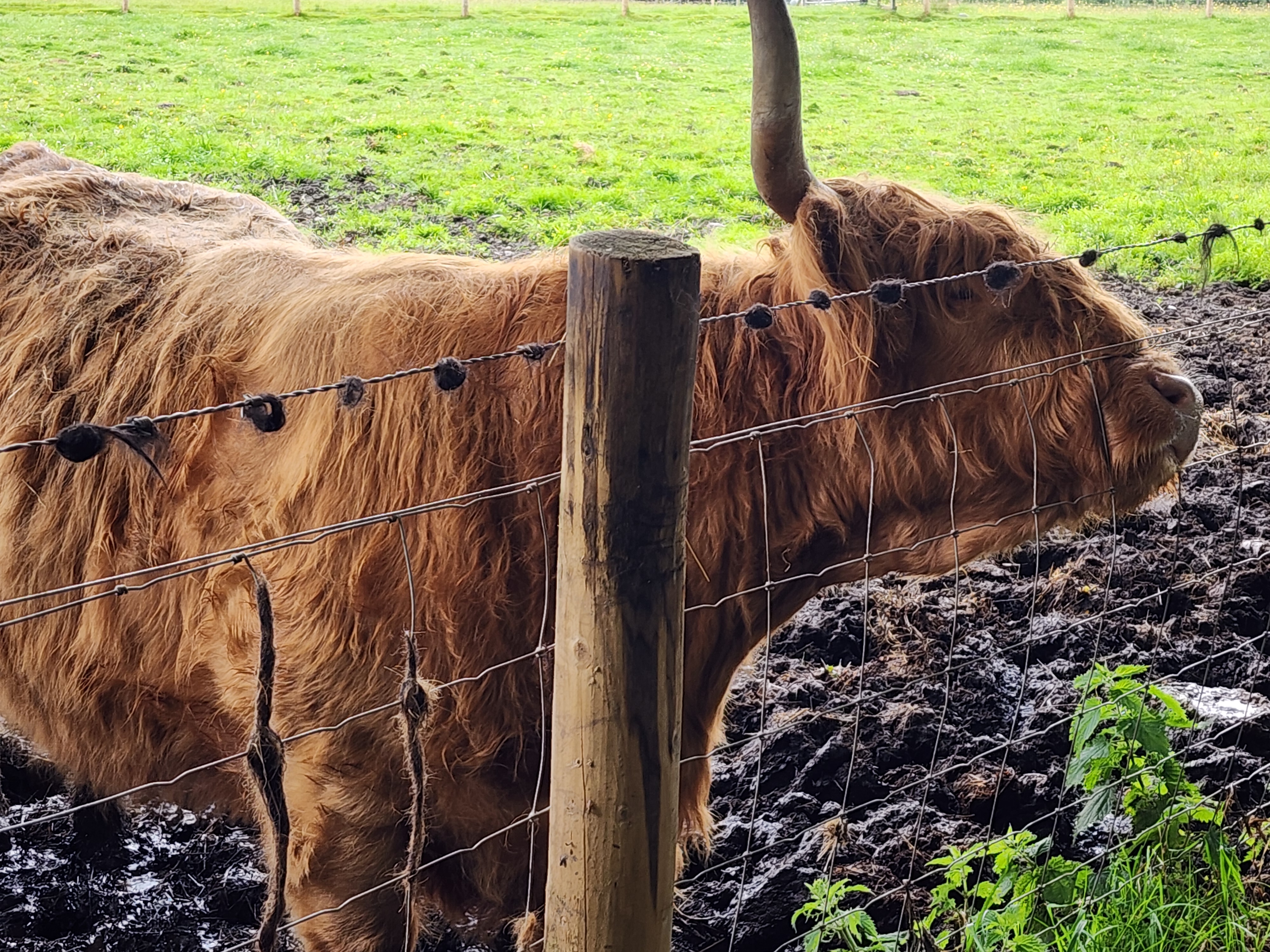
Another sweet coo


 JC Reilly: Poeta Venum